

Oriental Patterned Rug
An oriental patterned rug brings rich colour and enduring tribal craftsmanship into a room, offering tactile warmth and centuries of weaving heritage.
Oriental Patterned Rug
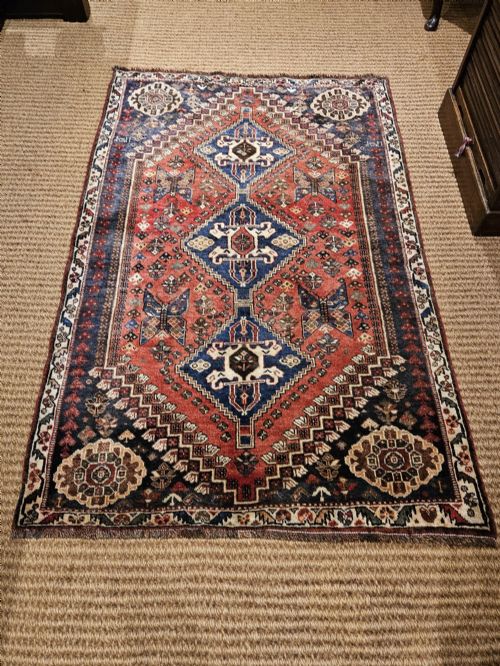
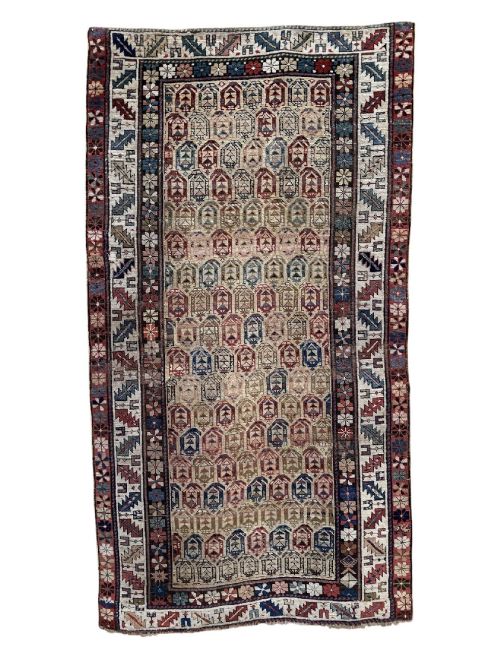
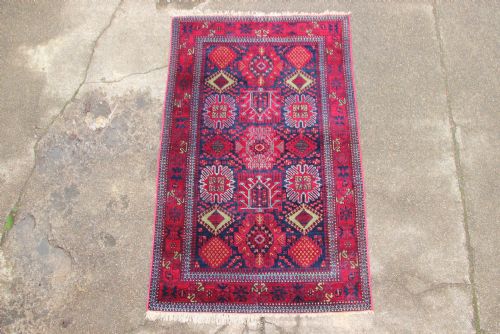
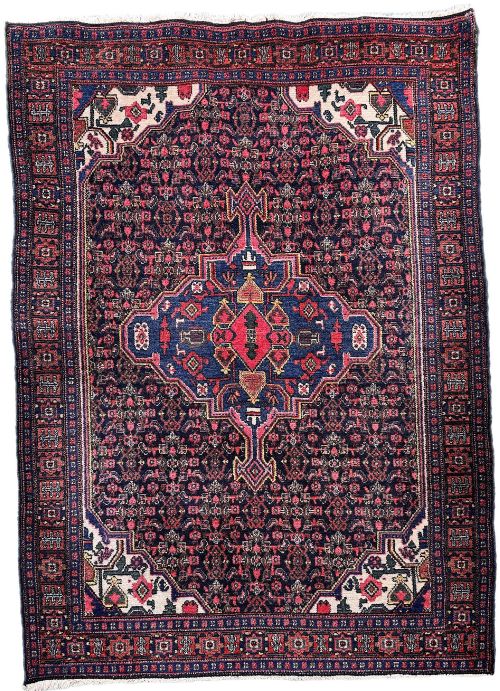
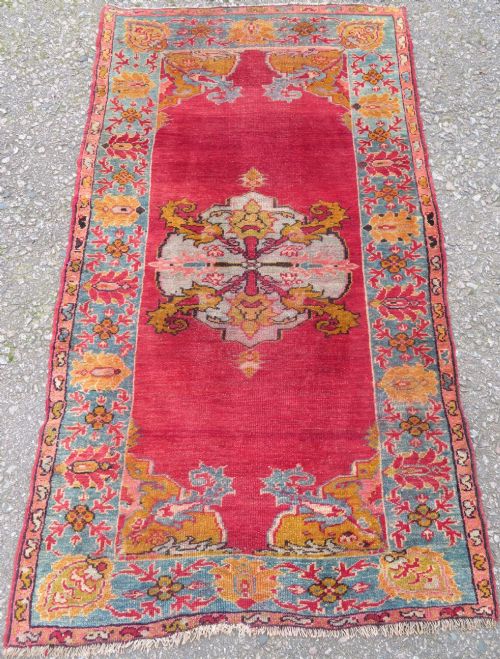
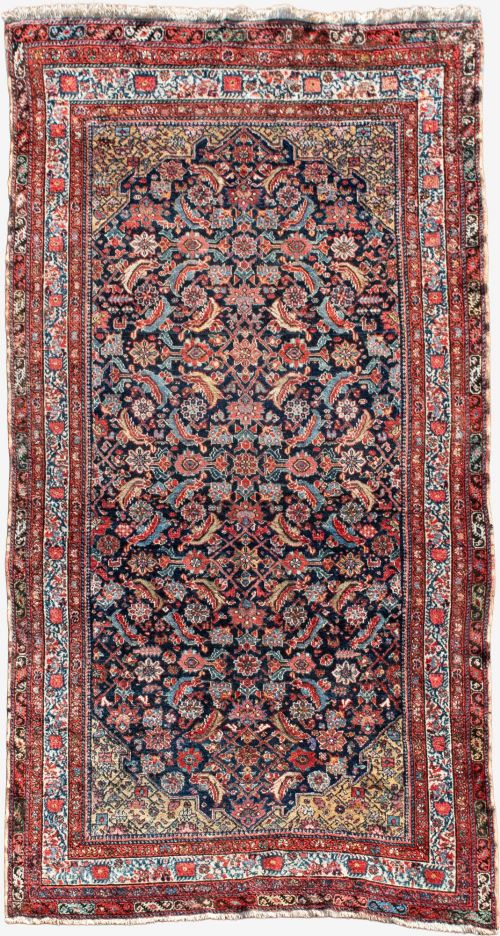
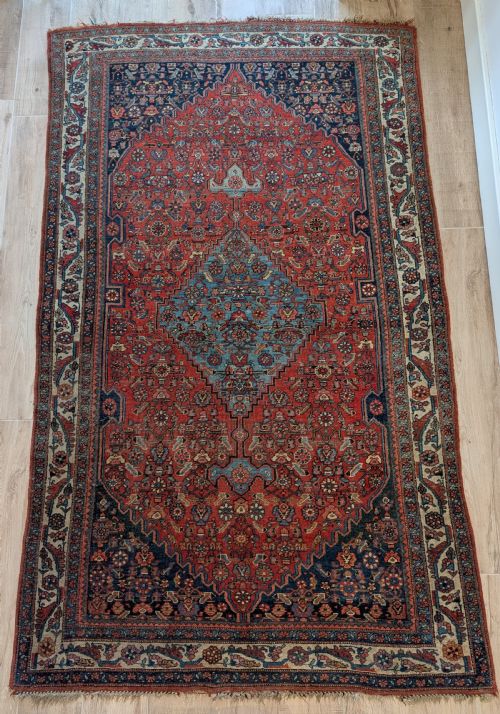
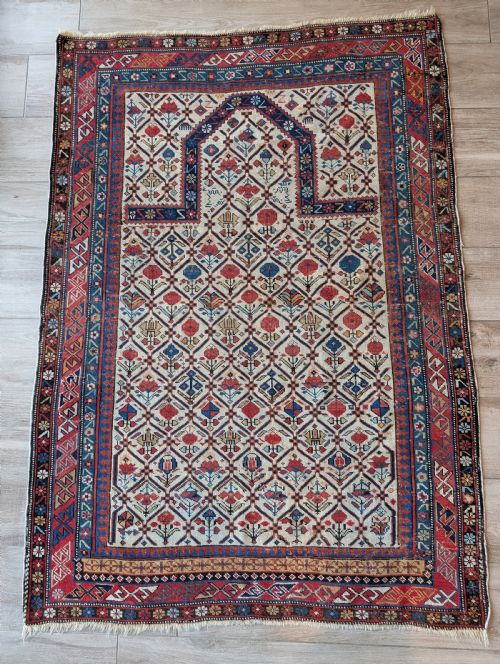
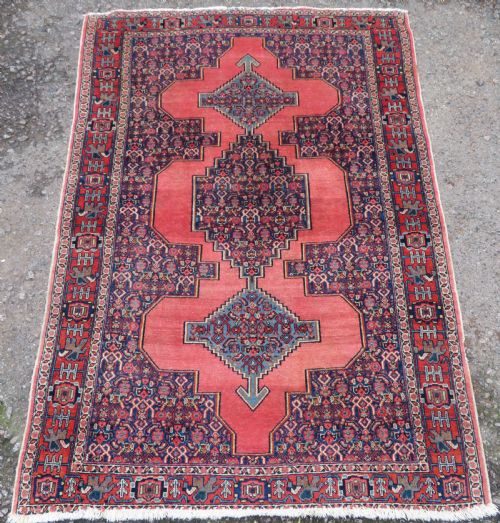
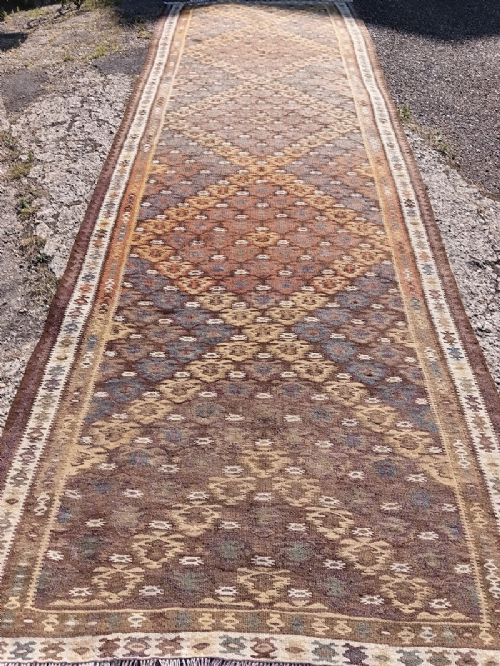
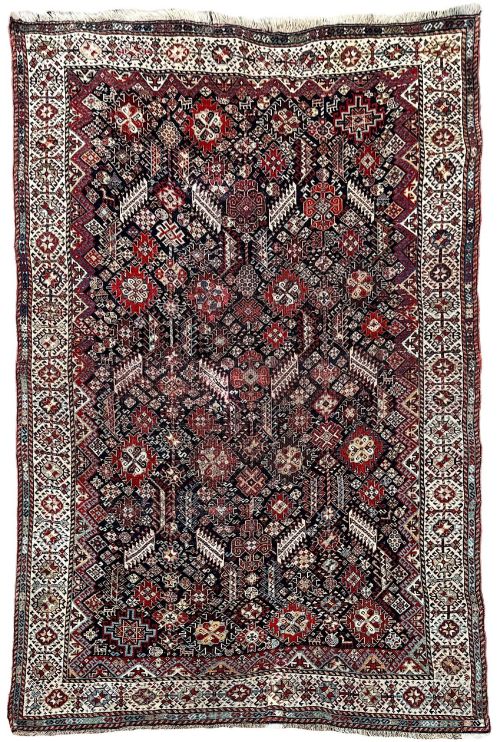
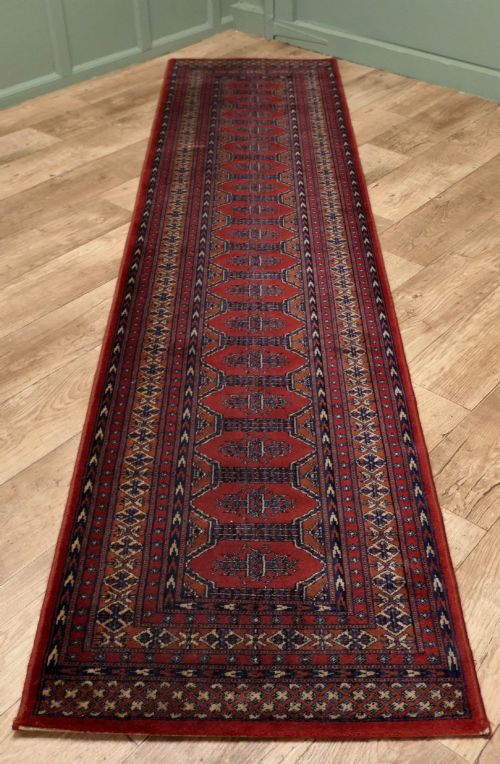
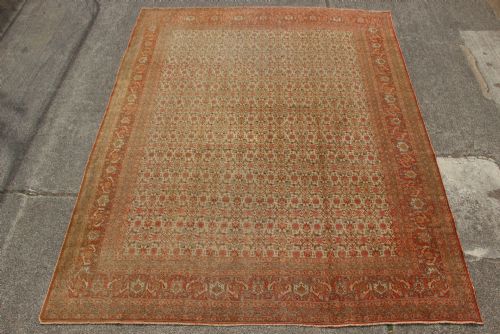
An oriental patterned rug encompasses hand-knotted and woven textiles originating from Persia, the Caucasus, Central Asia, and Anatolia. These pieces range from large room-sized carpets and area rugs down to narrow hallway runners and hearth-sized mats.
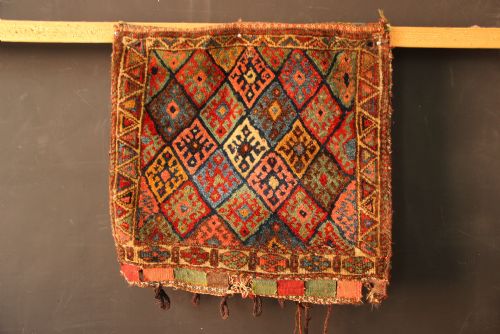
The selections available span periods from the nineteenth century through the early decades of the twentieth century. Traditional regional weaving groups, including Turkmen tribes, Kurdish makers, and Persian workshops, define the distinct aesthetic character of each piece.
How they were made
Weavers utilised hand-spun wool, cotton foundations, and occasionally silk highlights to construct these textiles. Natural dyes provided the foundational palette of deep indigos, madders, and earthy tones found across the pieces.
Makers employed traditional hand-knotting and flat-weaving techniques on vertical looms. This meticulous process created dense pile surfaces and durable flat-woven kilims designed for practical household use.
Oriental Patterned Rug Retail Price Guide 2026
Typical asking prices for oriental patterned rug among the pieces listed under this phrase on Sellingantiques today, from the lower quarter to the upper quarter. They describe what is for sale here now, not the wider market.
Some nomadic weavers included tiny intentional flaws in their carpets to ward off the evil eye.
What varies in quality
Knot density and structural tightness dictate the longevity and fine detail of the pattern. Tighter foundations allow intricate motifs like boteh designs and lattice work to remain crisp over decades of foot traffic.
The depth and stability of the dyestuffs influence the visual richness of the surface. Subtle variations in colour resulting from natural dye batches impart character that uniform synthetic dyes cannot replicate.
The Oriental Patterned Rug Glossary
- Boteh
- A traditional teardrop or almond-shaped motif representing a floral or cypress sprout. This ancient pattern appears frequently across Persian and regional carpets.
- Kilim
- A flat-woven textile produced without a pile. These pieces serve as floor coverings or tent furnishings depending on their tribal origin.
- Runner
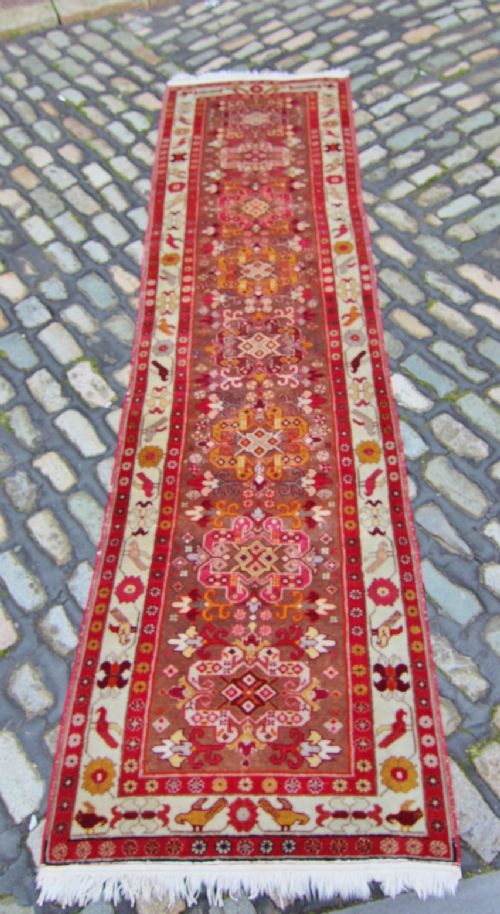
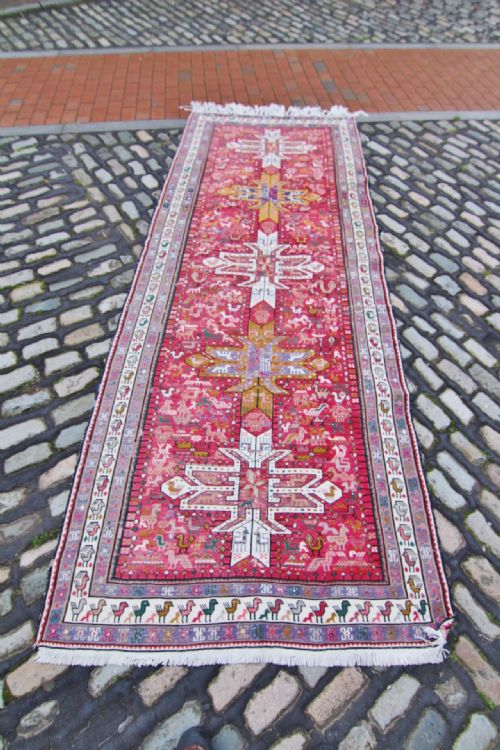
- A long, narrow carpet format designed specifically for hallways, corridors, and staircases. They typically display repeating geometric or medallion field designs.
- Warp
- The vertical threads stretched tightly on the loom that form the structural foundation of the rug. Weft threads pass horizontally between them to secure the knots.
Oriental Patterned Rug: Frequently Asked Questions
How do I identify a tribal rug?
Tribal rugs often display geometric patterns, asymmetric layouts, and earthy palettes rooted in the traditions of specific nomadic or village groups. Their designs reflect the personal heritage and local symbolism of the weavers.
Makers working within tribal communities relied on memory and transmitted patterns rather than formal cartoons, resulting in charming irregularities across the field.
Where should I place a runner rug?
Runners suit narrow spaces such as hallways, entryways, and galleys where length matters more than width. Their dimensions help protect high-traffic wooden floors while adding warmth to transitional zones.
Ensure you measure the clear floor space carefully, allowing a balanced border of exposed flooring around the edges of the textile.
Are these rugs made with natural dyes?
Many pieces from the nineteenth and early twentieth centuries incorporate natural dyes derived from plants, roots, and insects. These colourants yield complex, harmonious tones that mellow gracefully over time.
Subtle tonal shifts within a single colour field often indicate the use of natural dye baths prepared in small batches.
How do I care for an antique wool rug?
Regular gentle vacuuming without a rotating brush roll helps remove embedded dust from the wool pile. Professional cleaning suited to antique textiles preserves the integrity of the natural fibres.
Using an appropriate underlay prevents slipping and cushions the foundation threads against hard flooring surfaces.