




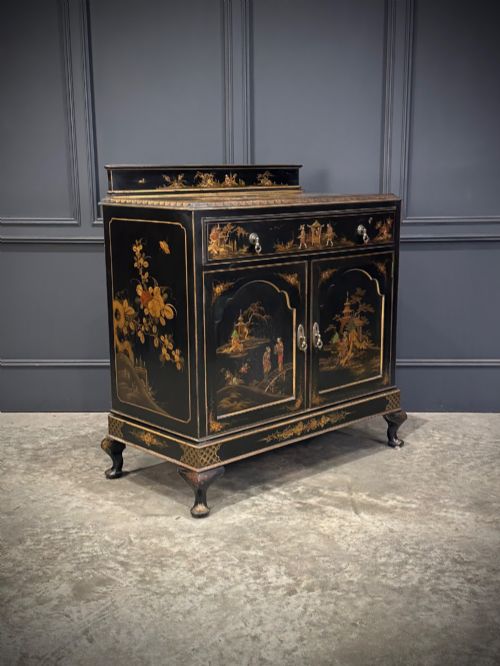
Oriental Painted Furniture
Oriental painted furniture brings together lacquer, gilt, and vibrant pigments on cabinets, tables, and chests that span the nineteenth and early twentieth centuries.
Oriental Painted Furniture
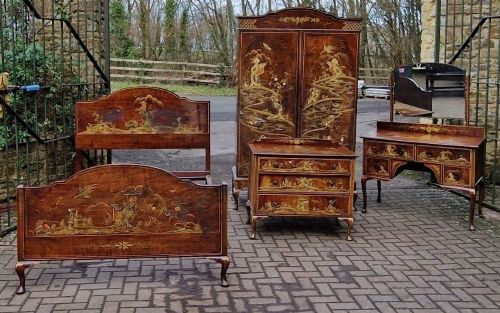
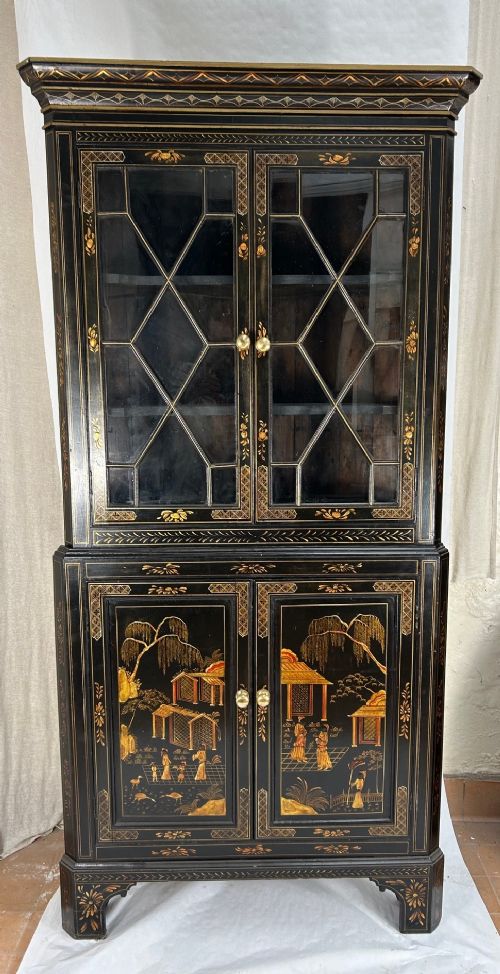
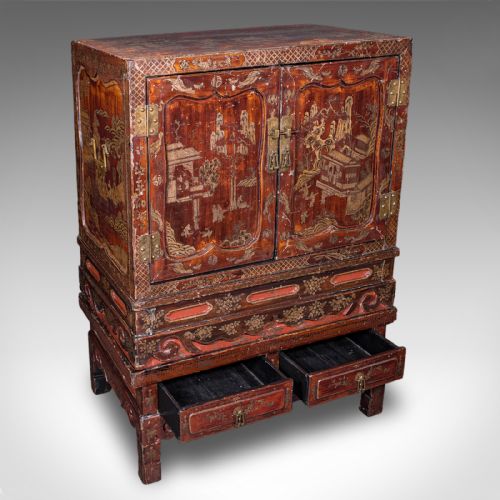
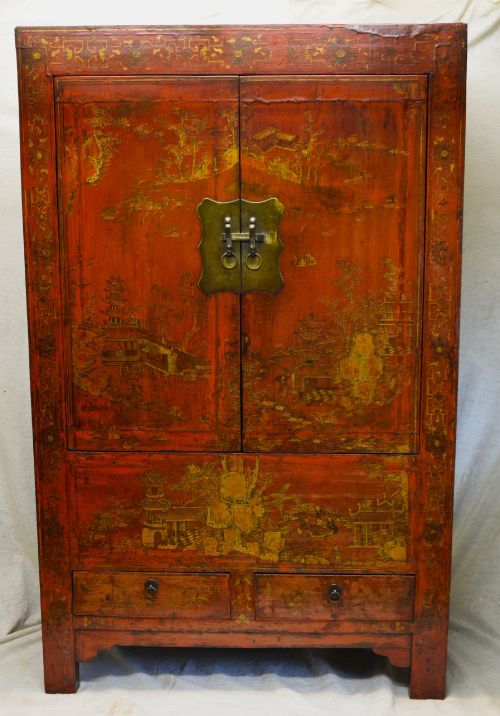
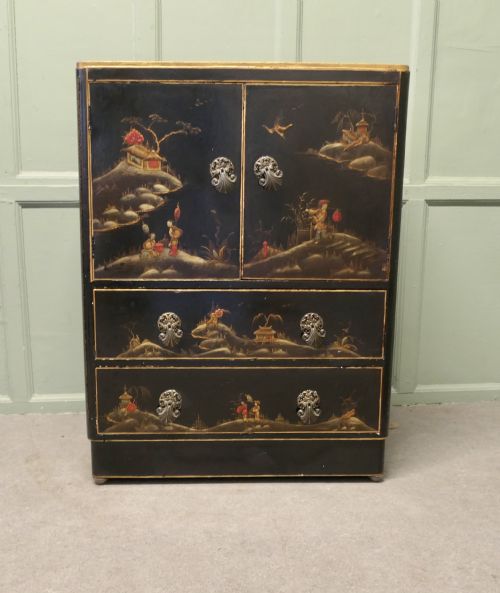
Oriental painted furniture encompasses a diverse selection of cabinets, side tables, corner cupboards, and occasional tables originating from various periods including the nineteenth century and the early decades of the twentieth century.
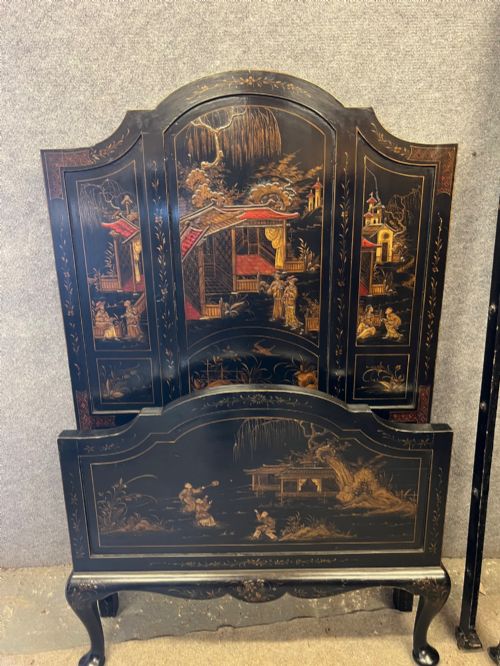
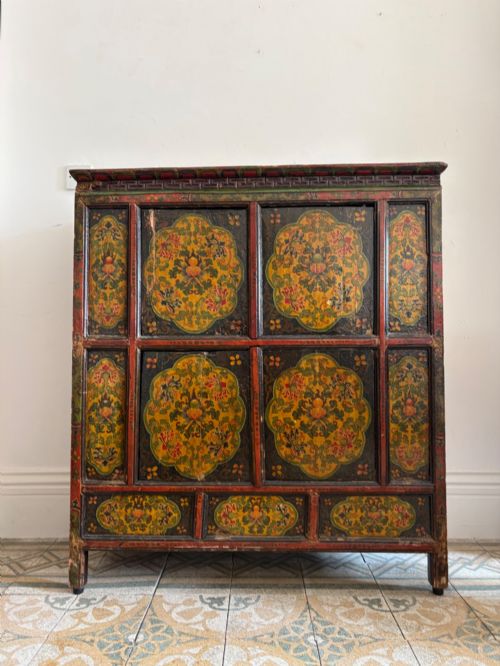
Buyers encounter distinct regional styles such as Chinoiserie, Chinese provincial, Tibetan, and Korean Joseon pieces, alongside English interpretations of Asian decorative arts.
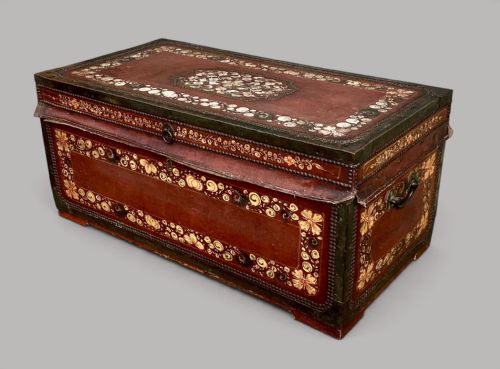
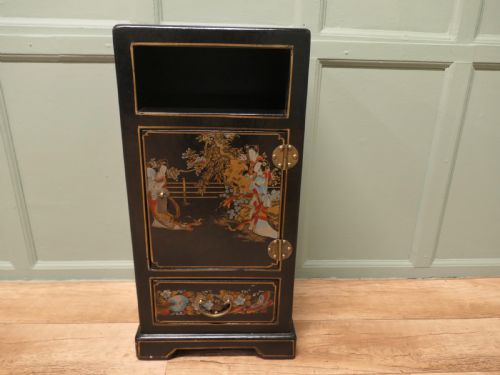
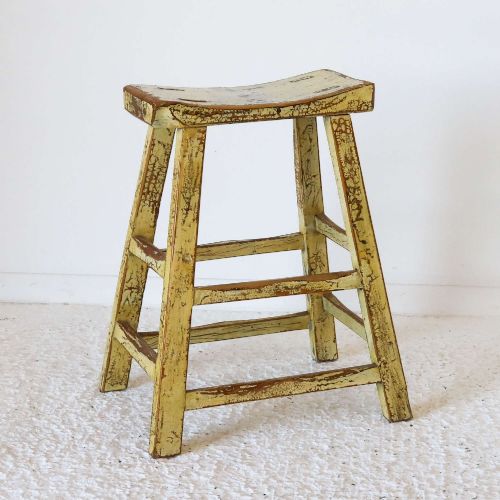
Forms range from large wedding cabinets and altar tables to compact stools, nests of tables, and specialised cocktail cabinets.
How they were made
Makers utilised woods such as elm, walnut, and camphor wood as a foundation, frequently applying layers of lacquer and paint to create smooth or textured surfaces.
Decoration often involved intricate hand painting, gilt, gold leaf, and occasionally brass mounts or cloisonne elements to accentuate the panels and borders.
Oriental Painted Furniture Retail Price Guide 2026
Typical asking prices for oriental painted furniture among the pieces listed under this phrase on Sellingantiques today, from the lower quarter to the upper quarter. They describe what is for sale here now, not the wider market.
Listings feature items spanning the nineteenth century, the Edwardian era, and the nineteen-twenties, incorporating materials such as lacquer, elm, brass, and gilt.
What varies in quality
The degree of refinement in the hand-painted decoration and the depth of the lacquer finish distinguish finer examples from simpler provincial work.
The integrity of the original timber structure and the preservation of the original surface finish dictate the standing of a piece within its period.
The Oriental Painted Furniture Glossary
- Chinoiserie
- European decorative style reflecting Chinese artistic influences, commonly applied to furniture through lacquer and paint. It emerged strongly during earlier centuries and saw revivals in Victorian and Edwardian Britain.
- Lacquer
- A durable resin finish applied in multiple layers to wood surfaces, providing a glossy or satin sheen. It often serves as the base for painted and gilded ornamentation.
- Japanned
- A European imitation of East Asian lacquerwork, popular in British furniture decoration during the nineteenth and early twentieth centuries. It typically involves dark varnishes and raised metallic motifs.
- Altar table
- A traditional Chinese long table form, characterised by upturned ends or recessed legs, adapted for domestic use as a side or console table.
Oriental Painted Furniture: Frequently Asked Questions
How do I identify a Chinoiserie piece?
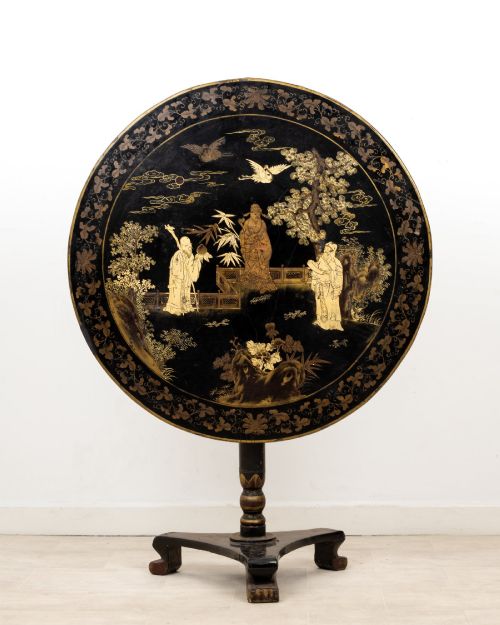
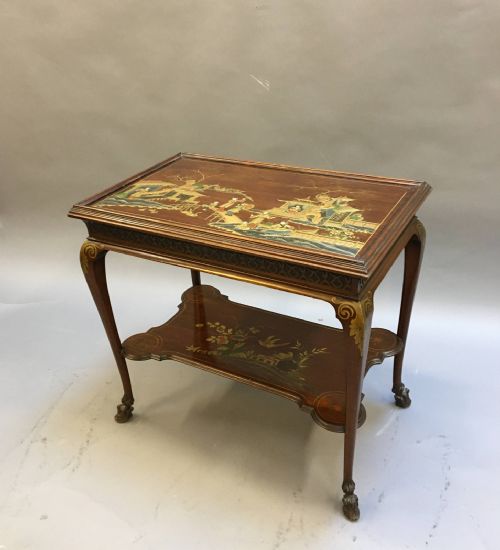
Chinoiserie pieces display European interpretations of Asian motifs, often featuring black or red lacquer grounds decorated with figures, pagodas, birds, and floral scenes in gold or coloured paint.
These items date predominantly from the nineteenth and early twentieth centuries, reflecting a sustained fascination with Eastern design traditions within British and continental interiors.
Where were these cabinets used?
Cabinets, side cupboards, and corner units served as practical storage solutions in reception rooms, bedrooms, and hallways while introducing strong decorative colour to the interior.
Smaller forms like occasional tables and stools provided versatile surfaces that could be moved easily around domestic living spaces.
Are these pieces made of solid wood?
Construction typically relies on timbers such as elm, walnut, or camphor wood, chosen for stability beneath the heavy layers of lacquer and paint required by the decorative technique.
Some export pieces and later adaptations incorporated secondary woods or specialised framing to support panels and hardware.
How do I care for lacquered surfaces?
Lacquered and painted furniture requires protection from direct sunlight and excessive humidity to prevent the finish from drying, cracking, or fading over time.
Dusting with a soft, dry cloth is sufficient for routine maintenance, avoiding harsh chemical cleaners that can damage the historical surface layer.