



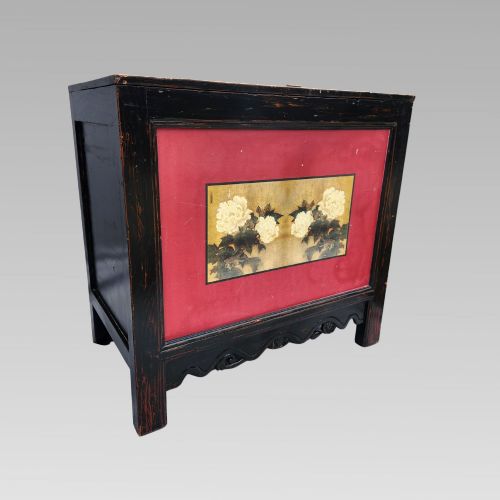

Oriental Painted Chest
These oriental painted chest examples combine pigment, lacquer and timber, offering practical storage with striking surfaces for the home.
Oriental Painted Chest
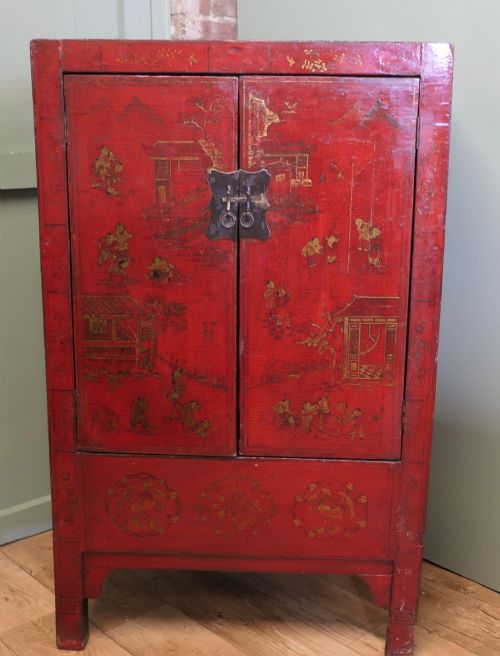
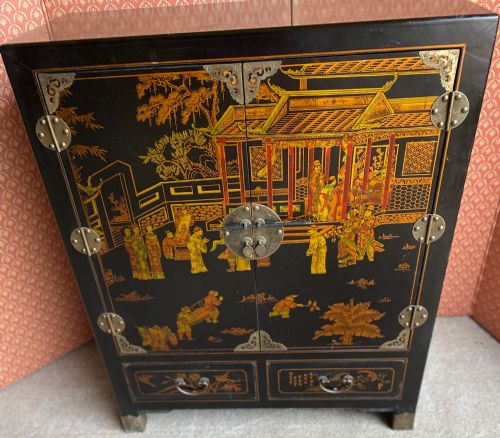
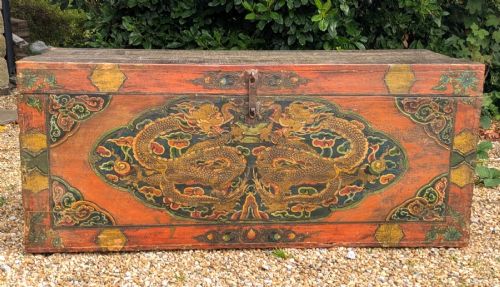
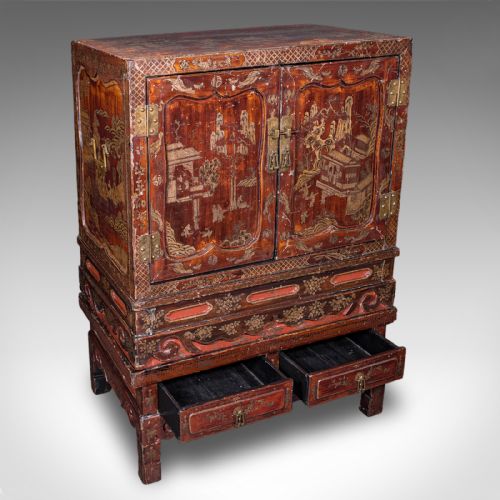
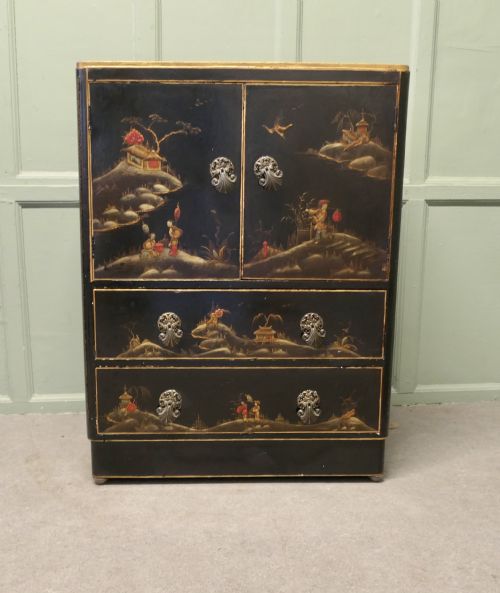
An oriental painted chest serves as a practical storage container while bringing decorative hand-painted scenes into a room. Buyers seeking this style will encounter numerous Chinese export pieces alongside Tibetan and Edwardian interpretations.
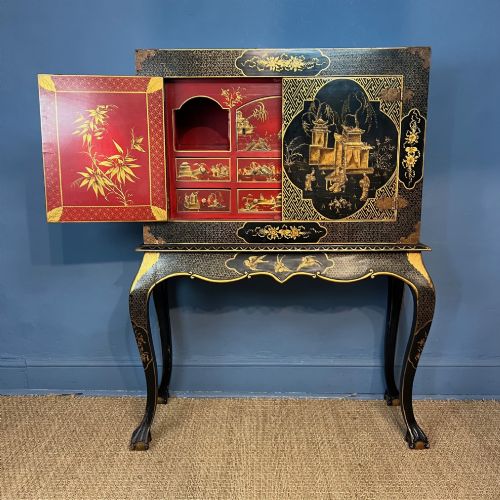
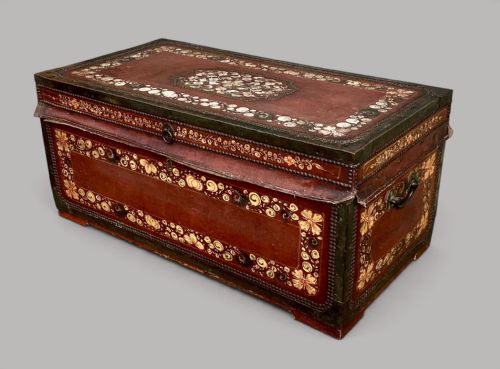
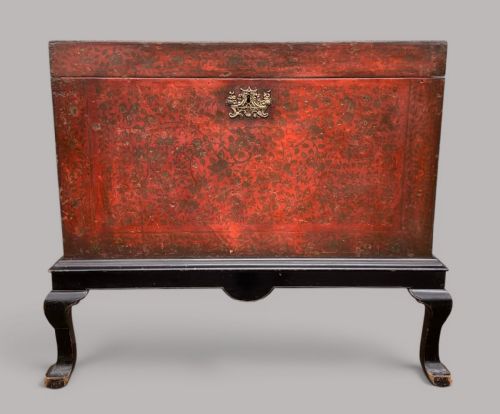
The selection ranges from large leather and camphor wood trunks to wedding cabinets and compact storage boxes. Many examples sit upon stands or feature fitted interior drawers for travelling.
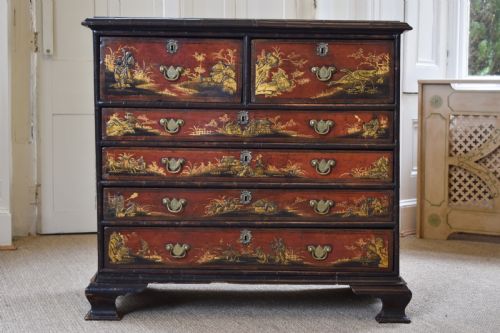
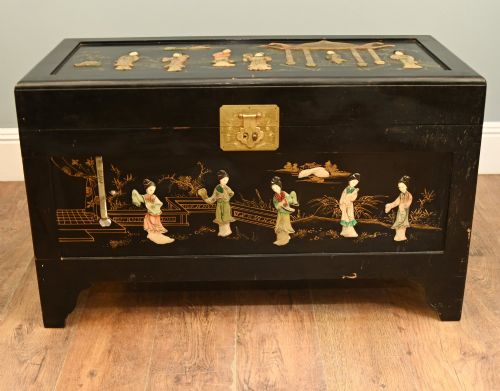
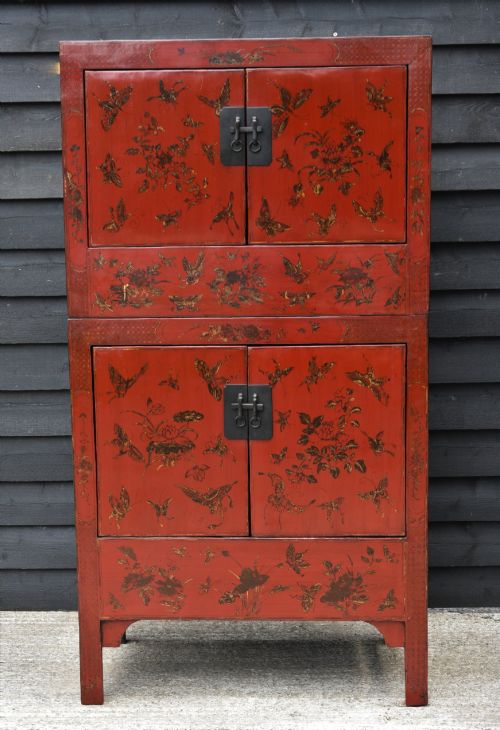
Makers utilised wood, lacquer and pigment to create distinct visual focal points. These pieces often display floral decoration or figurative motifs upon black or red grounds.
How they were made
Craftsmen built these trunks and cabinets using timber such as camphor wood and walnut, applying protective layers of lacquer or leather. Metal elements like brass mounts and iron fittings provided structural reinforcement for travelling cases.
Surface decoration relied upon skilled pigment application and gilding to render intricate floral or bird motifs. Artisans finished these pieces in black or red lacquer, often building up multiple coats for depth.
Oriental Painted Chest Retail Price Guide 2026
Typical asking prices for oriental painted chest among the pieces listed under this phrase on Sellingantiques today, from the lower quarter to the upper quarter. They describe what is for sale here now, not the wider market.
Listings feature periods spanning the Victorian era, Edwardian period, and early 20th century up to the 1930s.
What varies in quality
The finesse of the hand-painted decoration determines the visual appeal of an oriental painted chest, separating simple decorative items from finer works. Preservation of the original lacquer and pigment surface remains central to the character of each piece.
Construction details such as dovetailed joints, integrated brass hardware and sturdy timber carcasses indicate superior workshop standards. Pieces retaining their original stands or fitted interiors command stronger interest from collectors.
Harrods
The Oriental Painted Chest Glossary
- Camphor wood
- Aromatic timber frequently utilised for export trunks and chests due to its insect-repellent properties. It provides a durable, stable carcass for heavy painted finishes.
- Lacquer
- Protective and decorative finish applied in multiple layers from natural tree sap and polished to a hard sheen. It forms the smooth ground for painted and gilt ornamentation.
- Coffer
- A large box or chest used for safekeeping valuables, often fitted with a hinged lid. In eastern export pieces, these frequently double as wedding or storage chests.
- China Trade
- Goods manufactured in China specifically for export to Western markets during the eighteenth and nineteenth centuries. These items combine Eastern construction with motifs suited to European tastes.
Oriental Painted Chest: Frequently Asked Questions
What is an oriental painted chest used for?
These pieces serve primarily as functional storage containers for household items, linen or personal belongings. Their decorative painted surfaces also allow them to function as focal points in living spaces or bedrooms.
Many examples include internal compartments or drawers originally intended for travel or specialised storage. Today, they integrate easily into modern interiors as coffee tables, side cabinets or statement trunks.
How do I care for antique lacquer?
Keep painted and lacquered surfaces away from direct sunlight and steady sources of heat to prevent cracking or fading. Dust gently with a soft, dry cloth without applying modern chemical polishes.
Maintaining a stable room temperature helps preserve the integrity of the timber and the delicate pigment layers. Professional conservation is recommended for any structural repairs or surface consolidation.
How do I distinguish Chinese Export from Tibetan pieces?
Chinese Export items frequently utilise camphor wood and feature refined black or red lacquer with gilt motifs tailored for Western trade. They often include brass hardware and formal decorative arrangements.
Tibetan pieces tend to display bolder, earthier pigments and hand-painted floral decoration on native timber carcasses. Their construction reflects regional domestic traditions rather than international trade requirements.
What periods do these chests come from?
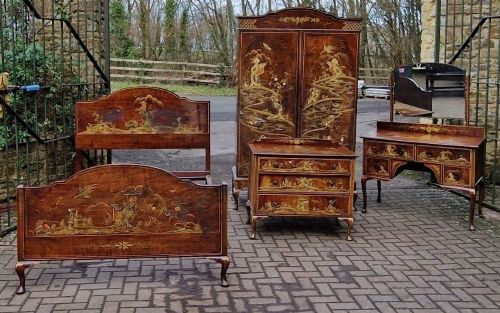
The available selection spans the nineteenth century through to the early twentieth century, including Victorian and Edwardian examples. Pieces range from mid-nineteenth-century trade trunks to 1920s Chinoiserie bedroom suites.
Earlier nineteenth-century items often show utilitarian campaign origins, while later twentieth-century pieces lean towards decorative domestic utility.