




Oriental Metalwork Ornament
An oriental metalwork ornament brings together centuries of foundry skill and decorative art, capturing animals and scholars in bronze, brass, and copper.
Oriental Metalwork Ornament
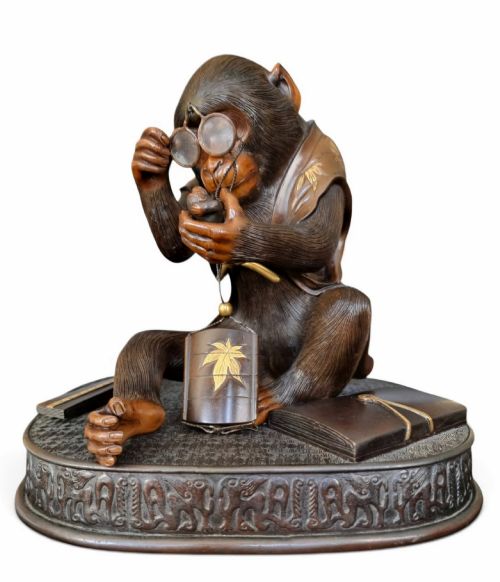
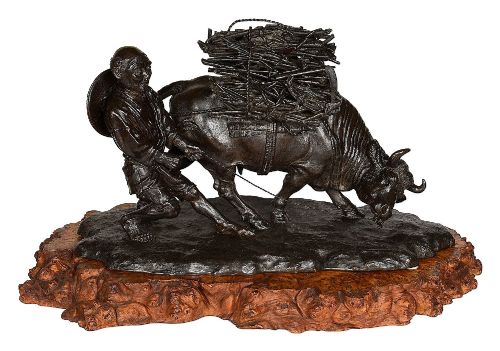
When you examine an oriental metalwork ornament, you encounter cast and chased sculptures, vases, and figures originating from Japanese and Chinese workshops. The listings here comprise 19th-century and early 20th-century works, spanning the Meiji period and the late Qing dynasty.
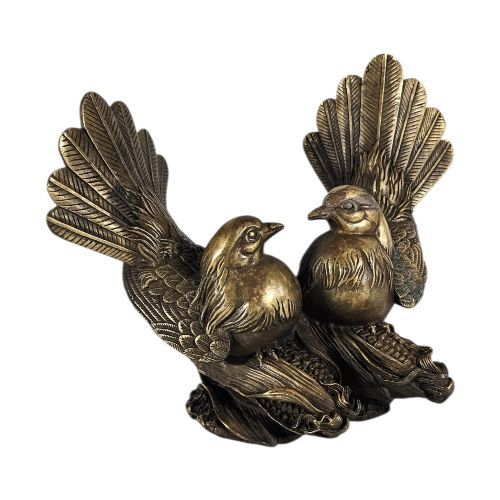
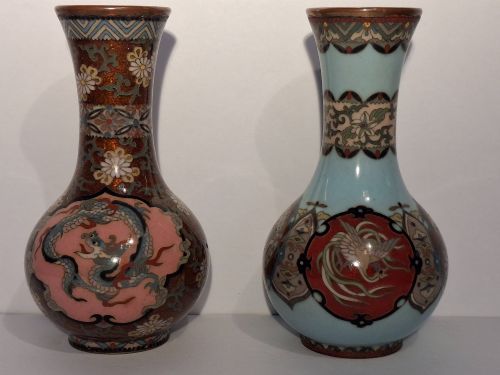
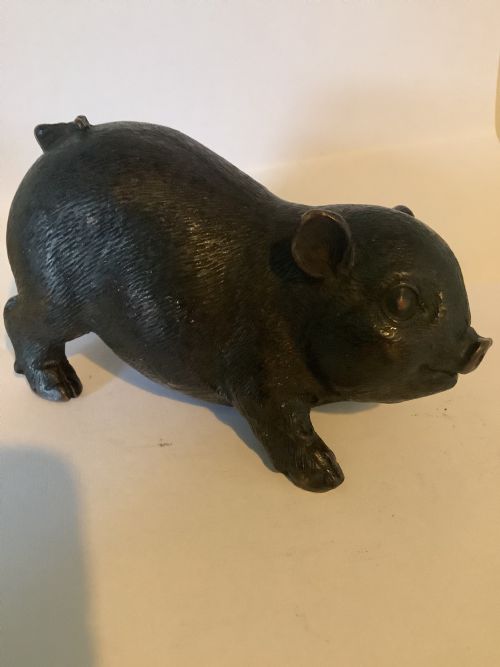
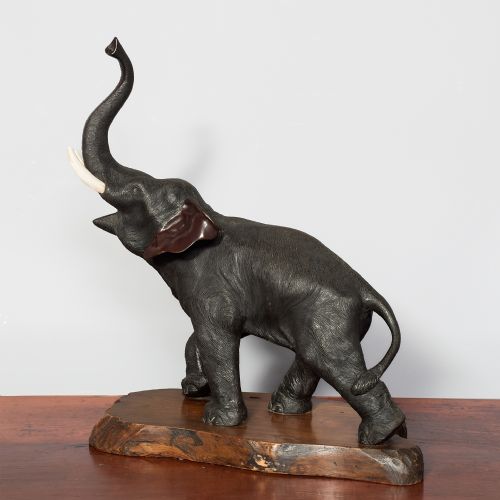
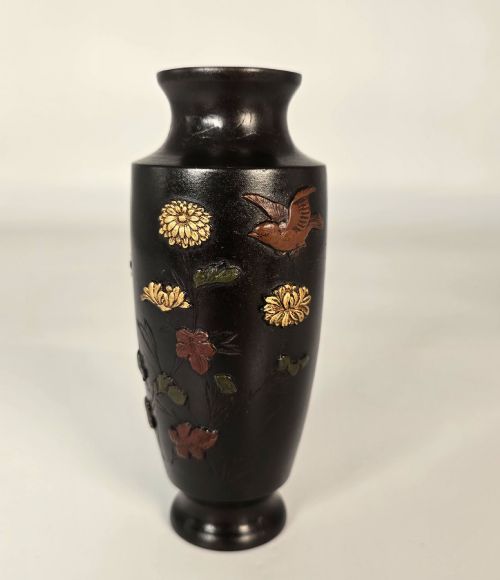
The most common forms on this page include animal figures such as elephants, birds, and dogs, alongside traditional vases and okimono. These objects reflect both decorative domestic arts and larger sculptural garden pieces.
How oriental metalwork ornament pieces were made
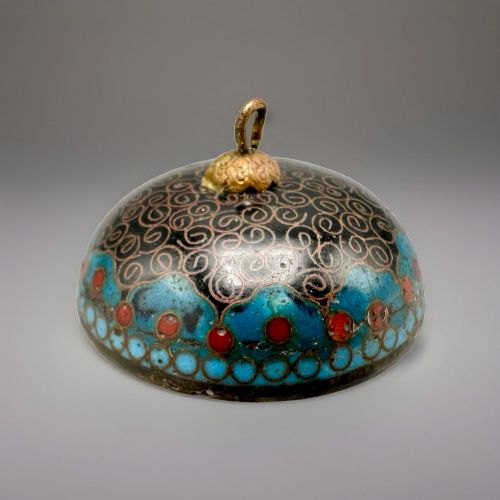
Cloisonné enamel pieces involve soldering fine wire compartments onto a metal base before filling them with vitreous paste and firing. Ivory or diamond insertions occasionally appear on select Meiji figures to add contrast.
Oriental Metalwork Ornament Retail Price Guide 2026
Typical asking prices for oriental metalwork ornament among the pieces listed under this phrase on Sellingantiques today, from the lower quarter to the upper quarter. They describe what is for sale here now, not the wider market.
Among the menagerie of bronze animals, a watchful French bulldog stands shoulder to shoulder with a rat clutching a chestnut.
What varies in quality
Quality in these pieces rests upon the crispness of the chasing and the sophistication of the casting. Superior examples display fine anatomical detail in animal subjects and secure, flush metal inlay rather than superficial surface engraving.
The weight and balance of the cast metal, alongside the depth and stability of the patina, distinguish masterwork okimono and vases from standard commercial production.
Jomi Eisuke
The Oriental Metalwork Ornament Glossary
- Meiji Period
- The era of Japanese history spanning from 1868 to 1912, noted for a surge in accomplished metalwork destined for export. Works from this time often exhibit naturalistic animal studies and intricate patination.
- Okimono
- A Japanese term for a small decorative statue or ornament placed upon a display shelf or in a tokonoma alcove. These figures frequently depict animals, scholars, or everyday scenes.
- Shakudo
- A Japanese billow alloy of copper and a small percentage of gold that turns a dark blue-black colour when treated with chemical pickling. It provides a rich ground for contrasting gold and silver inlays.
- Cloisonné
- A technique where enamel is applied to compartments created by soldering flat metal wire onto a metallic body. The piece is then fired and polished smooth.
Oriental Metalwork Ornament: Frequently Asked Questions
What are these metal ornaments made from?
These items are principally constructed from bronze, brass, and copper, often enriched with mixed metals, cloisonné enamel, or gold inlay.
Makers also incorporated secondary elements such as ivory or patinated finishes to highlight specific anatomical details.
How do I date a Japanese bronze figure?
Dating relies heavily on stylistic markers associated with the Meiji period and late 19th-century manufacturing techniques.
Inspect the casting method, the depth of the patina, and any signature or workshop mark stamped into the metal base.
Where were these metal objects displayed originally?
Smaller okimono and vases were designed for interior display cabinets, tabletops, and scholar's desks in traditional settings.
Larger sculptures, such as bridges and heavy animal figures, were intended for courtyards and traditional garden landscapes.
What is the difference between an okimono and a vase?
An okimono is a solid or hollow sculptural figurine depicting animals, figures, or mythical subjects meant purely for display.
A vase is a hollow vessel designed to hold floral arrangements or to stand alone as a decorative architectural element.