




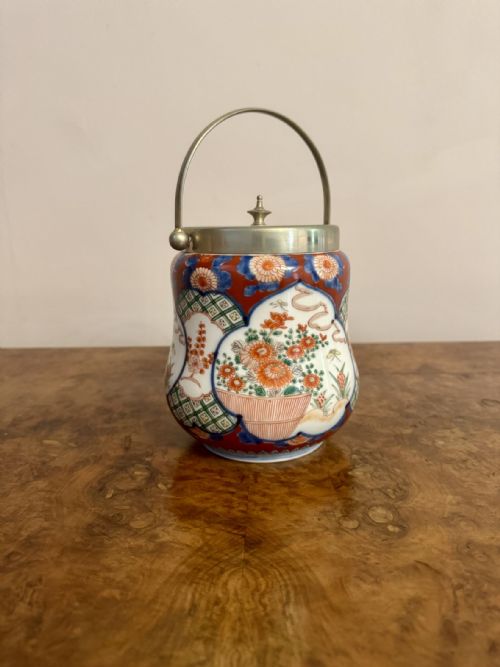
Oriental Lidded Jar
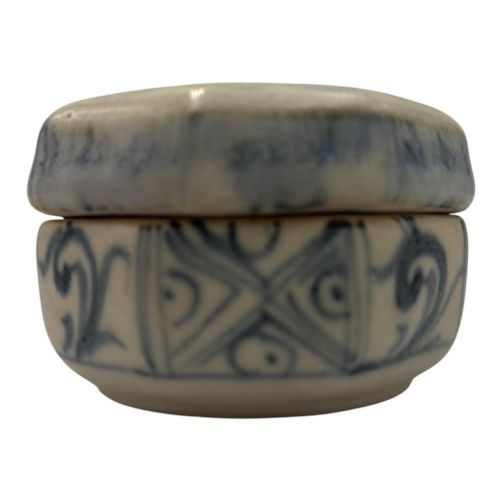
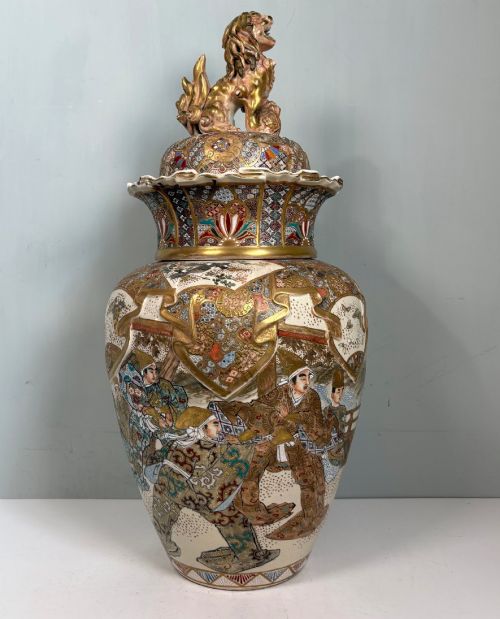
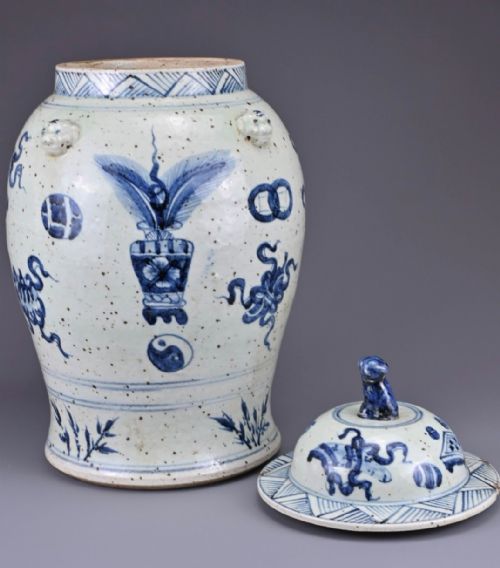
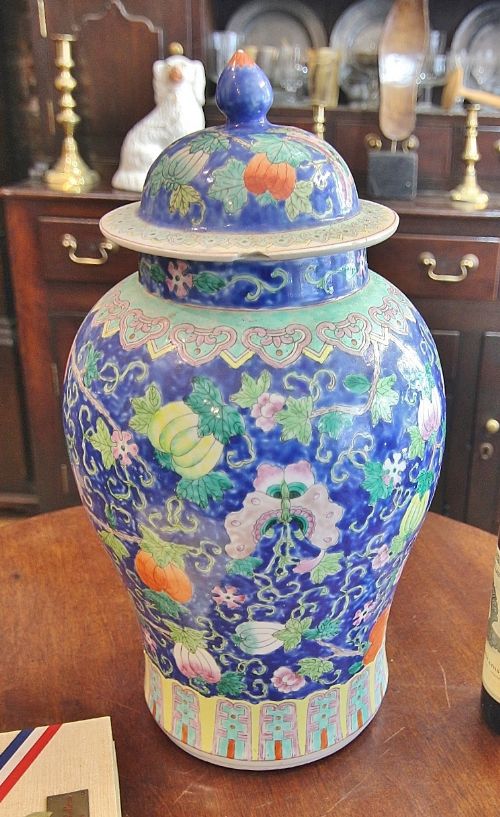
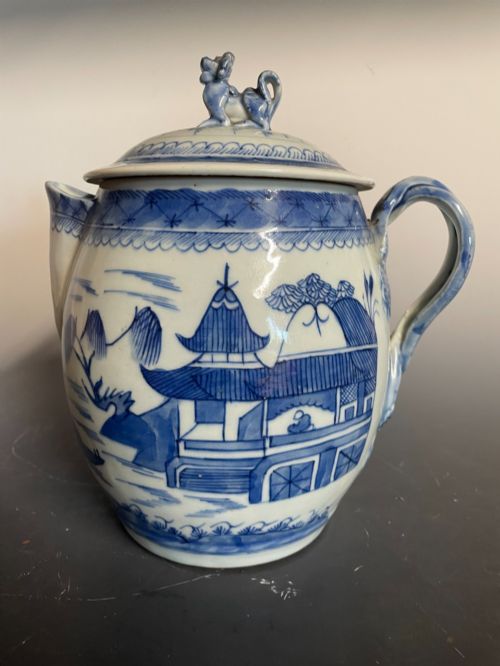
When you search for an oriental lidded jar, you step into centuries of ceramic artistry spanning Chinese and Japanese kilns.
Oriental Lidded Jar
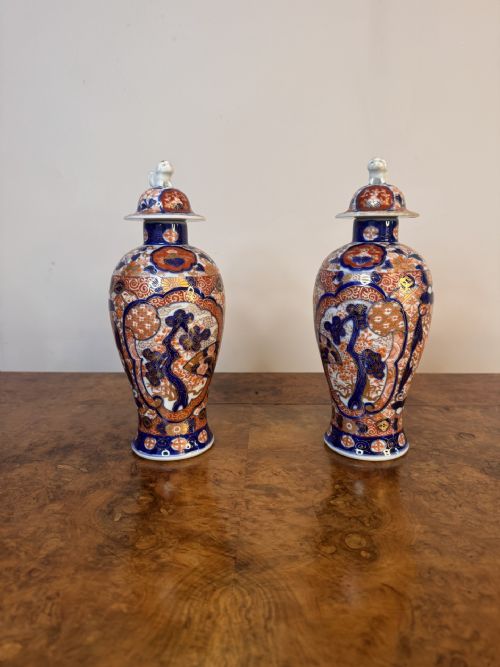
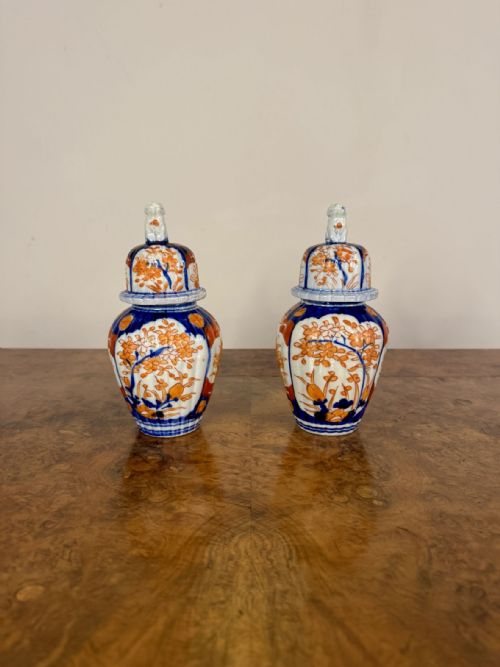
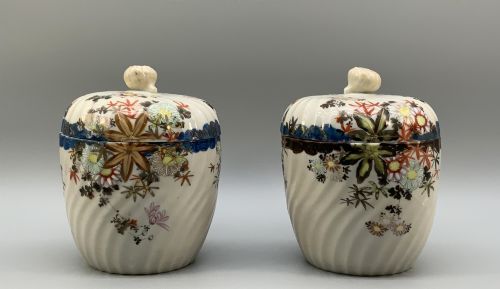
An oriental lidded jar serves as a container or display piece, taking forms such as ginger jars, baluster vases, and covered boxes. These vessels originate from diverse periods including the 16th century, the Edo period, and the 19th century.
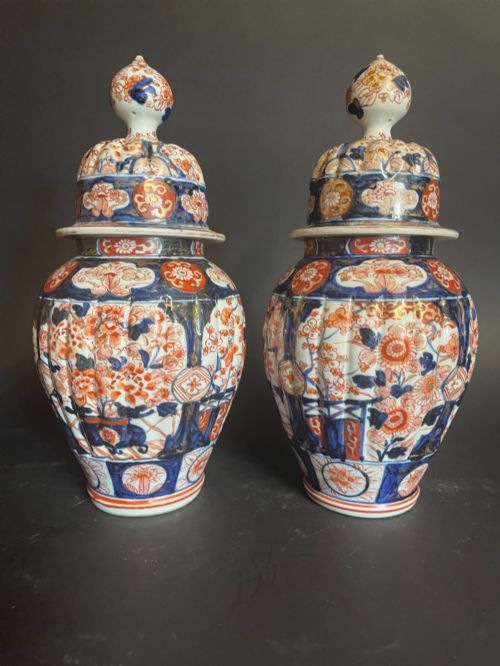
The pieces on this page lean heavily towards Japanese Imari and Chinese blue and white ceramics. Buyers frequently encounter nineteenth-century examples alongside earlier wares from the Qing Dynasty.
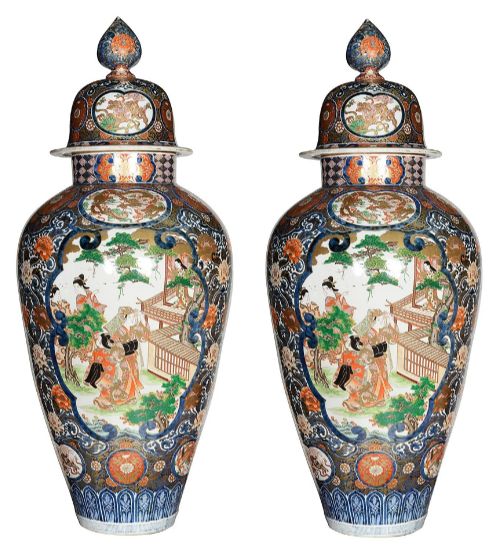
Forms range from compact tea caddies to monumental floor vases with matching covers. Each vessel reflects the distinct aesthetic priorities of its kiln of origin, whether Chinese export or Japanese Arita.
How they were made
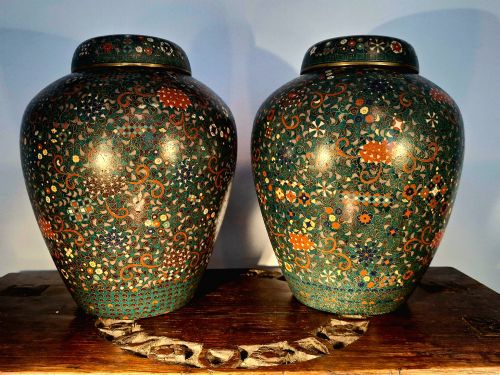
Potters shaped these vessels from porcelain, earthenware, or pottery, applying cobalt underglaze, enamel, or glaze before firing. Artisans then added surface detail using gold leaf, gilding, or bronze wire for cloisonné work.
Metal components like brass and copper appear on specific forms such as incense burners and lidded koro. Hand-painting remains the primary method for decorating porcelain bodies with floral, figural, and geometric motifs.
Oriental Lidded Jar Retail Price Guide 2026
Typical asking prices for oriental lidded jar among the pieces listed under this phrase on Sellingantiques today, from the lower quarter to the upper quarter. They describe what is for sale here now, not the wider market.
Some ginger jars were apparently so robust that sailors used them as ballast before unloading them for tea.
What varies in quality
Brushwork precision and glaze consistency separate ordinary production pieces from masterworks. The control of the kiln temperature directly affects the clarity of the blue and white underglaze or the vibrancy of the Imari palette.
The weight of the porcelain body and the crispness of the moulding dictate the overall standard of a vessel. Potteries with established reputations demonstrate superior execution in the symmetry of the lid and the balance of the painted composition.
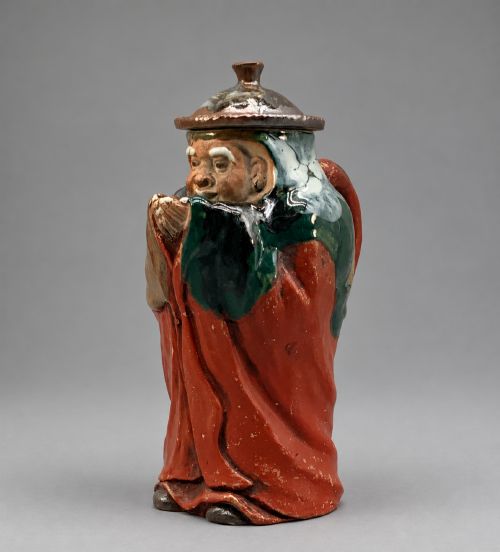
Shozan·Samson
The Oriental Lidded Jar Glossary
- Imari
- A style of Japanese export porcelain decorated in underglaze blue, iron red, and gold. It originates from the town of Arita and became popular in European households during the seventeenth and eighteenth centuries.
- Cloisonne
- A metalwork technique where enamel paste fills compartments wired to a base of copper or brass. The piece undergoes firing and polishing to create a smooth surface of coloured mosaic patterns.
- Ginger jar
- A broad-shouldered ceramic vessel with a domed lid, originally used for transporting spices and salt. Later examples function primarily as decorative mantel or table ornaments.
- Doucai
- A Chinese porcelain technique combining underglaze blue outlines with overglaze enamel infill. Artisans apply this method predominantly during the Ming and Qing dynasties.
- Kamcheng
- A type of covered container produced in Chinese kilns for export to Southeast Asia. These jars typically feature polychrome enamel decoration and serve utilitarian or ceremonial functions.
Oriental Lidded Jar: Frequently Asked Questions
What is an oriental lidded jar used for?
These vessels originally stored dry goods, spices, or tea leaves in domestic and commercial settings. Over time, they transitioned into decorative display objects for mantelpieces and side tables.
Larger versions stand alone as focal points in a room, while smaller covered pots house trinkets or serve as tea caddies.
How do I date a Japanese Imari jar?
Dating relies on examining the clay body, the thickness of the glaze, and the depth of the underglaze blue. Earlier pieces from the Edo period often show heavier potting and subtle variations in the iron red palette.
Nineteenth-century export pieces display brighter, more uniform colours and crisper hand-painted details. Comparing the potting technique to documented pieces from Arita kilns helps confirm the era.
Are these jars waterproof?
Most antique ceramic jars feature a vitreous porcelain body and glazed interior that holds water safely. However, some earthenware or cloisonne pieces suit dry display only to protect the interior construction.
Checking the interior glaze condition reveals whether a specific vessel can function as a flower vase.
How do I care for antique porcelain?
Dust the surface regularly with a soft, dry cloth to prevent grime buildup. Avoid using chemical cleaners or submerging pieces with delicate overglaze enamels or gold leaf.
Display the jars away from direct sunlight and areas prone to sudden temperature changes to protect the glaze.