



Oriental Lacquer Container
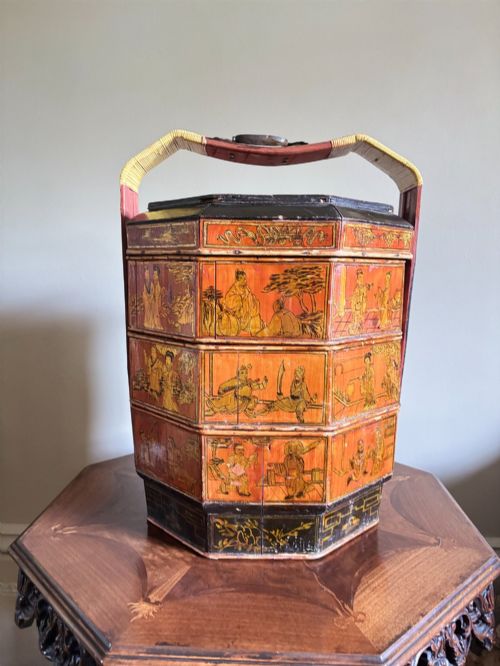
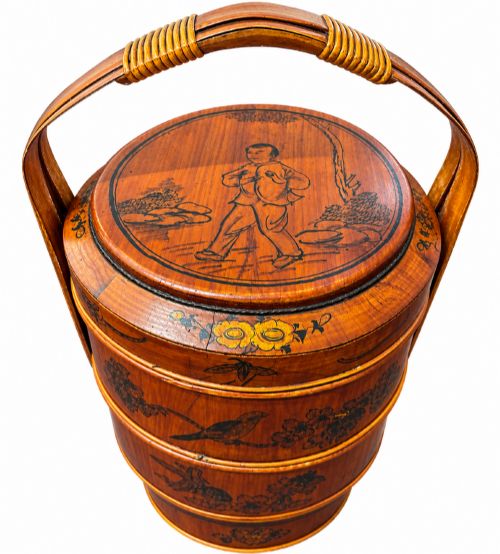
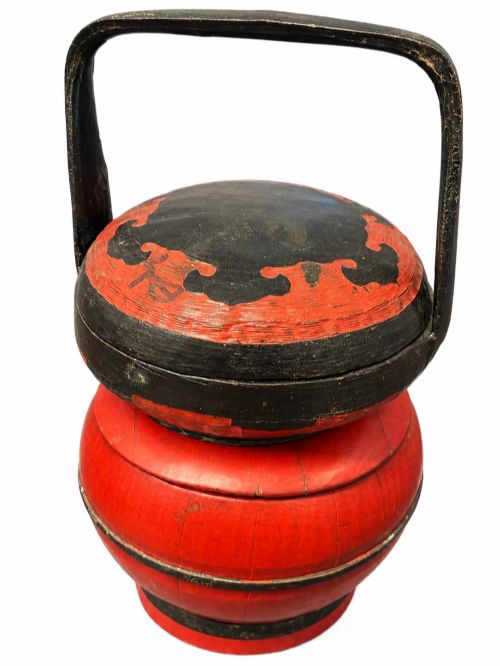
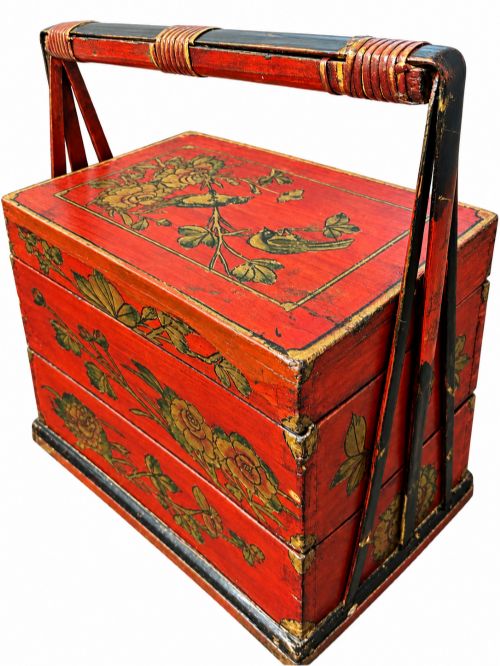
These oriental lacquer container pieces bring centuries of hand-finished craftsmanship into a room.
Oriental Lacquer Container
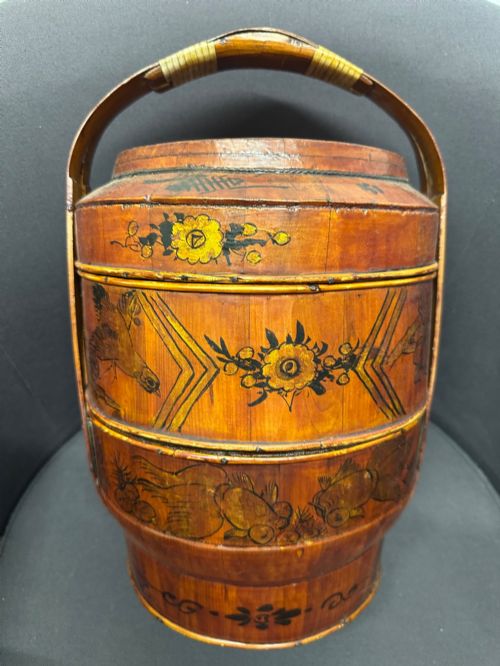
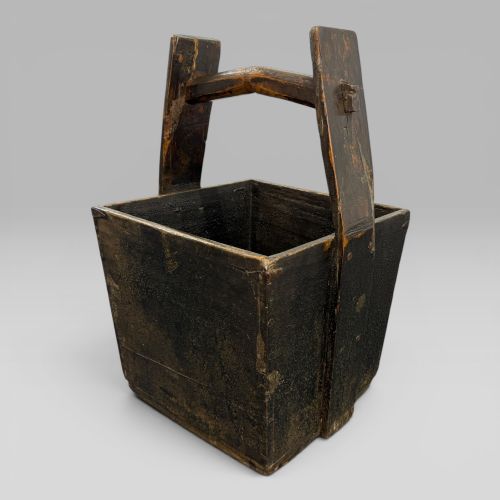
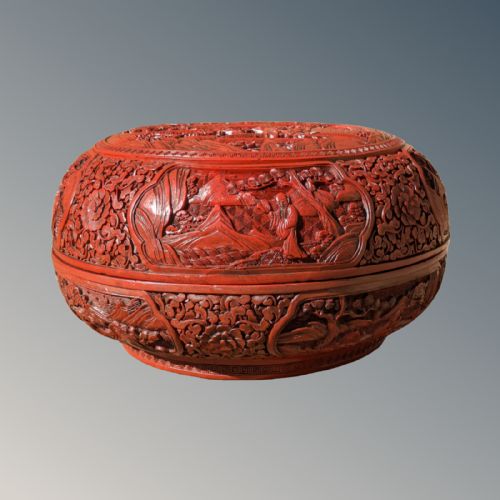
When you search for an oriental lacquer container, you meet lidded boxes, keepsake cases, tea caddies, and decorative pots spanning the eighteenth and nineteenth centuries. The selection includes Chinese cinnabar works, Japanese inro and spectacle cases, alongside Kashmiri and Regency Chinoiserie examples.
Most entries on this page date from the nineteenth century, often reflecting Victorian or Edwardian tastes alongside Qing Dynasty and Meiji period origins. Formats range from large harvest baskets and turban boxes down to small sharing boxes and graduated round pots.
How they were made
These items rely on traditional substrates like wood, elm, and papier-mache, built up with successive coats of lacquer. Artisans then embellish the surfaces using gold leaf, hand painting, and intricate carving.
Cinnabar pieces demonstrate deep layered carving into thick red lacquer, while Kashmiri and Chinoiserie containers utilise painted pigments on prepared bases. Silk linings and brass elements occasionally appear to finish the interiors and mounts.
Oriental Lacquer Container Retail Price Guide 2026
Typical asking prices for oriental lacquer container among the pieces listed under this phrase on Sellingantiques today, from the lower quarter to the upper quarter. They describe what is for sale here now, not the wider market.
One listed nineteenth-century Indian container served specifically to keep a gentleman's turban clean and secure.
What varies in quality
Quality rests upon the depth and precision of the carved or painted surface work, distinguishing high-relief cinnabar and delicate Meiji details from simpler applied decoration. The integrity of the underlying wood or papier-mache structure also dictates longevity.
The sophistication of the palette and the clarity of the regional motifs, whether Qing Dynasty, Edo, or Kashmiri traditional, separate standard utility wares from finer collector pieces.
The Oriental Lacquer Container Glossary
- Lacquer
- A durable finish derived from tree sap, applied in numerous coats to wood or papier-mache bases. It hardens into a smooth, protective shell that resists moisture.
- Cinnabar
- A red mineral form of mercury sulphide used to pigment thick layers of lacquer. Carvers cut deep patterns directly into this heavy red buildup.
- Inro
- A traditional Japanese multi-tiered case for carrying small objects, suspended from a sash. These compartments fit tightly together without hinges.
- Chinoiserie
- European decorative art reflecting Chinese artistic styles, prevalent during the Regency period. It employs painted or lacquered motifs of figures, landscapes, and pavilions.
- Turban box
- A large, specialised storage container designed to hold ceremonial headwear. These items often feature painted Kashmiri or Indian ornamentation.
Oriental Lacquer Container: Frequently Asked Questions
What were these containers used for originally?
These vessels held personal valuables, tea, documents, or garments depending on their specific form. Many served as portable storage for wealthy households.
Smaller items like spectacle cases and sharing boxes kept daily accessories safe and organised.
How do I care for antique lacquer?
Keep these items away from direct sunlight and extreme humidity changes to prevent the lacquer from drying or cracking. Dust them gently with a soft, dry cloth.
Avoid using liquid cleaners, polishes, or chemical solvents on the delicate surfaces.
How can I tell a Chinese piece from a Japanese one?
Chinese containers frequently utilise carved cinnabar or painted rice carrier forms associated with the Qing Dynasty. Japanese examples often display Meiji period signatures, inro structures, or fine lacquered spectacle cases.
Regional motifs and finishing techniques usually clarify the geographic origin.
What is Kashmiri craft in this context?
Kashmiri items feature distinctive painted designs on wood or papier-mache, reflecting traditional Indian craftsmanship. These pieces often take the form of graduated pots or turban boxes.
They offer a different aesthetic to East Asian lacquer through colourful, hand-painted surface patterns.