






Oriental Hardwood Vase Table
An oriental hardwood vase table provides a sturdy, decorative platform for displaying cherished vessels, bringing traditional craftsmanship directly into the home.
Oriental Hardwood Vase Table
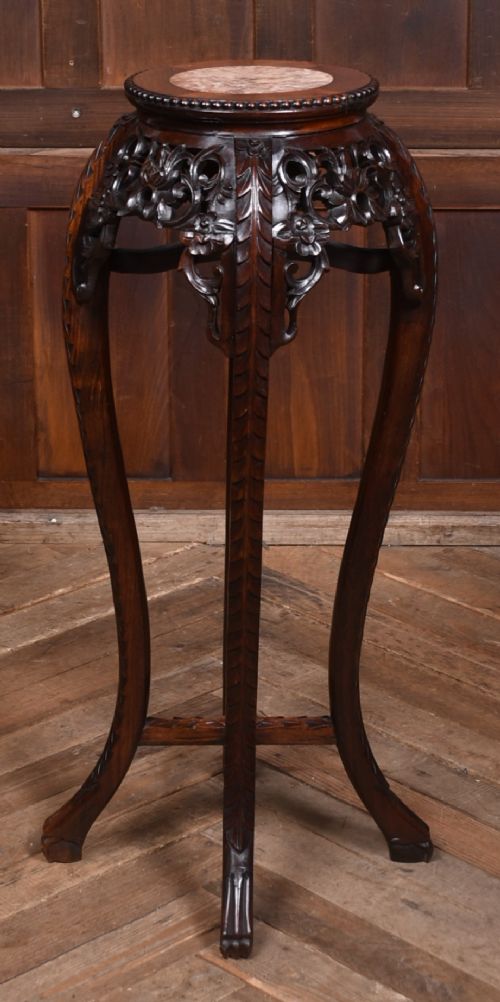
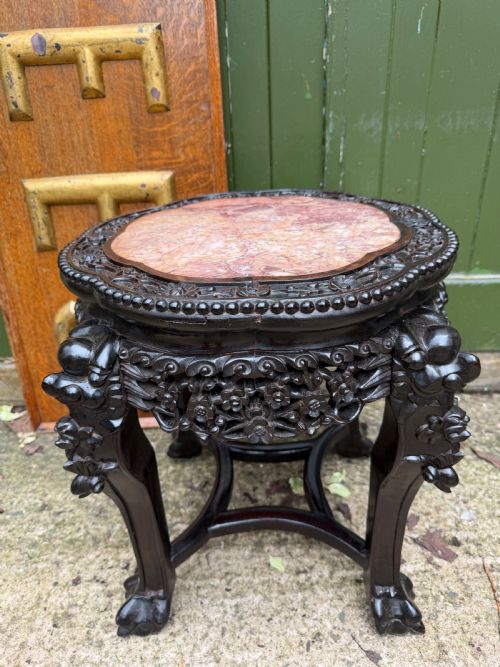
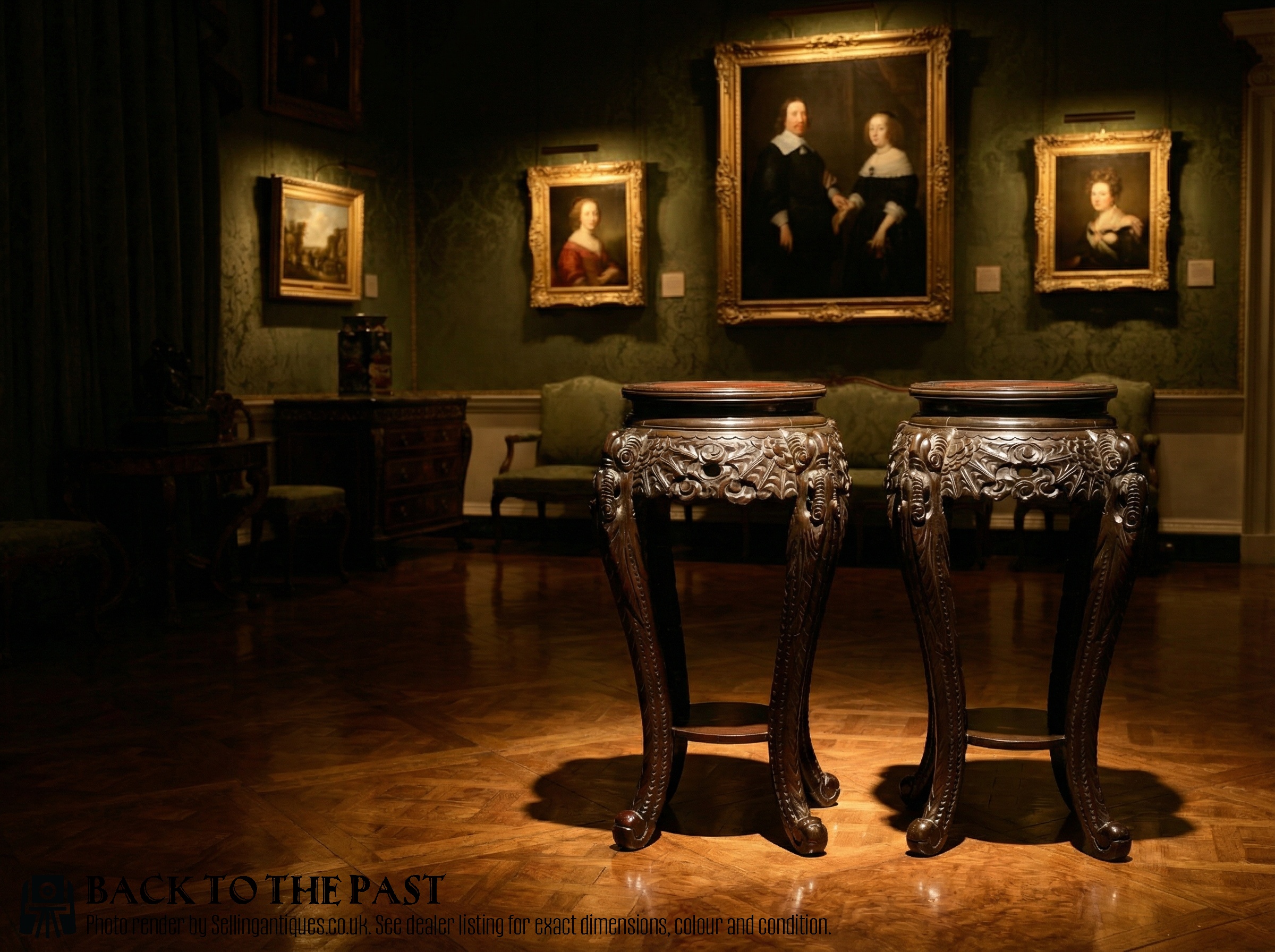
An oriental hardwood vase table is primarily found as a plant stand, jardiniere stand, or display stand originating from Chinese export and Qing Dynasty traditions. These compact tables are designed specifically to elevate items such as urns, lamps, and ceramic planters.
Most examples encountered on this page date from the nineteenth century through to the early twentieth century, spanning the Victorian and Edwardian eras. Forms range from low occasional tables to taller pedestals suited for domestic display.
Buyers look for these pieces to anchor a corner of a room or to showcase decorative objects at a comfortable viewing height. Their traditional construction and varied timber surfaces suit both period interiors and eclectic modern settings.
Materials and Construction
Makers utilised dense timbers such as rosewood, huali wood, hongmu, and mahogany, often complemented by ebonised wood and lacquer finishes. These heavy woods provided the structural integrity required to support weighty stone insets and ceramic vessels without warping.
Many tables incorporate inset variegated rouge marble tops held securely within a carved wooden frame. Woodcarving techniques define the styles, showing intricate detailing along the aprons, legs, and stretchers.
Oriental Hardwood Vase Table Retail Price Guide 2026
Typical asking prices for oriental hardwood vase table among the pieces listed under this phrase on Sellingantiques today, from the lower quarter to the upper quarter. They describe what is for sale here now, not the wider market.
Several stands double as wine and lamp tables, proving that Victorian households were entirely practical about repurposing exotic plant furniture.
Assessing Quality and Finish
Quality rests upon the crispness of the woodcarving and the selection of the timber. Finer examples display deeply undercut motifs and tight joinery that remains rigid over generations.
The integration of the marble top into the wooden frame indicates the maker's skill. Well-fitted stone without excessive movement or filler demonstrates superior craftsmanship compared to loose or poorly seated inserts.
The Oriental Hardwood Vase Table Glossary
- Jardiniere stand
- A tall, slender table designed to hold a ceramic pot or planter filled with plants or flowers. These stands place botanical displays at eye level.
- Hongmu
- A category of dense, dark tropical hardwoods prized by traditional Chinese furniture makers. The term translates directly to red wood.
- Huali wood
- A fragrant and highly figured hardwood associated with classical Chinese furniture. It offers distinctive grain patterns that take a fine polish.
- Qing Dynasty
- The final imperial dynasty of China, lasting from sixteen forty-four to nineteen twelve. Pieces from this era often feature elaborate carved decoration.
Oriental Hardwood Vase Table: Frequently Asked Questions
What is an oriental hardwood vase table used for?
These tables are designed to support heavy decorative items, including ceramic vases, urns, and jardiniere pots. They elevate plant displays or ornamental objects to enhance the proportions of a room.
Historically, they served a functional and decorative role in traditional interiors, ensuring precious vessels were safely displayed away from floor traffic.
How do I identify a Qing Dynasty stand?
Identification relies on observing traditional construction methods, dense timbers such as hongmu or huali, and characteristic carved motifs. Many pieces also feature inset marble tops.
Looking closely at the joinery and the depth of the woodcarving helps distinguish nineteenth-century examples from later reproductions.
Are these tables sturdy enough for heavy plants?
The dense hardwoods used in these tables provide substantial weight-bearing capacity. They were originally built to support heavy ceramic planters and stone urns.
Checking the stability of the joints and the secure placement of the top ensures the stand can safely hold contemporary display items.
How do I care for a marble top table?
Marble inserts require gentle cleaning with a damp cloth and mild soap to protect the polished surface. Avoid abrasive cleaners or acidic liquids that can etch the stone.
Treating the surrounding hardwood with appropriate wax maintains the timber's moisture and lustre over time.