

Oriental Hardwood Stands
Oriental hardwood stands elevate plants, vases and objects, bringing solid craftsmanship and rich timber grain to domestic interiors.
Oriental Hardwood Stands
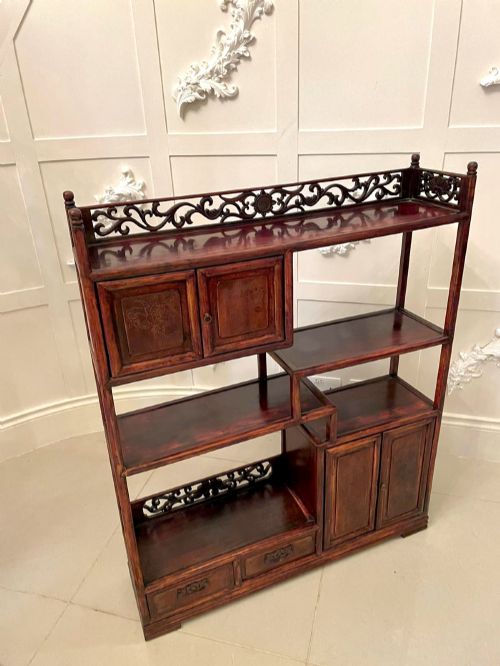
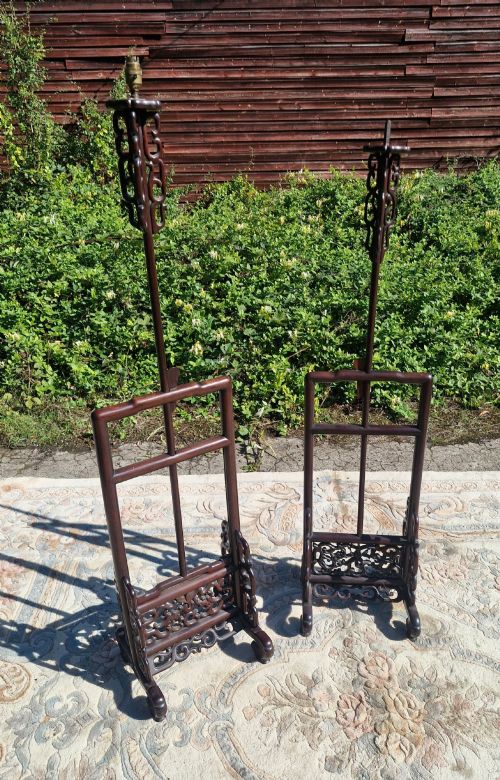
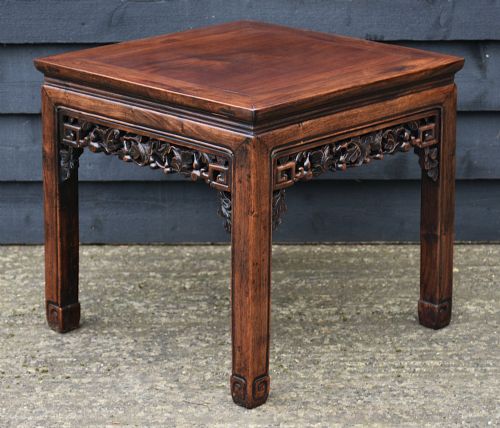
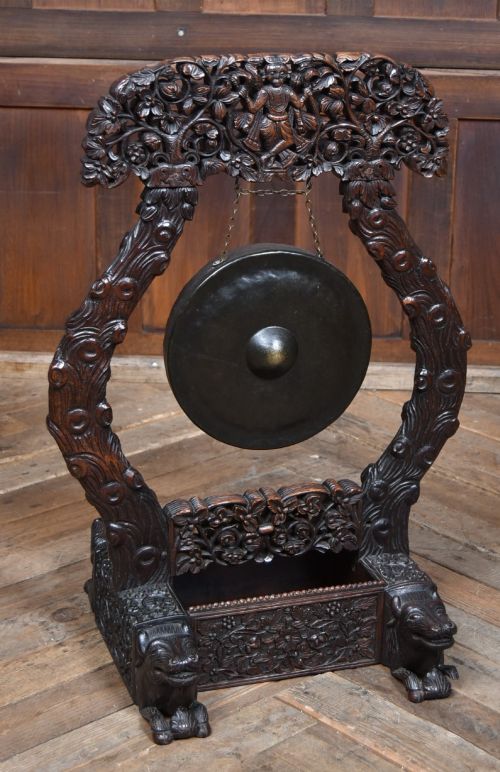
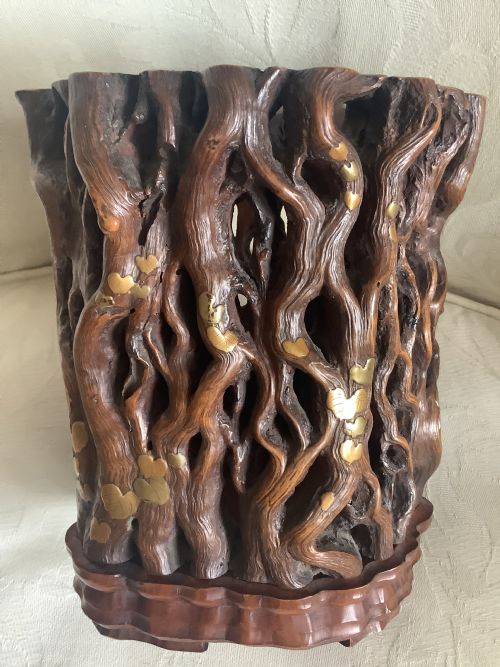
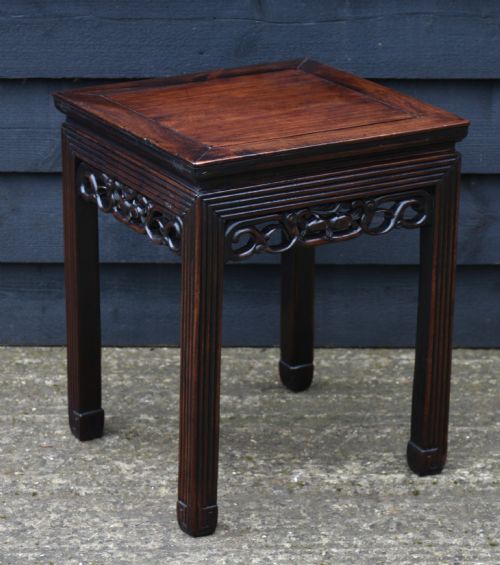
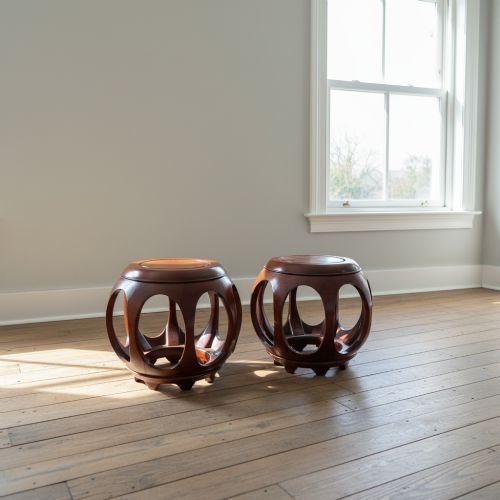
Oriental hardwood stands comprise a diverse group of furnishings designed to support decorative items such as porcelain vases, bronzes, and potted plants within the home. The selection spans low tables, pot stands, pedestal supports, and barrel stools created to lift treasured objects off the floor. Pieces range from simple geometric frames to deeply carved forms shaped during the nineteenth and early twentieth centuries.
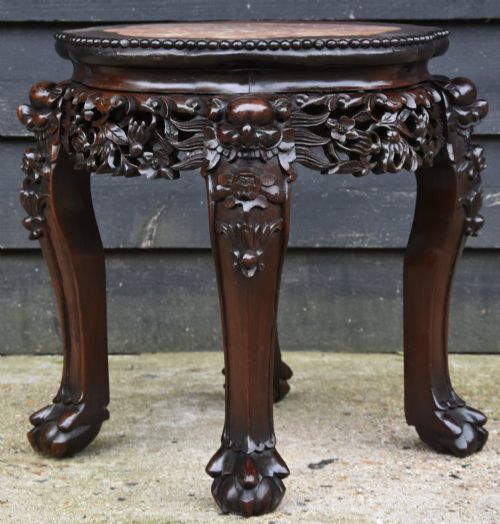
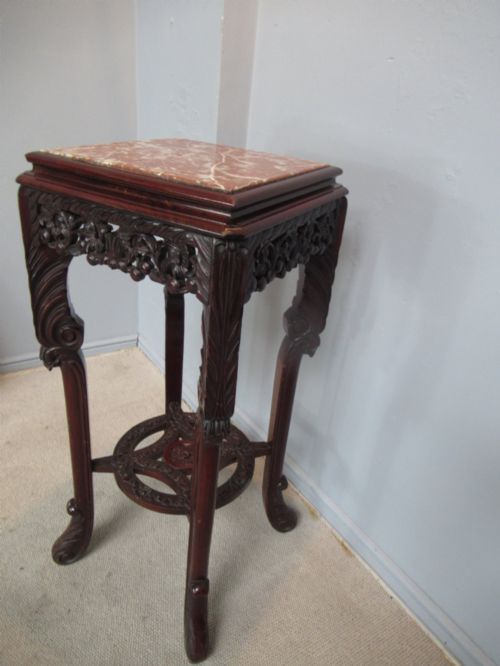
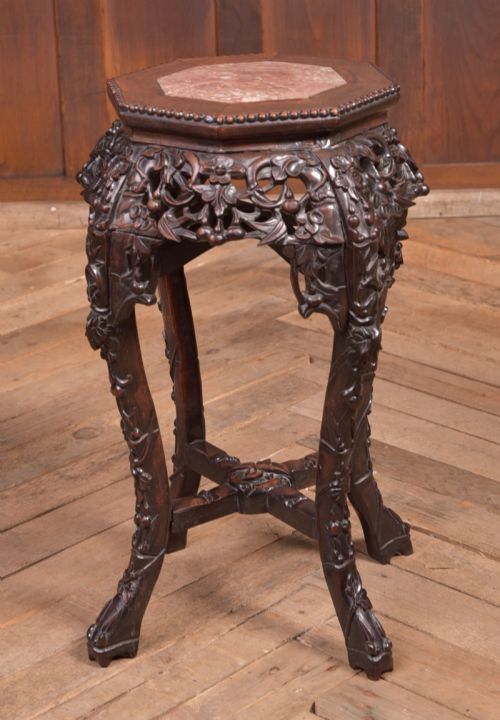
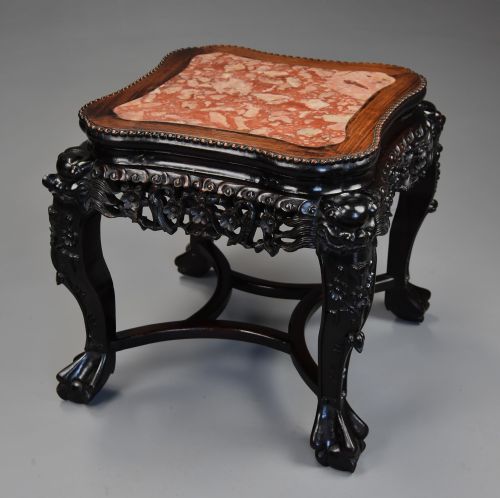
The version most commonly encountered on this page is the Chinese marble top pot stand or low table dating from the nineteenth century. These items typically feature circular or shaped inset marble tops supported by pierced aprons and curved legs. Makers utilised dense timbers to build sturdy platforms that could bear the weight of heavy ceramic planters or bronze sculptures.
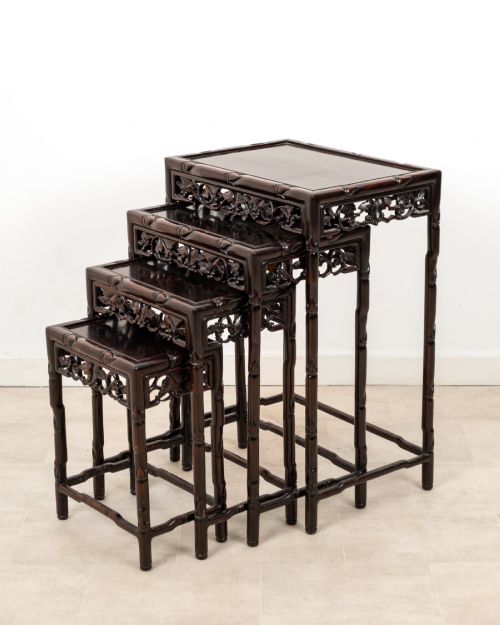
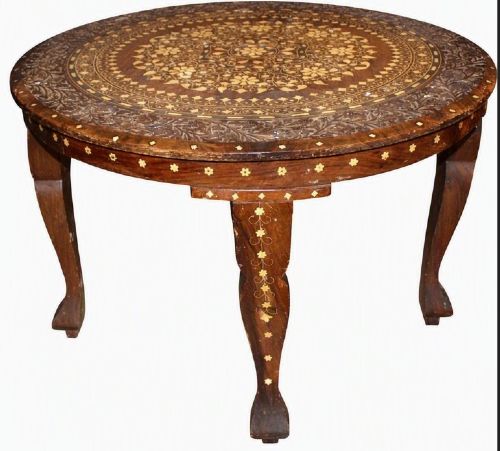
Other variations include nested tables, occasional tables, and dedicated display stands originating from Chinese, Japanese, and Anglo-Indian workshops. Examples span the Qing Dynasty, Meiji period, and Edwardian eras, reflecting global trade and cross-cultural design influences. Buyers encounter forms ranging from miniature bonsai displays to tall pedestals intended for prominent room corners.
Materials and construction methods
Makers built these pieces using dense tropical hardwoods such as rosewood, huanghuali, and teak, selected for natural strength and deep colour. Artisans worked these heavy timbers with traditional joinery techniques, often assembling frames without metal nails to allow the wood to move naturally with humidity changes. Surfaces received careful hand-polishing to reveal the grain and rich tone of the timber.
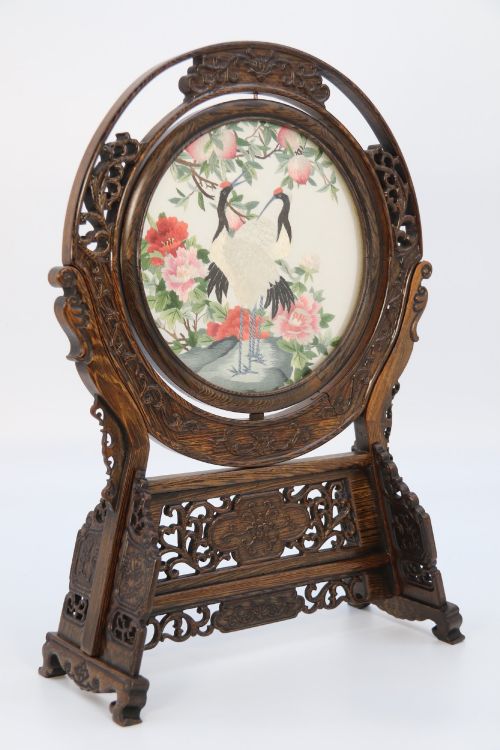
Many tables and stands incorporate inset panels of veined marble, burr wood, or glazed ceramic tiles fitted flush into the wooden frame. Workshops employed skilled carvers to execute intricate openwork motifs, scrolling foliage, and animal figures along aprons and legs. Selected pieces integrate contrasting materials including mother-of-pearl inlay, brass fittings, and carved bone details.
Materials recorded across current pieces include rosewood, teak, marble, bone, and brass, demonstrating diverse manufacturing origins across Asia.
Judging quality and execution
Quality rests upon the crispness of the hand-carving and the structural integrity of the timber joinery. Finer examples display deeply undercut reliefs and smooth, symmetrical curves without visible gaps in the joints. The selection of the wood itself defines the tier, with highly figured grain and uniform colour marking superior pieces.
The integration of secondary materials dictates overall refinement, particularly the smoothness of inset marble panels and the precision of inlaid mother-of-pearl or bone. Superior items maintain stability under weight while presenting balanced proportions and well-executed feet that sit firmly on the floor.
Liberty & Co·Gabriel Viardot
The Oriental Hardwood Stands Glossary
- Hardwood
- Dense timber derived from broad-leaved trees, prized in these pieces for durability and deep natural grain. Rosewood and teak fall into this category.
- Jardiniere stand
- A tall piece of furniture specifically designed to support a heavy plant pot or ceramic planter. These often feature circular tops and sturdy legs to bear substantial weight.
- Qing Dynasty
- The final imperial dynasty of China, lasting from sixteen-forty-four to nineteen-twelve. Many traditional carved stands and display cabinets date from the later years of this period.
- Meiji Period
- An era of Japanese history spanning from eighteen-sixty-eight to nineteen-twelve. Cabinets and plant stands from this time often reflect meticulous carving and refined joinery.
Oriental Hardwood Stands: Frequently Asked Questions
What were oriental hardwood stands used for?
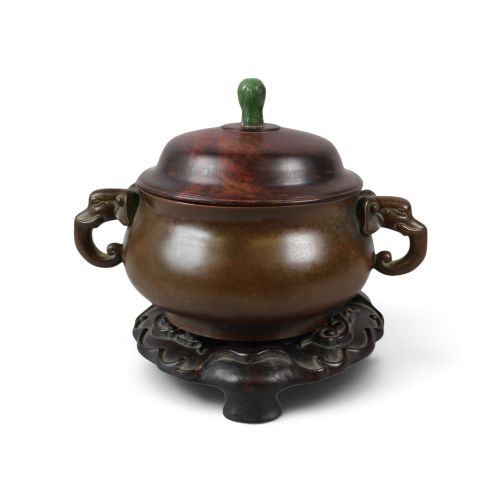
These items served primarily to elevate decorative objects, ceramic vessels, and indoor plants above floor level to protect them and display them to advantage. Households used them as side tables, display platforms, or specific supports for bronze censers and bonsai trees.
Their sturdy construction allowed them to bear the considerable weight of marble, bronze, and dense ceramics without losing stability. Over time, their practical role expanded into central decorative elements within Western and Asian interior schemes.
How do I care for a hardwood stand?
Maintain the timber by keeping pieces away from direct heat sources and sudden temperature shifts that can cause the wood to split. Dust regularly with a dry cloth and apply a neutral wax sparingly if the surface appears dry.
Avoid using liquid polishes or silicone-based sprays, which can build up on open-grained hardwoods and dull the natural sheen. Take care when placing heavy planters or vases on marble inserts to prevent scratching the stone.
How do I distinguish nineteenth-century pieces?
Nineteenth-century items typically exhibit dense, heavy hardwoods joined with traditional pegged construction rather than modern metal screws. Tool marks on the underside and hand-carved details indicate manual workshop production prior to industrial standardisation.
Examine the wear patterns on the feet and the patina of the timber polish, which deepens with age and handling. Subtle variations in symmetry and carving depth confirm the hand of an individual artisan.
Can these stands support heavy items?
Most of these pieces were engineered to bear substantial weights, including large bronze vessels, heavy porcelain fishbowls, and dense stone sculptures. The solid hardwood frames and braced legs provide reliable structural support.
Users should verify that the specific joints and marble tops remain stable before loading heavy or fragile objects onto the surface. Distributing weight evenly across the centre of the platform ensures safe display.