
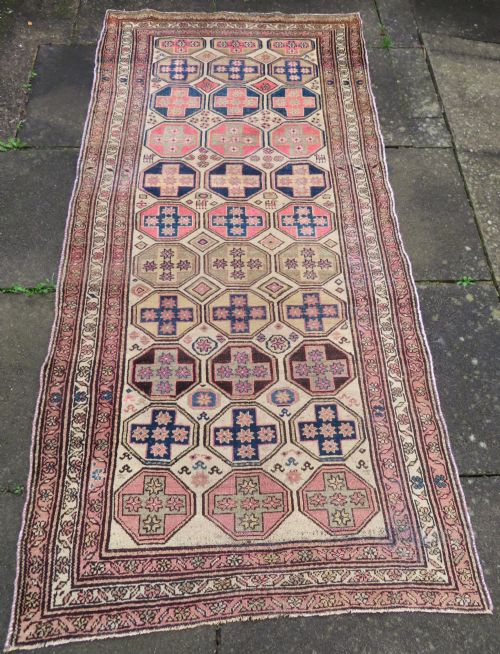
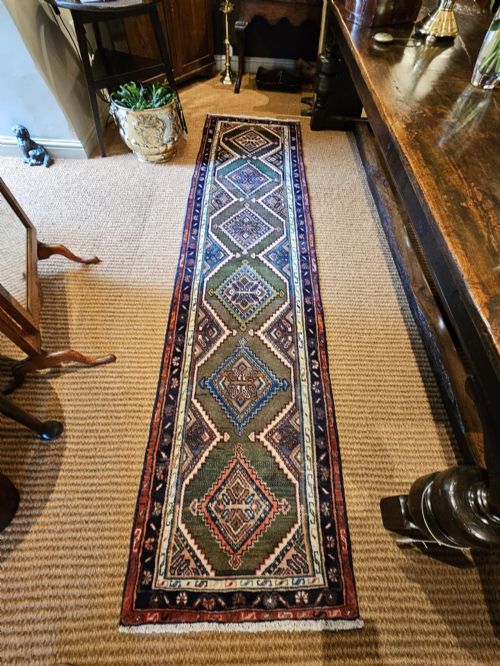
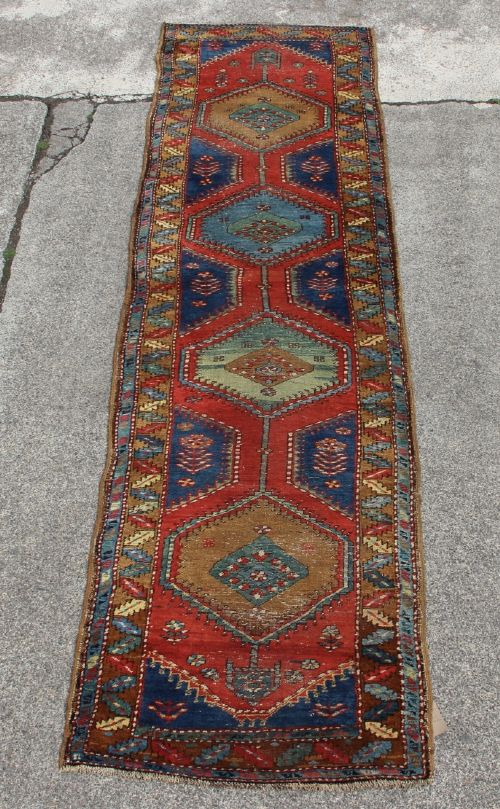

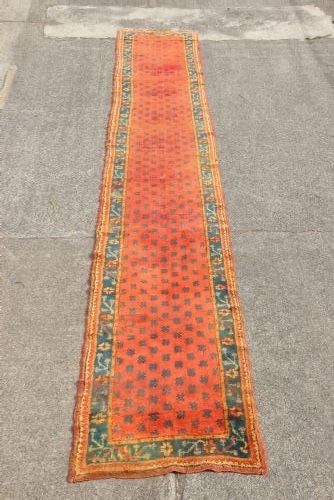

Oriental Hallway Carpet Runner
An oriental hallway carpet runner brings warmth and pattern to long corridors through centuries-old woven traditions.
Oriental Hallway Carpet Runner
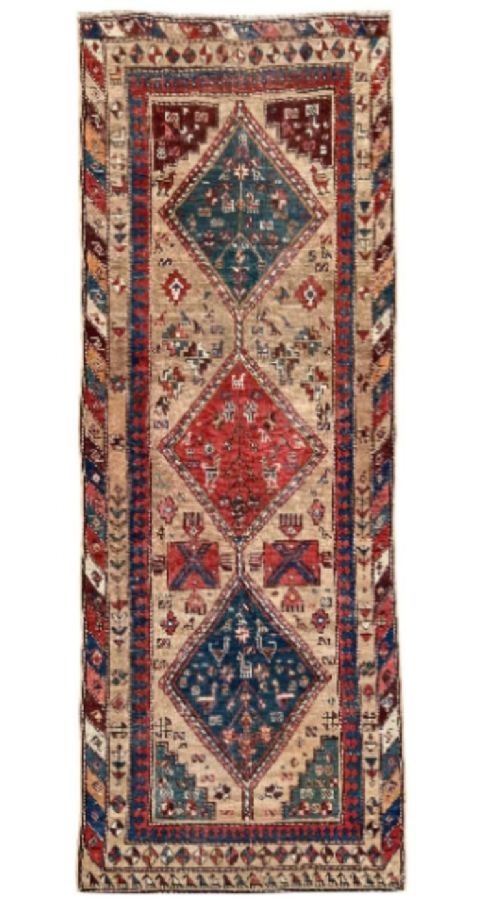
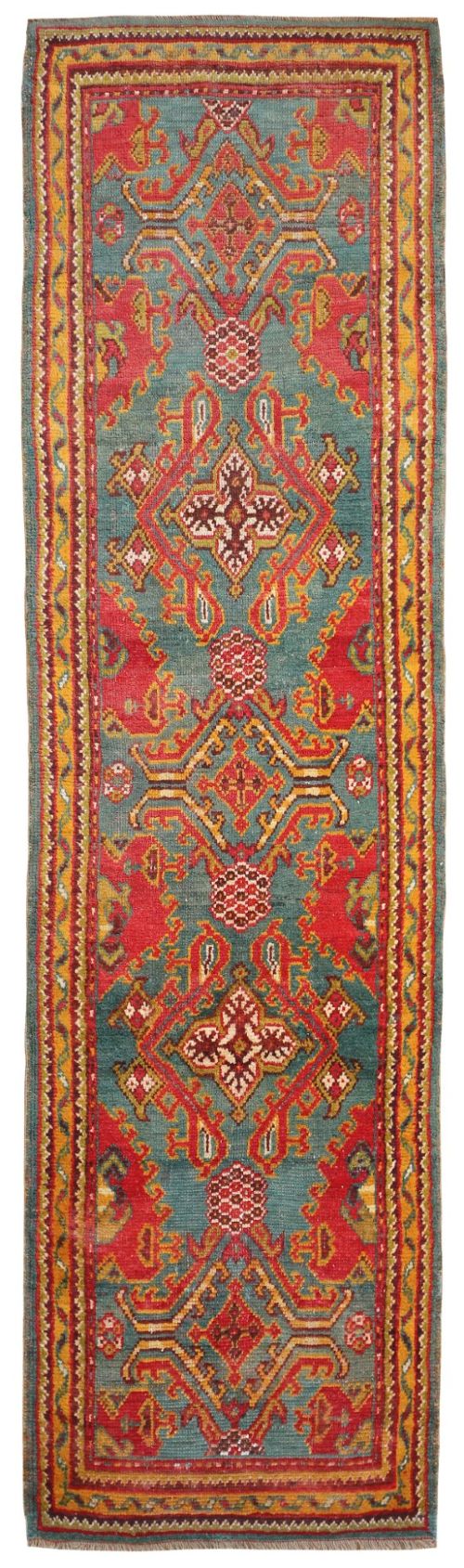
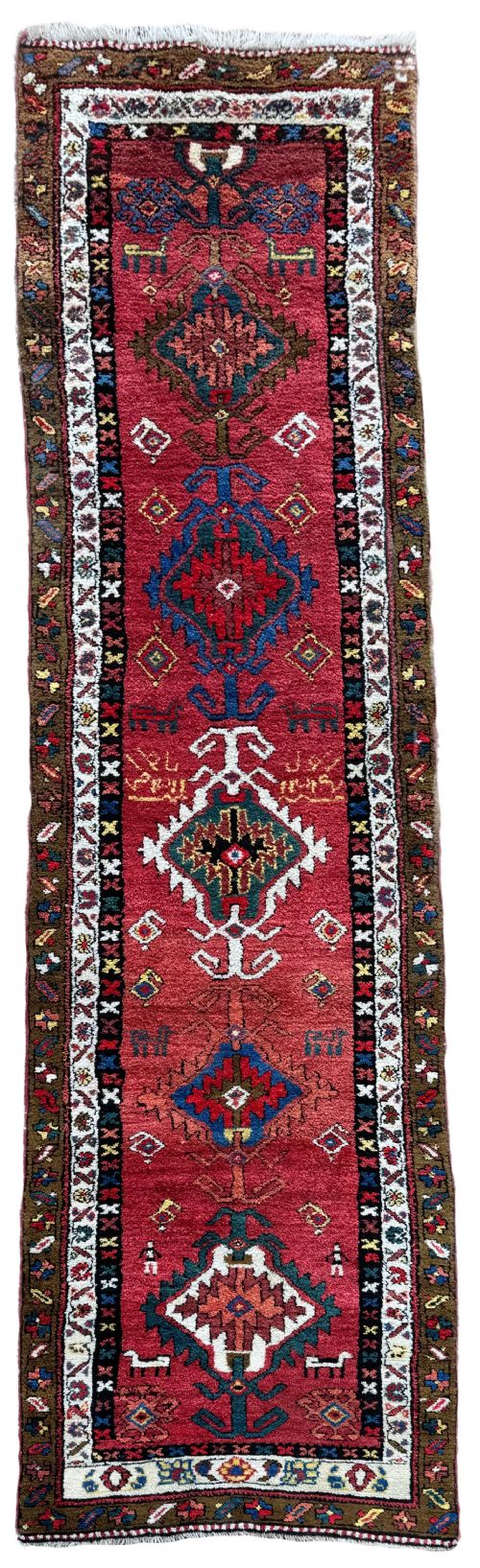
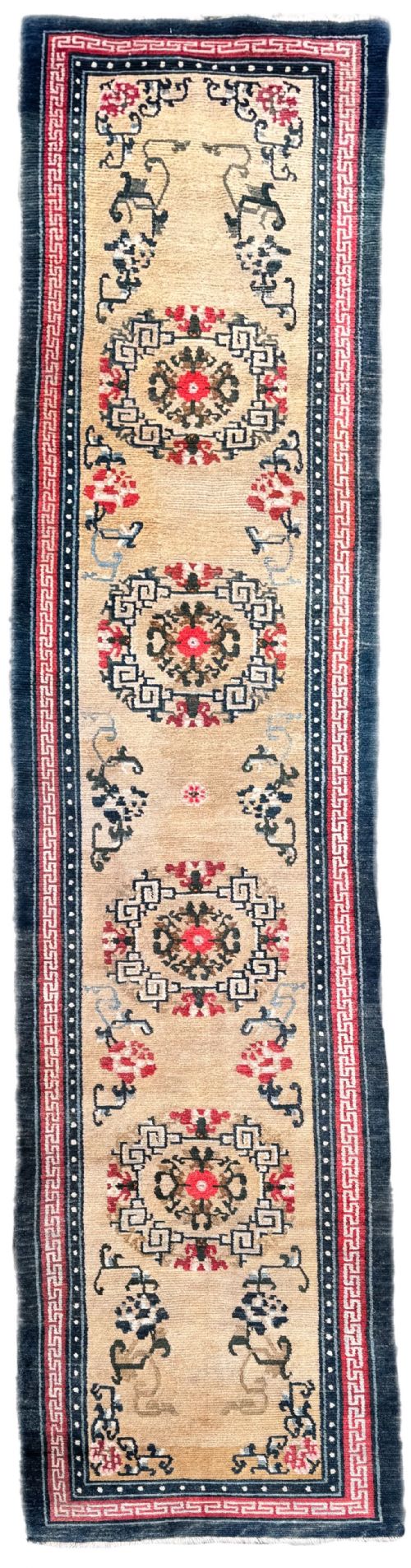
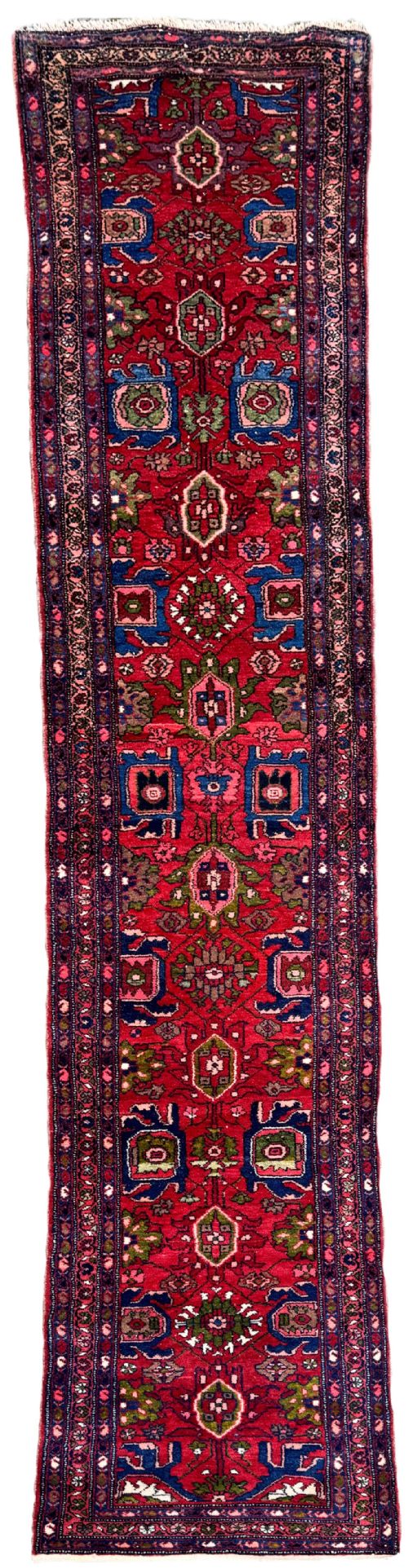
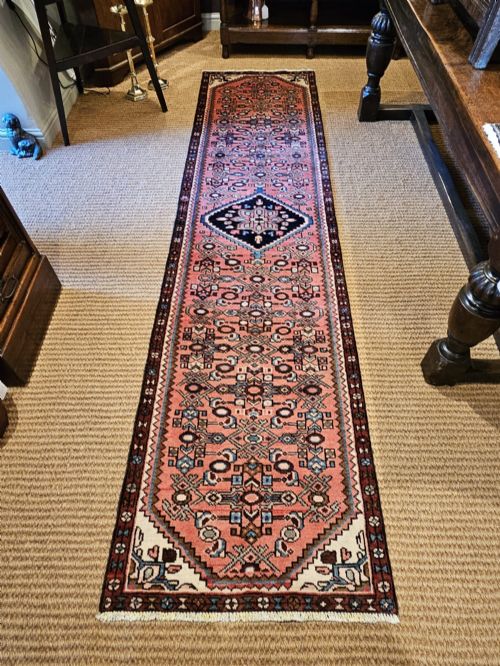
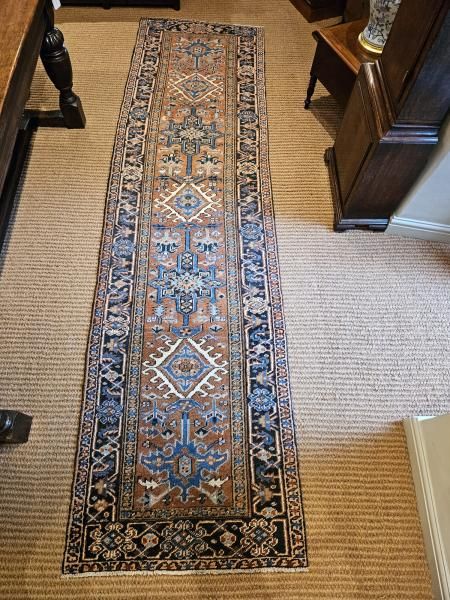
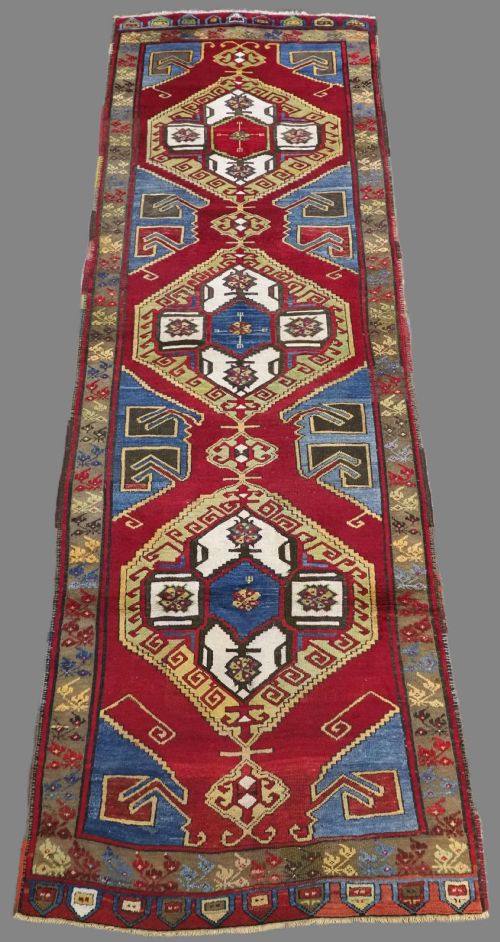
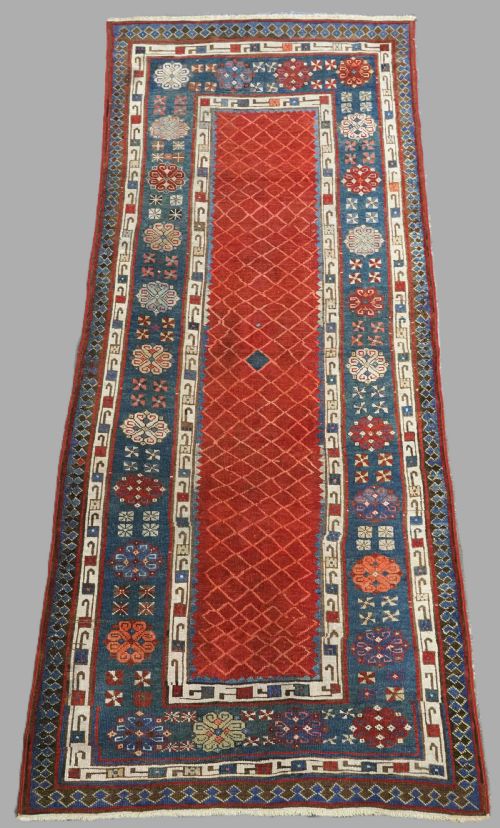
An oriental hallway carpet runner is a long, narrow textile designed specifically to fit narrow spaces like corridors, halls, and landings. These pieces span from the late nineteenth century through to the early decades of the twentieth century, originating from regions including Persia, Turkey, the Caucasus, and Tibet.
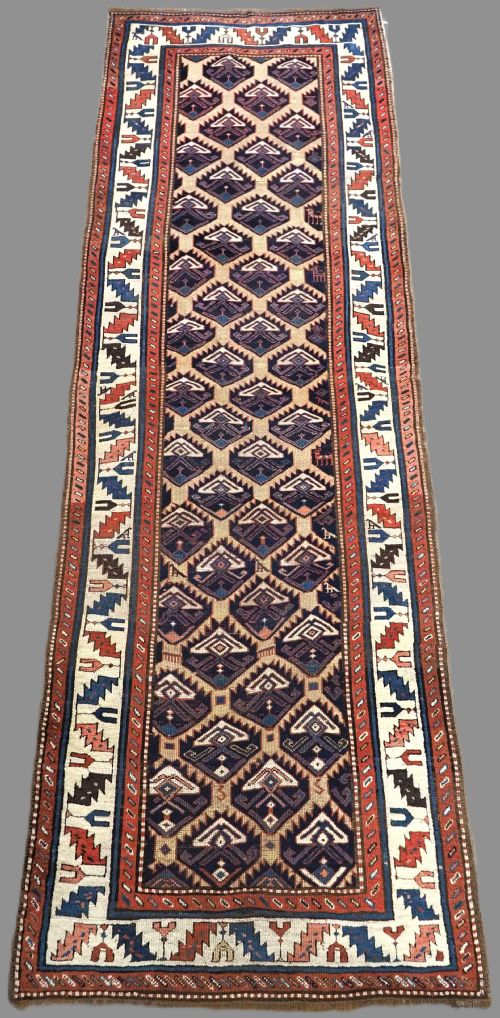
The format encompasses various regional names and tribal weaves such as Heriz, Ushak, Kurdish, and Caucasian runners. Buyers encountering this selection will find long, narrow dimensions that suit circulation spaces, often characterised by repeating geometric motifs, medallion designs, and all-over lattice patterns.
Makers shaped these textiles to endure heavy foot traffic while providing visual interest in domestic architecture. The surviving examples demonstrate formats stretching several metres in length, maintaining narrow proportions suited to corridors rather than principal rooms.
How They Were Made
These floor coverings utilise natural materials predominantly, relying on wool for the pile and foundation work alongside cotton. The spinning and carding processes produced robust yarns capable of withstanding prolonged domestic wear in high-traffic areas.
Weavers knotted the pile by hand onto warp and weft foundations, employing traditional regional techniques passed down through generations. Natural dye sources supplied the palette of colours seen across these pieces, resulting in tones that settle gracefully over decades of use.
Listings feature pieces spanning multiple decades from the nineteenth century into the twentieth century, constructed from wool and cotton.
What Varies in Quality
Quality rests upon the density of the knotting and the precision with which regional designs are executed across the elongated format. Finer execution allows complex geometric patterns and lattice work to remain crisp and distinct along the entire length of the runner.
The integrity of the wool foundation and the handling of the dyes dictate how evenly the textile ages under foot. Superior examples maintain structural soundness and clarity of design despite the passage of many decades.
The Oriental Hallway Carpet Runner Glossary
- Runner
- A long, narrow carpet format designed for corridors, hallways, and stairs. These pieces measure significantly longer than they are wide to fit circulation spaces.
- Pile
- The upright yarn loops or cut ends that form the usable surface of a carpet. This layer absorbs foot traffic and displays the woven design.
- Warp
- The stationary longitudinal threads stretched onto a loom before weaving begins. These parallel threads form the structural skeleton of the textile.
- Weft
- The horizontal threads passed across and under the warp threads to bind the knots in place. Together with the warp, they create the firm foundation of the rug.
- Lattice
- An open, intersecting framework of lines forming repeating geometric shapes across the field of a carpet. This repeating motif frequently organises the visual composition of Caucasian and Kurdish pieces.
Oriental Hallway Carpet Runner: Frequently Asked Questions
How do I clean a vintage runner?
Vacuum gently using a suction-only attachment without a rotating brush bar to protect the delicate wool pile.
Professional specialist cleaning is recommended for deeper maintenance to preserve the natural dyes and structural integrity.
Are these runners durable for hallways?
These textiles were originally constructed for domestic utility and heavy corridor use using robust wool.
Utilising a quality underlay beneath the piece prevents slipping and cushions the foundation against hard flooring.
How do I identify regional rug styles?
Regional attribution relies on distinct design vocabularies, such as the geometric lattice of Caucasian pieces or the bold medallions of Heriz weaves.
Examining the specific colour palette, knotting structure, and border motifs helps differentiate between Turkish, Persian, and tribal origins.
What size hallway do these fit?
Lengths vary considerably from compact lengths to extensive runners spanning multiple metres for long galleries and landings.
Measure the intended corridor carefully, leaving a border of exposed flooring around the perimeter for a balanced interior layout.