





Oriental Gilt Ceramic Jar
These oriental gilt ceramic jar pieces combine rich enamel decoration with metallic accents, bringing centuries of ceramic artistry into your home.
Oriental Gilt Ceramic Jar
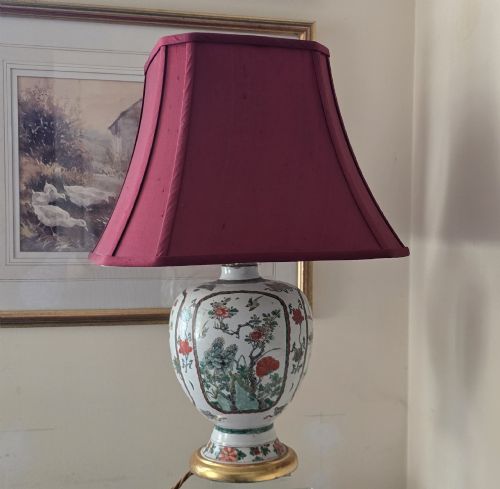
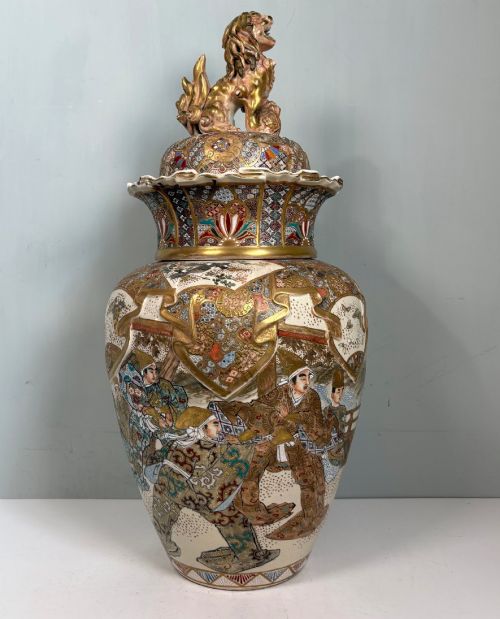
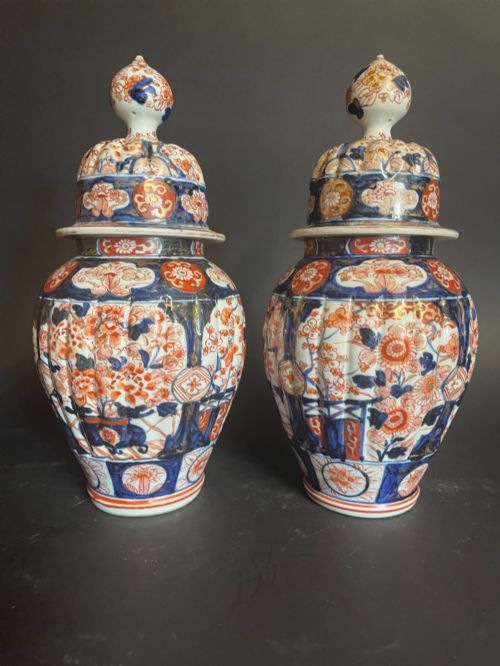
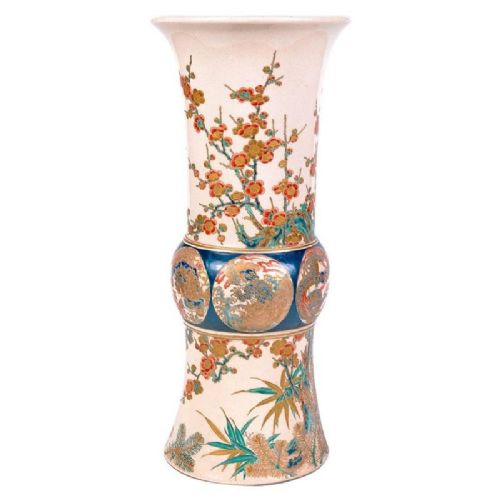
When you search for an oriental gilt ceramic jar, you are looking at decorative vessels that merge East Asian ceramic traditions with European mounting styles. These pieces range from substantial lidded jars and vases to converted table lamps, often showing distinct influences from Japanese Satsuma and Imari workshops alongside Chinese porcelain styles.
Materials and construction methods
The makers of these jars shaped fine porcelain and earthenware bodies before applying intricate hand-painted enamels. Artisans then integrated metallic elements, utilising gold leaf and gilt decoration to highlight specific details of the design.
Many of these ceramic vessels received additional embellishment through ormolu mounts, brass fixtures, and occasionally fabric elements. These metal additions were often fitted by European workshops to adapt decorative lidded jars into functional lamps or grand display pieces.
Oriental Gilt Ceramic Jar Retail Price Guide 2026
Typical asking prices for oriental gilt ceramic jar among the pieces listed under this phrase on Sellingantiques today, from the lower quarter to the upper quarter. They describe what is for sale here now, not the wider market.
Some nineteenth-century lidded jars travelled to Europe only to acquire heavy French ormolu mounts and a new life as glowing table lamps.
Judging quality and craftsmanship
The distinction between standard pieces and the finest examples rests upon the precision of the hand-painted enamel work and the richness of the gilt detailing. Superior items display meticulous brushwork and balanced compositions that reflect the skill of named studios.
The integration of metal mounts also defines the tier of a piece, with securely fitted ormolu and well-preserved bronze work indicating careful assembly. Furthermore, the crispness of the porcelain moulding and the stability of the glaze separate ordinary decorative items from exceptional works.
Kinkozan·Shozan Kyoto Studio·Samson Porcelain
The Oriental Gilt Ceramic Jar Glossary
- Satsuma
- A type of Japanese earthenware featuring a crackled ivory glaze and detailed polychrome enamel designs often enhanced with gold. This ceramic style became particularly prominent during the Meiji period.
- Imari
- A traditional style of Japanese porcelain decorated in underglaze blue, iron red, and gilt. Pieces in this category frequently display complex floral and brocade patterns.
- Ormolu
- Gilded bronze mounts applied to furniture, porcelain, and ceramic vessels. European craftspeople frequently added these metal fixtures during the nineteenth century.
- Famille Rose
- A palette of Chinese ceramic enamels dominated by opaque pink or rose colours introduced during the Qing dynasty. European makers later produced style copies inspired by these wares.
Oriental Gilt Ceramic Jar: Frequently Asked Questions
What is an oriental gilt ceramic jar?
These items are decorative ceramic vessels from Asian traditions or European revival periods, featuring hand-painted designs enriched with gold leaf or metallic gilt.
They appear as lidded jars, vases, and table lamps that combine ceramic bodies with decorative metal mounts.
How do I date an antique jar?
Dating relies on examining the characteristics of the glaze, the style of the enamel painting, and any associated maker marks or studio signatures.
Nineteenth-century pieces often show specific stylistic traits from the Meiji period or late Qing dynasty, alongside European ormolu mounts typical of that era.
How were these jars used historically?
Many of these vessels served as ornamental display pieces in grand interiors, often displayed on mantelpieces or tables to showcase exotic craft.
Some jars were later adapted into lamps by European households during the nineteenth and early twentieth centuries.
How do I care for gilt ceramics?
Preserving these pieces requires dusting gently with a soft dry cloth and avoiding harsh cleaning agents that can damage fragile enamel and gold leaf.
Keeping them away from direct sunlight and damp environments helps protect the integrity of both the ceramic body and the metal mounts.