




Oriental Flower Painting
When you look for oriental flower painting, you find watercolour works on silk and hand-painted porcelain depicting botanical scenes.
Oriental Flower Painting
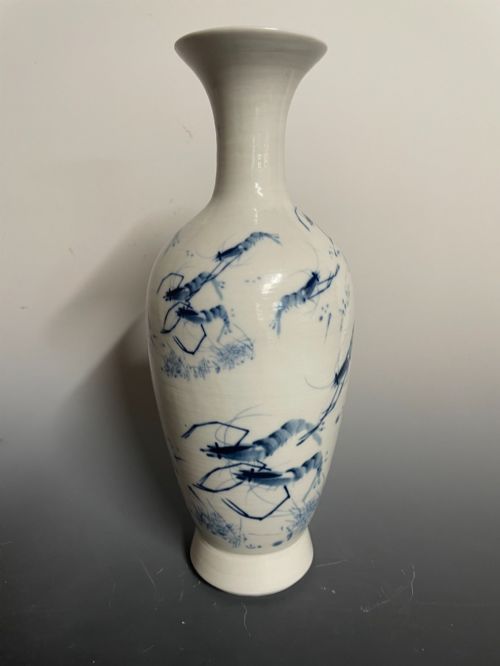
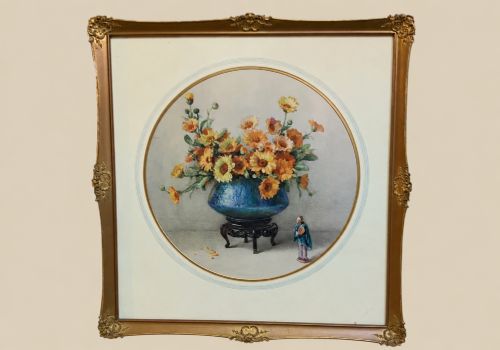
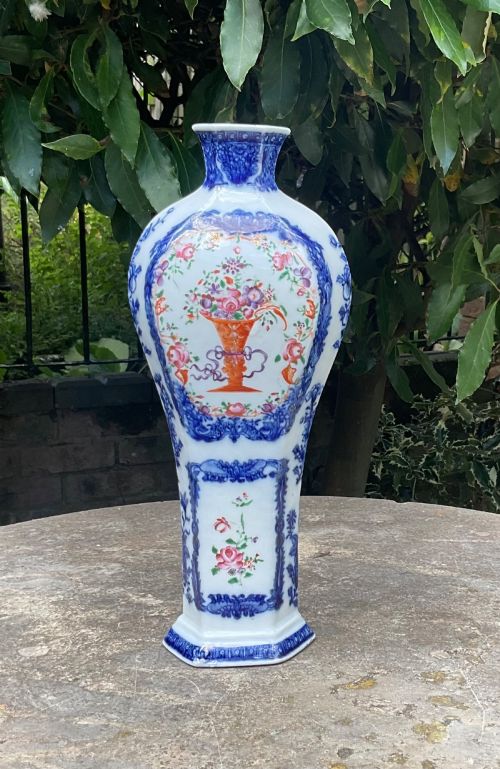
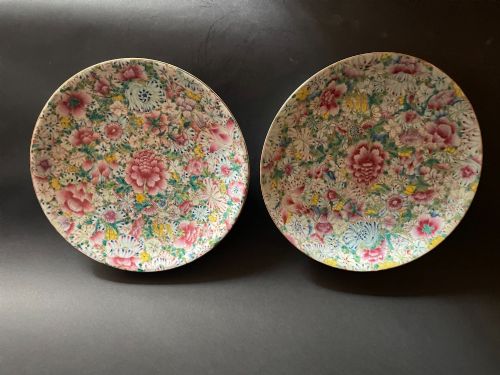
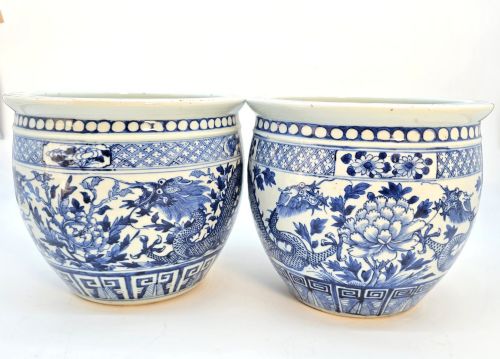
Oriental flower painting encompasses watercolour and gouache works on silk depicting botanical subjects alongside ceramics decorated with floral motifs. These pieces range from framed paintings showing birds and plum blossom to porcelain vases and jardinières bearing painted flower designs.
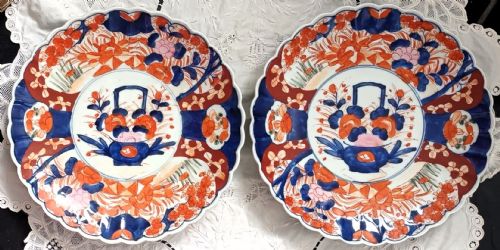
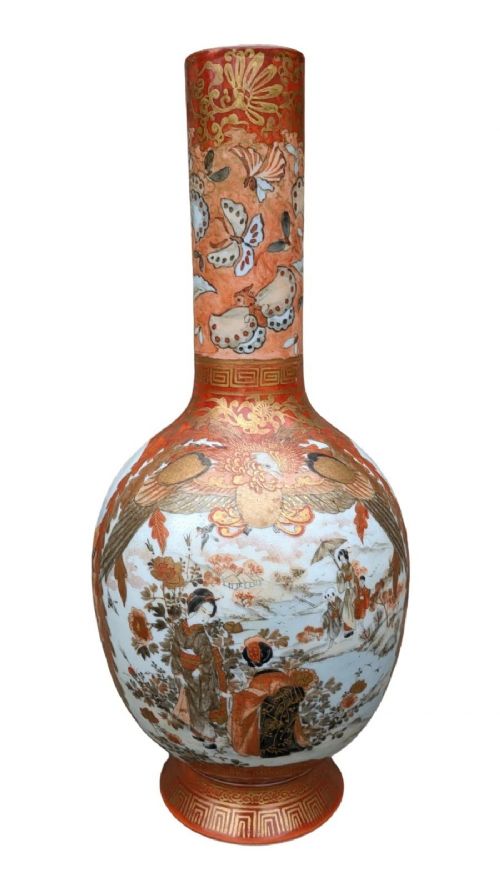
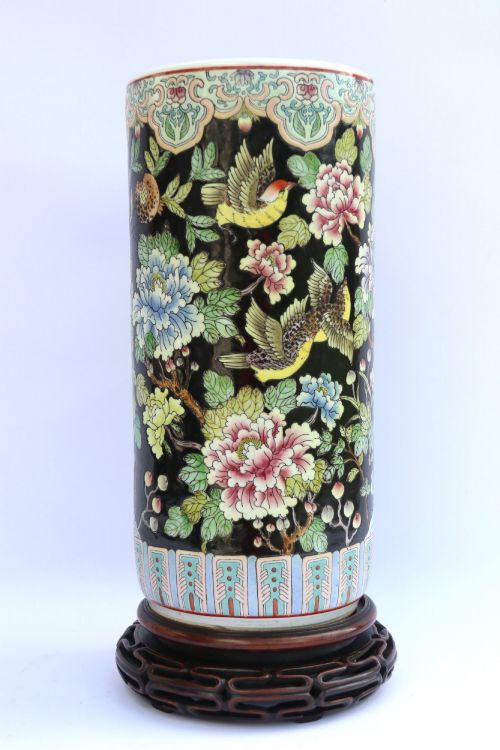
The selections span periods from the eighteenth century through to the early twentieth century. Buyers encounter Japanese Imari chargers, Satsuma ware bowls, and Chinese Canton or Famille Rose porcelain.
Vases, decorative plates, and framed wall art dominate the forms available. Silk paintings featuring birds and flowers appear alongside lacquer plant stands and cupboards decorated in the chinoiserie style.
How they were made
Painters applied watercolours and gouache directly onto silk using fine brushes to capture botanical details such as plum blossoms and marigolds. Ceramic pieces utilised porcelain and earthenware bodies painted with enamel and glaze, often finished with gold leaf accents.
Wood and hardboard appeared in the construction of stands, frames, and painted cupboards, sometimes combined with marble inserts or lacquer finishes.
Garlic head vases ensure your daily blooms reside inside pottery shaped like a bulb of allium.
What varies in quality
The fineness of the brushwork defines the top tier of painted silk works and porcelain pieces. Crisp lines in floral motifs and carefully rendered bird plumage distinguish superior examples from simpler decoration.
The depth and consistency of the glaze on porcelain items, alongside the preservation of original hardwood stands and frames, mark the difference between standard production and exceptional examples.
The Oriental Flower Painting Glossary
- Famille Rose
- A major palette of Chinese ceramic enamels introduced in the Qing dynasty, characterised by pink or rose coloured opaque enamel. It allowed for subtle gradations of tone in floral and figural decoration.
- Imari
- A style of Japanese porcelain decorated in underglaze blue and overglaze red, gold, and other colours. Pieces often feature intricate panels of flowers and brocade patterns.
- Satsuma ware
- Japanese pottery with a ivory-coloured crackle glaze, typically decorated with fine polychrome enamels and gilding. Subjects frequently include birds, flowers, and historical scenes.
- Jardinière
- An ornamental pot or stand for holding plants or flowers. These items appear in ceramic, porcelain, and wood across various periods.
- Gouache
- An opaque watercolour medium used by artists on silk or paper. It provides solid fields of colour suitable for botanical subjects.
Oriental Flower Painting: Frequently Asked Questions
How do I care for silk paintings?
Keep framed paintings on silk away from direct sunlight to prevent the watercolour pigments from fading over time. Maintain stable humidity levels to protect both the fabric and the wooden frames.
Dust glazed frames gently with a dry cloth and avoid using liquid cleaners on the silk itself.
What is the difference between Canton and Famille Rose porcelain?
Canton porcelain refers to pieces decorated in the southern Chinese port city, typically featuring panels of figures alongside birds and flowers. Famille Rose describes a specific palette defined by its pink enamel tones.
Many Canton pieces utilise the Famille Rose palette, blending floral borders with detailed narrative scenes.
Where were jardinières placed?
Jardinières held large plants and floral displays within nineteenth-century interiors. Gardeners and homeowners set them on tables, plant stands, or directly on the floor.
They served both functional and decorative roles in reception rooms and conservatories.
How can I date an Imari piece?
Examinations of the paste, glaze thickness, and iron-red tones help determine the age of Imari porcelain. Meiji period items often display crisp, vibrant enamels and specific mark styles.
Earlier eighteenth-century examples tend to show heavier potting and softer underglaze blue hues.