




Oriental Floral Art
Oriental floral art brings together centuries of botanical design traditions from across Asia and Europe, offering intricate depictions of blooms on ceramics, textiles, and panels.
Oriental Floral Art
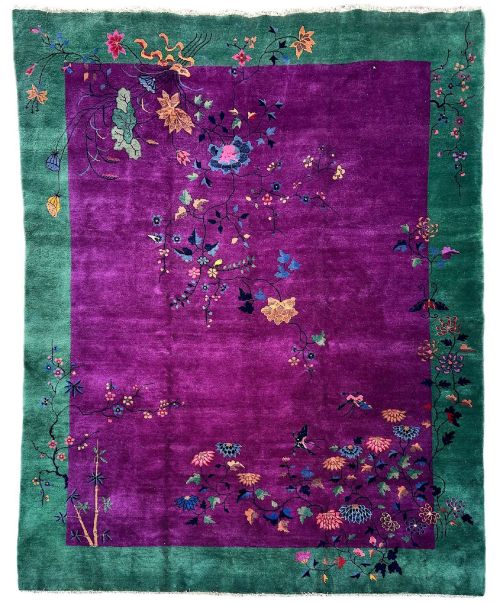
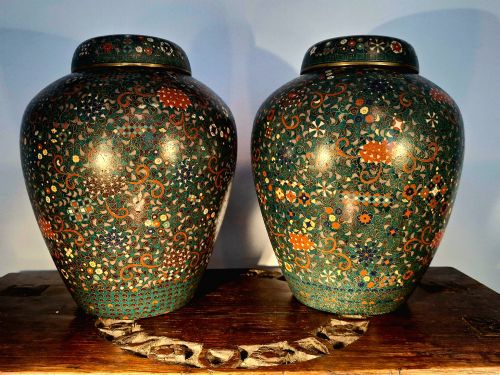
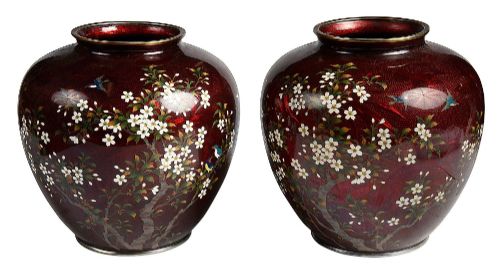
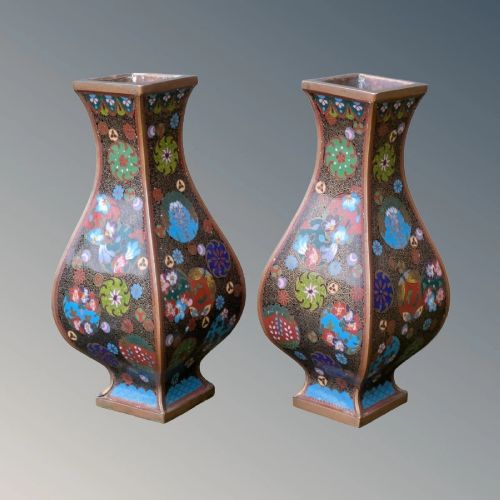
Oriental floral art encompasses a diverse range of objects created across the nineteenth and early twentieth centuries, featuring botanical and natural motifs. Buyers searching for oriental floral art frequently encounter Japanese cloisonné enamel vases, Imari decorative plates, and Chinese Art Deco carpets adorned with floral patterns.
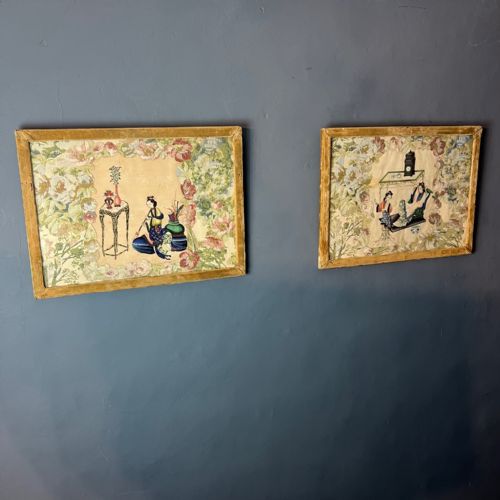
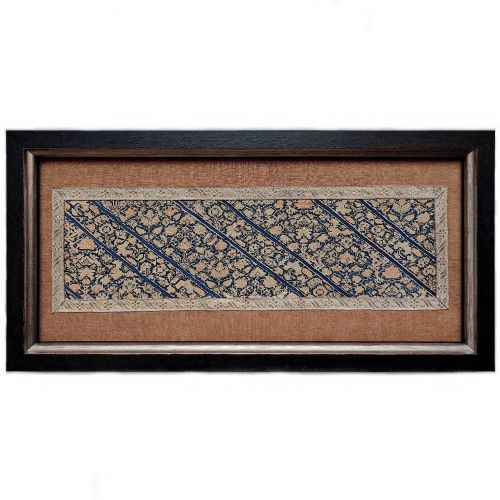
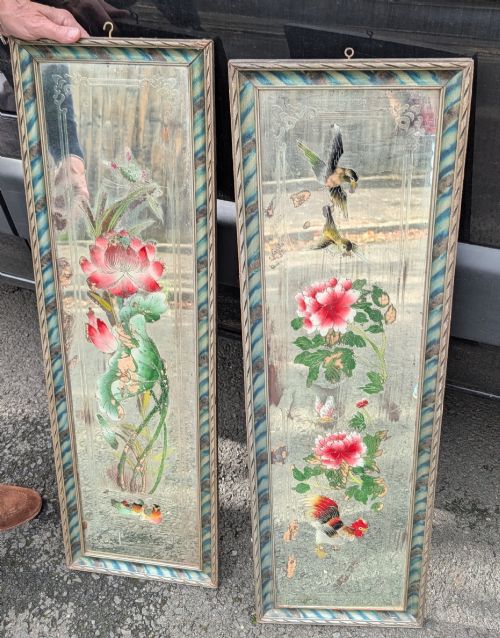
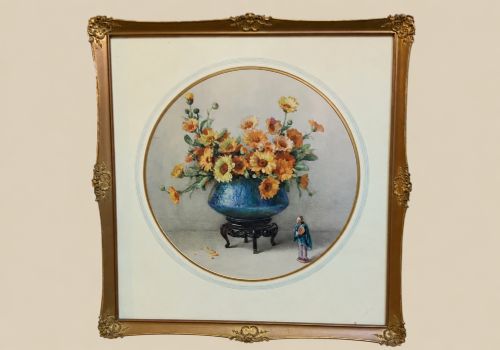
The selection also spans framed gouache and watercolour paintings, hand-embroidered silk panels depicting garden birds and flowers, and carved temple panels. These pieces reflect distinct regional aesthetics, from Meiji period Japanese metalwork to Qing period Chinese craftsmanship and Ottoman embroideries.
Materials and construction methods
The physical creation of these objects relies on traditional artisan techniques, utilising copper bases fitted with fine wire cells for enamel work, or dense knots of wool and cotton for woven carpets. Cloisonné pieces require meticulous application of coloured enamels within soldered metal compartments before firing and polishing.
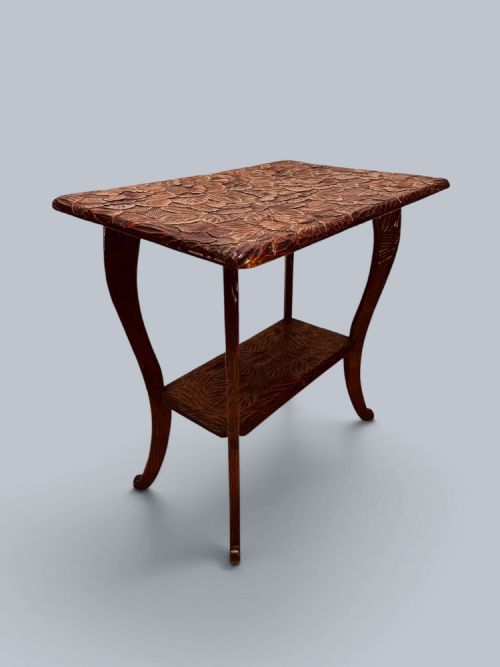
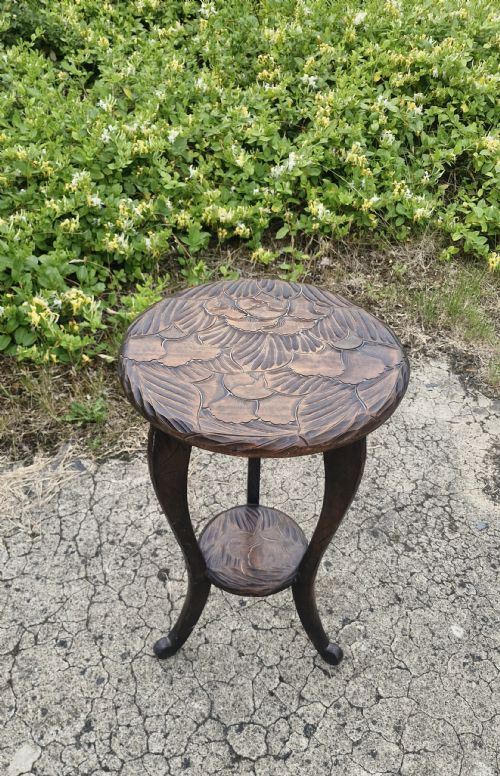
Textiles and wall art combine natural fibres like silk and cotton with gouache and watercolours applied to paper or fabric. Wood and gilt elements appear in carved temple panels and occasional furniture, demonstrating skilled joinery and surface gilding.
Oriental Floral Art Retail Price Guide 2026
Typical asking prices for oriental floral art among the pieces listed under this phrase on Sellingantiques today, from the lower quarter to the upper quarter. They describe what is for sale here now, not the wider market.
Listings feature textiles and ceramics spanning the nineteenth and early twentieth centuries, incorporating materials such as copper, enamel, silk, and wool.
Factors determining the calibre of pieces
Quality in these works rests upon the precision of execution and the complexity of the design. In enamel and ceramic pieces, fine wirework, even glaze distribution, and crisp detailing distinguish superior examples from simpler production.
For textiles and carpets, the density of the weave, the clarity of the botanical motifs, and the preservation of natural dyes dictate the overall standard. Signed works by notable makers or workshops demonstrate a higher degree of artistic control.
Manpei Kobe·Kinkozan·Royal Doulton·Liberty's
The Oriental Floral Art Glossary
- Cloisonné
- An enamel technique where metal wire is soldered to a metal base to create compartments for coloured paste. These cells are then fired and polished to a smooth finish.
- Imari
- A style of Japanese porcelain decorated in underglaze blue and overglaze red, gold, and green. The palette often incorporates dense floral and geometric arrangements.
- Ginbari
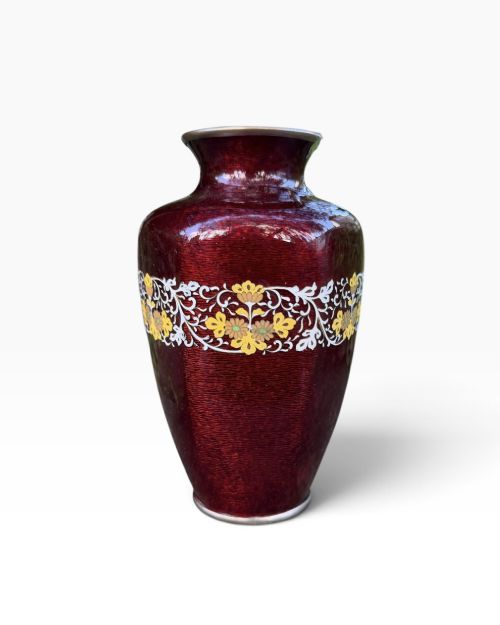
- A Japanese enameling method featuring textured foil applied beneath translucent enamel. This technique creates a patterned background effect behind floral designs.
- Satsuma
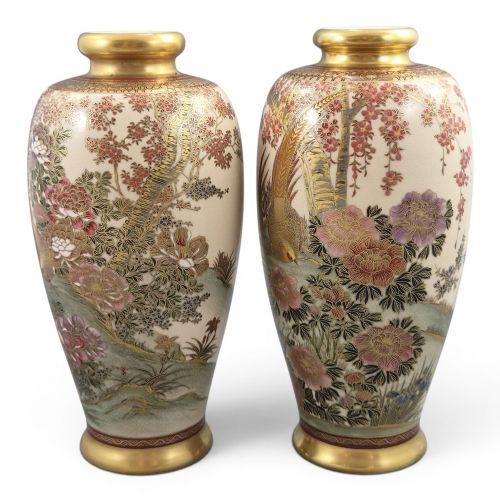
- A type of Japanese earthenware featuring a pale, ivory-crackled glaze decorated with finely detailed polychrome enamels and gilt. Subjects frequently include flowers and figures.
- Chinoiserie
- A European artistic style reflecting Chinese aesthetic influences. It appears in decorative arts and furnishings produced in the West during the nineteenth century.
Oriental Floral Art: Frequently Asked Questions
What is oriental floral art?
Oriental floral art comprises decorative objects, textiles, and paintings from Asian and European traditions that feature botanical motifs. These range from Japanese cloisonné vases and Imari plates to Chinese embroidered silk panels.
Such pieces reflect the decorative styles of the nineteenth and early twentieth centuries, incorporating natural imagery into everyday items and interior furnishings.
How do I care for silk embroideries?
Silk embroideries require protection from direct sunlight to prevent the fading of natural threads and painted details. Keeping them behind glass or away from high humidity preserves the delicate fabric.
Dusting should be done gently with a soft brush, avoiding any moisture or harsh cleaning agents that might damage the antique fibres.
How are Japanese cloisonne vases dated?
Dating relies on stylistic shifts, manufacturing techniques, and historical periods such as the Edo, Meiji, or Taisho eras. Earlier pieces often display heavier wirework and deeper enamel tones.
Maker marks and signatures stamped or applied to the base also provide specific clues regarding the workshop and decade of production.
Where were Imari plates displayed?
Imari plates were traditionally used in dining settings or displayed on walls and cabinets as decorative focal points. Their vibrant cobalt blue and iron red palettes added rich colour to period interiors.
Today, they are typically housed on plate stands or integrated into curated wall arrangements alongside other ceramics.