







Oriental Display Platter
An oriental display platter brings striking hand-painted detail and rich historical craft into a room, spanning Japanese Imari and Chinese porcelain traditions.
Oriental Display Platter
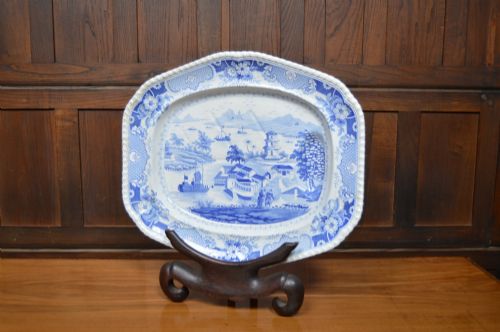
When you search for an oriental display platter, you encounter large decorative plates, chargers, and dishes intended primarily for display rather than dining. These pieces originate predominantly from Japanese and Chinese kilns and workshops spanning the Edo, Meiji, and Qing periods, alongside Victorian European interpretations.
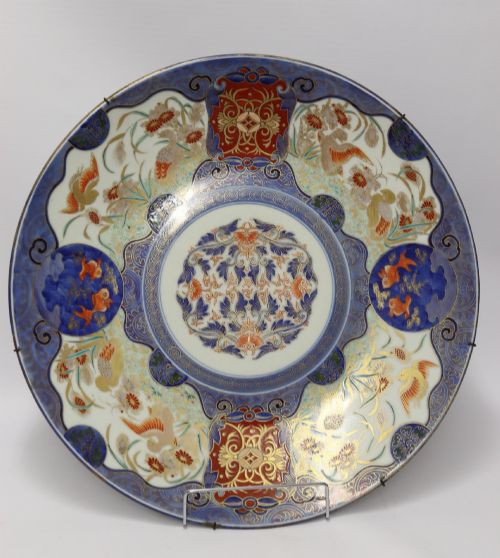
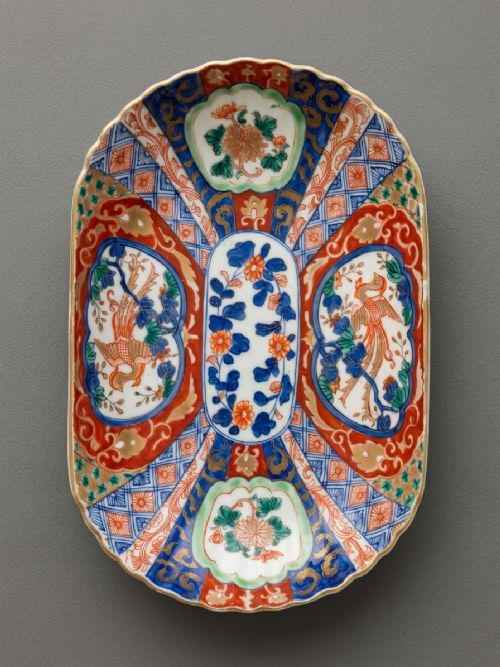
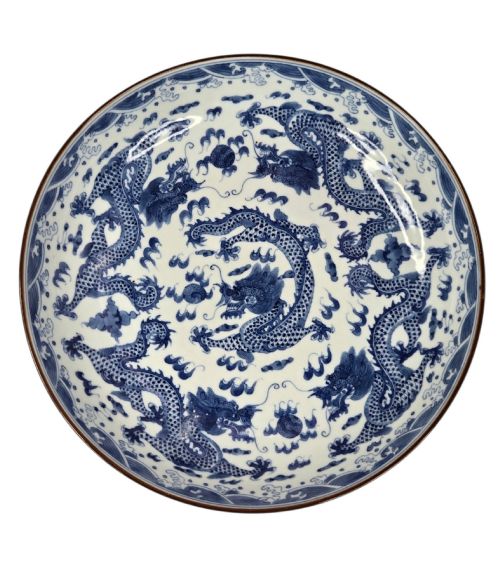
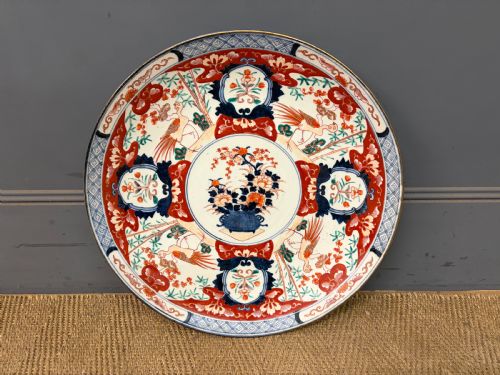
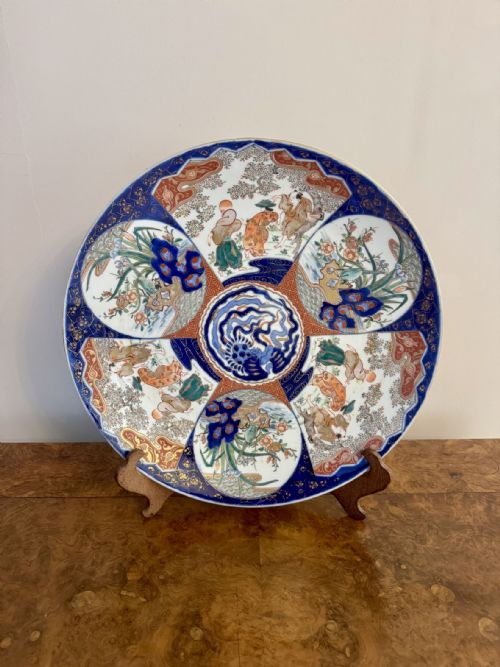
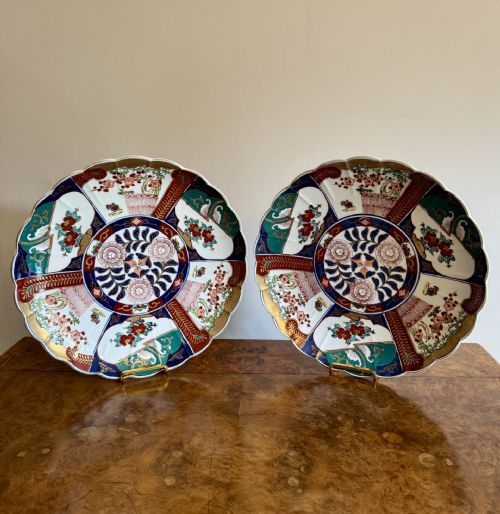
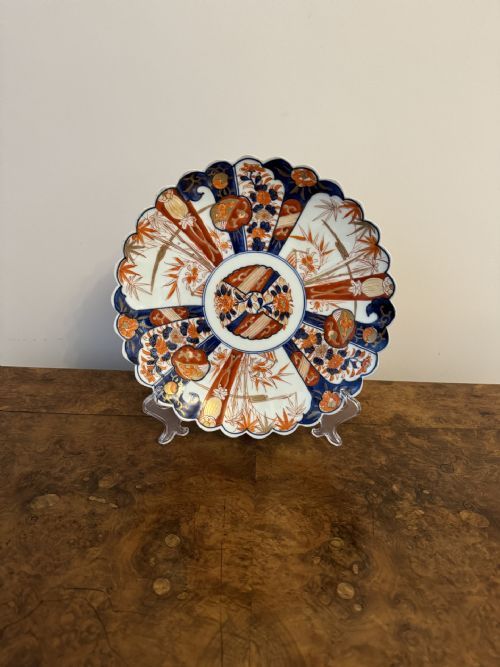
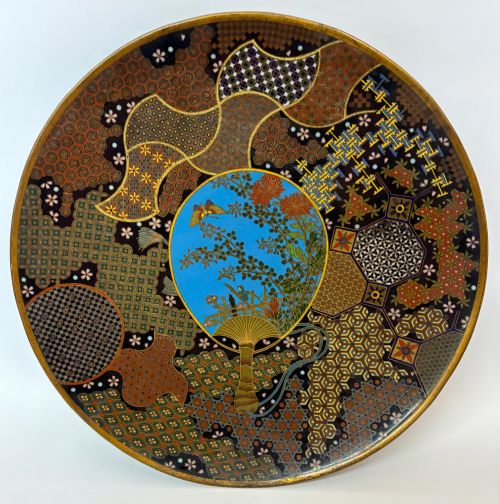
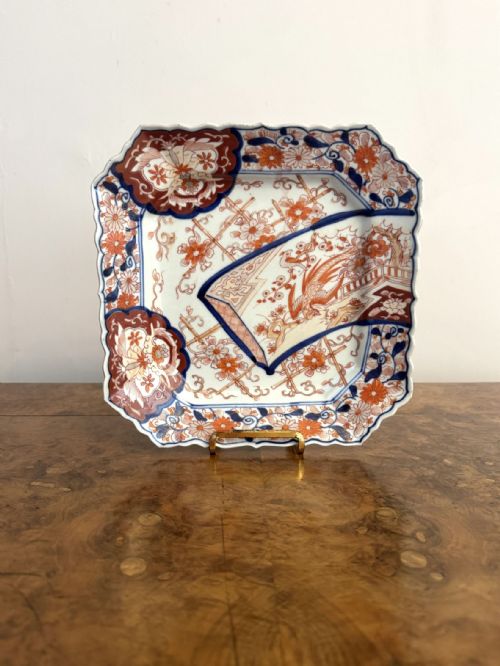
The version you are most likely to meet on this page is the Japanese Imari porcelain charger, typically dating from the late nineteenth century and decorated with rich underglaze blue and iron red highlights. Alongside these, the selection includes Chinese blue and white porcelain, Famille Verte dishes, and Japanese cloisonne enamel trays depicting birds, dragons, and floral motifs.
How they were made
Potters shaped these chargers in porcelain or ceramic before applying cobalt underglaze pigments and vibrant overglaze enamels, often incorporating gold leaf for extra detail. Firing in traditional kilns fixed the mineral colours into a hard, glossy glaze.
Cloisonne pieces instead utilise thin copper or brass wires soldered to a metal base to form cells, which artisans then fill with coloured enamel pastes before firing and polishing to a smooth surface.
Oriental Display Platter Retail Price Guide 2026
Typical asking prices for oriental display platter among the pieces listed under this phrase on Sellingantiques today, from the lower quarter to the upper quarter. They describe what is for sale here now, not the wider market.
Listings feature porcelain, enamel, copper, brass, and gold leaf across Victorian and twentieth-century items.
What varies in quality
The standard of a platter rests in the precision and complexity of the hand painting or the neatness of the wirework in cloisonne examples. Skilled artisans achieved finer brushwork, more balanced compositions, and sharper details that distinguish standard production items from masterworks.
Depth of glaze colour and the clarity of the underlying material also separate superior pieces from simpler utilitarian wares. Heavier porcelain bodies and meticulously finished bases reflect higher standards of workshop production.
Bluett and Sons London
The Oriental Display Platter Glossary
- Charger
- A large decorative plate or platter traditionally meant to be stood on a sideboard or hung on a wall rather than used for food. These sizeable vessels showcase the most intricate hand-painted designs.
- Imari
- A style of Japanese porcelain featuring a palette of cobalt blue and iron red, frequently accented with gold leaf. Originating in the town of Arita, these wares gained widespread popularity in Europe.
- Cloisonne
- A metalwork technique where wire partitions are attached to a copper or brass body and filled with coloured enamel pastes. Subsequent firing and polishing create a smooth, decorative surface.
- Famille Verte
- A Chinese porcelain palette dominated by green enamel hues, developed during the Qing Dynasty. Artisans combined these greens with contrasting overglaze colours to depict figures, court scenes, and natural motifs.
- Meiji Period
- A historical Japanese era spanning from 1868 to 1912, noted for a surge in export art and exceptional metal and porcelain craftsmanship. Pieces from this time often exhibit remarkable technical refinement.
Oriental Display Platter: Frequently Asked Questions
How were oriental display platters used?
These large plates served primarily as decorative objects rather than tableware. Wealthy households placed them on buffets, sideboards, or mounted them on walls to showcase fine craftsmanship.
Their substantial size and intricate hand-painted designs made them centrepieces in formal rooms, reflecting international trade and taste.
How do I hang a heavy charger?
Displaying a large plate safely requires a specialist spring-loaded wall hanger that distributes the weight evenly across the rim. Ensure the fixing matches the wall type.
Alternatively, use a sturdy wooden or metal display stand designed to support the depth and weight of heavy porcelain or cloisonne.
How can I tell Imari from other styles?
Imari pieces are instantly recognised by their distinct palette of deep cobalt blue and iron red, usually enhanced with touches of gold leaf. The designs often feature dense floral patterns, brocade motifs, and birds.
They originate mainly from Japanese kilns around Arita and date predominantly to the late nineteenth and early twentieth centuries.
What is the difference between porcelain and cloisonne?
Porcelain is a fired ceramic material made from kaolin clay, painted with mineral glazes, and fired at high temperatures. It offers a smooth, glassy surface with hand-painted designs.
Cloisonne uses a metal base, typically copper or brass, decorated with soldered wire cells filled with coloured glass enamels and polished flat.