



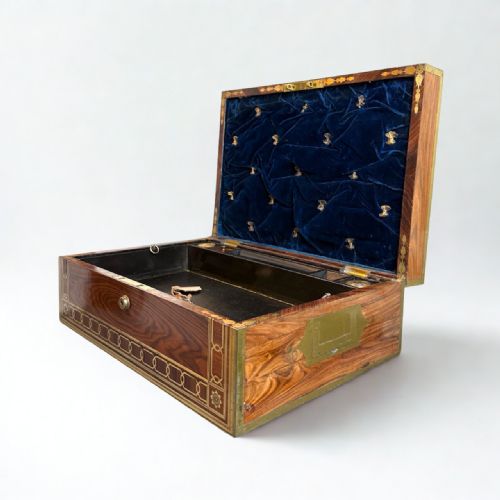


Oriental Decorative Box
An oriental decorative box brings centuries of intricate craftsmanship and vibrant culture straight to a tabletop or desk.
Oriental Decorative Box
An oriental decorative box spans a wide variety of forms, from small trinket cases and snuff boxes to larger table cabinets and trunks. These vessels served practical storage purposes in their original settings while demonstrating high levels of artistic expression.
The pieces appearing here encompass multiple periods, running from the seventeenth century through to the early twentieth century. Nineteenth-century examples dominate the selection, showing diverse regional origins such as China, Japan, India, and Kashmir.
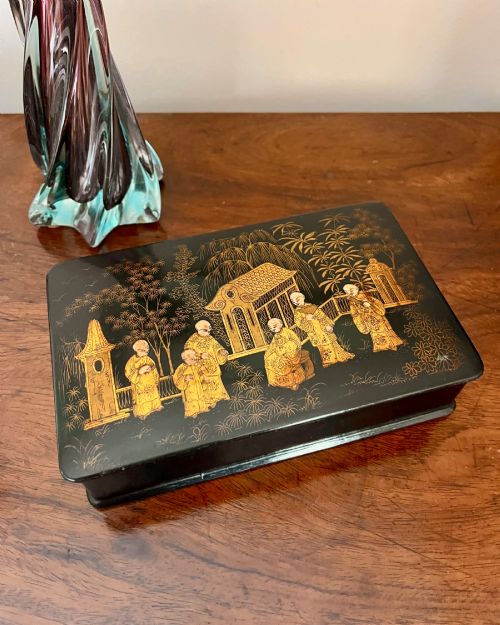
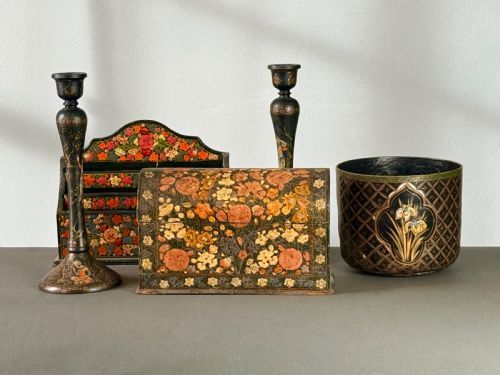
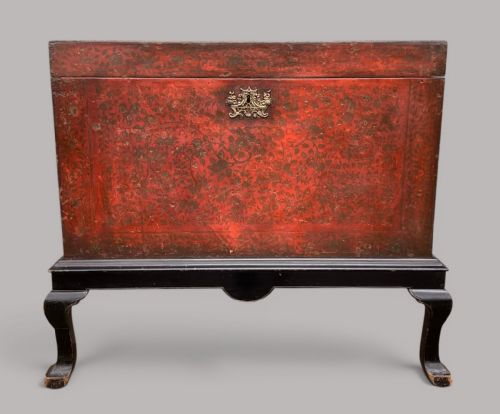
Makers utilised distinct regional styles including Qing Dynasty, Meiji Period, Chinoiserie, and Anglo-Indian designs. Buyers encounter everything from delicate lacquered letter racks to robust rosewood writing boxes and heavy wedding chests.
Materials and construction techniques
Wood serves as the primary structural foundation for many examples, utilising dense timbers like rosewood and hardwood alongside lighter papier-mâché. Artisans applied layers of lacquer, gold leaf, and paint to these wooden bases to create glossy, durable surfaces.
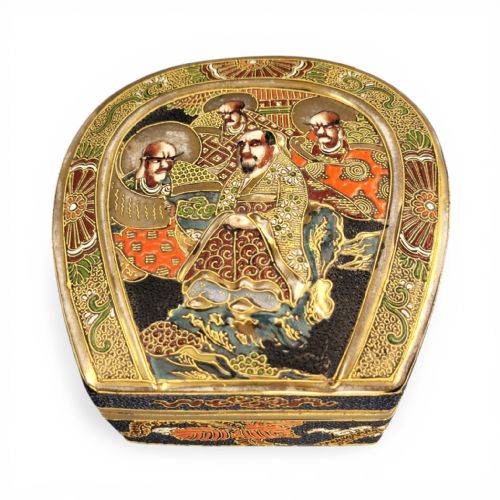
Metal and ceramic elements frequently complement the woodwork through cloisonné enamel, Beijing enamel, brass fittings, and copper accents. Detailed mother-of-pearl inlay and intricate carvings further enhance the visual texture of specific regional pieces.
Listings feature wood, lacquer, brass, and mother-of-pearl materials spanning the seventeenth through to the early twentieth century.
Factors influencing the standard of work
The precision of the surface decoration separates standard utilitarian containers from masterwork pieces. Crisp details in carved cinnabar lacquer, finely painted porcelain panels, and neatly aligned mother-of-pearl inlay indicate superior workshop output.
The integrity of the underlying structure dictates longevity and handling quality. Well-joined corners, stable lacquer free from extensive cracking, and properly fitted lids or doors demonstrate the original maker's skill.
Toshozan
The Oriental Decorative Box Glossary
- Lacquer
- A durable resin finish applied in multiple coats to wooden objects, often sanded smooth and decorated with gold or paint. This technique creates a hard, glossy surface that protects the material beneath.
- Cloisonné
- A metalwork technique where thin wire partitions are soldered to a base to create compartments filled with enamel paste. Firing produces a vibrant coloured pattern across the vessel.
- Cinnabar lacquer
- A specific type of Chinese lacquer built up in thick layers and carved deeply with motifs while slightly soft. The process requires immense patience and produces rich red decorative surfaces.
- Kodansu
- A small Japanese table cabinet featuring multiple internal drawers and compartments. These portable chests typically store small valuables, documents, or writing accessories.
- Chinoiserie
- European artistic interpretation and imitation of Chinese and East Asian artistic traditions. This style appears frequently in decorative furniture and lacquerware produced outside Asia.
Oriental Decorative Box: Frequently Asked Questions
How were these boxes originally used?
Original uses varied widely according to the size and regional origin of the specific container. Many held personal letters, writing implements, jewellery, or tobacco.
Larger trunk forms stored wedding garments or ceremonial items, while smaller lidded pots preserved special keepsakes and small valuables.
How do I care for an antique lacquer box?
Keep wooden and lacquered pieces away from direct sunlight and extreme humidity fluctuations to prevent cracking. Dust them gently with a soft, dry cloth without applying modern chemical polishes.
Maintain a stable room temperature to protect delicate surface finishes like gold leaf and mother-of-pearl inlay.
Can I use these boxes for daily storage?
Most antique pieces function well for storing small modern items such as keys, jewellery, or desk accessories. Careful handling preserves the historical surface decorations during everyday use.
Fragile items with delicate enamel or aged lacquer warrant gentler treatment than robust wooden trunks.
How do I distinguish between Japanese Meiji and Chinese Qing pieces?
Meiji period Japanese items often feature distinct metalwork, Satsuma earthenware, or specific lacquer motifs characteristic of late nineteenth-century workshops. Qing Dynasty Chinese pieces frequently display characteristic cinnabar carving, auspicious symbols, or familiar porcelain palette choices.
Examining the underlying material and stylistic conventions helps clarify the geographic origin of each container.