



Oriental Corridor Rug
An oriental corridor rug brings character and length to a hallway, providing a durable floor covering shaped by regional weaving traditions.
Oriental Corridor Rug
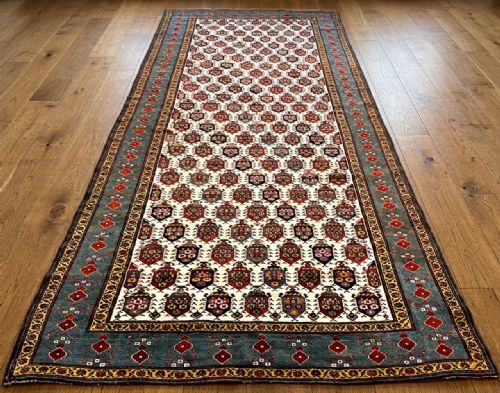
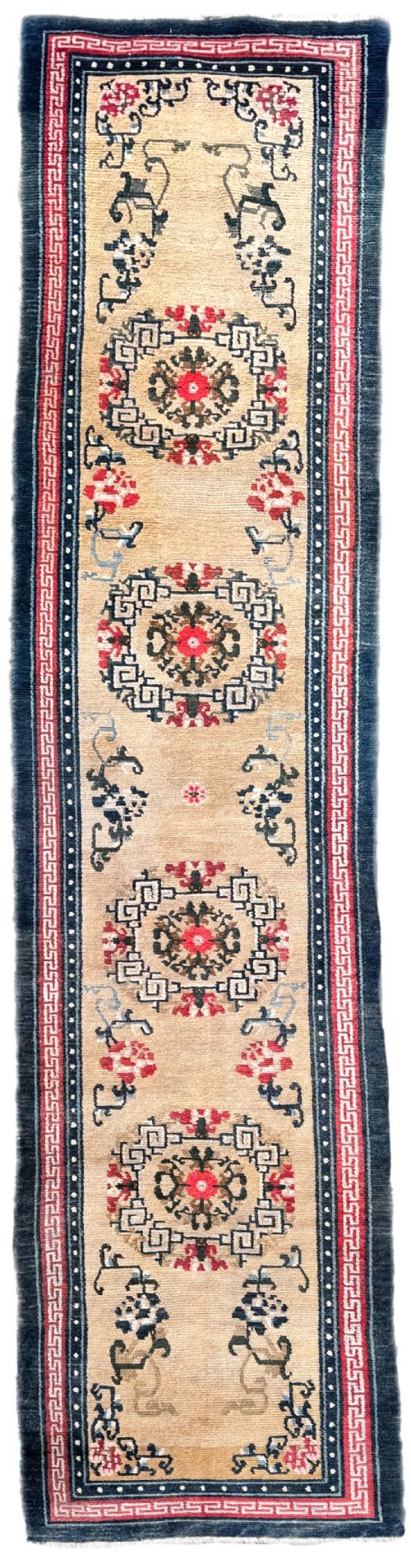
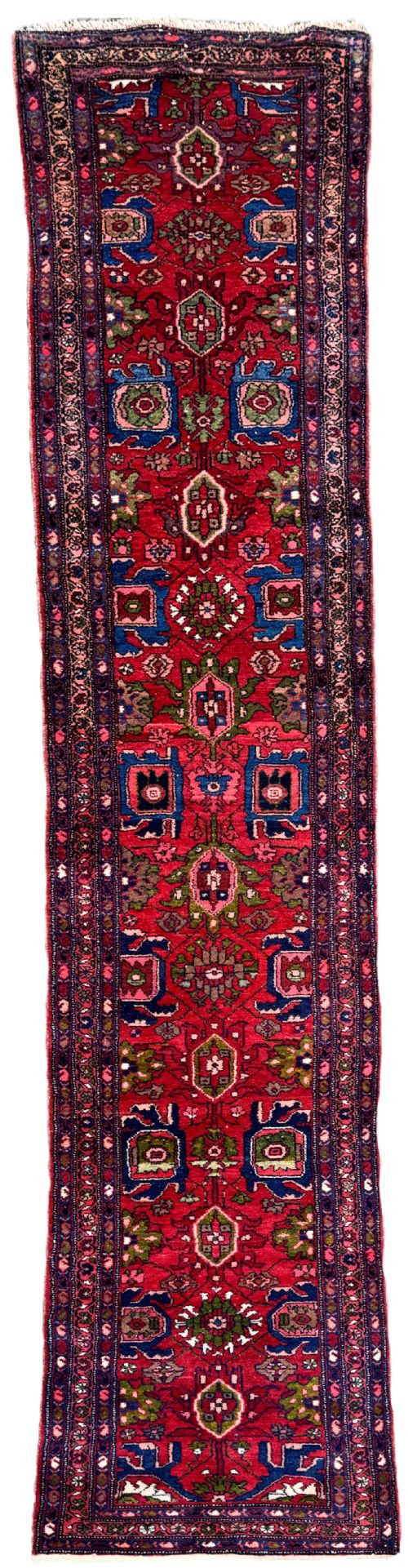
An oriental corridor rug serves as a long, narrow floor covering designed specifically for hallways, landings, and extended spaces within a home. These textiles bridge rooms while introducing rich patterns and historic charm to transitional areas.
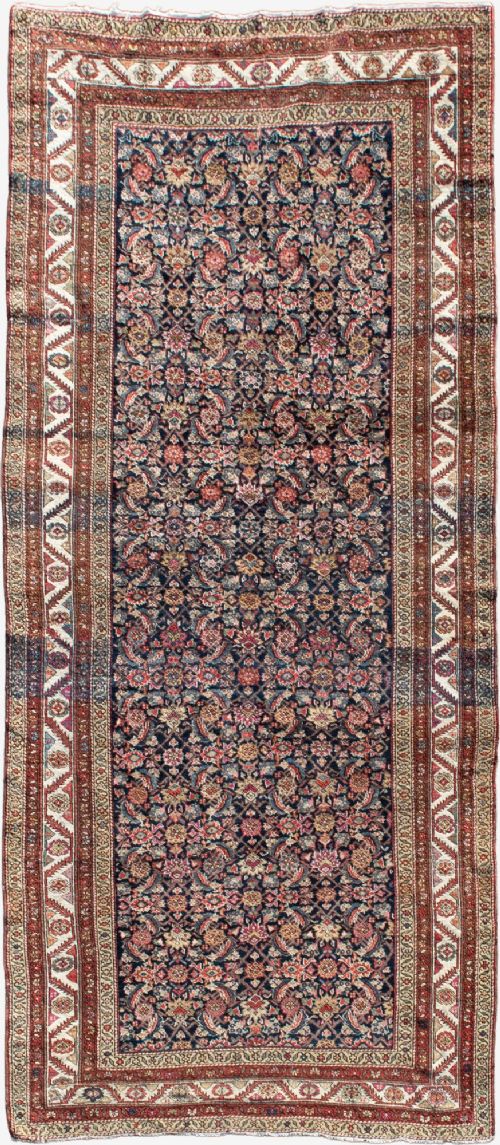
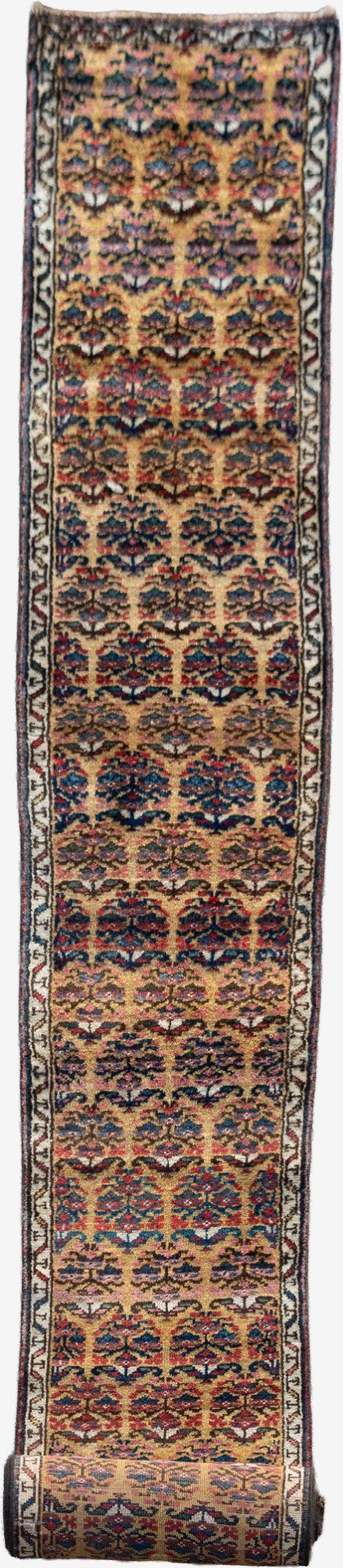
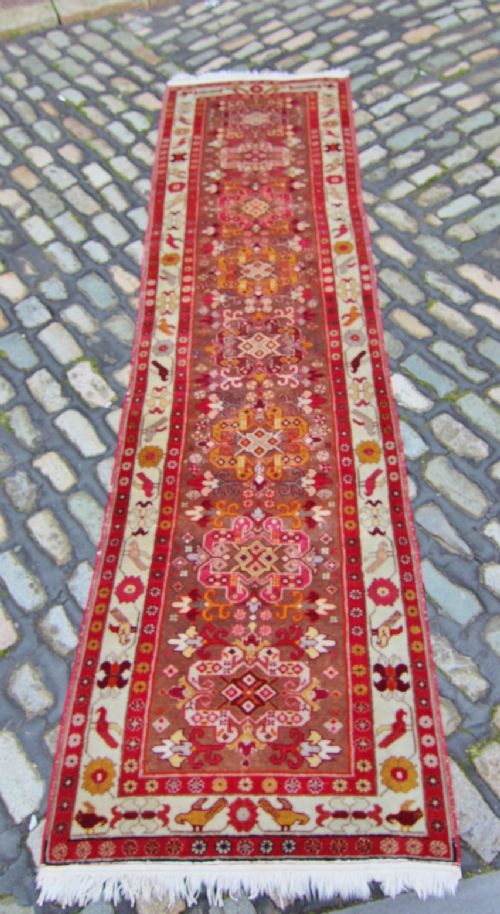
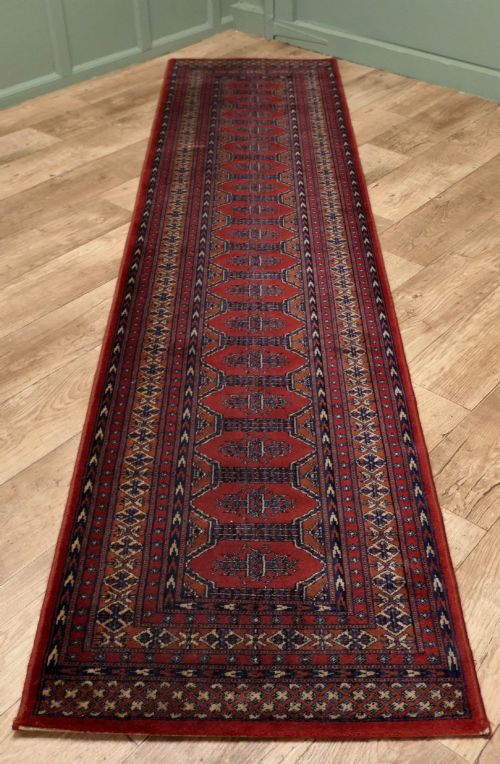
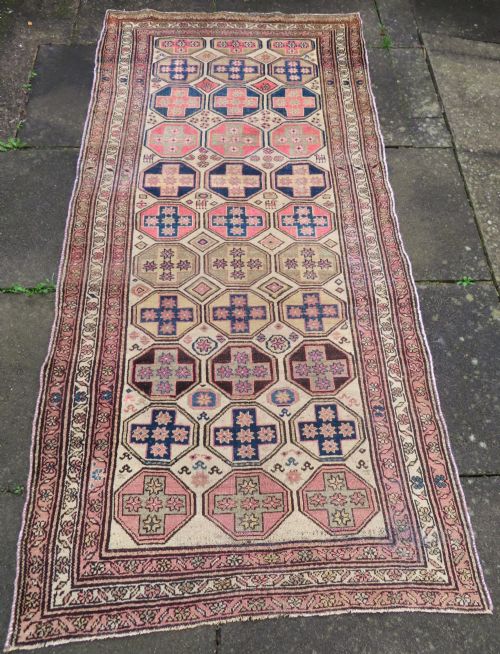
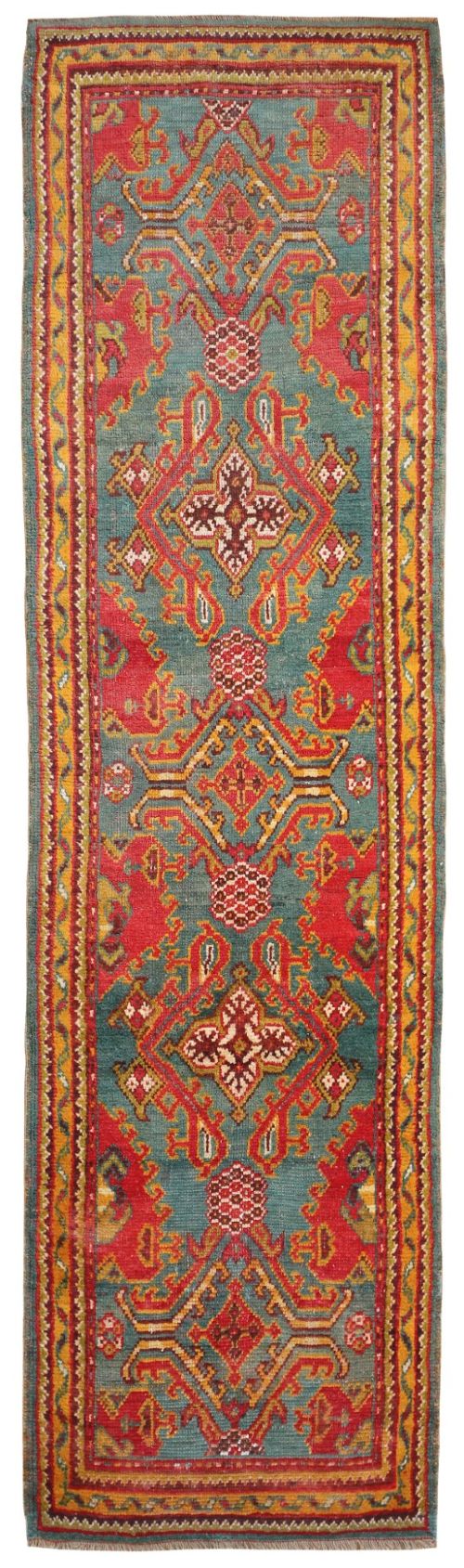
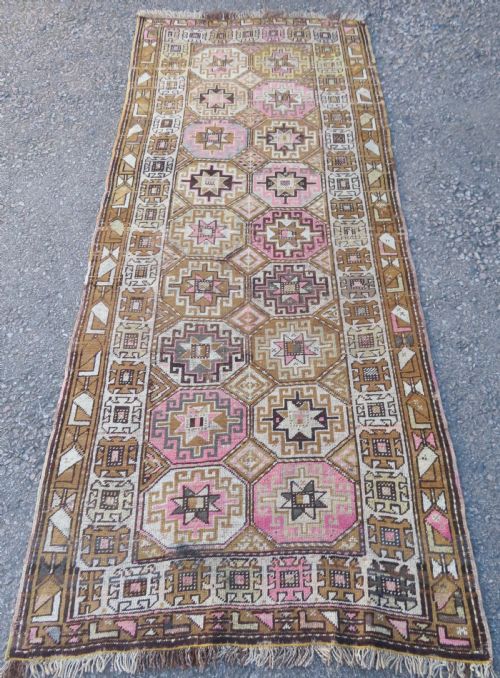
Buyers encountering this selection will find examples originating from Persian, Caucasian, Turkish, and Tibetan weaving traditions. The inventory spans from the middle of the nineteenth century through the early decades of the twentieth century, encompassing tribal and village designs.
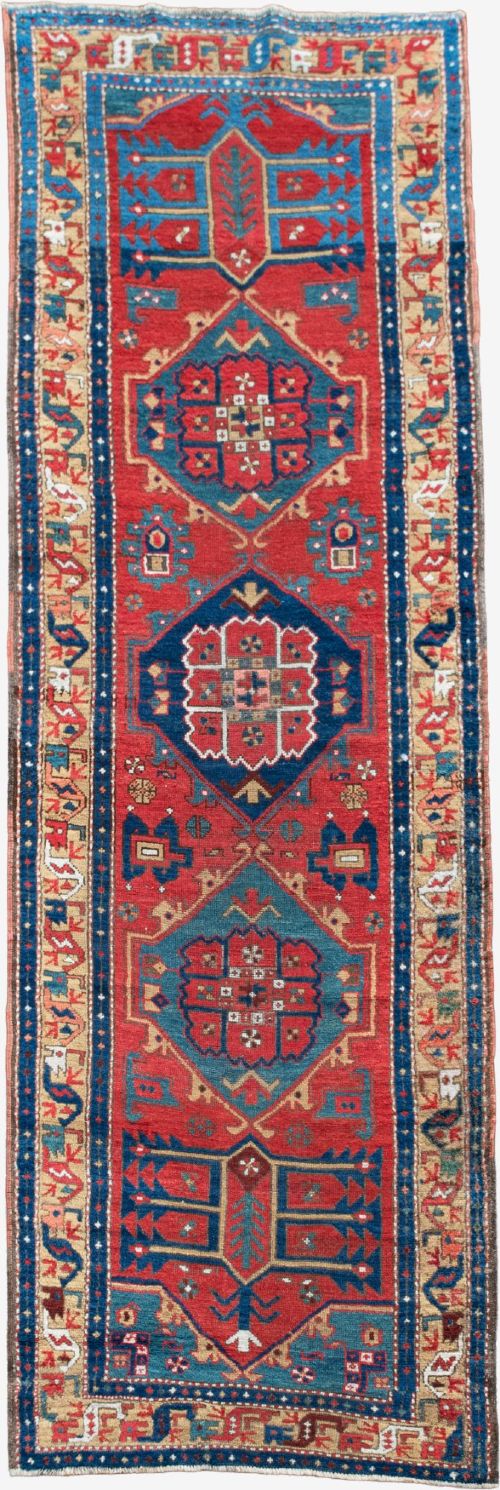
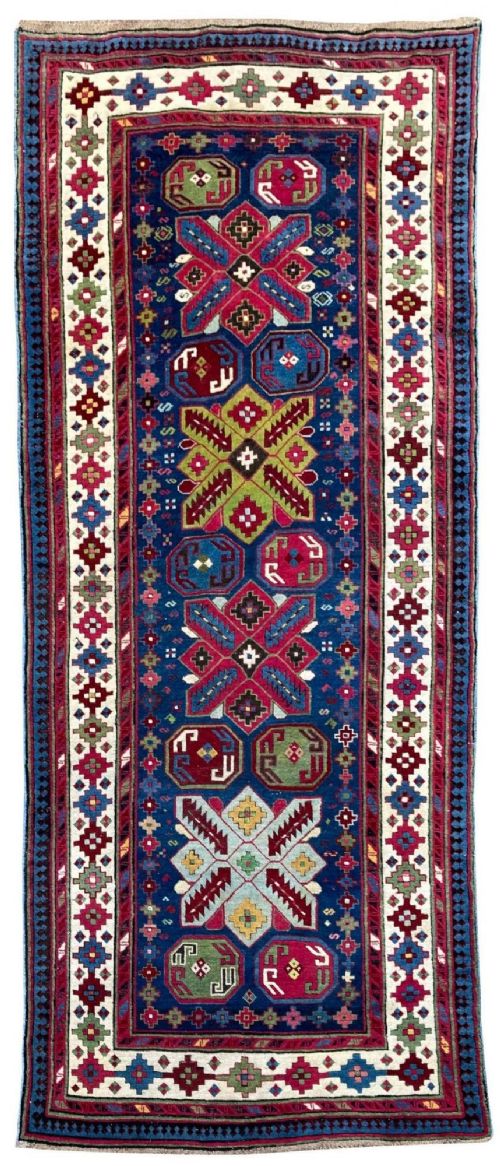
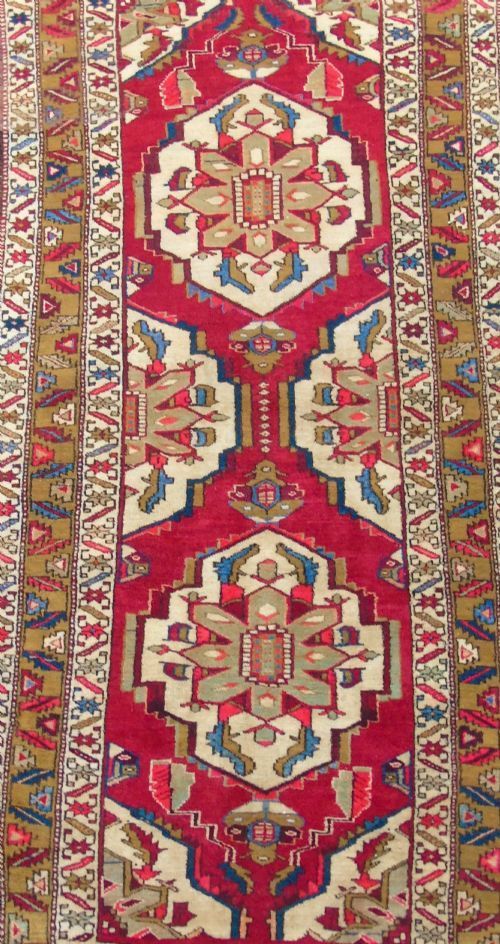
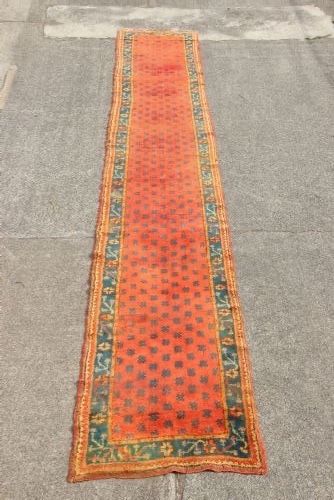
Formats range from compact hallway runners to exceptionally long corridor carpets exceeding five metres in length. Common regional varieties include Kurdish, Heriz, Ushak, Kazak, and Hamadan pieces, each displaying distinct geometric or floral motifs.
How They Were Made
Makers utilised natural materials such as wool, cotton, and hand-spun wool to construct these durable floor coverings. The foundation typically relies on sturdy cotton or wool warps and wefts, providing structural integrity for heavy foot traffic.
Weavers knotted or wove the pile by hand, incorporating traditional regional dyeing techniques to achieve lasting colour depth. Foundation structures and pile compositions reflect the specific nomadic or village workshops where each piece originated.
Oriental Corridor Rug Retail Price Guide 2026
Typical asking prices for oriental corridor rug among the pieces listed under this phrase on Sellingantiques today, from the lower quarter to the upper quarter. They describe what is for sale here now, not the wider market.
Several pieces embrace their age rather than hiding it, including one proudly described as crooked.
What Varies in Quality
The fineness of the weave and the complexity of the design dictate the relative refinement of an individual runner. Denser knotting and precise geometric or curvilinear execution distinguish exceptional village and tribal weaving from standard production.
The integrity of the wool, the retention of natural dye vibrancy, and the preservation of original edge finishes contribute significantly to the standing of a corridor rug. Purity of material and structural balance separate superior examples from more common types.
The Oriental Corridor Rug Glossary
- Runner
- A long, narrow carpet format intended for hallways, corridors, and stairs. These pieces balance passage dimensions with decorative impact.
- Kelleh
- A large, room-sized or elongated carpet format traditionally used alongside standard rugs in Persian domestic spaces. They offer broader proportions than standard corridor runners.
- Warp
- The vertical foundation threads stretched tightly on the loom before weaving begins. All knots and wefts are tied around these stationary longitudinal strands.
- Weft
- The horizontal threads passed alternately over and under the warp threads to secure the knots in place. This grid forms the stable backbone of the textile.
- Pile
- The upright surface of the rug formed by the cut ends of knotted yarn. This upper layer provides cushioning, warmth, and visual texture.
Oriental Corridor Rug: Frequently Asked Questions
Where should I place an oriental corridor rug?
These long formats suit narrow transit spaces such as hallways, grand corridors, and entrance foyers. They protect wooden flooring while defining walking paths through large rooms.
Position them centrally to allow an even border of exposed floor on either side, enhancing the perspective of the hallway.
How do I care for an antique wool runner?
Regular gentle vacuuming without a rotating brush roll removes grit that settles deep within the wool pile. Rotate the piece periodically to ensure even wear across high-traffic zones.
Professional specialist cleaning is recommended when deep maintenance is required, avoiding harsh chemical treatments that harm natural dyes.
What is the difference between a Kazak and a Heriz runner?
Kazak runners typically originate from the Caucasus region and feature bold, geometric medallions with primary primary colours like red and blue. Their aesthetic leans towards stark, tribal abstraction.
Heriz runners come from north-west Persia and generally display more structured, large-scale geometric central medallions with balanced floral integration.
How do I choose the correct length for my hallway?
Measure the clear walking area of your corridor, leaving a consistent margin of exposed floorboards or stone around the perimeter. Ensure doorways can swing freely over the thickness of the pile.
Longer corridors can accommodate extended formats or consecutive shorter runners, depending on the architectural layout.