



Oriental Ceramic Seat
An oriental ceramic seat brings substantial colour and texture to a room, offering both decorative presence and practical function.
Materials and construction
These pieces are constructed from dense ceramic bodies, predominantly porcelain, ironstone, or terracotta, shaped into robust hollow forms capable of supporting weight. The structural strength relies on thick walls and internal support rings formed during the initial shaping process before firing.
Surfaces are finished with coloured enamels, turquoise or blue and white glazes, and sometimes gilt highlights, applied over or under the glaze depending on the workshop tradition. Ironstone examples often show later clobbered decoration, where imported white or underglaze blue vessels received rich overglaze enamel painting in European workshops.
Assessing the pieces
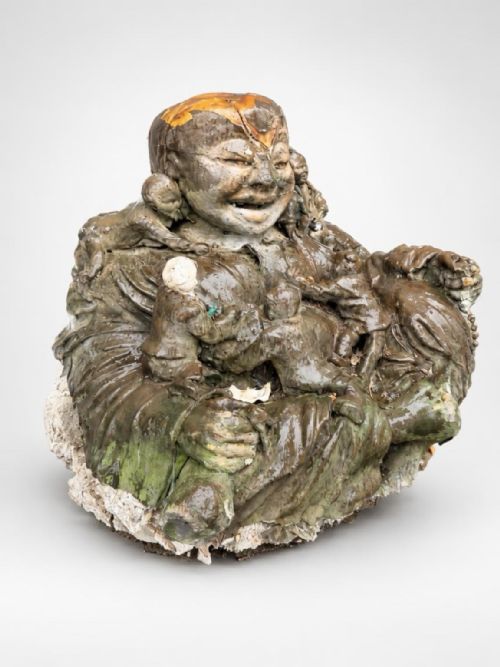
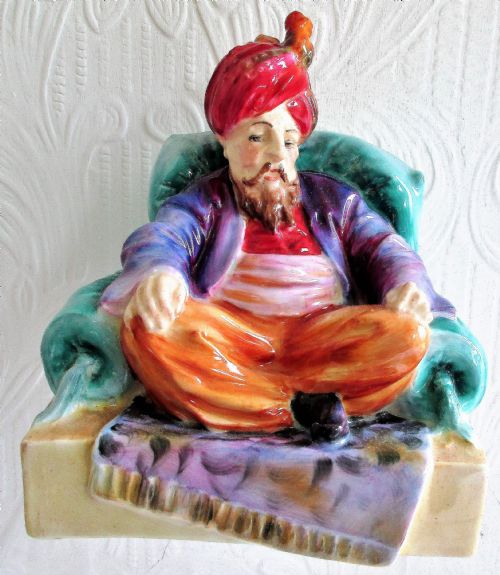
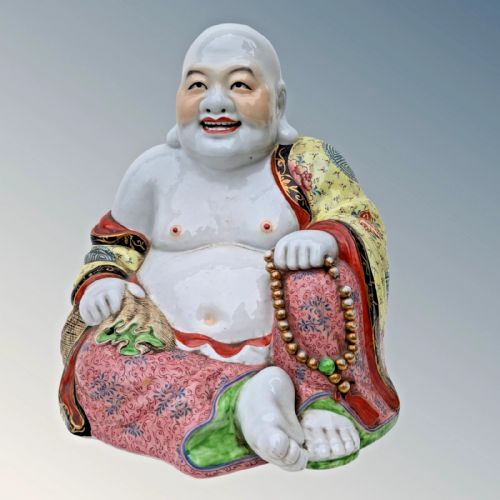
Quality in an oriental ceramic seat depends heavily on the crispness of the moulding and the depth of the glaze or enamel work. Finer examples display carefully painted details in the facial expressions of figures or the botanical motifs of famille rose palettes, rather than hasty, mechanical brushwork.
The weight, resonance of the ceramic body, and evenness of the glaze application separate ordinary utility wares from superior decorative objects. Greater age and more complex hand-applied polychrome enamels generally command closer attention from collectors.
Oriental Ceramic Seat Retail Price Guide 2026
Typical asking prices for oriental ceramic seat among the pieces listed under this phrase on Sellingantiques today, from the lower quarter to the upper quarter. They describe what is for sale here now, not the wider market.
Royal Doulton·Zhu Mao Ji
The Oriental Ceramic Seat Glossary
- Famille Rose
- A palette of opaque overglaze enamels introduced in the eighteenth century, dominated by pink and rose colours.
- Clobbered
- A term describing older plain or blue and white ceramics that received additional overglaze decoration at a later date.
- Ironstone
- A heavy, durable type of earthenware patented in the nineteenth century to imitate Chinese porcelain.
- Chinoiserie
- A European artistic style reflecting Chinese motifs and decorative techniques, popular during the Regency period and beyond.
- Turquoise Glaze
- A vibrant copper-based glaze producing a bright blue-green surface finish seen on various decorative figures and vessels.
Oriental Ceramic Seat: Frequently Asked Questions
Can I use an oriental ceramic seat outside?
Many of these pieces were originally designed for outdoor use in gardens or courtyards, particularly glazed porcelain and terracotta garden stools.
However, extreme frost can damage older or more delicate enamelled pieces, so bringing them indoors during winter is generally recommended.
How do I clean a glazed ceramic seat?
Maintenance requires only a soft cloth and warm soapy water to remove dust and everyday grime without harming the glaze.
Avoid abrasive cleaners or harsh chemical solvents that might dull overglaze enamels or gilt highlights.
Are these seats comfortable to sit on?
While structurally sturdy enough for seating, barrel-shaped garden seats have rigid flat or slightly domed tops without upholstery.
They function best as occasional seats, or more frequently as stable side tables, plant stands, and sculptural accents.
How do I date a ceramic garden seat?
Dating relies on examining the characteristics of the ceramic body, the style of the hand-painted enamels, and any crazing in the glaze.
Nineteenth-century examples often display heavier potting and specific palette combinations like Canton famille rose that differ from twentieth-century Republic period production.