




Oriental Ceramic Lighting
Oriental ceramic lighting brings historical porcelain vessels and jars into modern rooms as functional table lamps.
Oriental Ceramic Lighting
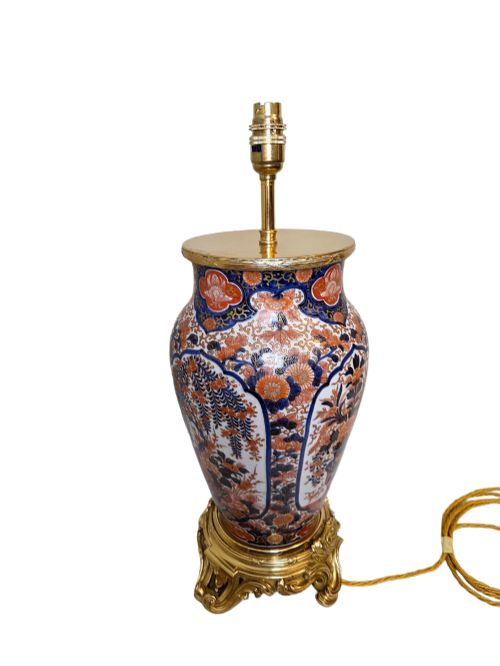
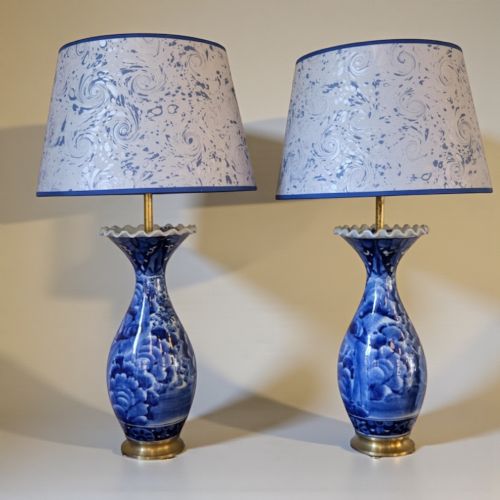
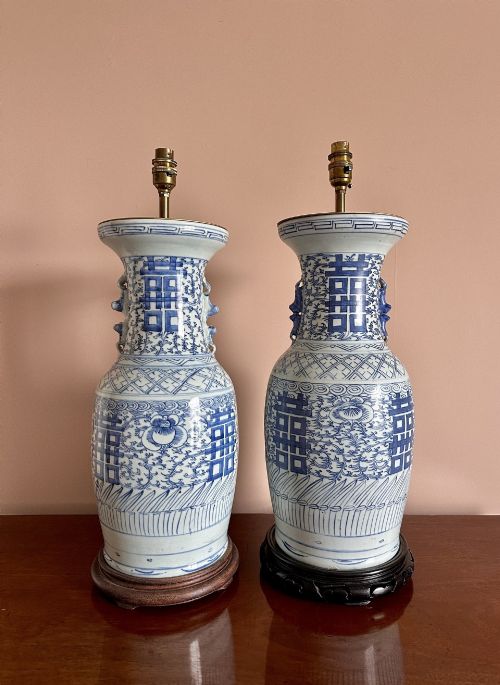
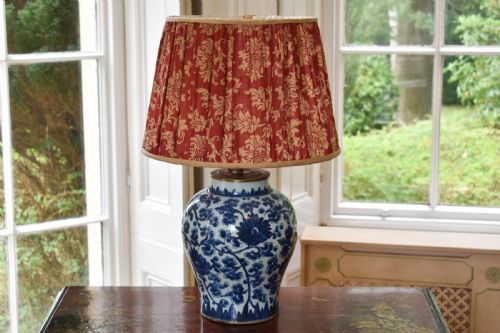
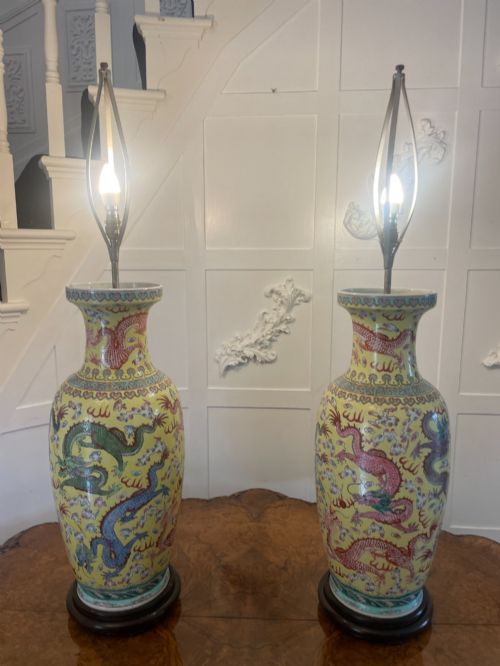
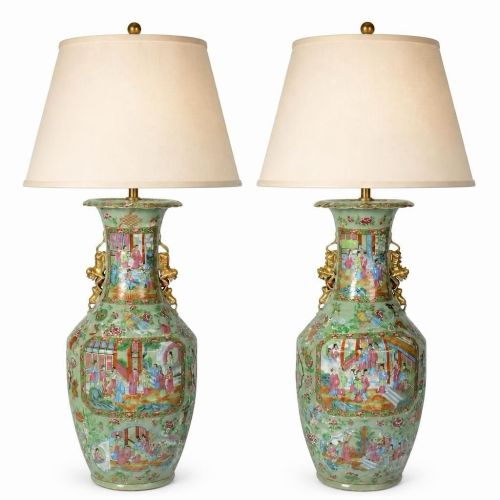
Oriental ceramic lighting consists primarily of table lamps fashioned from converted vases, ginger jars, and candlesticks originating in China and Japan. These pieces span multiple centuries, with nineteenth-century examples forming the core of what buyers encounter.
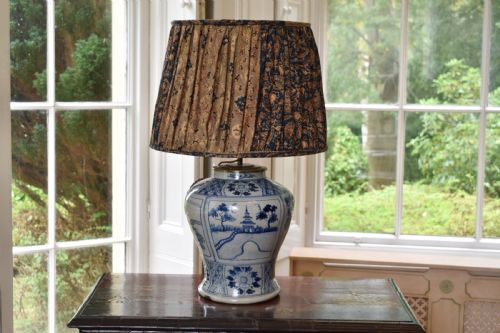
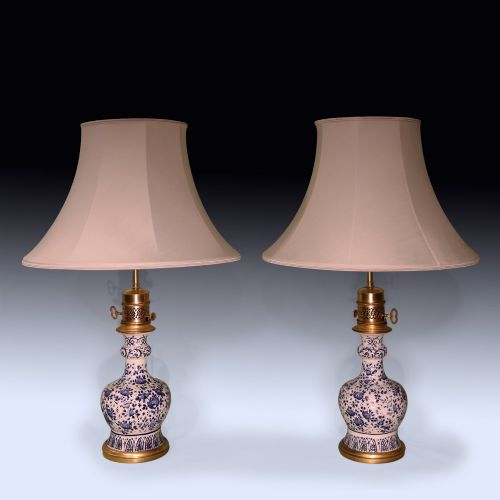
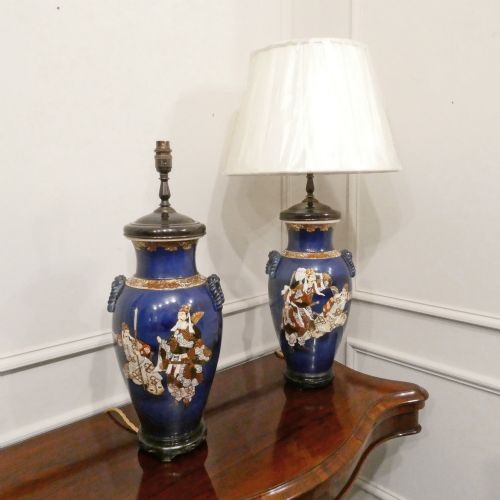
The conversions often incorporate traditional forms such as blue and white jars, Satsuma earthenware, and celadon vases fitted for electrical wiring. Many survive as matched pairs, though single lamp bases also appear regularly.
Stylistic influences range across Qing Dynasty aesthetics, Japanese Meiji period works, and later European interpretations in the Chinese taste. Each piece bridges historical ceramic artistry with practical illumination.
Materials and construction methods
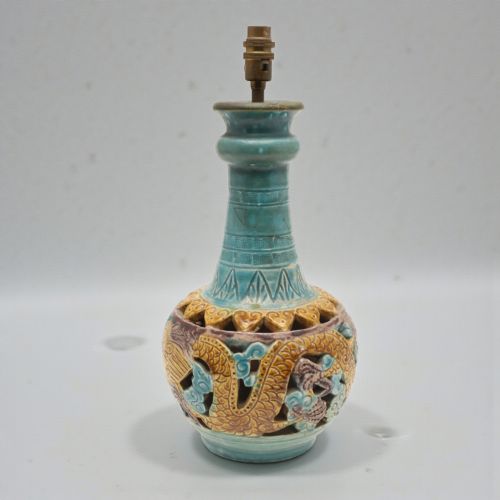
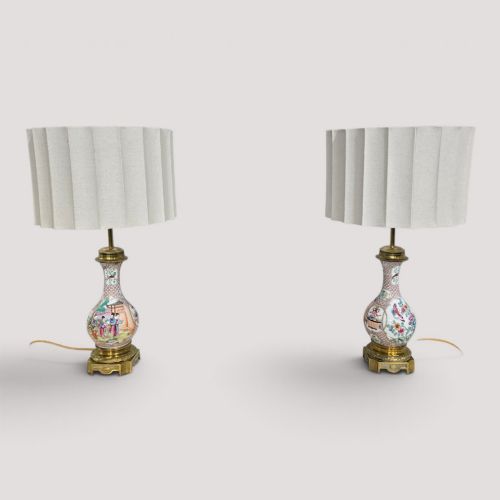
The primary bodies utilise porcelain, earthenware, and ironstone, decorated with enamel, underglaze blue, or coloured glazes. Makers mounted these ceramic vessels onto brass, ormolu, gilt bronze, wood, and metal bases to stabilise the converted lamps.
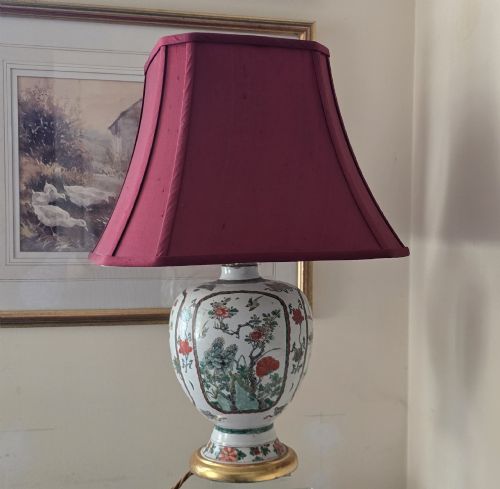
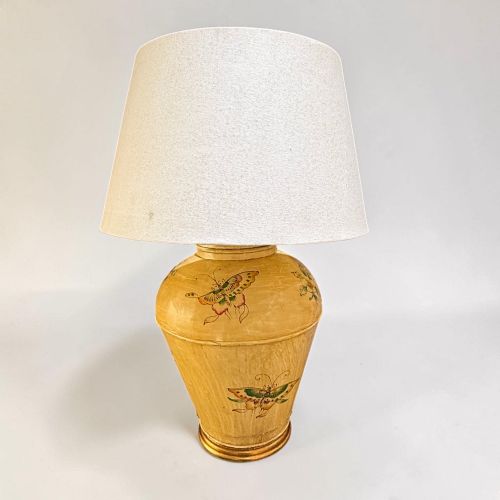
Many items incorporate fabric and silk shades that complement the palette of the hand-painted or crackleware ceramic bodies below. The adaptation process typically involves drilling or securing structural hardware through the original base or neck without destroying the core vessel.
Oriental Ceramic Lighting Retail Price Guide 2026
Typical asking prices for oriental ceramic lighting among the pieces listed under this phrase on Sellingantiques today, from the lower quarter to the upper quarter. They describe what is for sale here now, not the wider market.
Shi Lions sit quietly on guard duty, transformed from temple guardians into surprisingly polite bedside companions.
Factors determining quality
Quality rests significantly on the artistic merit and preservation of the original ceramic body, whether painted in intricate Famille Rose, Famille Verte, or crisp blue and white. The delicacy of the hand-painting and the depth of the glaze distinguish superior specimens.
The refinement of the metal mounts, such as cast ormolu or brass collars, contributes substantially to the overall standard of the finished piece. Integrated pairs showing harmonious proportions and matched ceramic bodies command particular attention.
The Oriental Ceramic Lighting Glossary
- Satsuma
- A type of Japanese earthenware characterised by a pale ivory crackle glaze and detailed polychrome and gilt enamel decoration. These wares were frequently adapted into nineteenth and early twentieth-century table lamps.
- Famille Rose
- A palette of Chinese porcelain enamels dominated by opaque pink or rose colours introduced during the Qing Dynasty. Lamps utilising these panels display floral and figural scenes.
- Ginger jar
- A wide-shouldered, bulbous storage vessel originally used for spices or salt, commonly converted into a rounded lamp base. They appear frequently in blue and white or monochrome glazes.
- Ormolu
- Gilt bronze mounts applied to furniture and ceramics, often added during the nineteenth century to elevate the decorative status of converted vase lamps. This French technique provides ornate handles, bases, and neck fittings.
Oriental Ceramic Lighting: Frequently Asked Questions
How do I choose a lampshade?
Select a shade that matches the scale of the ceramic body and complements its dominant colours. Silk and fabric shades in neutral tones often balance intricate patterns on nineteenth-century vases.
Ensure the fitting matches the harp and bulb holder specifications of the lamp base. Proportion remains the primary guide for achieving a balanced silhouette.
Are these lamps converted from old vases?
Many examples are historical vases, ginger jars, and candlesticks adapted into lamps during the nineteenth or twentieth centuries. The underlying ceramics frequently date from the seventeenth to the nineteenth centuries.
Conversion methods vary, with some retaining the integrity of the original vessel through non-destructive mounting techniques. This dual history adds to the character of each piece.
How do I date an oriental ceramic lamp?
Dating relies on examining the ceramic body, glaze characteristics, and any associated metal mounts or stylistic marks. Nineteenth-century pieces dominate current selections, alongside occasional seventeenth-century and early twentieth-century examples.
Styles such as Japanese Meiji or Chinese Qing Dynasty provide clear chronological markers. Hardware and wiring styles also offer clues to when the conversion took place.
Do these lamps come in pairs?
Matched pairs appear frequently among listings, particularly for nineteenth-century Satsuma, blue and white, and Famille Rose pieces. These are ideal for symmetrical placement on sideboards or bedside tables.
Single lamp bases also feature prominently for accent lighting. Both options offer distinct ways to integrate historical ceramics into interior schemes.