



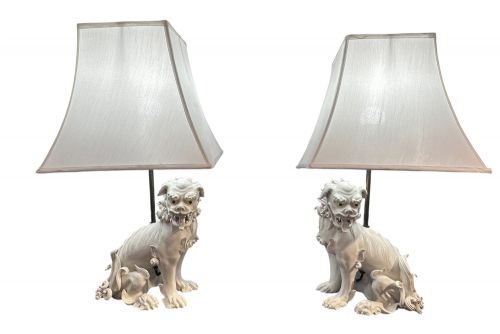

Oriental Ceramic Lamps
Oriental ceramic lamps bring distinct cultural craftsmanship into a room, offering striking forms and painted decoration that draw the eye.
Oriental ceramic lamps
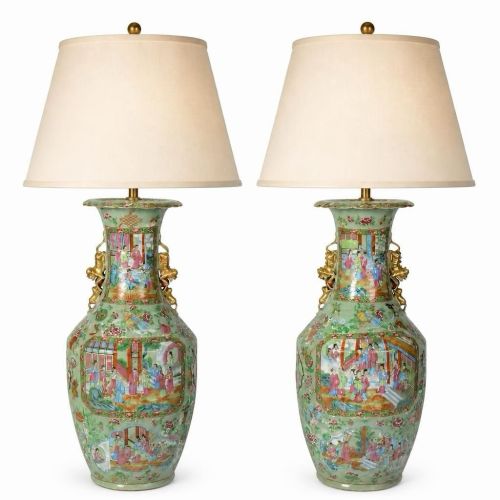
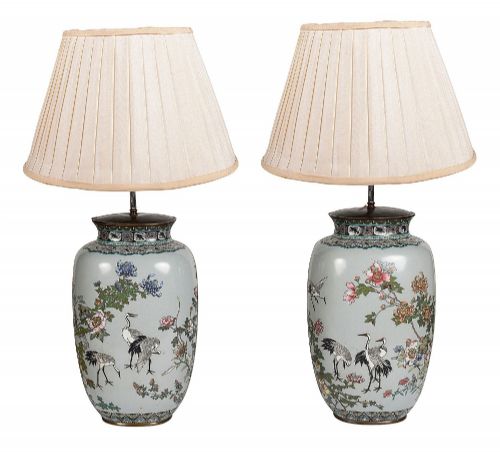
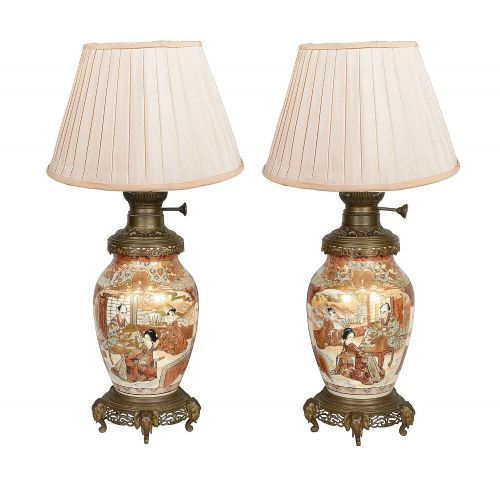
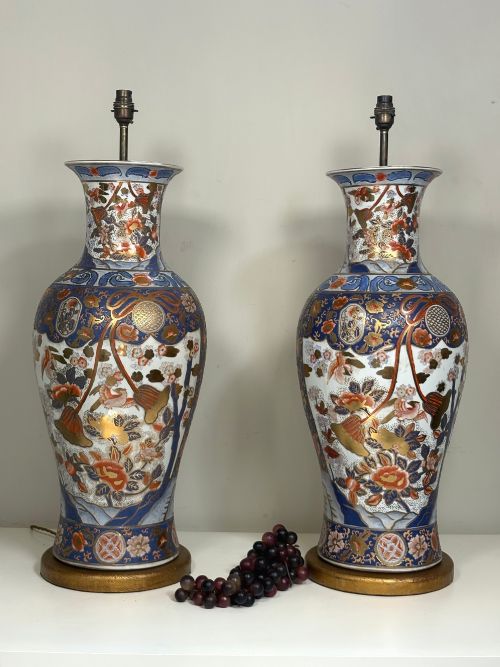
Oriental ceramic lamps draw upon traditions from Chinese Qing Dynasty and Japanese Meiji periods, adapting historic vases into functional illumination. The pieces appearing here consist exclusively of pairs of table lamps formed from ceramic vessels.
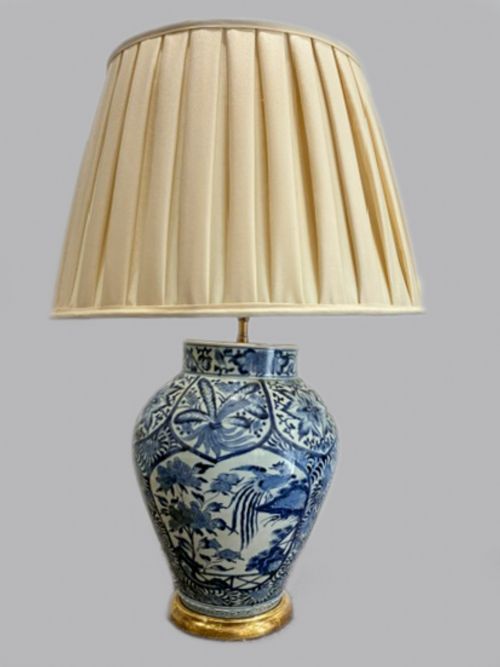
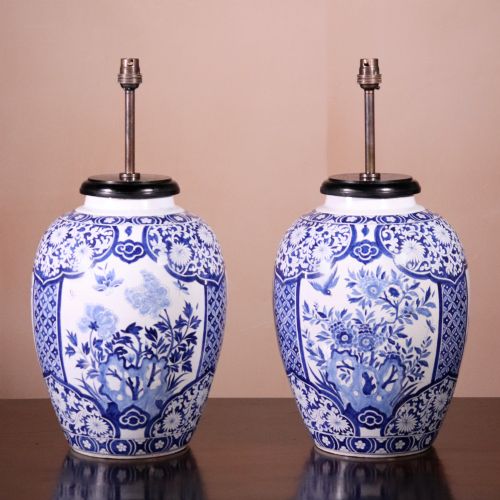
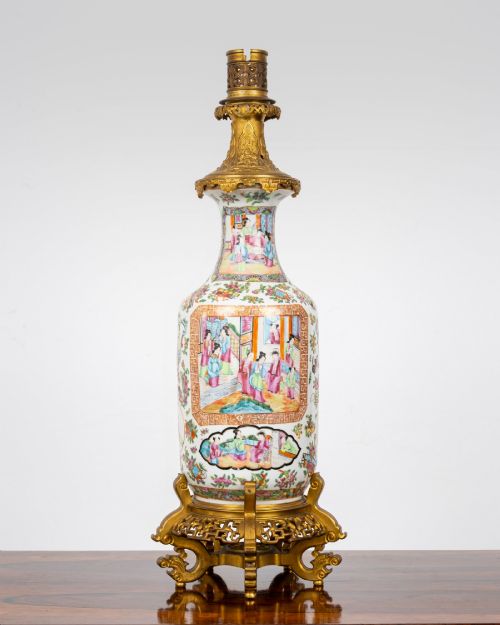
Buyers frequently encounter 19th century items, particularly pieces dated around 1880. These works encompass Chinese famille rose, yellow and green ground designs, and Japanese blue and white compositions.
Construction and Materials
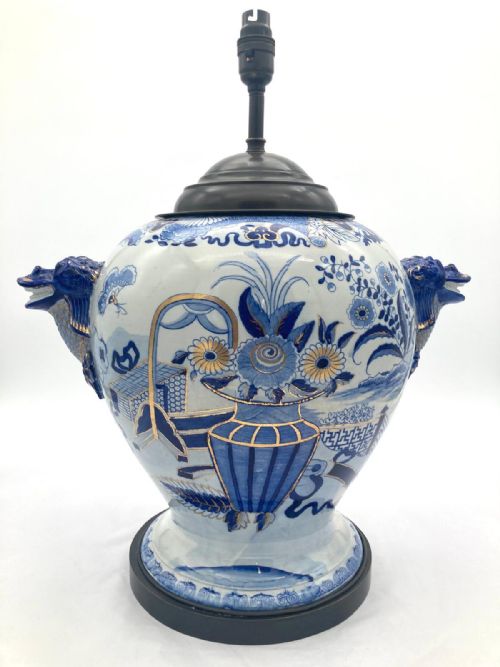
Makers adapted existing vase forms by pairing the ceramic bodies with supportive wooden bases and metallic wiring components, bridging historical pottery with modern electrical utility.
Retail Price Guide 2026
Typical UK retail prices for oriental ceramic lamps, calculated from the Sellingantiques database of over a million retail prices indexed since 2003. This retail price guide relies exclusively on Sellingantiques data; no external sources or auction records are used, so the figures do not describe the wider market.
Listings feature porcelain, ceramic, brass, gilt metal, wood, and fabric materials across nineteenth-century Chinese and Japanese forms.
Assessing Quality
Quality rests upon the precision of the hand-painted decoration upon the porcelain body and the harmony of the metal and wooden mounts. Pieces featuring vibrant famille rose palettes or controlled blue and white pigments demonstrate superior artistic execution.
The integrity of the original ceramic vessel dictates the standing of the piece. Well-preserved surfaces without excessive wear separate standard decorative items from finer examples of period conversion.
The Oriental Ceramic Lamps Glossary
- Famille rose
- A palette of opaque overglaze enamel colours introduced in Chinese ceramics, dominated by pink and rose hues. This technique allows for nuanced shading on floral and figurative designs.
- Meiji period
- The era in Japanese history spanning from 1868 to 1912, known for distinct decorative arts exported to Western markets. Objects from this time often display refined blue and white painting.
- Chinoiserie
- A Western style reflecting European interpretations of Chinese and East Asian artistic traditions. It influences the decorative context in which these lamps are placed.
- Qing Dynasty
- The final imperial dynasty of China, lasting from 1644 to 1912. Ceramics from this period provide the body forms frequently adapted into nineteenth-century lamps.
Frequently Asked Questions
Are these lamps wired for modern use?
These pieces function as table lamps fitted with modern electrical components while retaining their historic ceramic bodies.
They are designed to sit safely on standard furniture surfaces while casting ambient light.
How do I identify a Meiji period lamp?
Japanese Meiji period lamps often feature characteristic blue and white motifs painted onto porcelain or ceramic bodies.
These pieces reflect the distinct aesthetic developments of late nineteenth-century Japanese craftsmanship.
What materials make up the base?
The primary body consists of porcelain or ceramic, frequently complemented by wood, brass, metal, or gilt metal mounts.
These combined materials provide both structural stability and decorative contrast to the painted vessels.
How do I style an Oriental lamp?
Pairs of these table lamps work effectively on sideboards, consoles, or large tables where their height and colour can anchor the space.
Their patterned surfaces pair well with complementary fabric shades that echo the tones of the ceramic base.