



Oriental Carved Wood Ornaments
Oriental carved wood ornaments bring hand-carved figures, animals and display stands into the home, offering centuries of regional detail and artistry.
Oriental Carved Wood Ornaments
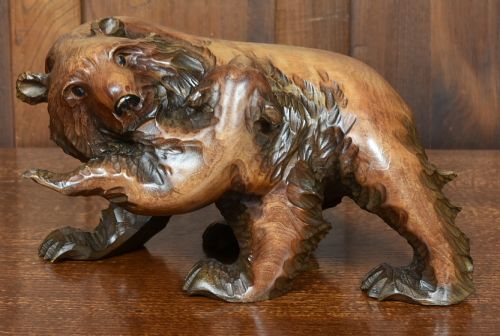
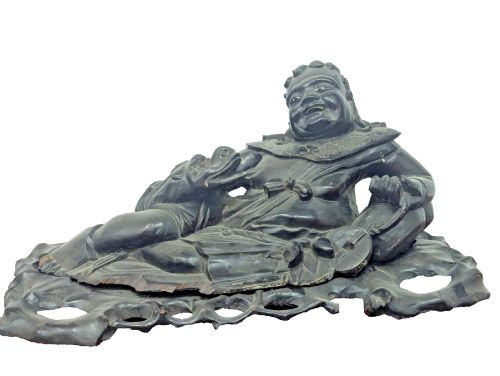
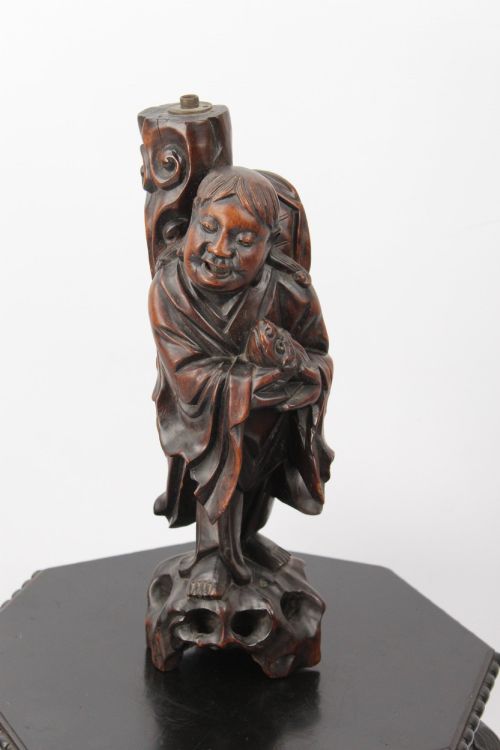
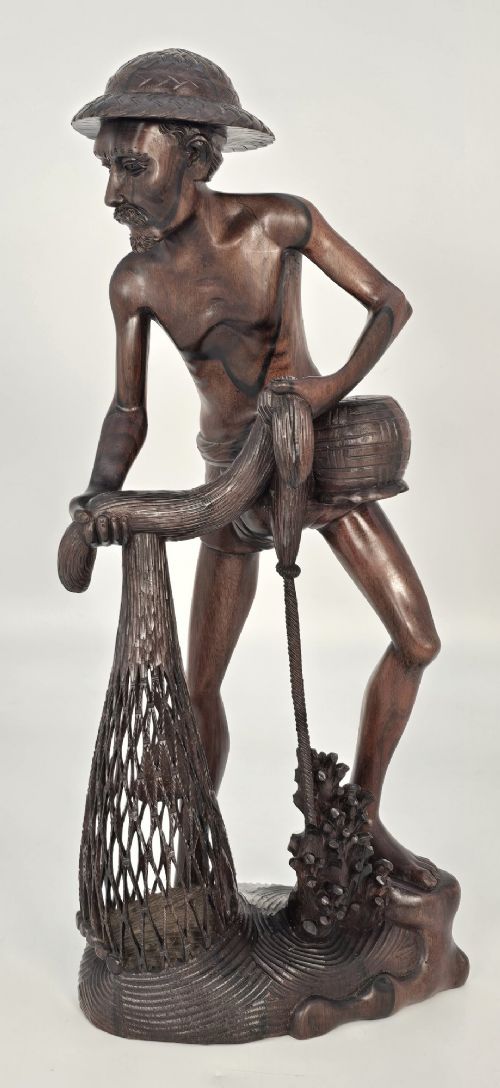
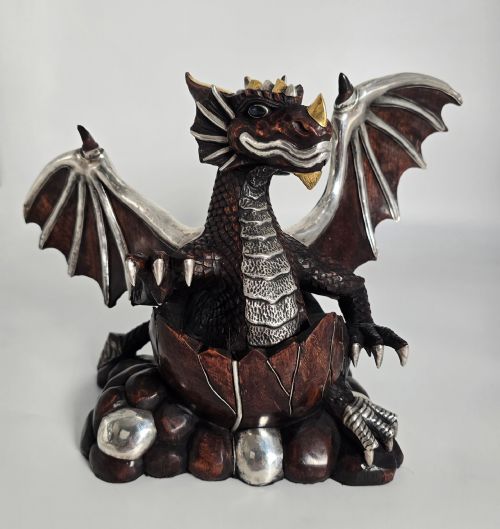
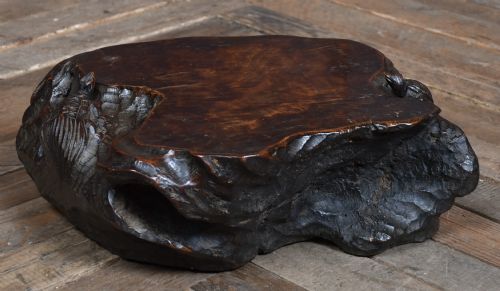
Oriental carved wood ornaments encompass a diverse range of sculptures, figures, and stands originating from Chinese and Japanese traditions. When exploring this selection, buyers encounter everything from large figures of Budai and Daoist immortals to intricate okimono and bonsai display stands.
The pieces span various periods, including the Victorian era, the nineteenth century, and the Qing Dynasty. Hardwood figures of water buffaloes, elephants, and fishermen appear frequently alongside root wood carvings and detailed table screens.
Originating from distinct Asian craft traditions, these decorative sculptures serve as focal points for interior spaces. Each item reflects the specific cultural motifs and subject matter popular during its respective period.
Materials and construction methods
Makers utilised dense hardwood, root wood, and boxwood to achieve deep, durable relief and freestanding figures. These organic materials allowed artisans to carve intricate details such as facial expressions, animal fur, and naturalistic textures.
Selected pieces incorporate mixed metal mounts, bone, soapstone, or silvered metal to accent the primary wooden structure. The careful joining of components and the smoothing of surfaces demonstrate traditional woodworking techniques passed down through generations.
Oriental Carved Wood Ornaments Retail Price Guide 2026
Typical asking prices for oriental carved wood ornaments among the pieces listed under this phrase on Sellingantiques today, from the lower quarter to the upper quarter. They describe what is for sale here now, not the wider market.
Current listings feature hardwood, boxwood, root wood, soapstone, and bone across nineteenth-century and early twentieth-century periods.
Factors that define the grade
The depth and precision of the carving distinguish finer examples from simpler workshop output. Superior pieces display anatomical accuracy in human and animal subjects, alongside subtle undercutting that creates a sense of three-dimensional movement.
The natural figure and grain of the chosen timber contribute significantly to the overall presence of the sculpture. Selection of high-grade hardwood paired with well-preserved surface patination elevates the visual impact of the ornament.
The Oriental Carved Wood Ornaments Glossary
- Okimono
- A Japanese freestanding ornamental carving designed for display on a shelf or in a tokonoma. These pieces typically depict figures, animals, or legendary scenes.
- Root wood
- Timber formed from the root mass of a tree, prized for its gnarled, organic shapes that makers incorporate directly into figurative designs.
- Table screen
- A portable decorative panel supported by an intricate carved wooden stand. These items frequently combine textiles or stone with detailed woodwork.
- Qing Dynasty
- The final imperial dynasty of China, spanning the seventeenth to the early twentieth century. Objects from this period often display deep relief carving and traditional iconography.
Oriental Carved Wood Ornaments: Frequently Asked Questions
Where should I place these ornaments?
These carvings suit prominent surfaces such as sideboards, mantelpieces, or dedicated display tables where their detail remains visible. Placing them away from direct sunlight and extreme temperature fluctuations protects the timber from splitting.
Pairing smaller okimono or stands with complementary decorative objects creates balanced vignettes in living spaces or studies.
How do I clean wooden carvings?
Dust the surfaces gently using a soft, dry brush or a clean microfibre cloth to remove particulate matter from deep crevices. Avoid using water, liquid polishes, or chemical cleaners that can damage the historical finish.
Maintaining a stable indoor humidity level prevents the wood from drying out or expanding over time.
What subjects do these figures represent?
Common subjects include mythological figures, Daoist immortals, and revered historical personages like Budai. Animals such as elephants, water buffaloes, tigers, and rabbits also appear frequently.
Many of these motifs carry traditional symbolic meanings associated with prosperity, longevity, and harmony with nature.
How do I identify Japanese Meiji period pieces?
Meiji period carvings often display dynamic naturalism and meticulous attention to fine textural details. Figures like human okimono or animal studies showcase the height of Meiji craftsmanship.
Comparing the subject matter and carving style to documented examples helps establish the late nineteenth-century origin.