
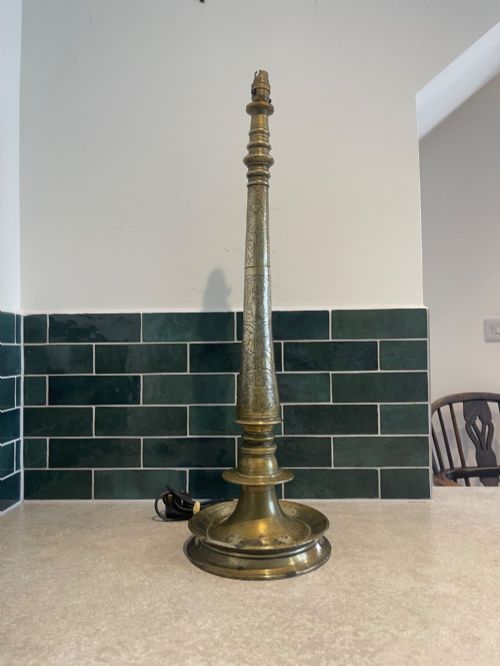
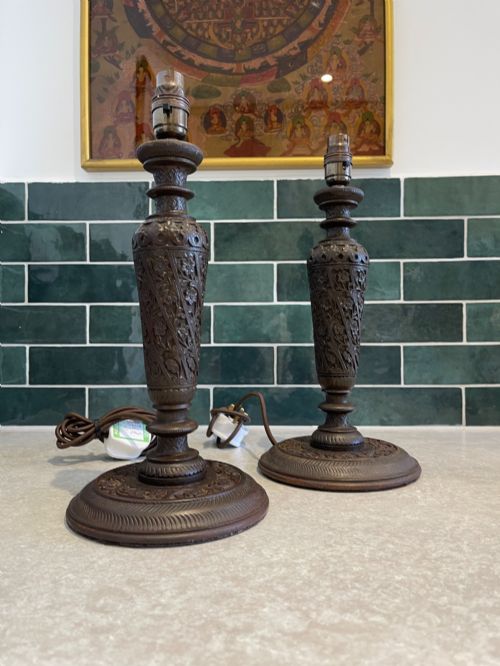
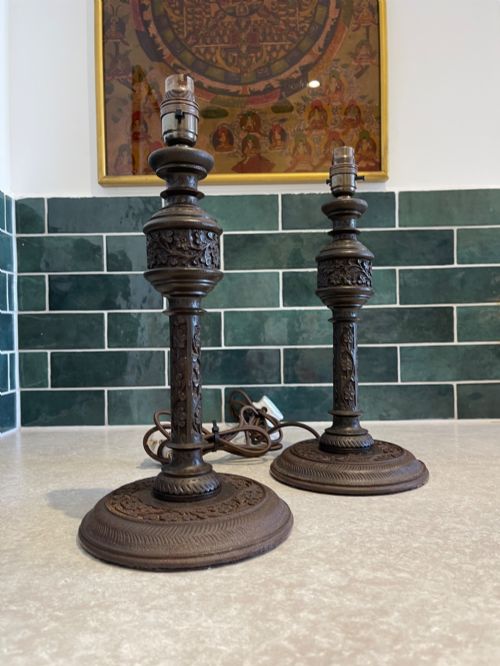


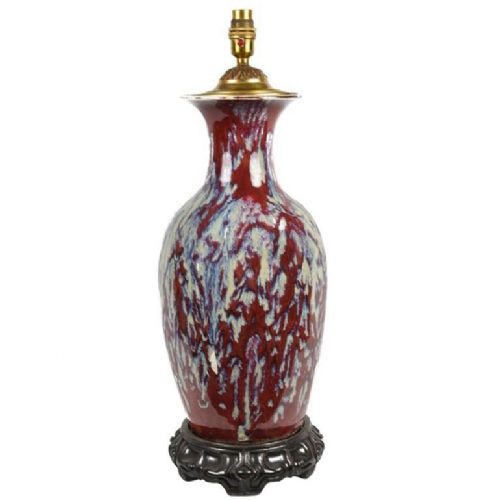


Oriental Carved Lamp Base
An oriental carved lamp base brings immediate texture and cultural depth to a room, drawing the eye with rich material and intricate handwork.
Oriental Carved Lamp Base
An oriental carved lamp base is typically sourced from Asian and British colonial workshops, encompassing table lamps, pedestals and torchieres designed to hold electric fittings. When you search for this phrase, you encounter pieces that translate traditional Asian vessels and architectural elements into domestic lighting.
The selection on this page relies heavily on nineteenth-century Chinese ceramics and root wood, alongside Japanese bronzes and Indian brass work. These forms range from converted porcelain ginger jars and celadon vases to figural animal bronzes and deeply carved hardwood pillars.
Geographic origins span across China, Japan, India and Indonesia, reflecting diverse stylistic traditions from the Qing Dynasty to the Meiji period. Buyers most frequently meet carved wooden root forms and glazed porcelain bodies adapted for modern interiors.
How they were made
Materials divide broadly between dense hardwoods, cast metals and fired porcelain, each shaped by traditional artisan methods. Carved root wood and hardwood pieces display intricate hand-chiselled details, while bronze animals and figures utilise complex foundry casting techniques.
Porcelain elements such as famille verte, famille rose and celadon vases originate as high-fired ceramic vessels later drilled and fitted for electrical wiring. Brass and bronze components demonstrate patination achieved through metalworking processes native to specific regional workshops.
Elephants and dragons stand guard in bronze among the root wood.
What varies in quality
Quality rests primarily on the depth and clarity of the manual carving and the original integrity of the material. Superior hardwood and root wood bases show confident, sharp tool marks that define natural contours rather than soft, mechanical smoothing.
In ceramic and bronze examples, the standard is judged by the crispness of the glaze or casting and the successful integration of the lamp fittings without compromising the antique body. Weight, stability and the preservation of original surface patination distinguish finer examples from standard production.
The Oriental Carved Lamp Base Glossary
- Root wood
- Timber formed from the root mass of a tree, highly prized for gnarled, organic shapes utilised in Chinese carving. Artisans follow the natural grain to create sculptural lamp bodies.
- Celadon
- A term for ceramics denoting a pale green or grey-green glaze resembling jade. This finish originates in China and appears frequently on nineteenth-century vase lamps.
- Torchiere
- A tall standing lamp designed to direct light upwards toward the ceiling. These pieces often feature substantial carved wooden columns.
- Famille verte
- A Chinese porcelain palette dominated by green enamel overglaze colours, developed during the Qing dynasty. Pieces utilising this style display vibrant botanical and figurative scenes.
- Meiji Period
- The era in Japanese history spanning from 1868 to 1912, known for accomplished bronze casting and decorative arts. Works from this time often incorporate dynamic animal subjects.
Oriental Carved Lamp Base: Frequently Asked Questions
Are these lamps wired for modern use?
Most antique lamp bases arrive fitted with contemporary electrical wiring and plugs suitable for domestic sockets. Buyers should inspect the flex and plug upon arrival to ensure compliance with current safety standards.
Rewiring is straightforward for a qualified electrician if the existing components require updating to match your interior setup.
How do I clean a carved wooden lamp base?
Dust the intricate crevices regularly using a soft-bristled brush or a dry microfiber cloth. Avoid applying liquid cleaners or polishes to dry historic timber, as moisture damages the aged surface.
Gentle maintenance preserves the natural patination built up on the wood over decades of handling.
Can I replace the fabric shade safely?
Fabric shades can be swapped easily to suit your room colour scheme, provided the harp or carrier fitting matches the bulb holder. Ensure the new shade allows adequate clearance from the bulb to prevent overheating.
Proportion is key when selecting a replacement shade to balance the height and weight of the carved base.
How do I date a porcelain vase lamp?
Dating relies on stylistic markers such as glaze characteristics, potting techniques and decorative motifs typical of the nineteenth century. Unmarked pieces require careful comparison with documented ceramic standards from specific dynasties.
Drilling holes for electrical conversion often obscures base marks, making visual assessment of the glaze crucial.