






Oriental Carved Furniture
Oriental carved furniture brings intricate craftsmanship and rich timber into a room, offering functional forms shaped by distinct global traditions.
Oriental Carved Furniture
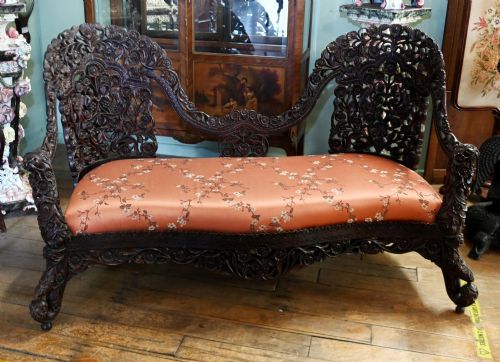
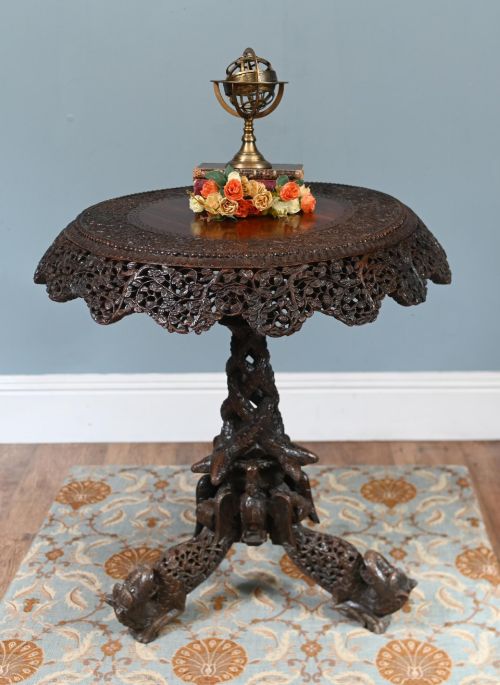
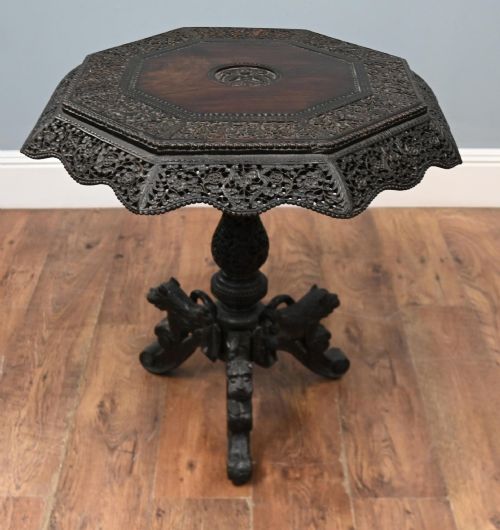
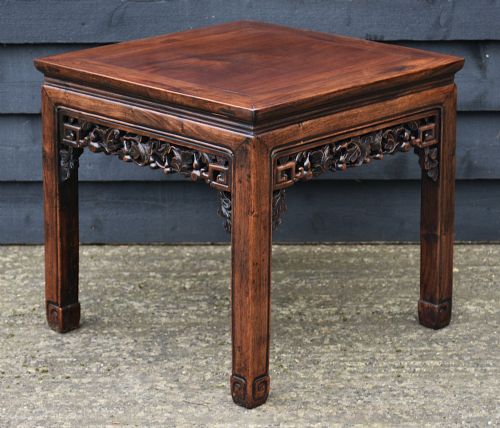
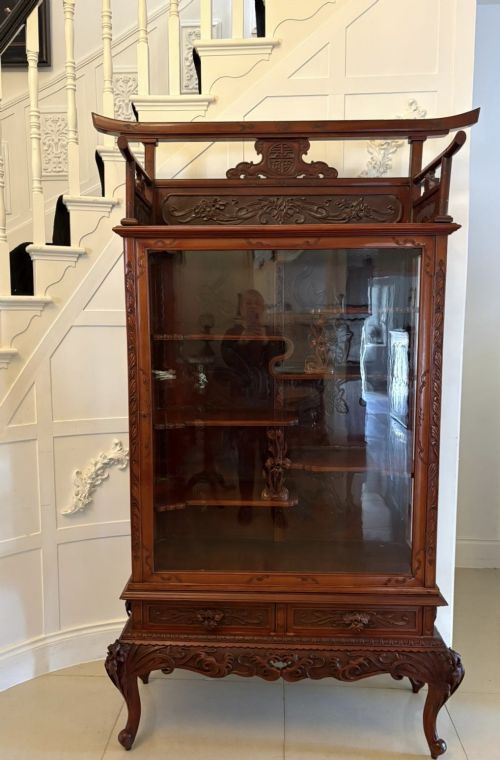
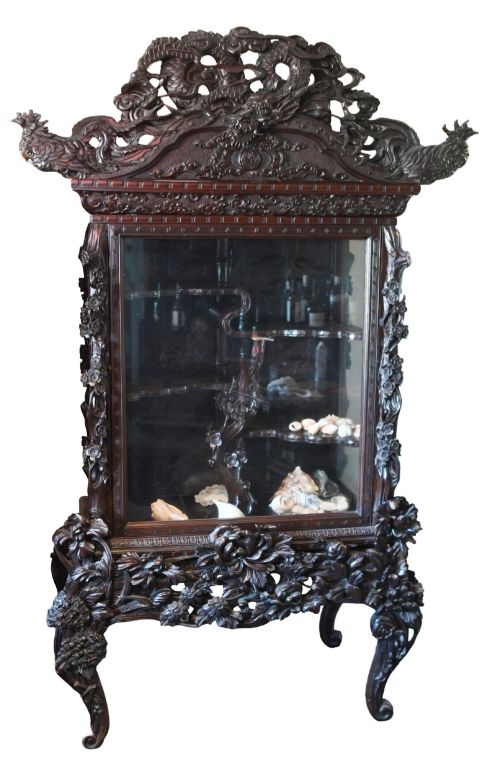
Oriental carved furniture encompasses a diverse selection of seating, tables, cabinets, and stands originating from Chinese, Japanese, Indian, Burmese, and Syrian workshops. Buyers searching for oriental carved furniture frequently encounter occasional tables, display cabinets, and armchairs produced across the nineteenth and early twentieth centuries.
The regional styles vary distinctly, ranging from Qing Dynasty altar tables and horseshoe-back armchairs to Meiji period Japanese display cabinets and Anglo-Indian tables. These items reflect the domestic and export tastes of their respective periods, utilising traditional forms designed for display and daily utility.
Materials and Construction
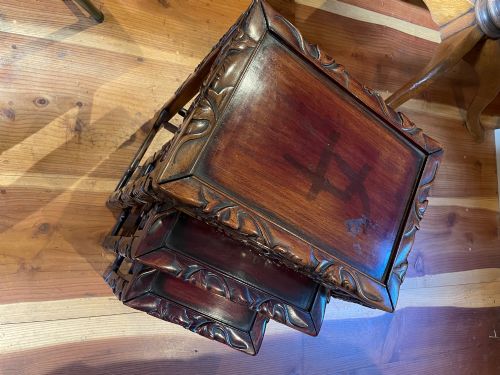
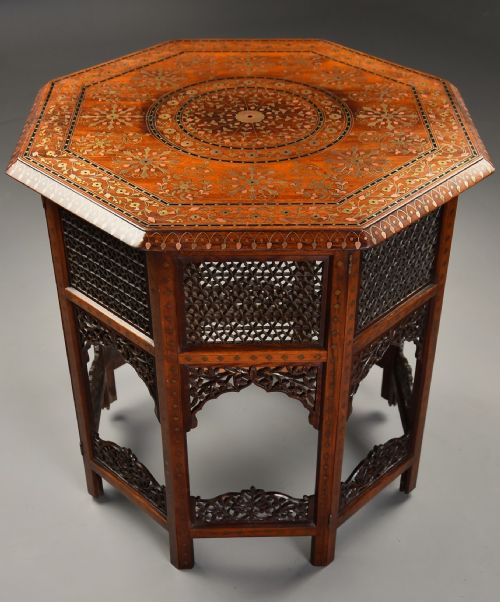
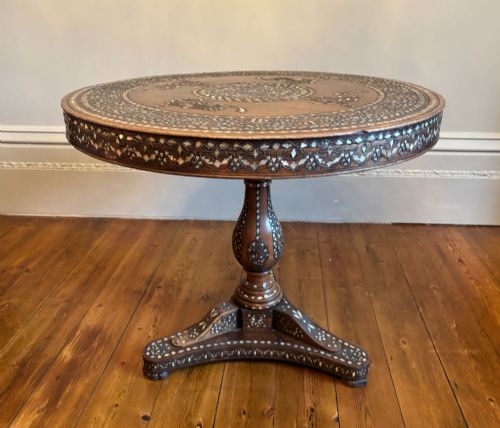
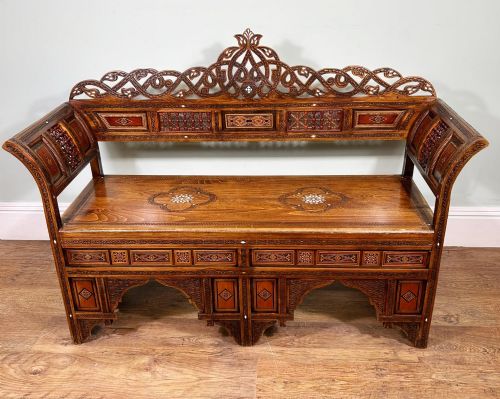
The construction relies heavily upon dense regional timbers such as hardwood, rosewood, teak, elm, and padouk, which provide the structural integrity required for deep relief carving. Artisans combined these dense woods with inlays of bone, mother-of-pearl, and brass, alongside marble inserts for table tops.
Surface finishes include red lacquer, cinnabar lacquer, and painted details that protect the timber while accentuating the carved motifs. Joinery techniques accommodated the movement of dense hardwoods, securing complex frames for cabinets, benches, and nests of tables.
Oriental Carved Furniture Retail Price Guide 2026
Typical asking prices for oriental carved furniture among the pieces listed under this phrase on Sellingantiques today, from the lower quarter to the upper quarter. They describe what is for sale here now, not the wider market.
Some tables were built to fold, travel, or rotate, proving that nineteenth-century artisans appreciated practical furniture as much as deep carving.
Craftsmanship and Proportion
The distinction between tiers rests upon the crispness of the carving and the depth of the relief work across the timber surfaces. Pieces displaying profuse inlay work or integrated marble tops demonstrate superior material selection and assembly.
Proportion and structural balance separate standard production items from exceptional workshop examples. The clarity of regional styles, from Qing Dynasty elements to Meiji period cabinetry, dictates the refinement of the finished piece.
Gabriel Viardot·Liberty's
The Oriental Carved Furniture Glossary
- Hongmu
- A dense tropical hardwood utilised in Chinese furniture manufacturing, valued for its weight and deep colour. It often forms the primary structure for altar tables and nesting surfaces.
- Shodona
- A Japanese tabletop display cabinet featuring staggered shelving and sliding doors, characteristic of the Meiji period. These cabinets showcase intricate woodwork and joinery.
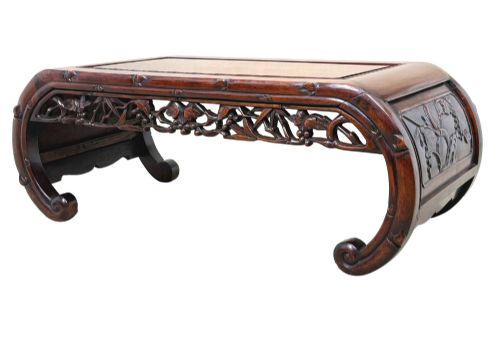
- Opium bench
- A low wooden resting surface or bed originating in China, often featuring carved aprons and sturdy hardwood construction. They function in modern interiors as low seating or coffee tables.
- Yoke-back armchair
- A traditional Chinese chair style named for its crestrail resembling an ox yoke. The design incorporates curved armrests and robust joinery.
Oriental Carved Furniture: Frequently Asked Questions
How do I identify a Meiji period cabinet?
Meiji period Japanese cabinets typically display intricate hardwood carving, asymmetrical shelving known as shodona arrangements, and sliding doors. These pieces reflect the craftsmanship of late nineteenth-century Japan.
Examination of the joinery and timber density helps distinguish these cabinets from later reproductions. The inclusion of original lacquer finishes further indicates the period of manufacture.
What is a Chinese altar table used for?
Chinese altar tables were originally placed against walls in halls or temples for ceremonial displays, featuring elongated proportions and upturned ends. Today, they serve as console tables in hallways and living spaces.
Their narrow depth allows them to fit into confined areas while providing a surface for lamps and decorative objects.
How do I care for hardwood furniture?
Hardwood furniture requires stable indoor humidity levels to prevent the dense timber from splitting or warping. Dusting with a dry cloth maintains the surface patina without introducing moisture.
Avoiding direct sunlight preserves the original lacquer and polished finishes on rosewood and padouk surfaces.
What defines Anglo-Indian furniture?
Anglo-Indian pieces combine traditional British furniture forms with intricate indigenous carving traditions from regions such as Burma and Kashmir. They frequently incorporate dense local hardwoods and elaborate floral motifs.
These items illustrate the design exchange between British colonial officers and local artisans during the nineteenth century.