



Oriental Carved Armchair
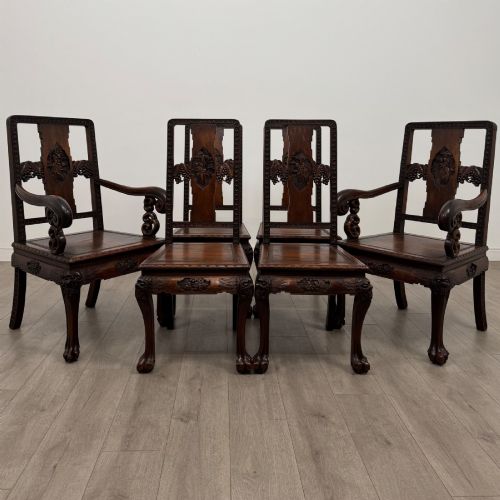
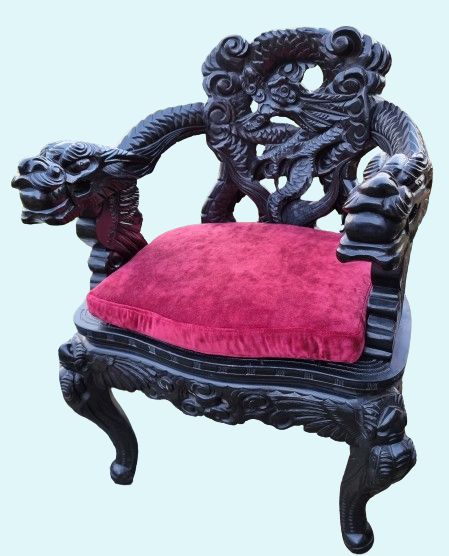
An oriental carved armchair brings distinct sculptural form and dense timber grain into a room, offering deep seating shaped by traditional craftsmanship.
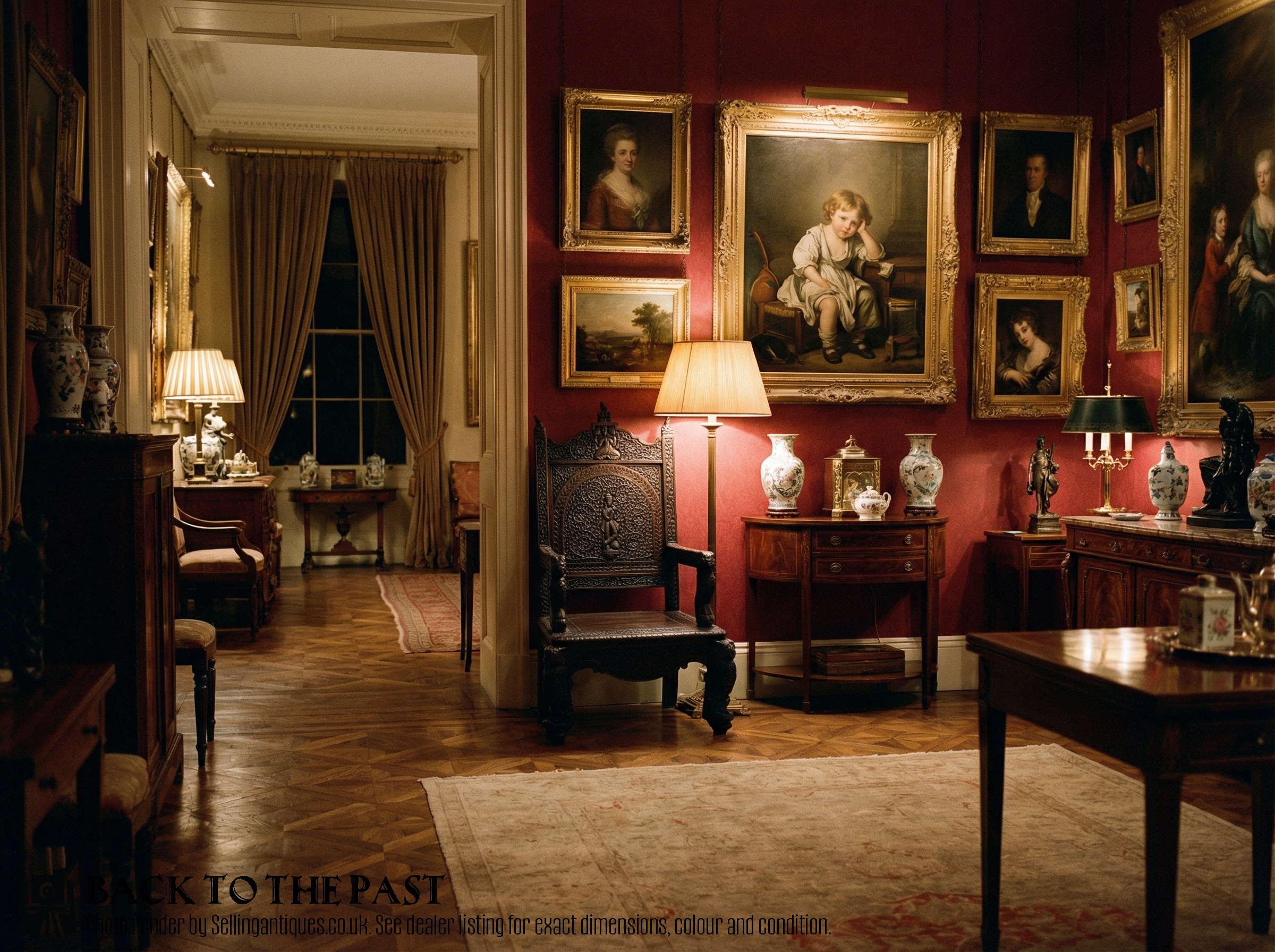
Oriental Carved Armchair
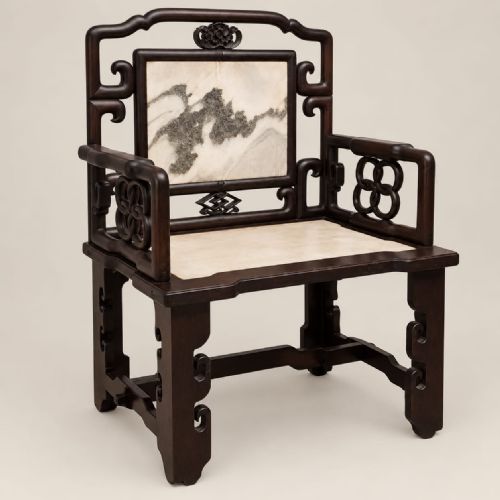
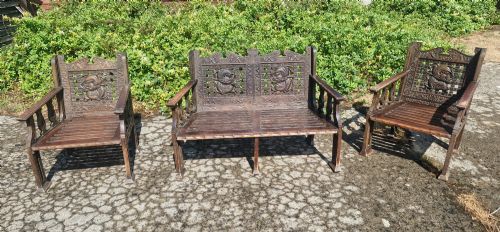
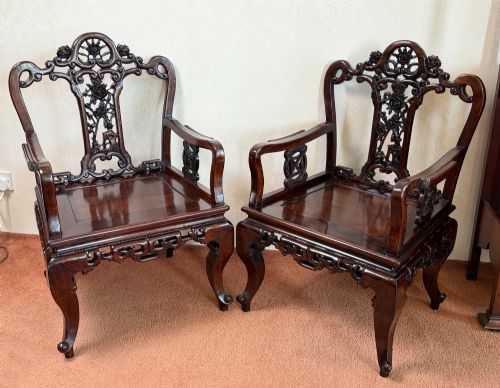
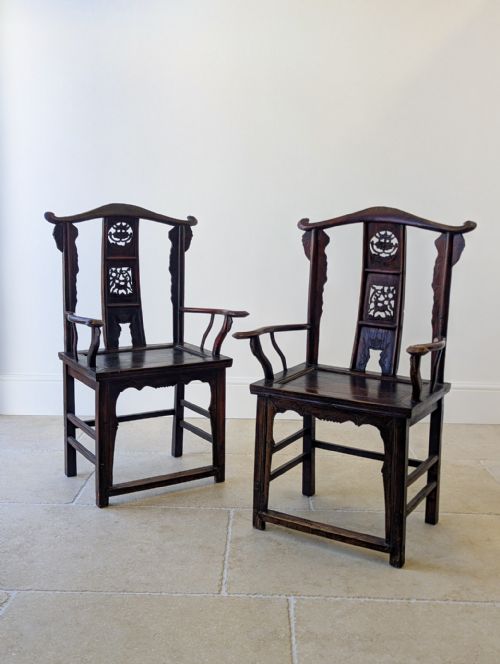
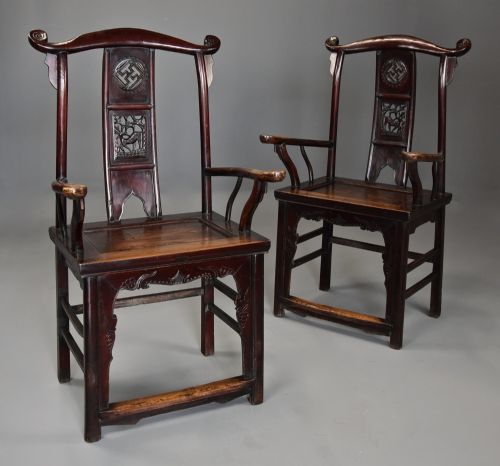
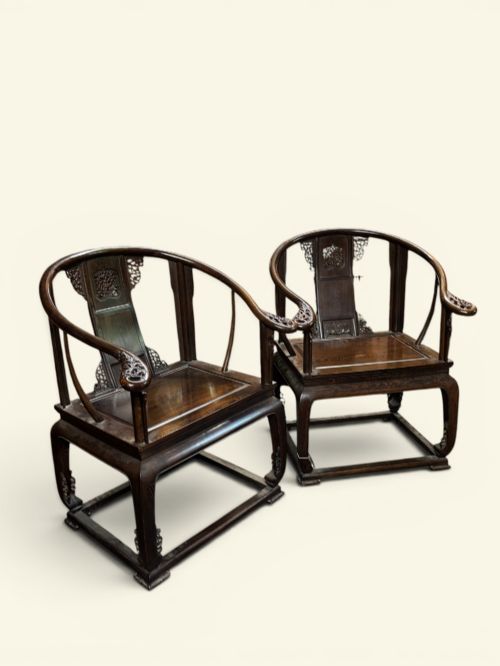
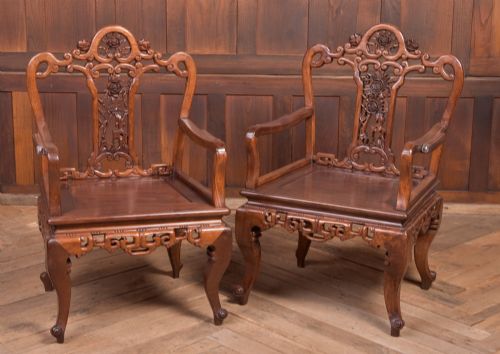
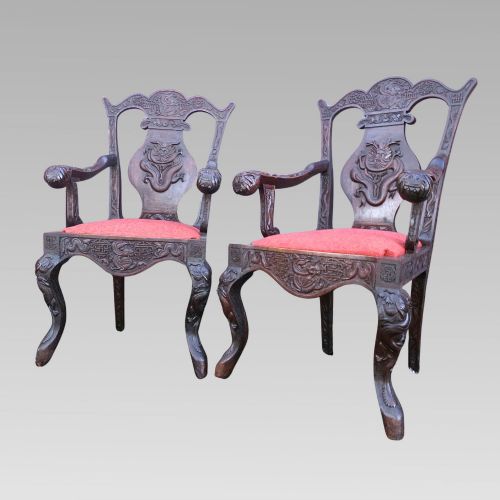
An oriental carved armchair is a substantial seating form originating primarily from Chinese workshops, alongside Burmese and Anglo-Indian variants. Buyers seeking this phrase encounter sturdy timber seats shaped as yoke-backs, horseshoe-backs, and low parlour chairs.
The material palette spans dense dense hardwoods such as hongmu and rosewood, alongside lighter domestic timbers like elm. Many examples date from the nineteenth century, including specific pieces from the late Qing Dynasty.
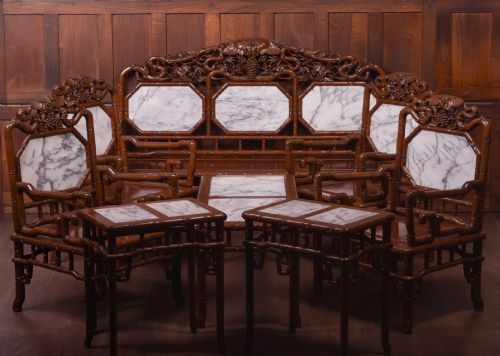
Formats range from single library seats to matched pairs and larger parlour suites complete with side tables. Buyers often select these chairs for their pronounced carving and historic presence.
Quality Variations in Carved Seating
Quality rests upon the crispness of the hand carving and the structural integrity of the timber joints. Superior pieces exhibit deeply undercut relief work that remains sharp and balanced across both sides of a pair.
The choice of wood dictates the baseline character, with dense hongmu and rosewood commanding respect for their weight and stability compared to softer or patched elements. Preservation of original surfaces, such as early red lacquer and aged patination, elevates the standing of an armchair.
The Oriental Carved Armchair Glossary
- Yoke-back
- A traditional chair design featuring a curved top rail resembling a ceremonial ox yoke. This shape supports the sitter's posture while adding a distinct silhouette.
- Horseshoe-back
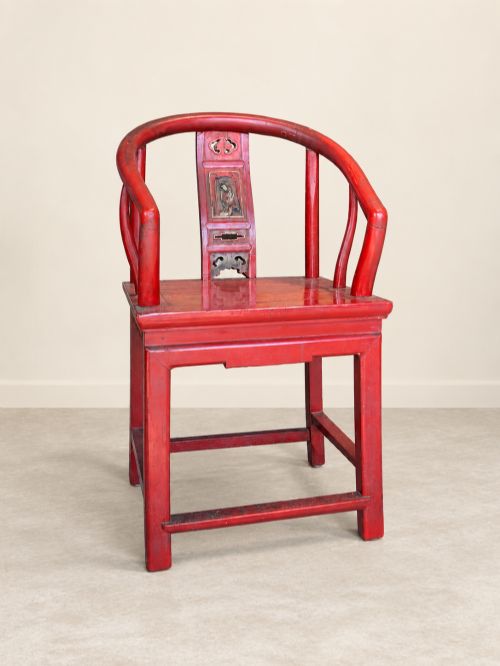
- A continuous semicircular arm and back rail steam-bent from multiple pieces of timber. It curves downward to form low armrests.
- Hongmu
- A dense, dark Chinese hardwood prized for its heavy weight and rich natural grain. Cabinetmakers used it for formal throne chairs and scholar's furniture.
- Elm
- A native timber utilised in regional Chinese seating for its toughness and fibrous grain. It frequently accepts lacquer finishes effectively.
- Lacquer
- A natural resin applied in multiple coats to wooden surfaces to provide a durable and lustrous coloured coating. Red is a traditional pigment choice found on period elm chairs.
Oriental Carved Armchair: Frequently Asked Questions
How do I identify a Qing Dynasty chair?
Look for formal proportions, dense hongmu or rosewood construction, and traditional motifs like dragons or scholarly panels. These details separate Qing period seating from later reproductions.
Examine the joinery beneath the seat and the depth of the carving to confirm period attribution and manual execution.
Are these chairs comfortable for daily use?
Many oriental carved armchairs feature upright wooden seats designed for formal posture rather than deep lounging. Adding loose cushions can adapt them for modern living rooms.
The wide armrests and supportive yoke-backs provide a surprisingly stable and ergonomic sit for reading or writing.
How should I care for lacquered elm furniture?
Maintain lacquered surfaces by dusting with a soft, dry cloth and avoiding direct sunlight or excessive heat. Moisture and harsh chemical cleaners will damage the historic finish.
Applying a microcrystalline wax occasionally helps protect the timber and preserves the sheen of the lacquer.