




Oriental Cachepot
An oriental cachepot brings traditional porcelain and bronze vessel forms into the interior, offering a decorative vessel for plants and flowers.
Oriental Cachepot
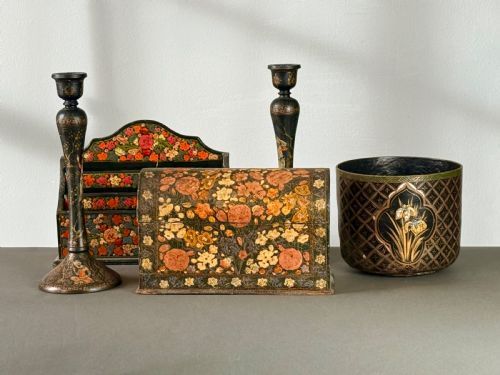
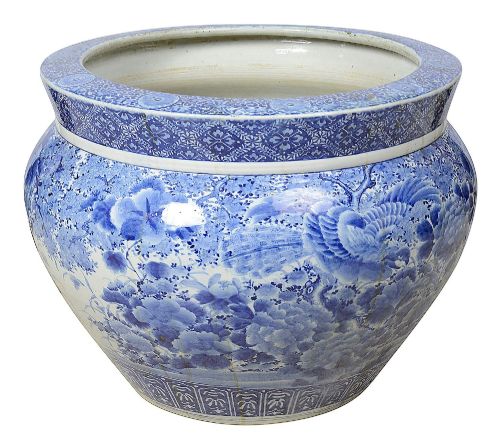
When buyers search for an oriental cachepot, they are looking at decorative plant vessels and jardinieres originating from Asian traditions, often produced during the nineteenth and early twentieth centuries. These vessels appear in forms such as jardiniere bowls, planters, and desk accessories, designed to hold potted plants within domestic interiors.
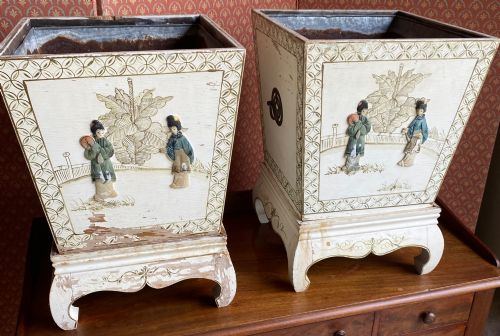
The pieces on this page span several distinct periods including the Meiji and Edo periods of Japan and the Qing Dynasty of China. Materials range from bronze and brass to porcelain, enamel, and hardwood, reflecting diverse manufacturing centres across East Asia.
How they were made
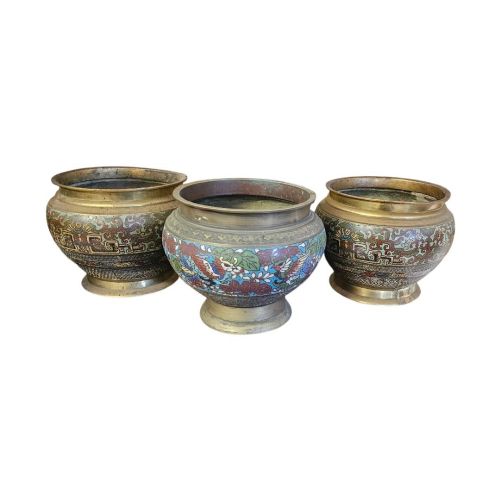
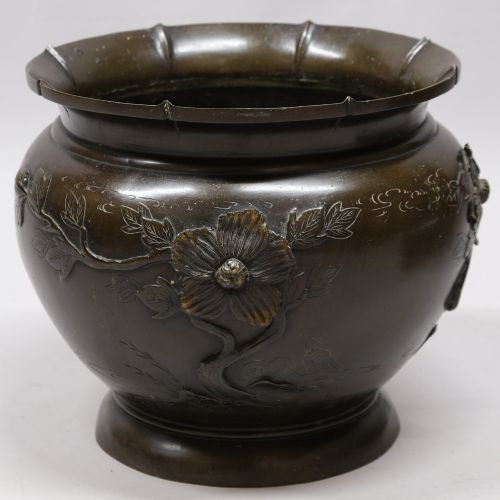
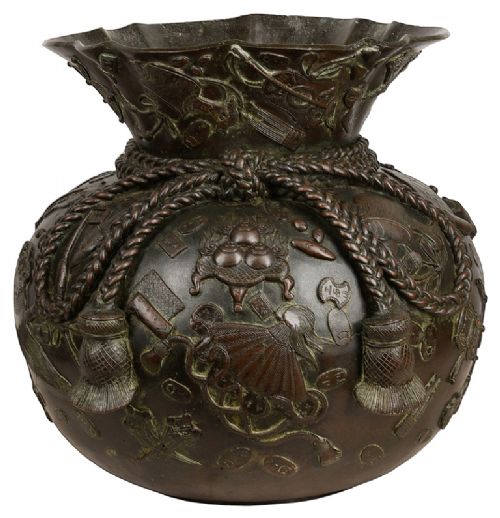
Metal vessels in this selection are cast in bronze or brass, frequently embellished with champleve or cloisonne enamel techniques. Skilled artisans applied coloured enamel pastes within wire cells or excavated troughs before firing the metal bodies.
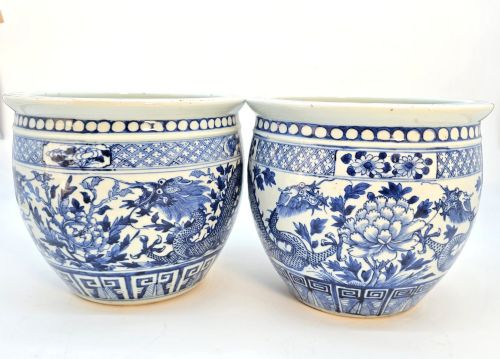
Ceramic examples employ high-fired porcelain or earthenware decorated with blue and white glazes, famille rose pigments, or Imari colour palettes. Many items are completed with hand-painted motifs depicting flora, fauna, and traditional landscapes.
Oriental Cachepot Retail Price Guide 2026
Typical asking prices for oriental cachepot among the pieces listed under this phrase on Sellingantiques today, from the lower quarter to the upper quarter. They describe what is for sale here now, not the wider market.
One remarkably heavy jardiniere tips the scales at over two kilograms, proving that nineteenth-century artisans took their plant housing very seriously.
What varies in quality
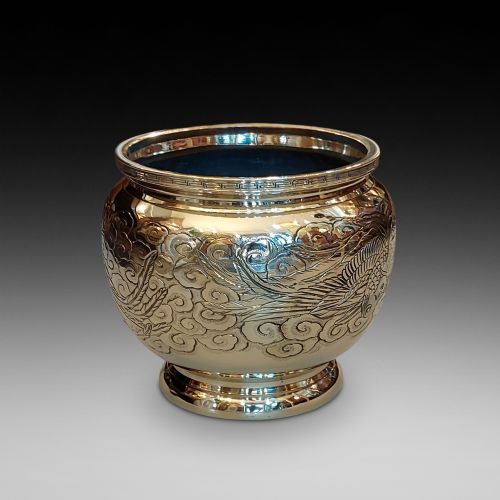
The calibre of a bronze or brass jardiniere is determined by the crispness of the cast detailing and the depth of the metalwork relief. Superior examples exhibit intricate chisel work and well-finished patination across the exterior surface.
Porcelain and enamel pieces separate themselves through the precision of the hand-painted brushwork and the vibrancy of the glaze. Finer specimens display balanced composition, clear seal marks, and harmonious integration with associated hardwood stands.
The Oriental Cachepot Glossary
- Cachepot
- A decorative container used to hold and conceal a flowerpot. These vessels lack drainage holes in the base and require a separate drip tray.
- Jardiniere
- A large ornamental pot or bowl designed to hold growing plants or flowers. They appear in ceramic, bronze, and brass across nineteenth-century listings.
- Cloisonne
- An enamelwork technique where thin metal wires are soldered to a metal base to form compartments for enamel paste. The piece is subsequently fired and polished smooth.
- Imari
- A style of Japanese export porcelain decorated in underglaze blue and overglaze red, gold, and green. This palette originated during the Edo period.
- Champleve
- An enamelling method where troughs are carved into a metal surface to receive vitreous enamel before firing. It creates robust decorative patterns on bronze bodies.
Oriental Cachepot: Frequently Asked Questions
What is an oriental cachepot used for?
These decorative vessels serve primarily to house potted plants inside the home, hiding standard terracotta flowerpots from view. They function as standalone ornamental bowls or sit upon associated hardwood stands.
Historically, they brought botanical displays into reception rooms and parlours. Today, collectors utilise them for floral arrangements or display them empty as sculptural objects.
How do I tell Meiji period bronze from later pieces?
Meiji period bronze vessels typically display dense, hand-finished surface details and heavy casting weights. Artisans often incorporated complex patination and high-relief decorative motifs.
Later reproductions or twentieth-century items tend to feature lighter metal gauges and more uniform surface textures without the same depth of manual chisel work.
Are these vessels waterproof?
Many ceramic and metal jardinieres were originally manufactured without drainage holes to protect interior surfaces from water damage. They act as outer sleeves for potted plants rather than direct planting containers.
It remains advisable to place a saucer or liner inside bronze and porcelain cachepots to catch moisture and protect the historical interior surface.
How do I clean antique bronze and enamel?
Dust bronze and cloisonne surfaces gently with a soft, dry cloth to prevent the accumulation of dirt within recessed areas. Avoid abrasive polishes that can strip historical patination from the metal.
Enamel sections require particular care to protect fragile glass pastes set within wire cells. Professional conservation advice should be sought for deep cleaning.