


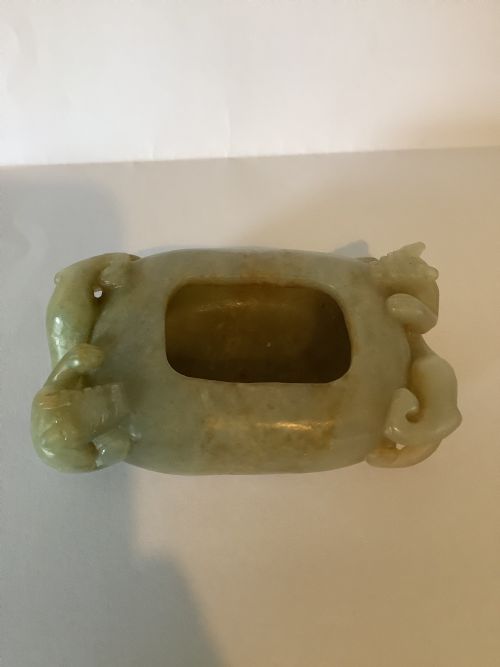


Oriental Brush Washer Vessel
An oriental brush washer vessel is a scholar's desk accessory designed for rinsing ink brushes, prized for both fine craftsmanship and historic materials.
Oriental Brush Washer Vessel
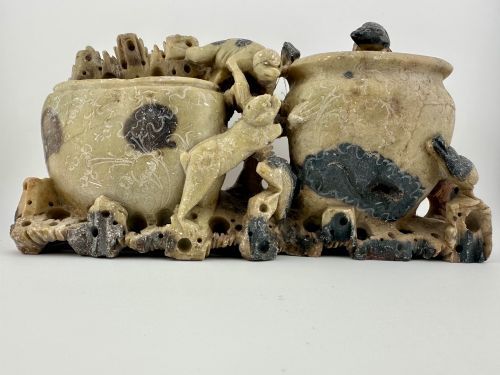
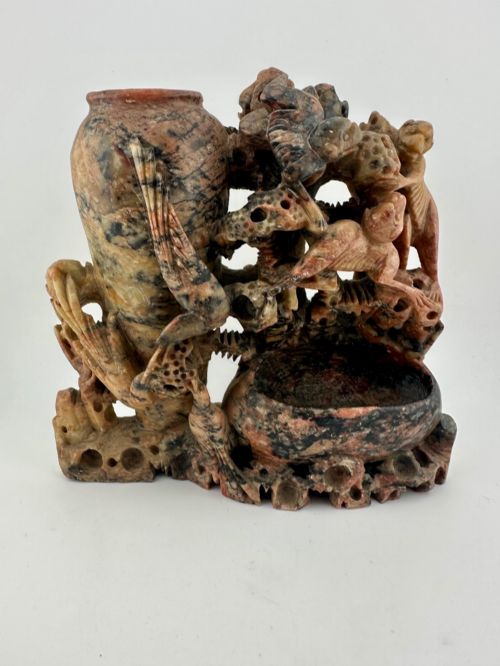
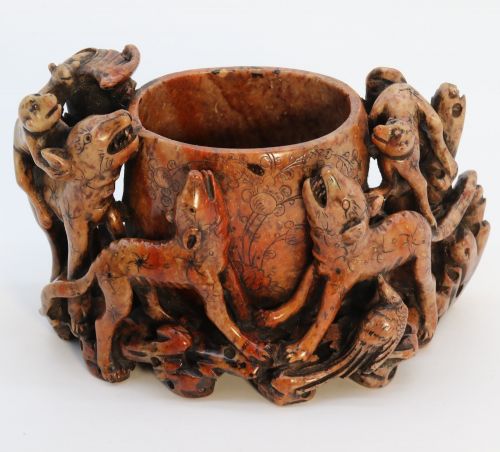
When you search for an oriental brush washer vessel, you encounter small desk items created for traditional East Asian scholars. These vessels range from carved soapstone and jade to glazed porcelain and cloisonné enamel.
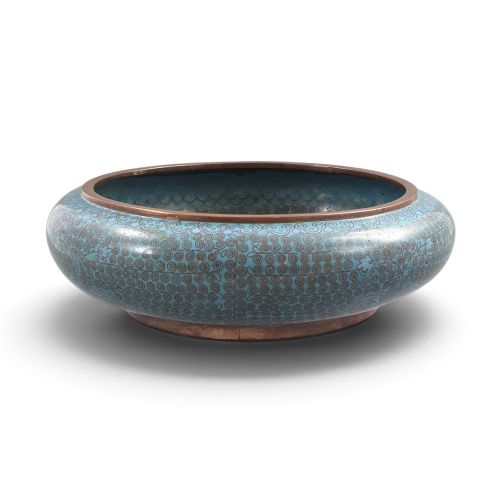
The versions most commonly met on this page belong to the Qing Dynasty, the Republic Period, and the Japanese Meiji era. They take forms such as compressed bowls, lotus-form cups, and double brush washer groups.
Scholars used these items as functional desk accessories and decorative vessels. Their origins span Chinese works of art and Japanese pottery traditions.
How they were made
Maker techniques rely heavily on the natural properties of the chosen medium. Artisans carved soapstone, jade, and bronze into intricate shapes involving birds, animals, and climbing figures.
Porcelain and earthenware vessels received specialised treatments such as flambé glazes, cold paint, and cloisonné enamel work. These methods required precise firing and hand-finishing by skilled workshops.
Oriental Brush Washer Vessel Retail Price Guide 2026
Typical asking prices for oriental brush washer vessel among the pieces listed under this phrase on Sellingantiques today, from the lower quarter to the upper quarter. They describe what is for sale here now, not the wider market.
Some Sumida Gawa pottery brush washers feature tiny ceramic figures literally climbing up the outside walls to see the water.
What varies in quality
Quality separates ordinary utility items from imperial-standard scholar's objects through the crispness of the carving and the purity of the material. Superior pieces display masterly control over jade translucency or enamel application.
The ambition of the design dictates the upper range, where skilled artisans integrated natural russet markings in jade or complex figural elements into the overall composition.
Kōko
The Oriental Brush Washer Vessel Glossary
- Brush Washer
- A small vessel designed to hold water for cleaning calligraphy and painting brushes. These items form a core part of traditional scholar's desk accessories.
- Soapstone
- A soft, talc-based stone easily carved into intricate shapes. Artisans utilised this material for detailed scholar's vases and desk groups.
- Cloisonné Enamel
- A metalwork technique where compartments are created using wire and filled with coloured enamel paste. These pieces are then fired and polished.
- Celadon
- A term for ceramics featuring a pale green jade-like glaze. This finish appears frequently on historical Chinese vessels.
- Flambé Glaze
- A richly streaked ceramic glaze achieved through unpredictable kiln reactions during firing. It produces vibrant colour variations on porcelain.
Oriental Brush Washer Vessel: Frequently Asked Questions
How were these vessels used historically?
Scholars filled these small bowls with clean water to dilute ink and wash fine brushes between strokes.
Beyond simple utility, they served as contemplative desk ornaments that reflected the refined taste of their owner.
How can I tell the period of a brush washer?
Dating relies on identifying the material, style, and manufacturing technique, such as Qing Dynasty carvings or Meiji period pottery.
Examinations of the base material and glaze characteristics help place pieces within specific historical centuries.
Are all these vessels made of jade?
No, jade is only one of several materials used to create these scholar's objects.
Surviving examples also appear in soapstone, porcelain, bronze, cloisonné enamel, and earthenware.