



Chinese Scholar Desk Ornament
A chinese scholar desk ornament brings the quiet focus of the scholar’s studio into your home through small carved forms.
Chinese Scholar Desk Ornament
A chinese scholar desk ornament comprises small items made for the traditional scholar's studio, including desk seals, brush washers, paperweights, and brush rests. These pieces reflect historical scholarly pursuits in China, spanning periods from the Ming Dynasty through the nineteenth century.
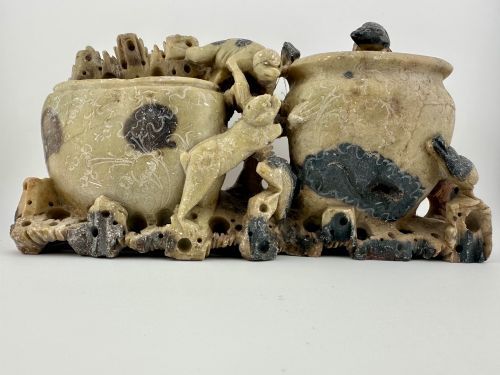
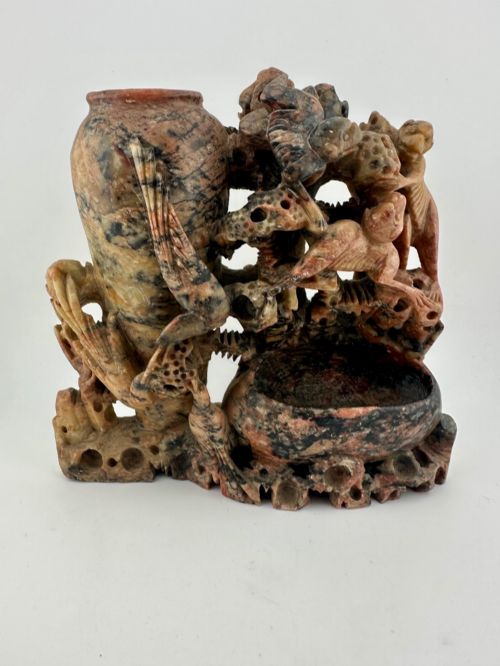
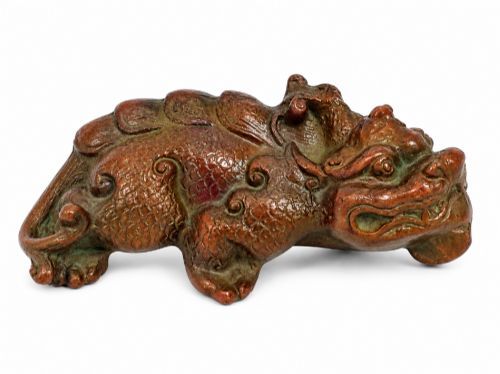
The versions most commonly met on this page are soapstone carvings, celadon jade pieces, and cast bronze objects. Forms range from figurative sculptures of boys and animals to functional desk accessories shaped like water birds and dragons.
Makers fashioned these works during periods such as the Qing Dynasty and the earlier Ming Dynasty. Each piece serves as a tactile reminder of traditional Chinese scholarship and craftsmanship.
Materials and methods
Artisans carved soft stones like soapstone and Shoushan stone into detailed figures and vessels, capturing birds, animals, and mythological subjects. Harder stones, including nephrite jade and pale celadon jade, required meticulous abrasive shaping to achieve smooth contours and subtle tonal shifts.
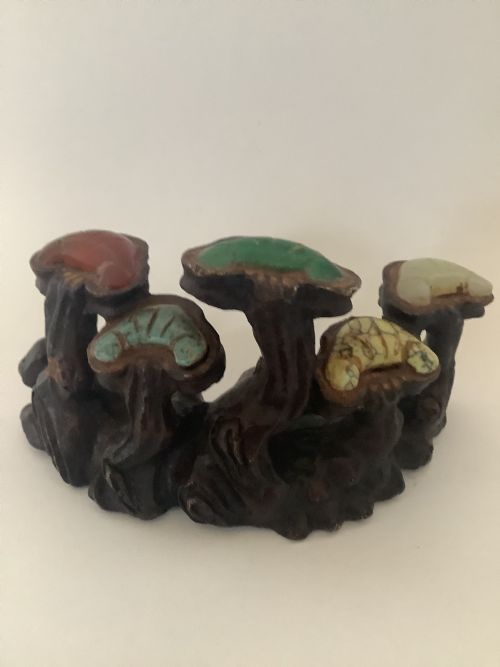
Metalworkers utilised bronze casting techniques, producing solid-cast items that occasionally received selective fire-gilding for surface contrast. Woodworkers shaped dense materials such as hardwood and root wood into organic supports and functional rests.
Surface treatments included gold leaf application and natural polishing to highlight the inherent texture of the jade, soapstone, or bronze. The resulting objects balance utilitarian desk functions with intricate sculptural detail.
Chinese Scholar Desk Ornament Retail Price Guide 2026
Typical asking prices for chinese scholar desk ornament among the pieces listed under this phrase on Sellingantiques today, from the lower quarter to the upper quarter. They describe what is for sale here now, not the wider market.
Listings feature items spanning from the sixteenth-century Ming Dynasty through the nineteenth-century Qing era.
Judging quality
Quality rests upon the precision of the carving and the natural character of the chosen material. A superior soapstone or jade piece displays crisp definition in forms like a dog of fo or a water bird, whereas lesser examples show softer, less distinct lines.
The purity and tone of the stone dictate the visual impact of jade items, with even pale celadon surfaces requiring unclouded translucency. Bronze pieces demonstrate quality through the sharpness of the casting and the retention of fire-gilding.
Proportion and balance also separate standard items from finer works, particularly in figurative sculptures and desk seals where the weight and stance of the subject must feel settled.
The Chinese Scholar Desk Ornament Glossary
- Celadon jade
- A pale green jade variety prized for its smooth texture and subtle translucent qualities. It forms the basis of many traditional scholar's carvings and brush washers.
- Soapstone
- A soft, talc-based rock that permits intricate manual carving. It appears frequently in nineteenth-century Chinese desk seals and figural vases.
- Brush washer
- A small vessel used in calligraphy and painting to clean ink brushes. These water receptacles often take naturalistic or zoomorphic forms.
- Desk seal
- A carved stamp bearing characters or designs, used for personal identification and signatures. They frequently feature mythical creatures or figures on top.
- Fire-gilding
- A decorative technique applying a gold and mercury amalgam to metal surfaces, subsequently heated to bond the gold. This creates a durable finish on bronze objects.
Chinese Scholar Desk Ornament: Frequently Asked Questions
How were these ornaments used?
Scholars utilised them during writing, painting, and seal carving. Brush washers held water for diluting ink, while paperweights kept rice paper secure.
Other items, such as brush rests, held wet brushes above the desk surface to prevent ink staining.
How do I care for jade and soapstone?
Both materials require gentle handling to preserve their surface polish and delicate carved details. Dust them regularly with a soft, dry cloth without applying harsh cleaning agents.
Keep soapstone away from direct moisture and hard impacts, as the stone is relatively soft compared to jade.
How can I tell the period of a piece?
Dating relies on stylistic markers, tool marks, and the specific characteristics of the material used. Ming and Qing dynasty pieces exhibit distinct sculptural conventions and patination patterns.
Comparing the carving depth and subject matter against dated examples helps establish the likely era of manufacture.