


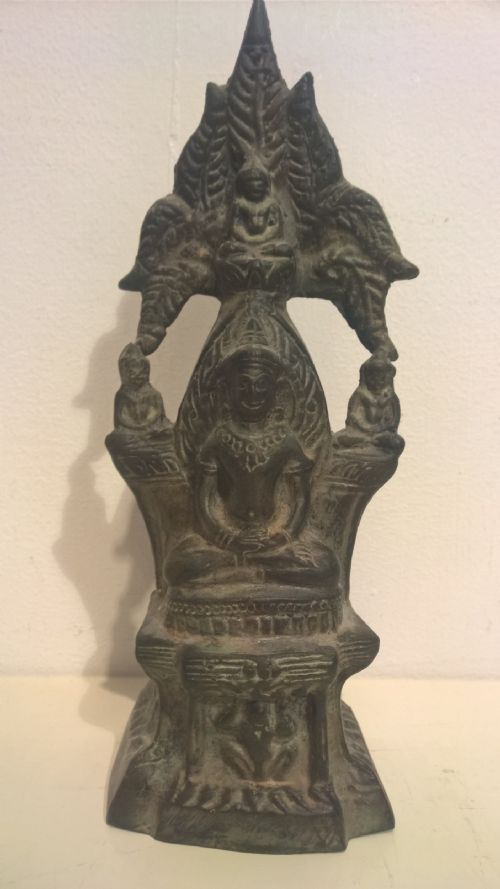

Oriental Bronze Icon
An oriental bronze icon brings sacred Buddhist and Hindu figures into your space, forged in metal across centuries of Asian craftsmanship.
Oriental Bronze Icon
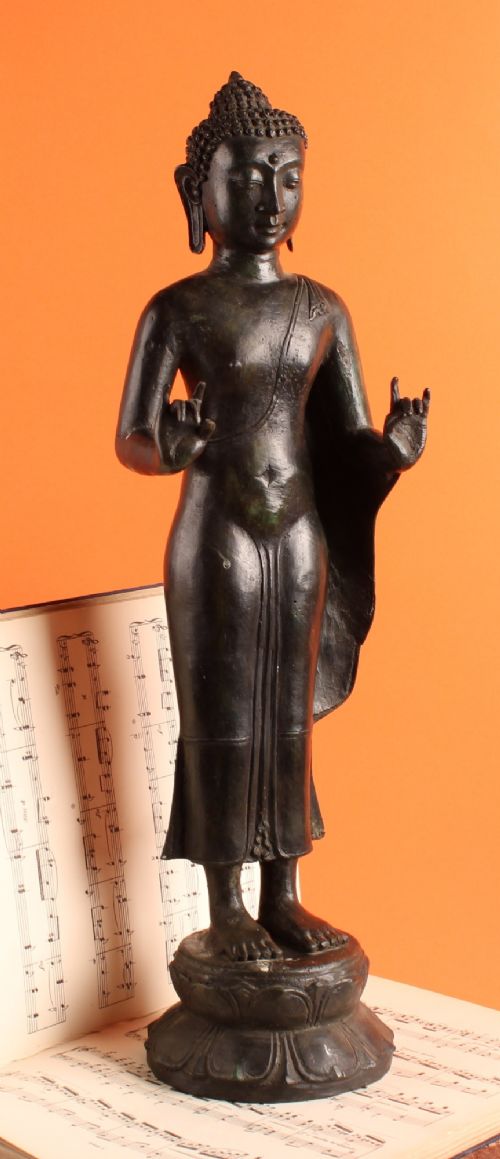
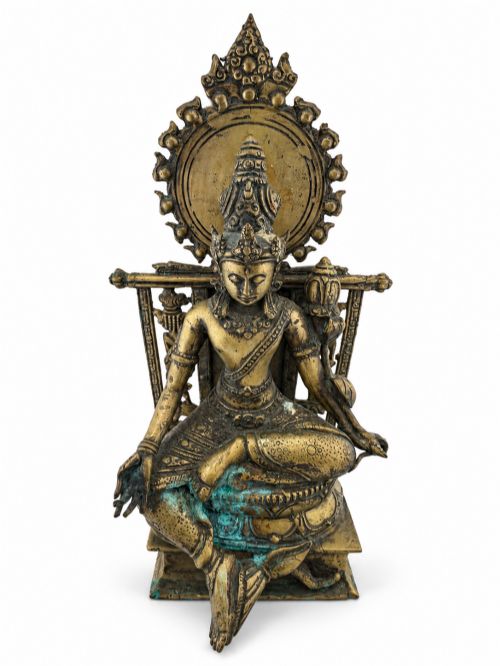
When you search for an oriental bronze icon, you are looking at cast metal sculptures representing deities, Buddhas, and spiritual figures from across Asia. The pieces appearing here span from pre-sixteenth century examples up to the twentieth century, originating from regions such as Tibet, India, Thailand, Java, and Burma. You will most frequently encounter nineteenth-century statues depicting standing or seated Buddhas, alongside revered figures like Tara, Avalokiteshvara, and Shiva Nataraja.
These works take the form of shrine statues, deities, and figurative sculptures shaped by distinct regional traditions including Rattanakosin, Ayutthaya, Tibetan Buddhist, and Sino-Tibetan styles. Some figures stand over half a metre in height, while others are designed for personal shrines and domestic devotion. The historical scope encompasses specific periods such as the Victorian era and the Ayutthaya period, reflecting diverse cultural expressions of reverence.
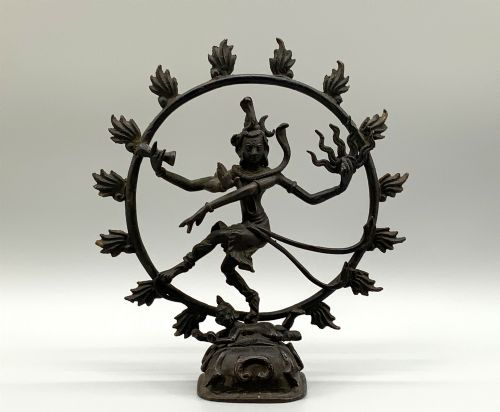
The sculptural forms range from serene seated Buddhas displaying traditional mudras to multi-headed bodhisattvas and dynamic dancing deities. Each object serves as a physical focal point for meditation, worship, or philosophical contemplation within its original religious context. The sheer variety of iconography ensures that these metal sculptures represent multiple spiritual paths and artistic schools across Asia.
Materials and casting methods
The foundational material across these works is bronze, often worked as cast bronze or gilt bronze, alongside copper alloy and silver alloy. Artisans utilised traditional metalworking techniques to shape solid and patinated forms, sometimes incorporating vermilion pigment to enhance surface details. Wood also appears alongside the metal components in specific shrine contexts.
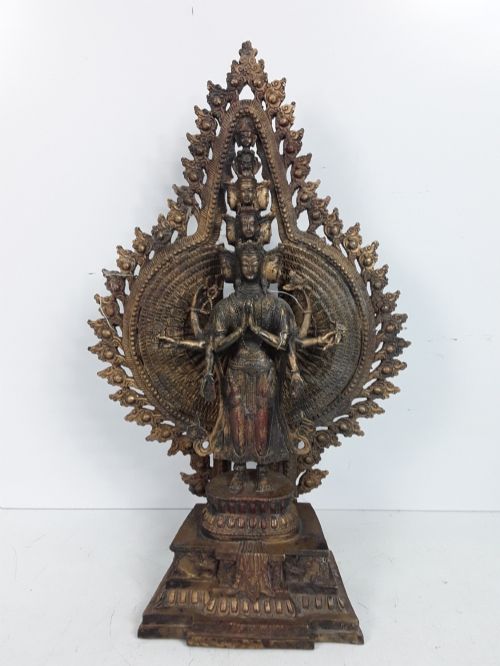
Casting methods allowed makers to achieve intricate details, from the elaborate headdresses of eleven-headed Avalokiteshvara figures to the flowing garments of standing Buddhas. The application of fire gilding or surface patination created distinct finishes ranging from polished solid bronze to dark brown patinated surfaces. These combined materials and techniques ensure that each icon retains its sculptural integrity and surface character.
Lord Shiva dances eternally through the centuries while standing quietly on a shelf.
Assessing quality in metal icons
Surface treatment further separates the output of master workshops from routine foundry work. Finely preserved fire gilding, subtle patination, and deliberate application of pigment demonstrate a higher level of care during creation. The integrity of the original metal alloy and the preservation of fine ritual details over centuries dictate the enduring stature of the piece.
The Oriental Bronze Icon Glossary
- Mudra
- A symbolic hand gesture used in Buddhist and Hindu iconography to convey specific teachings or states of mind. Different mudras signify fearlessness, meditation, or the turning of the wheel of dharma.
- Avalokiteshvara
- A bodhisattva who embodies the compassion of all Buddhas, frequently depicted with multiple heads or arms to help suffering beings. This deity is central to Tibetan and broader Himalayan traditions.
- Rattanakosin
- A style of Thai art originating from the founding of the Rattanakosin kingdom in Bangkok, noted for ornate royal attire on Buddha figures. Pieces in this tradition often feature detailed crowns and jewelled garments.
- Ayutthaya
- A historical period and artistic style associated with the Kingdom of Ayutthaya in Siam, known for serene facial expressions and refined bronze casting. Icons from this tradition display distinct regional characteristics.
- Gilt bronze
- Bronze that has been coated with a thin layer of gold or gold amalgam, often through fire gilding. This technique imparts a radiant finish that highlights the sacred nature of the figure.
Oriental Bronze Icon: Frequently Asked Questions
How old is my bronze icon?
Dating relies on stylistic markers, regional casting characteristics, and historical periods recorded in the evidence such as the Ayutthaya style or nineteenth-century Indian traditions.
Examining the specific iconography, patination, and manufacturing techniques helps place the sculpture within its correct century or cultural era.
What do the different deities represent?
Figures like Buddha, Tara, and Shiva Nataraja symbolise specific spiritual principles, protection, cosmic energy, and compassion within their respective traditions.
Icons often served as focal points for prayer, meditation, and domestic shrines across various regions of Asia.
How should I clean a bronze statue?
Dusting gently with a soft, dry cloth is generally sufficient to maintain the surface without disturbing the historic patina or pigment.
Avoid using harsh chemical polishes or water, which can damage exposed metal, gilding, and delicate vermilion traces.
Where were these metal icons made?
The evidence points to workshops across Tibet, Nepal, India, Thailand, Java, and Burma, each employing distinct local methods and stylistic conventions.
Regional variations in casting alloys and sculptural proportions help identify the geographical origin of each piece.