



Oriental Bronze Animal Figures
Oriental bronze animal figures are expressive metal sculptures capturing creatures with remarkable realism, offering collectors a tangible piece of historical artistry.
Oriental Bronze Animal Figures
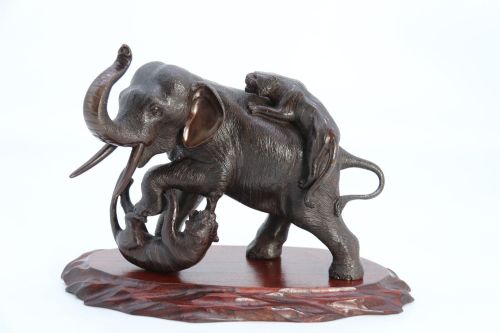
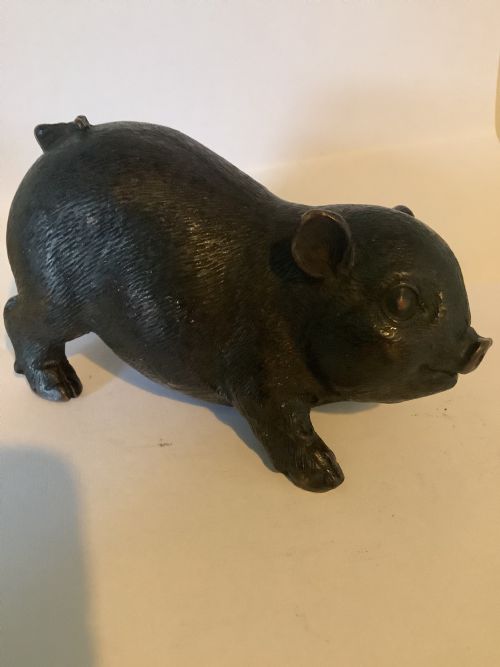
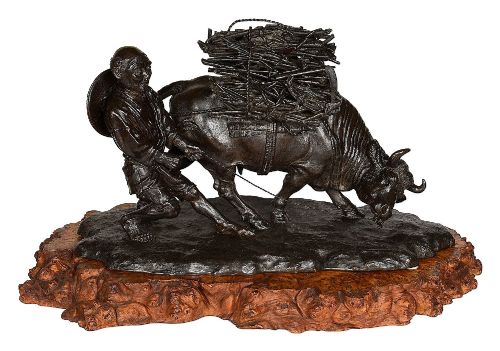
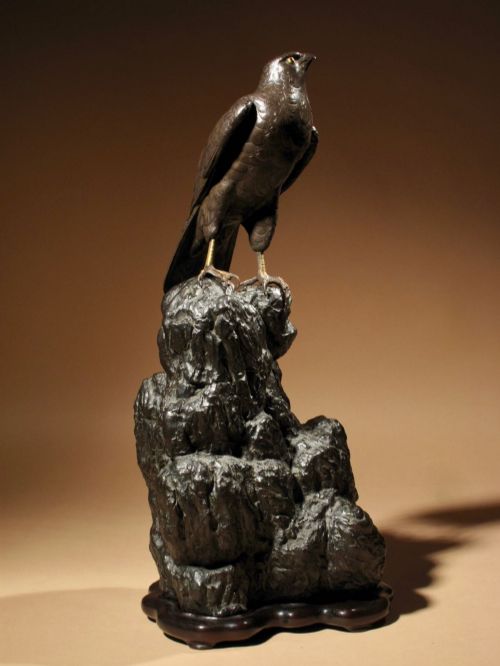
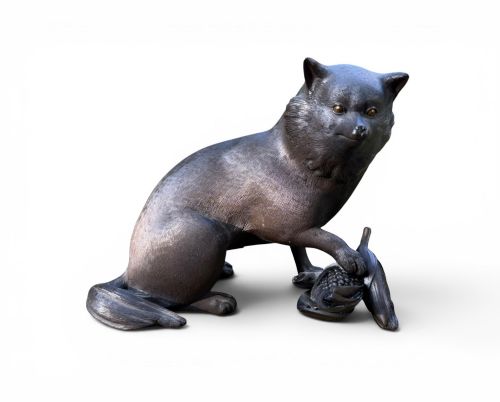
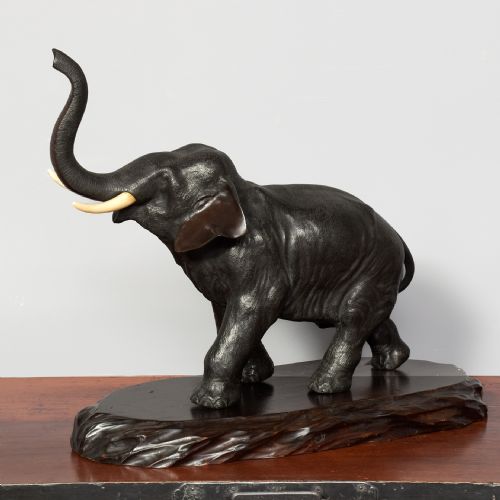
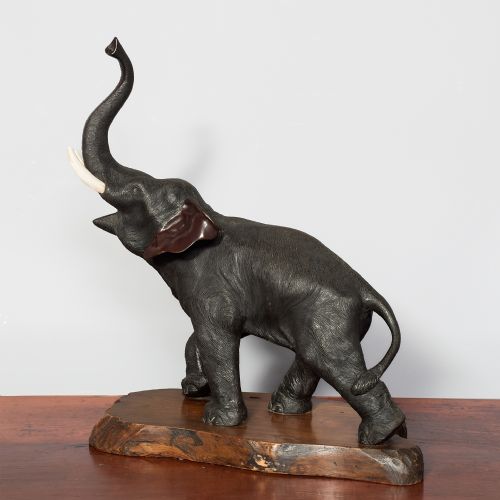
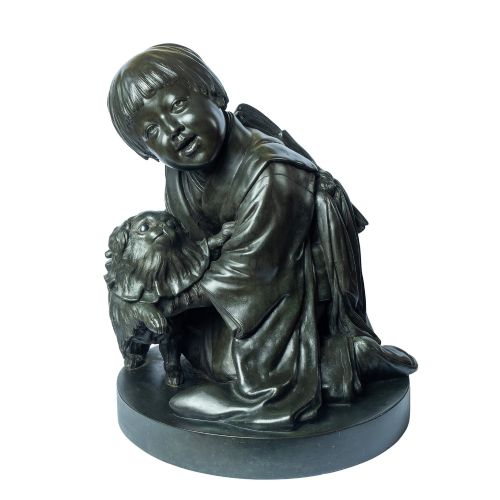
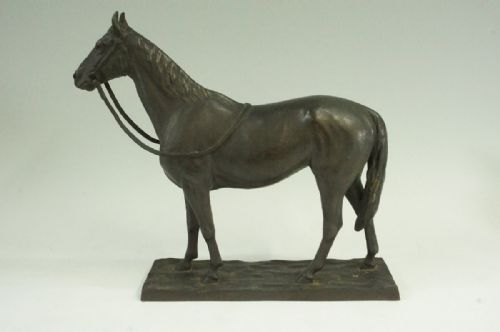
Oriental bronze animal figures encompass a diverse array of sculptural forms originating predominantly from Japanese Meiji period workshops and Chinese dynasties, depicting both domestic and wild creatures. When exploring oriental bronze animal figures, buyers most frequently encounter depictions of elephants, tigers, monkeys, and horses rendered in active postures.
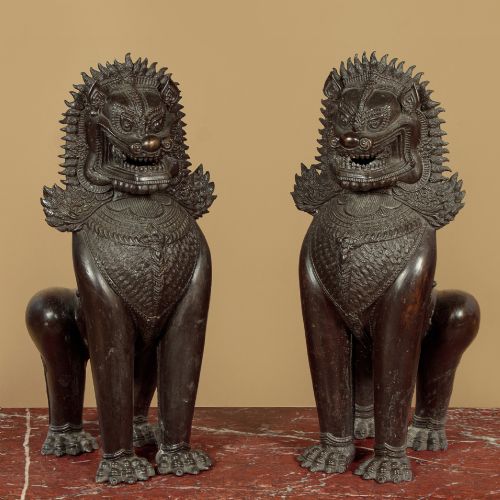
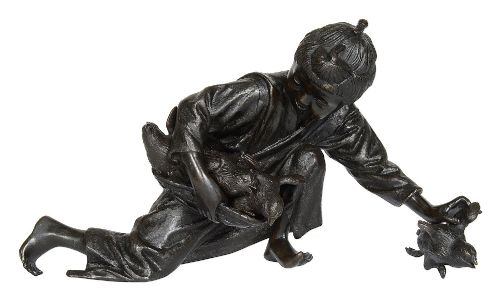
The objects range from small okimono intended for tabletop display to large temple lions and sculptural groups involving multiple animals. Originating from the nineteenth and early twentieth centuries, these works reflect both East Asian artistic traditions and technical mastery in metal casting.
Materials and Technique
Specialised foundries employed skilled metalworkers who manipulated alloys to achieve varied patinas, ranging from deep dark browns to warm golden tones. Additional materials like diamond eyes or inlaid highlights were occasionally integrated into the design to enhance specific focal points on the subjects.
Oriental Bronze Animal Figures Retail Price Guide 2026
Typical asking prices for oriental bronze animal figures among the pieces listed under this phrase on Sellingantiques today, from the lower quarter to the upper quarter. They describe what is for sale here now, not the wider market.
Listings feature items primarily from the nineteenth century and the Meiji period, executed in bronze and mixed metals.
Judging Quality
Quality in these sculptures rests upon the precision of the casting, the anatomical accuracy of the animal, and the subtlety of the surface finishing. Masterworks display a fine command of posture and expression, capturing tension in fighting scenes or gentle movement in domestic animals without stiffness.
The distinction between standard commercial output and superior artistry lies in the crispness of the chiselling, the depth of the patination, and the presence of clear signatures or attribution to known makers. Weight distribution, stability, and the integration of secondary materials like integrated bases further separate finer examples from simpler castings.
Masaaki·Kunio Itô·Kaniya Kuniharu·Sakai Kōzan·Seiunsai Miyamoto Sei
The Oriental Bronze Animal Figures Glossary
- Okimono
- A Japanese term for an ornamental object or sculpture designed for display on a shelf or in a tokonoma alcove. These figures are typically self-contained and celebrate specific subjects from nature or folklore.
- Meiji Period
- The era in Japanese history spanning from 1868 to 1912, characterised by rapid modernisation alongside a flourishing of traditional decorative arts and metalwork for international export.
- Patina
- The surface coloration and texture developed on bronze through natural ageing or deliberate chemical treatment by the metalworker. A well-preserved patina adds depth and historical character to the sculpture.
- Mixed-Metals
- The practice of combining different metallic alloys, such as copper, silver, and gold, within a single object to create contrasting colours and decorative surface patterns.
- Temple Lion
- A stylised guardian lion figure traditionally placed at the entrances of sacred buildings or homes for protection. These sculptures are often produced in substantial pairs with animated expressions.
Oriental Bronze Animal Figures: Frequently Asked Questions
How do I care for bronze?
Bronze requires minimal intervention beyond dusting with a soft cloth to protect the original patination.
Avoid using liquid cleaners or abrasive polishes that can strip away the historical surface character developed over the decades.
Are these figures signed?
Many Japanese bronzes feature engraved signatures or foundry marks stamped onto the underside or base of the sculpture.
These inscriptions can sometimes identify the specific artist or workshop responsible for the casting and finishing process.
Where were they displayed?
These sculptures were traditionally placed within domestic interiors, reception rooms, or scholarly spaces for quiet contemplation.
Larger pairs, such as temple lions, stood near architectural entryways to serve a decorative or protective function.