
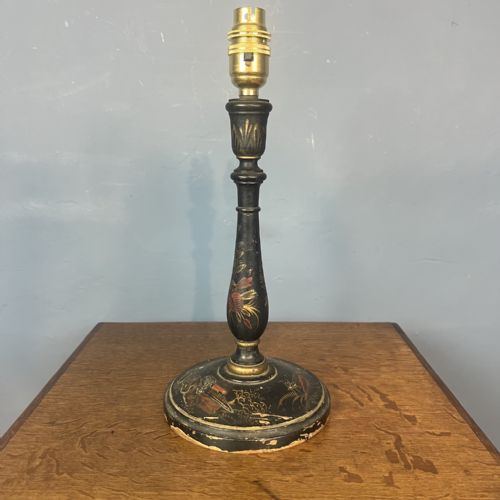


Oriental Brass Desk Lamp
These oriental brass desk lamp options bring striking eastern design and warm illumination to a workspace, combining traditional craftsmanship with period character.
Oriental Brass Desk Lamp
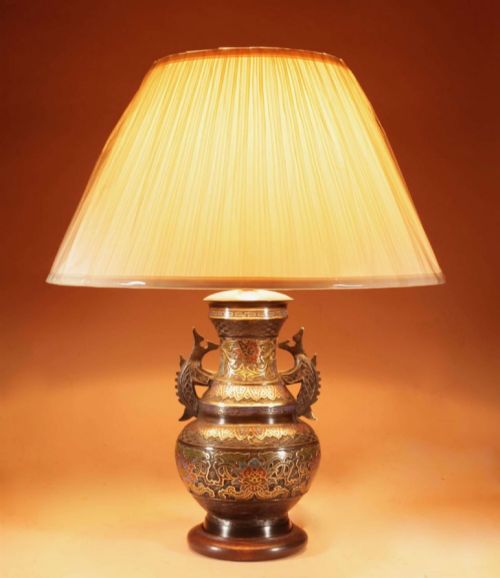
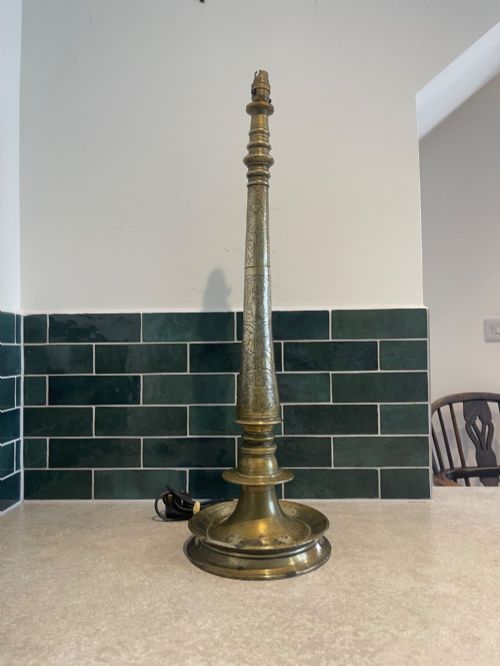
When you search for an oriental brass desk lamp, you encounter an array of lighting derived from Asian and Asian-influenced aesthetics produced across the nineteenth and early twentieth centuries. These pieces typically take the form of table lamps adapted from earlier vases, spill vases, or dedicated cast metal bodies.
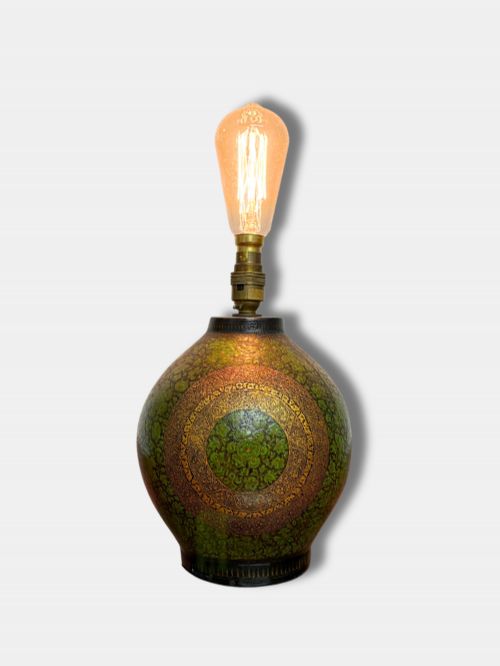
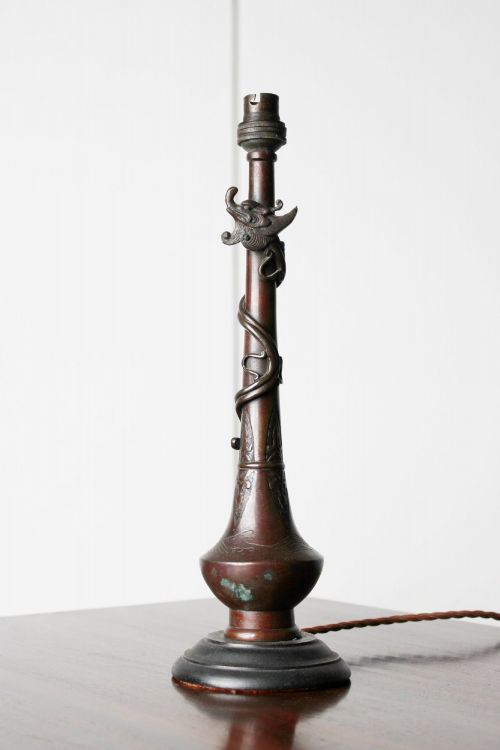
The selection ranges from Victorian pressed brass examples and Edwardian chinoiserie lacquer to Meiji period Japanese bronzes and Indian Kashmiri work. Most items combine metal mounts with ceramic or bronze vessels, creating substantial task lighting with distinctive cultural motifs.
How they were made
Makers utilised heavy brass, bronze, and copper as the foundational metalwork for casting bases, stems, and mounts. These metal elements were frequently combined with porcelain, enamel, and carved wood to build multi-material lamp bodies.
Surface decoration involved specialised techniques such as cloisonné enamel work, champlevé, hand-painting on porcelain, and applied black and gold lacquer. Many surviving examples integrate converted ceramic vases, utilising drilled porcelain bodies fitted with period electrical hardware.
Listings feature items from the 19th century, Victorian, Edwardian, and the 1910s to 1930s, utilising brass, porcelain, bronze, and silk.
What varies in quality
The distinction between standard and superior pieces rests on the precision of the metal casting and the intricacy of the surface decoration. Finer examples display crisp champlevé work, detailed enamel cells, and hand-painted porcelain with sharp polychrome pigments.
Structural integrity and the quality of the conversion also dictate standing. Lamps retaining original patination on the brass and securely mounted ceramic bodies demonstrate superior original manufacture and careful adaptation.
The Oriental Brass Desk Lamp Glossary
- Cloisonné
- An enamelwork technique where thin metal wires are soldered to a metal base to form compartments filled with paste and fired. This method creates vibrant, patterned surfaces often seen on Chinese and Japanese lamp bodies.
- Champlevé
- An enamelling process where troughs or cells are carved directly into a thick bronze or brass plate and filled with vitreous enamel before firing. It yields robust, tactile ornamentation on nineteenth-century metalwork.
- Chinoiserie
- A European artistic style reflecting Chinese motifs and decorative techniques, popular during the Victorian and Edwardian eras. It manifests on lamps through lacquered surfaces and painted oriental scenes.
- Meiji Period
- The era in Japanese history spanning from 1868 to 1912, characterised by the opening of trade with the West. Lamps from this period frequently feature Satsuma ware, Imari porcelain, and finely patinated bronzes.
- Famille Verte
- A Chinese porcelain palette dominated by green enamel, developed during the Qing dynasty and utilised on nineteenth-century ceramic lamp conversions. This style incorporates rich floral and figurative compositions.
Oriental Brass Desk Lamp: Frequently Asked Questions
Are these lamps safe to use today?
Many period pieces arrive with historic wiring that requires modern updating for safe daily use. Professional rewiring ensures the internal components meet contemporary electrical standards without altering the exterior aesthetic.
Buyers should consult a qualified electrician to check the lamp holder and cord before plugging the piece into a modern socket.
How do I date an antique lamp?
Dating relies on examining the materials, manufacturing marks, and the style of the metal mounts or ceramic body. Victorian and Edwardian pieces often exhibit distinct brass casting styles and lacquer techniques characteristic of late nineteenth and early twentieth-century production.
Comparing the decorative motifs, such as Meiji period Satsuma or Qing dynasty famille verte, helps narrow the decade of origin.
Can I replace the lampshade?
Replacing the shade is straightforward provided the fitter matches the original harp or gallery size of the lamp. Selecting a fabric or silk shade that complements the period style enhances the visual balance of the piece.
Ensure the shade proportion does not overwhelm the brass or porcelain base.
What is a converted vase lamp?
A converted lamp is an antique vessel, such as a Chinese porcelain vase or Japanese bronze spill vase, subsequently adapted for electrical lighting. This practice preserves decorative ceramic and metal art objects by giving them a functional domestic purpose.
Such conversions often involve a drilled base or fitted brass collar to secure the bulb fitting.