






Oriental Bone Carving
Oriental bone carving brings together intricate sculptural work and inlaid furniture from diverse global traditions, offering collectors remarkable historic craftsmanship.
Oriental Bone Carving
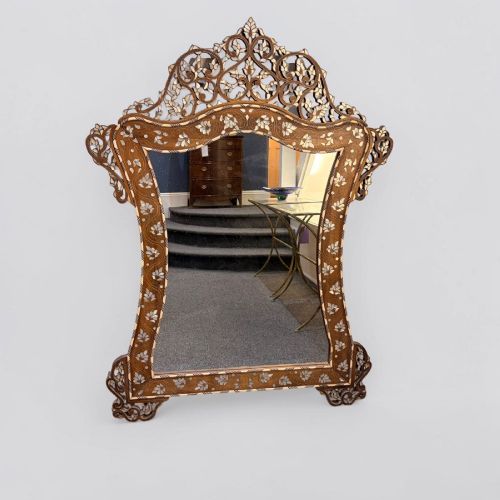
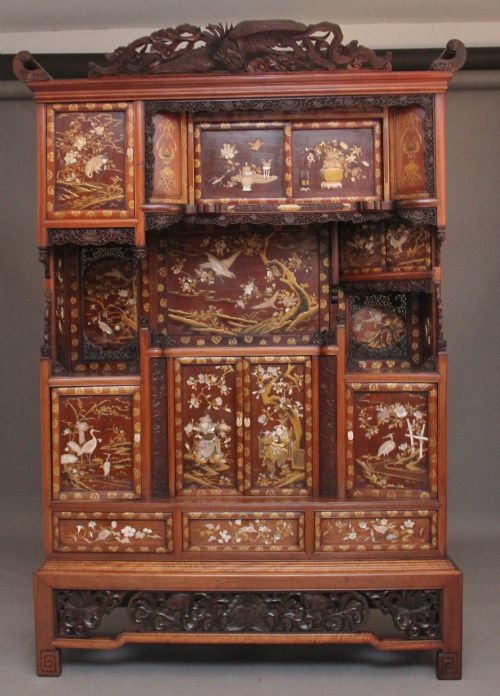
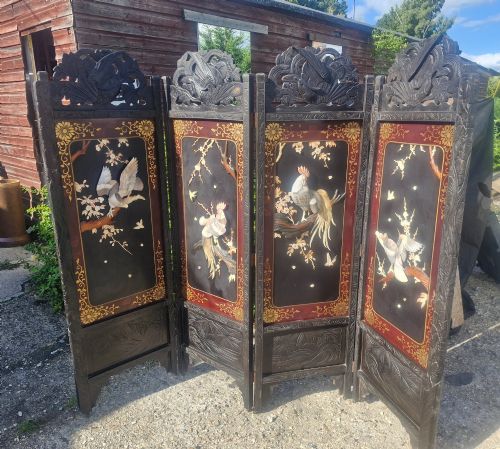
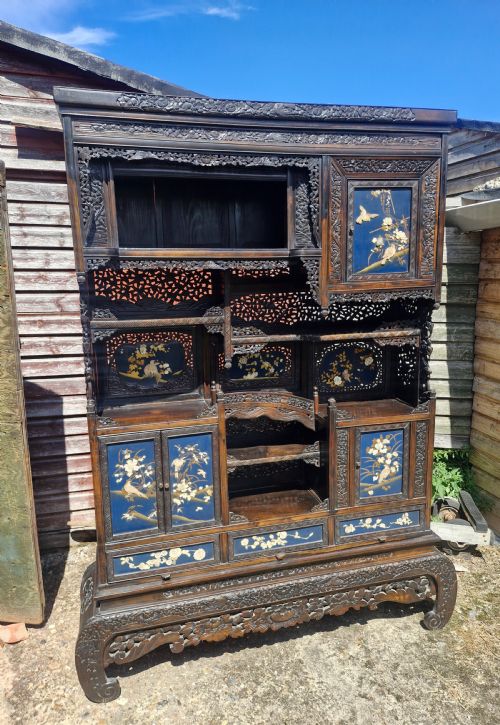
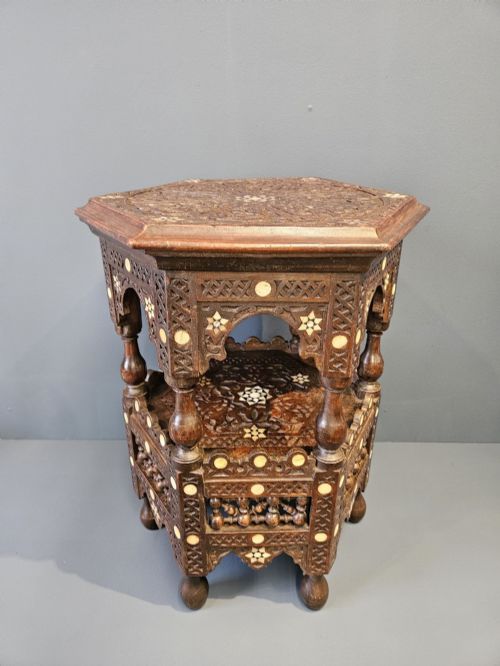
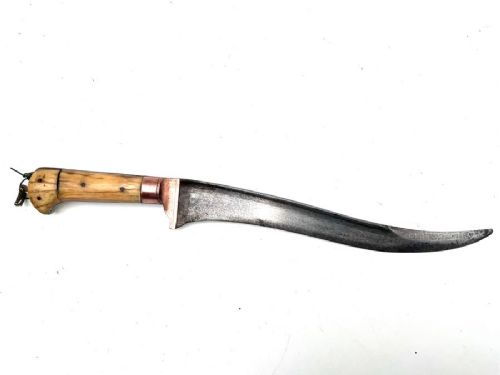
When you search for oriental bone carving, you encounter a diverse range of objects spanning folding screens, occasional tables, cabinets, mirrors, and functional items like pipes and daggers. These pieces originate from varied cultural contexts, including Japanese export workshops, Anglo-Indian centres, and Indo-Persian regions.
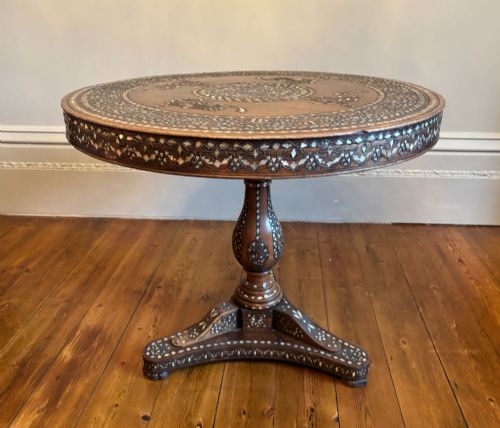
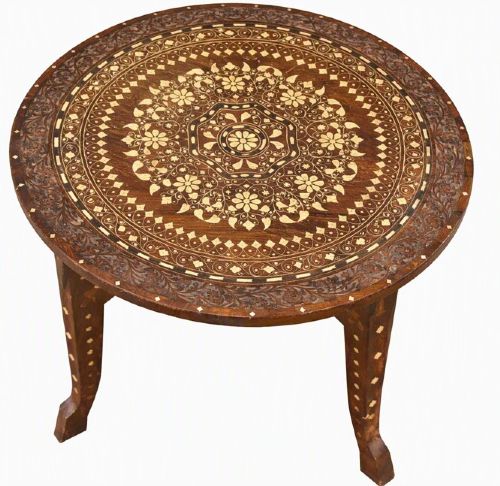
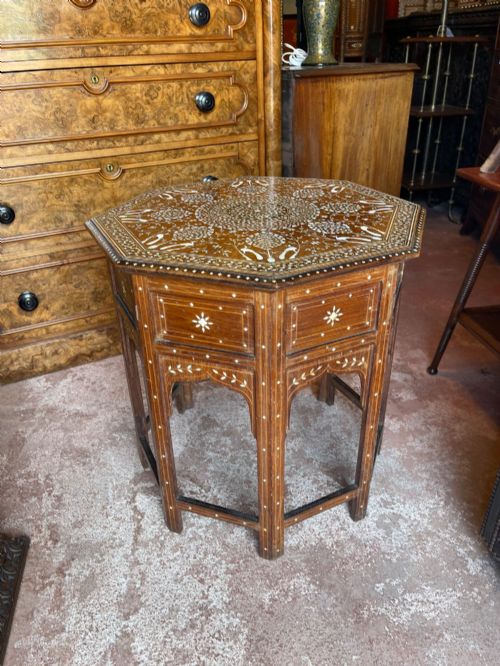
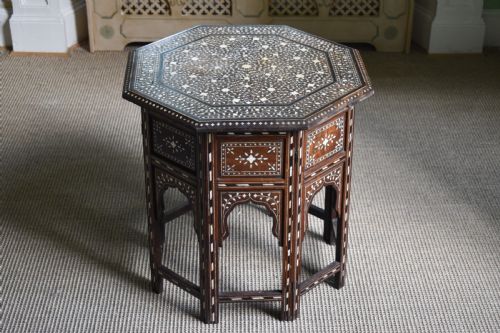
You are most likely to meet inlaid occasional tables from Hoshiarpur alongside Japanese folding screens featuring deep carved bone figures. The inventory also includes specialised items such as gunpowder flasks, opium pipes, and edged weapons like daggers.
The periods represented stretch from pre-sixteenth century blades through eighteenth-century panels and nineteenth-century Victorian pieces into the early twentieth century. This chronological span reveals how different regions adapted bone carving and inlay techniques across generations.
Markers of quality
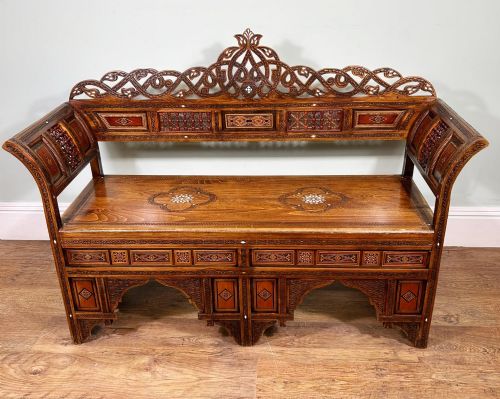
The distinction between tiers rests upon the precision of the inlay work and the depth of the carving. Finely detailed figural carving and tight, uniform bone mosaic indicate superior craftsmanship compared to simpler geometric arrangements.
Material selection also dictates standing, with dense hardwoods like sandalwood or rosewood providing a more substantial foundation than basic secondary woods. The integration of complementary materials such as mother-of-pearl further elevates the distinction of a piece.
Oriental Bone Carving Retail Price Guide 2026
Typical asking prices for oriental bone carving among the pieces listed under this phrase on Sellingantiques today, from the lower quarter to the upper quarter. They describe what is for sale here now, not the wider market.
Materials appearing across the inventory include bone, sandalwood, rosewood, mother-of-pearl, and red lacquer.
Liberty and Co
The Oriental Bone Carving Glossary
- Hoshiarpur
- A region in Punjab renowned for intricate wooden furniture featuring dense bone inlay in floral and geometric patterns.
- Meiji Period
- A Japanese era lasting from 1868 to 1912 noted for detailed export arts including screens and cabinets.
- Pesh Kabz
- A type of Indo-Persian single-edged dagger designed with a reinforced point for piercing mail.
- Guanyin
- A revered East Asian deity associated with compassion, frequently depicted in carved figures and objects.
- Lacquer
- A durable resin finish applied to wooden objects, often decorated with paint or inlaid elements.
Oriental Bone Carving: Frequently Asked Questions
What is oriental bone carving?
Oriental bone carving encompasses decorative and functional objects adorned with carved animal bone or intricate bone inlay. The category spans diverse forms including folding screens, tables, cabinets, pipes, and weapons.
These items originate from various regions such as Japan, India, and the Middle East, reflecting distinct cultural techniques developed across centuries.
How were Hoshiarpur tables made?
Hoshiarpur tables were constructed using dense timbers like sheesham wood, sandalwood, or rosewood as a structural base. Artisans then recessed intricate pieces of bone into the wood to form complex geometric and floral patterns.
Many of these tables were designed to fold flat, combining practical portability with elaborate decorative surfaces suited to Anglo-Indian and Moorish tastes.
How do I identify the period?
Dating these pieces relies on stylistic markers, construction methods, and specific regional influences recorded in the materials. Victorian and early twentieth-century examples often align with Anglo-Indian or Moorish Revival aesthetics.
Earlier items, such as eighteenth-century panels or pre-sixteenth century blades, display distinct regional tool marks and historical context that separate them from later export wares.
How should I care for bone inlay?
Bone inlay furniture requires stable indoor humidity to prevent the wood from expanding or contracting and loosening the delicate bone pieces. Keep items away from direct sunlight and sudden temperature shifts.
Dust the surface gently with a soft, dry cloth and avoid harsh chemical cleaners that could damage the lacquer or dry out the bone.