

Oriental Bedside Light
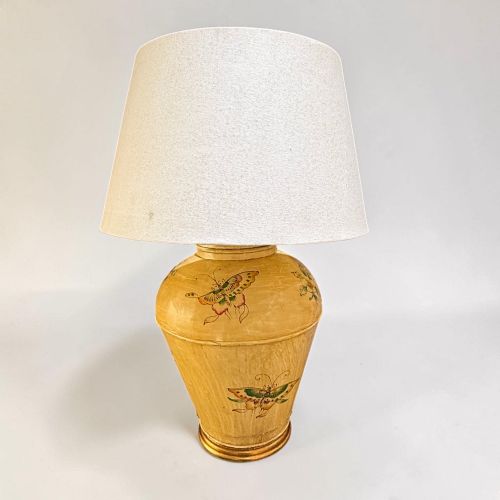
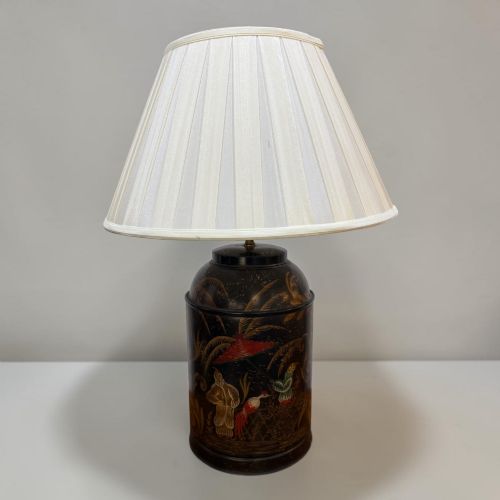
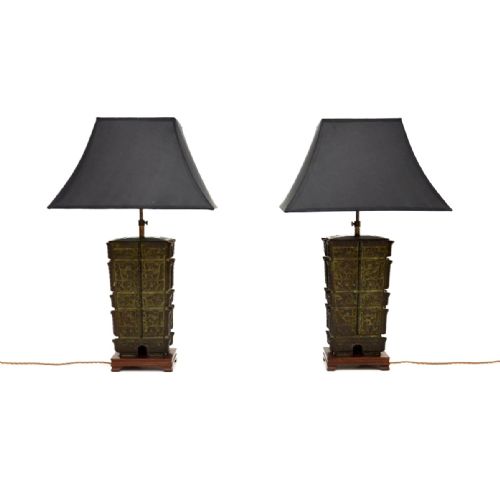
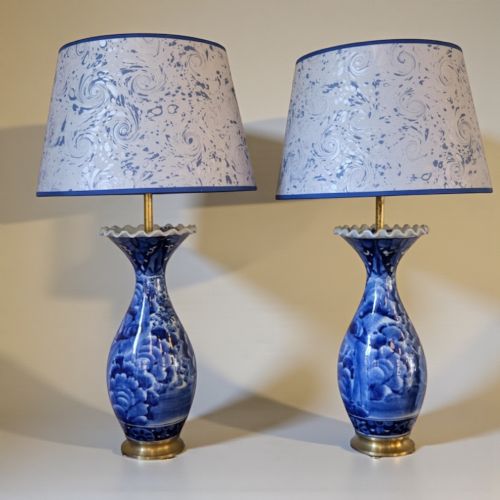
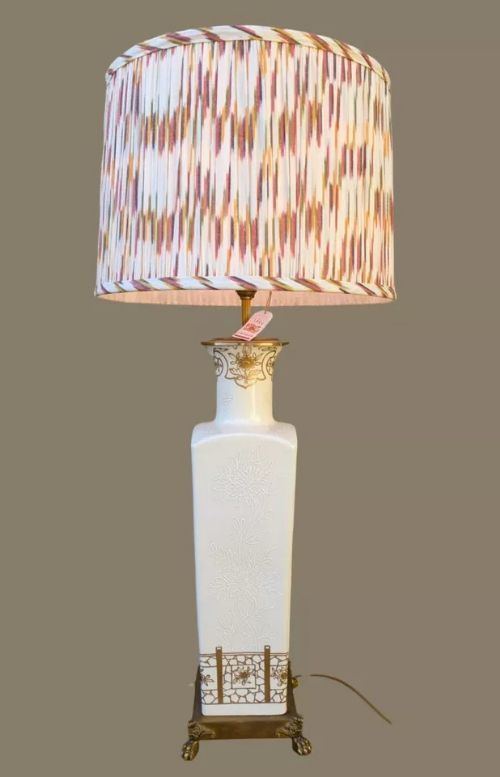
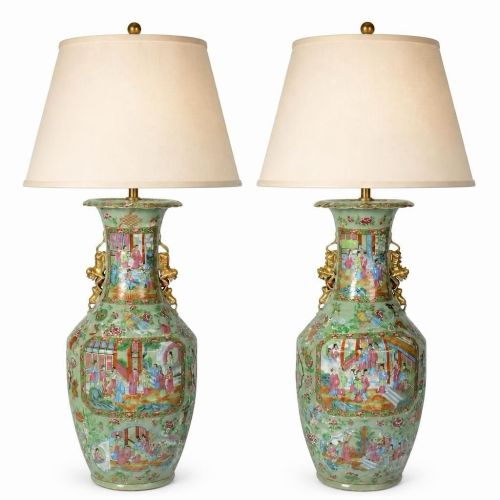
These oriental bedside light pieces bring together 19th century porcelain, bronze, and lacquer work adapted into table lamps for a room.
Oriental Bedside Light
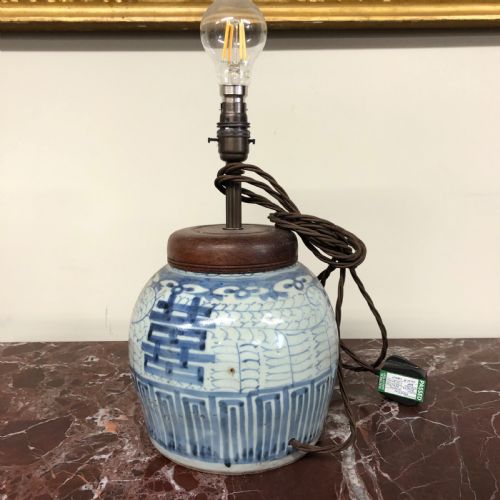
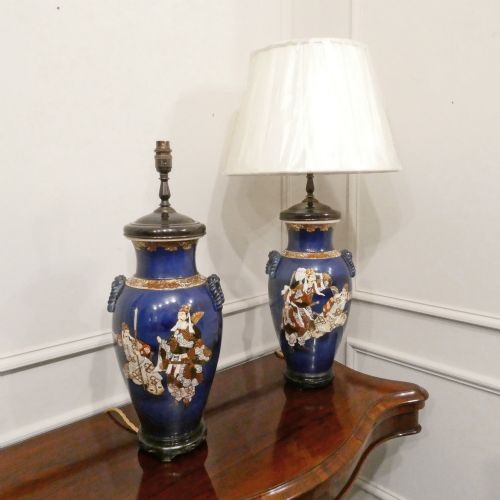
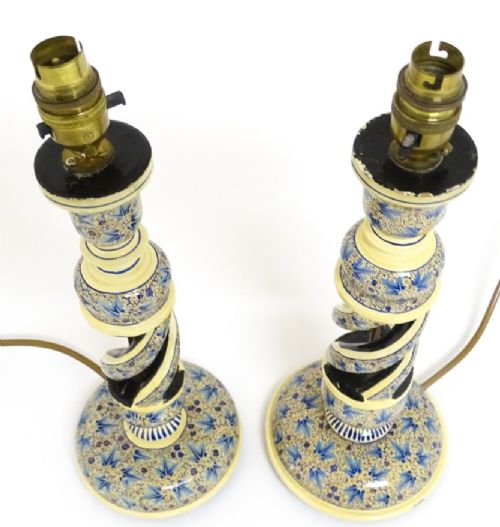
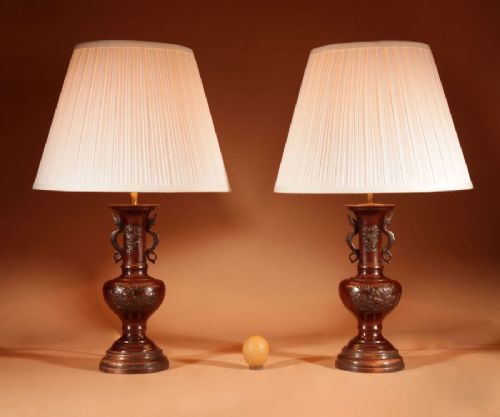
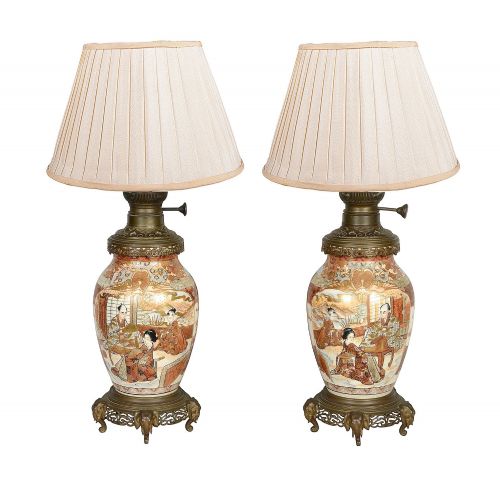
When you search for an oriental bedside light, you encounter table lamps converted from 19th century and early 20th century vases, ginger jars, tea canisters, and brush pots. The selection on this page relies heavily on Japanese Meiji period Satsuma and bronzes, alongside Chinese export porcelain and lacquered wood.
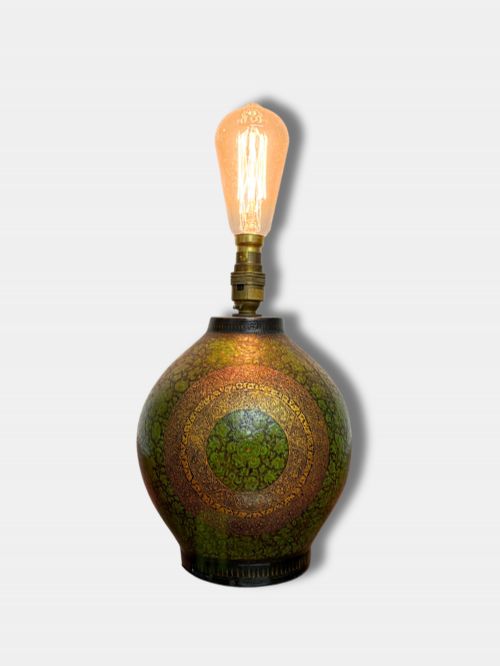
The forms span Victorian and Edwardian periods up to the 1930s, incorporating styles such as Chinoiserie, cloisonné, and Kashmiri hand-painted woodwork. Most examples originate from older vases or jars fitted for electrical use while retaining their original decorative bodies.
Materials and construction
The bodies of these lamps utilise ceramic, bronze, and wood, often combined with brass mounts, enamel, and mother-of-pearl inlay. Porcelains feature hand-painted glazes including Famille Verte, Famille Rose, and blue and white designs.
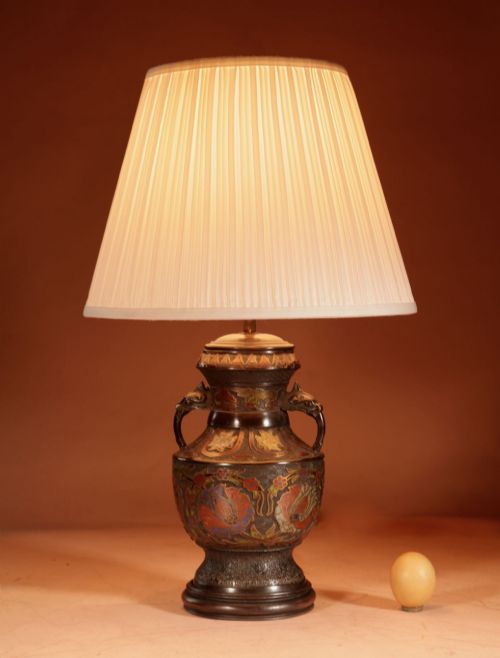
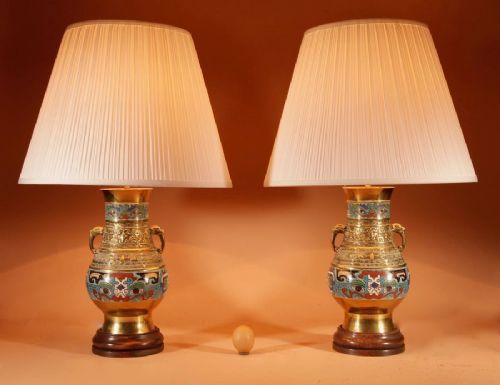
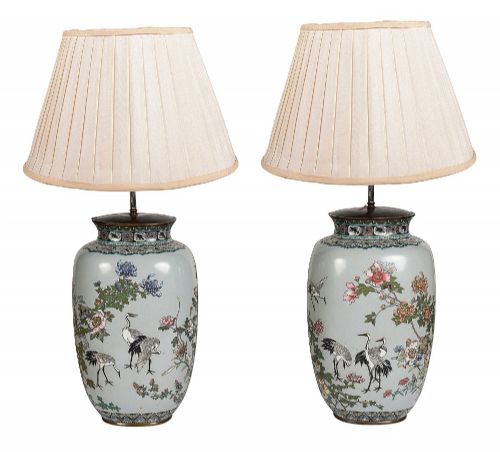
Bronzes employ champlevé and cloisonné techniques to create intricate patterns of wire and enamel set into the metal surface. Lacquered and hand-painted wooden bases complete the construction methods recorded in the listings.
Oriental Bedside Light Retail Price Guide 2026
Typical asking prices for oriental bedside light among the pieces listed under this phrase on Sellingantiques today, from the lower quarter to the upper quarter. They describe what is for sale here now, not the wider market.
Listings feature materials including porcelain, silk, brass, bronze, lacquer, and fabric across 19th century and early 20th century forms.
Quality and execution
The standard of painting on the porcelain and the precision of the enamel work govern the quality of each piece. Crisp detail in carved wood and patinated bronze separates finer studio output from standard decorative objects.
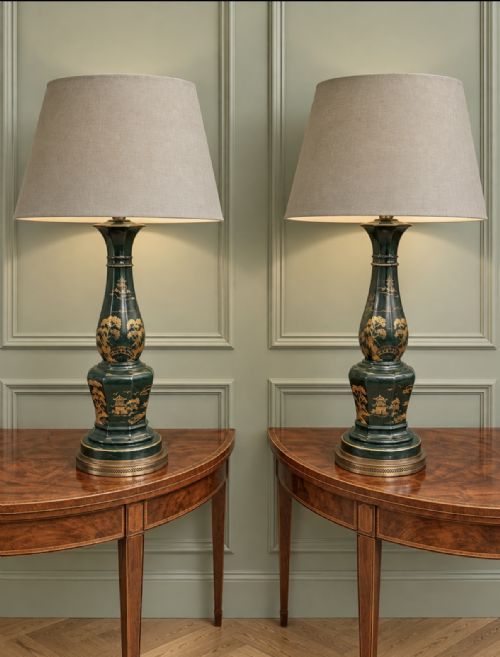
Matching pairs demonstrate superior original intent compared to single converted vessels, particularly when the conversion respects the proportions and physical integrity of the base material.
The Oriental Bedside Light Glossary
- Chinoiserie
- European artistic style reflecting Chinese motifs and decorative techniques. It appears frequently in 19th century and Edwardian adaptations.
- Satsuma
- Japanese earthenware featuring a crackle glaze and detailed polychrome enamel painting. It is commonly found on Meiji period lamp conversions.
- Cloisonné
- Enamelwork technique where thin metal wires form compartments to hold coloured paste. This method creates the intricate patterns seen on brass and bronze lamp bodies.
- Ginger jar
- Ceramic vessel with a wide belly and domed lid, originally used for spices. Many examples on this page are converted into table lamps.
- Famille Verte
- Chinese porcelain palette dominated by green enamel colours. It characterises several 19th century vase lamps listed here.
Oriental Bedside Light: Frequently Asked Questions
What is an oriental bedside light?
An oriental bedside light is a table lamp created by adapting an Asian ceramic, bronze, or wooden vessel for domestic electrical use. These pieces often utilise antique vases, ginger jars, and tea canisters mounted on bases.
They span periods from the Victorian era to the 1930s, incorporating styles such as Japanese Meiji and Chinese export decoration.
How do I date a ceramic lamp?
Dating relies on the manufacturing characteristics of the vessel body, such as the glaze type, iron footrims, and painting style. Pieces from the 19th century display specific palette choices like Famille Verte or Rose.
Later adaptations from the 1920s and 1930s often show wiring methods and brass fittings typical of those decades.
Where were these lamps made?
The original vessels originate from workshops in China and Japan, alongside regional centres such as Kashmir and Bali. Japanese pieces frequently date to the Meiji period.
European makers also produced items in the Chinese taste during the 19th and early 20th centuries.
How do I style these lamps?
These lamps function as decorative accents on side tables and bedroom surfaces, providing warm ambient lighting. Their diverse materials suit various interior schemes ranging from traditional to eclectic.
Pairing matching vessels creates symmetry on dual bedside surfaces.