

Oriental Art Painting
When you search for oriental art painting, you encounter works spanning paper, silk, and canvas from various Eastern traditions.
Oriental Art Painting
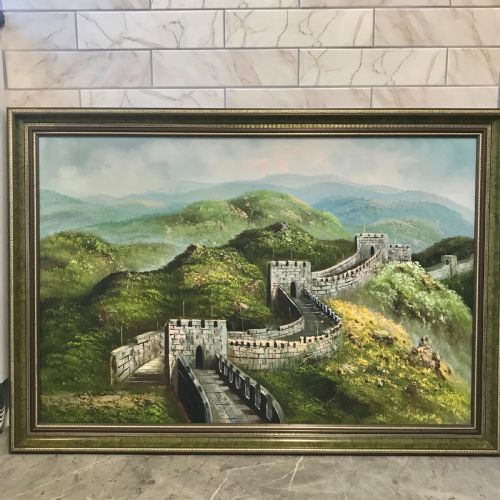
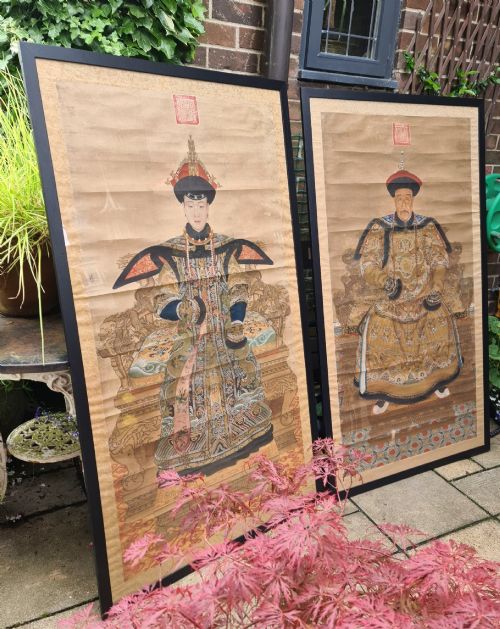
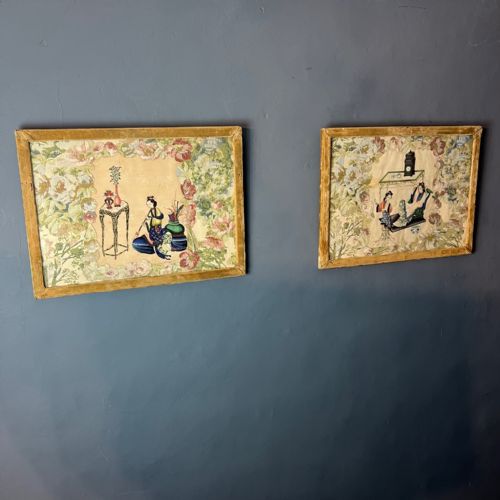
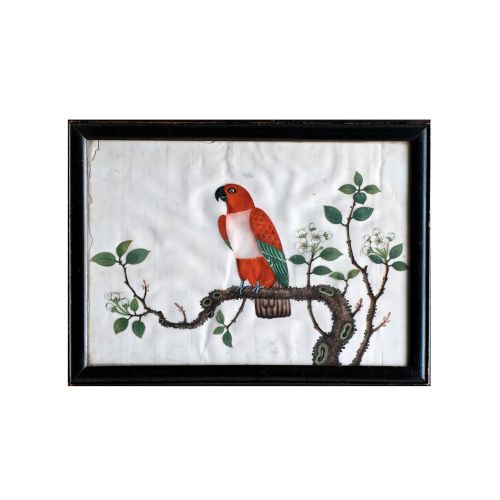
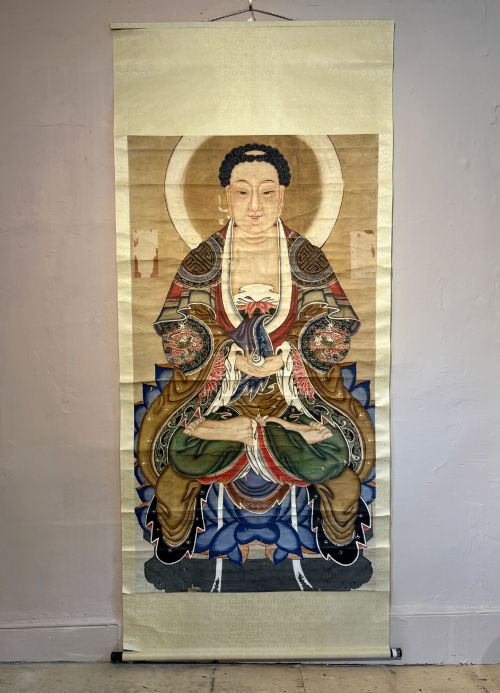
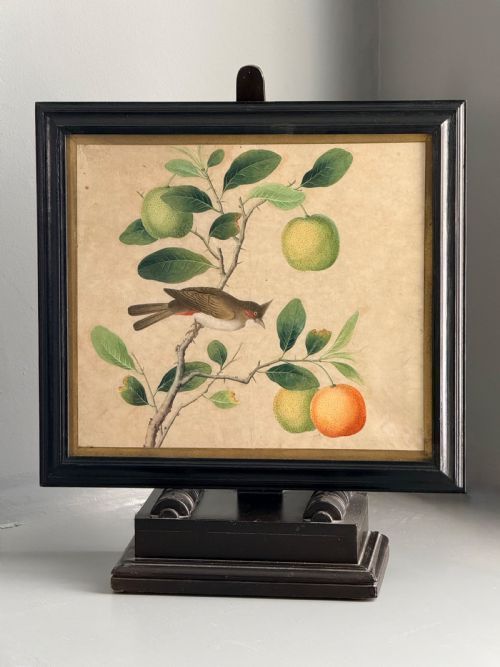
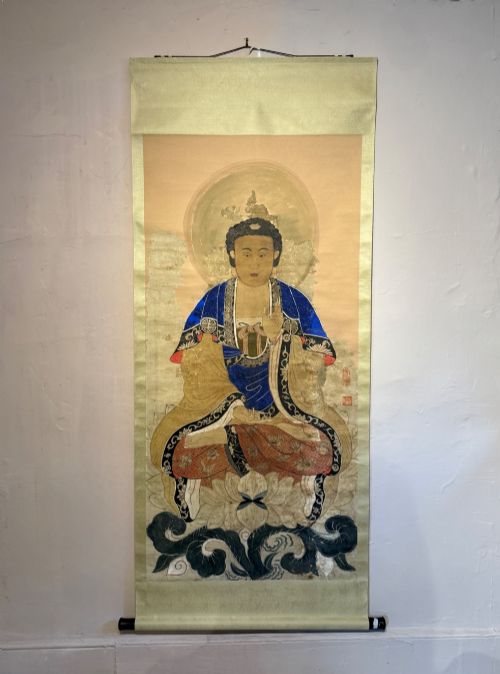
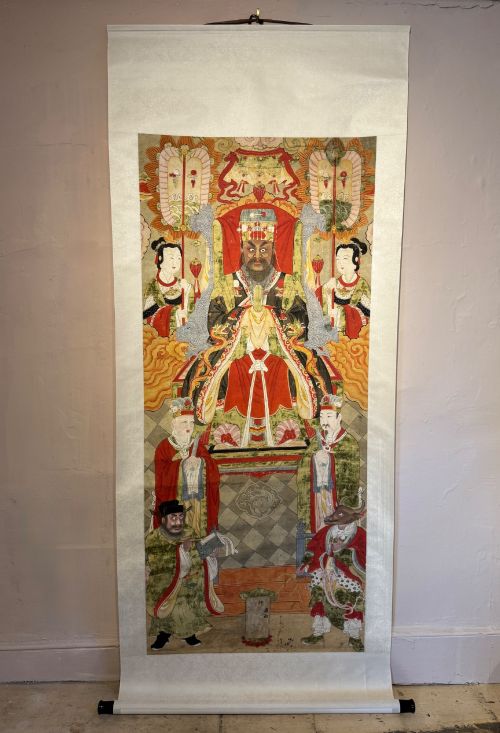
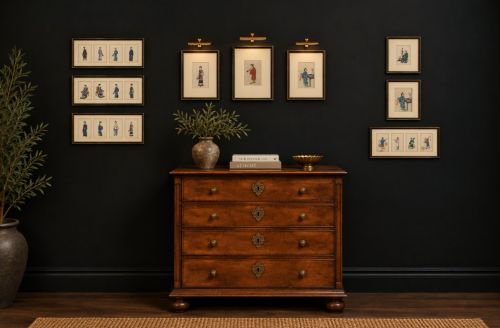
An oriental art painting covers diverse formats, ranging from framed silk scrolls and pith paper watercolours to canvas works. Pieces frequently emerge from 19th Century and early 20th Century periods, reflecting traditional techniques.
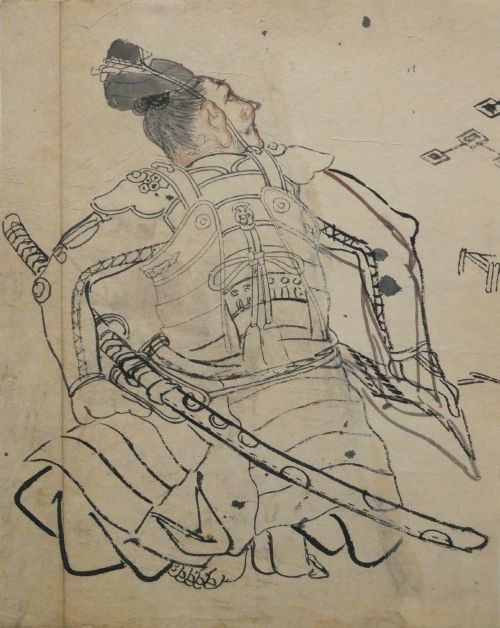
The selection here encompasses specific regional approaches, including Chinese watercolours, Japanese silk paintings, and Balinese fabric works. Buyers regularly find ancestral scrolls, framed artwork, and wall hangings among these categories.
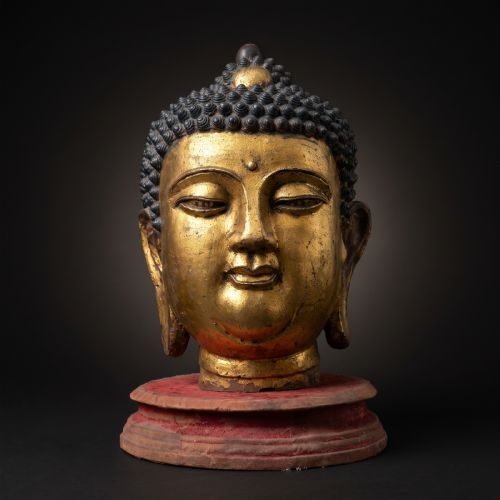
Subjects vary from Buddhist deities and figural scenes to still life compositions and landscape views. These diverse objects highlight traditional craftsmanship across multiple Asian regions.
Materials and construction methods
Artists painted on delicate surfaces such as pith paper, silk, and woven fabric using watercolours, gouache, or ink. Many works incorporate traditional mounting techniques, placing fragile paintings within original wooden frames or ancestral scroll structures.
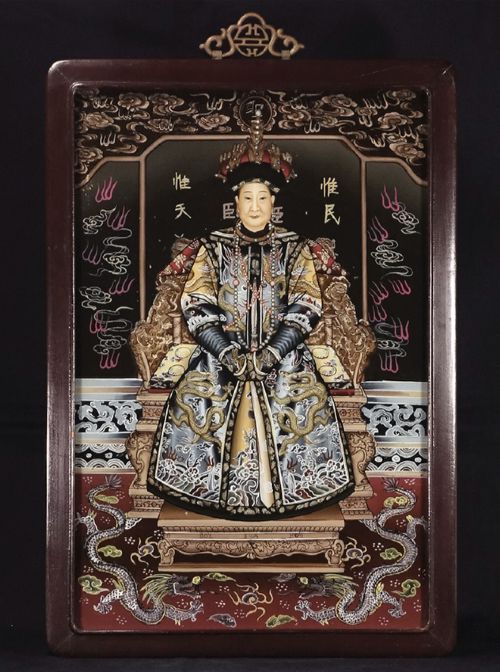
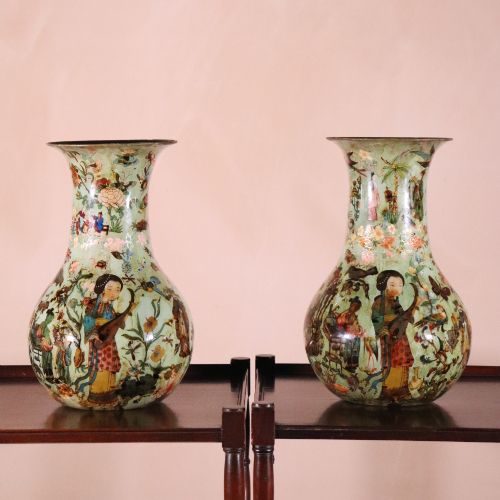
Complementary media include reverse painting on glass and detailed applications of gold leaf. These methods require precise brushwork, particularly when executing fine details on absorbent organic materials.
Oriental Art Painting Retail Price Guide 2026
Typical asking prices for oriental art painting among the pieces listed under this phrase on Sellingantiques today, from the lower quarter to the upper quarter. They describe what is for sale here now, not the wider market.
Listings feature works created on delicate pith paper, woven silk, and glass across the 19th Century and 1900s.
Distinguishing quality in these works
Quality rests upon the fineness of the brushwork and the preservation of delicate organic grounds like silk and pith paper. Superior examples display controlled pigment application and distinct facial expressions in figural subjects.
The integrity of original mountings, frames, and scrolls also influences the standing of a piece. Well-preserved works retain their original structural elements without heavy restoration altering the surface.
Manpei·Frederick Goodall RA
The Oriental Art Painting Glossary
- Pith paper
- A fragile material formed from the pith of the Tetrapanax papyrifer plant, commonly used for watercolours in the 19th Century. It absorbs pigments deeply, creating a velvety surface texture.
- Scroll
- A length of silk or paper mounted for rolling or vertical wall hanging. They often feature protective wooden ends and traditional suspension cords.
- Gouache
- An opaque water-based medium that provides solid colour blocks and fine detail. It appears frequently on historical paper and textile supports.
- Reverse painting on glass
- A technique where the artist paints directly onto the back of a glass panel, viewing the finished image through the front. This method imparts a glossy sheen to the composition.
- Qing Dynasty
- The final imperial dynasty of China, spanning from the mid-17th to the early 20th Century. Many traditional paintings and decorative objects date from its later decades.
Oriental Art Painting: Frequently Asked Questions
How do I hang a silk scroll?
Silk scrolls require careful handling due to the delicate nature of the fabric and mounting. Use appropriate wall fixings that support the weight of the wooden scroll ends without straining the material.
Keep scrolls away from direct sunlight and high humidity to prevent the silk from warping or fading over time.
What is pith paper?
Pith paper is a porous, lightweight material derived from plant pith rather than beaten wood pulp. Artists utilised it extensively for detailed watercolours during the 19th Century.
The material possesses a unique cellular structure that absorbs watercolours vividly, though it remains fragile and sensitive to physical pressure.
Are these paintings original?
The listings feature period works created across the 19th and early 20th Centuries, executed by hand on traditional supports. Each piece reflects the specific materials and artistic conventions of its origin.
Detailed examination of the pigments, paper, and framing helps confirm the historical context of each individual artwork.