

Oriental Art Framed
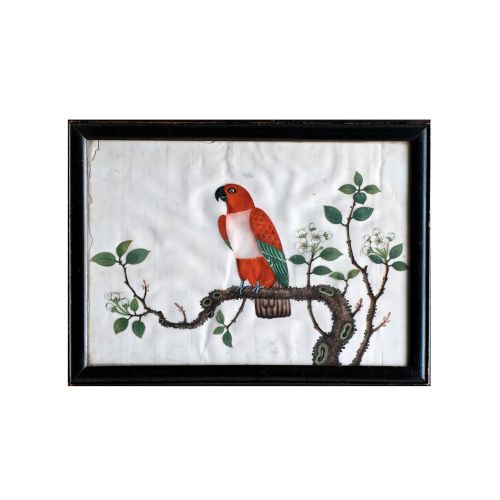
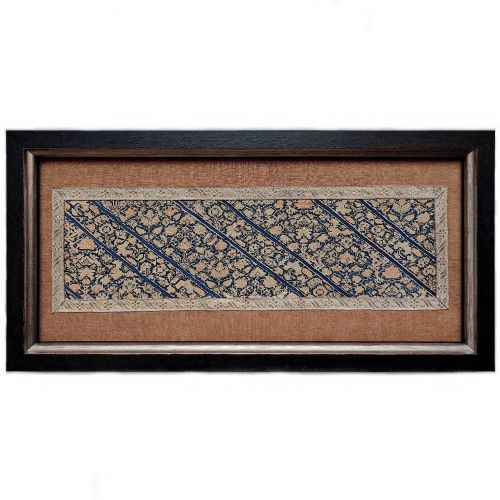
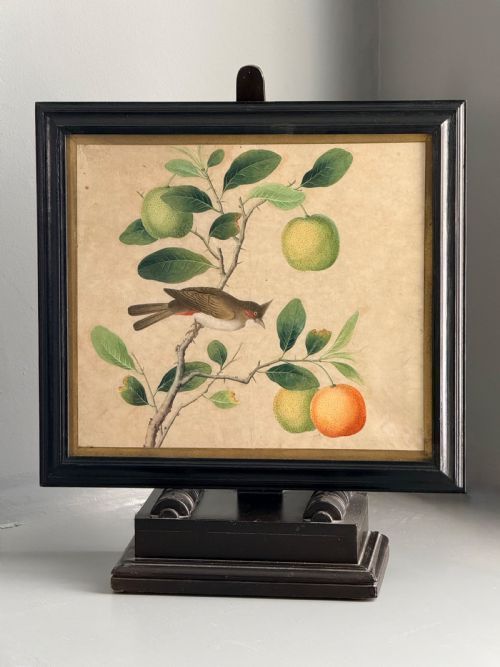
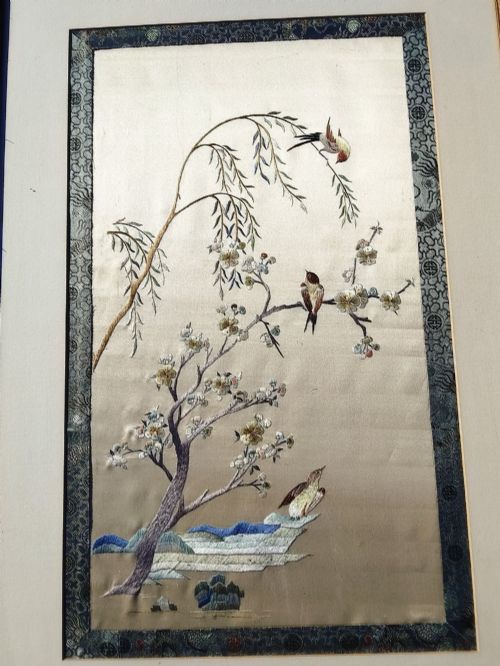
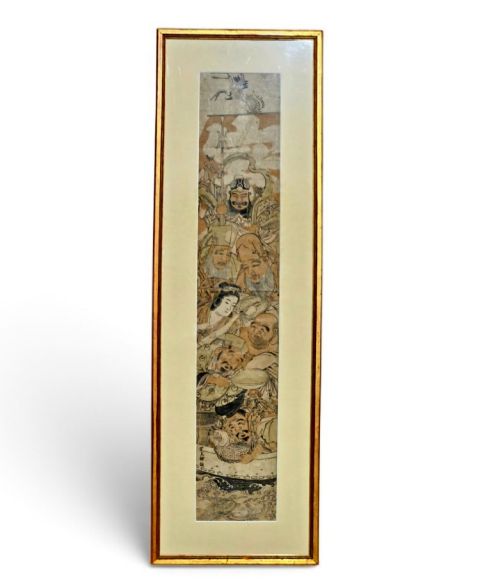
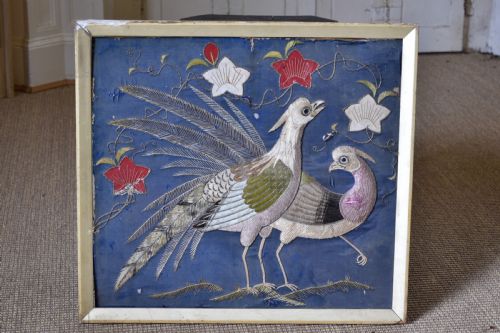
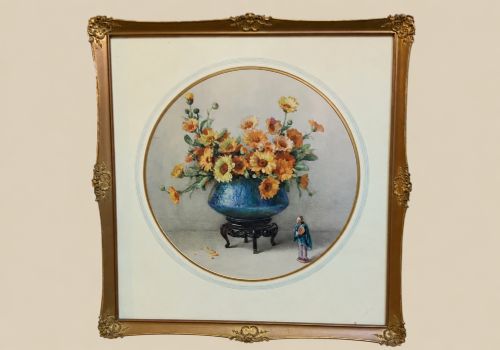
Oriental art framed brings together centuries of delicate hand-painted silk, woodblock prints and intricate textiles ready to hang on the wall.
Oriental Art Framed
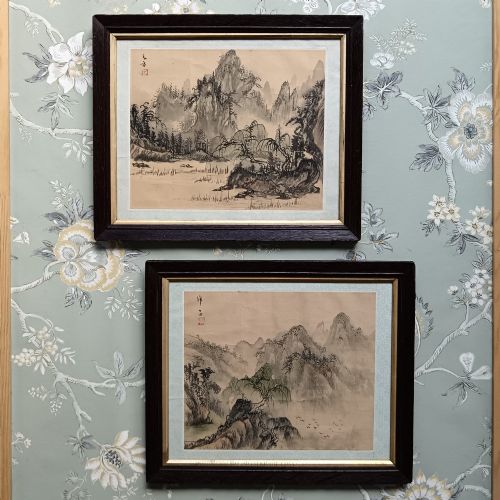
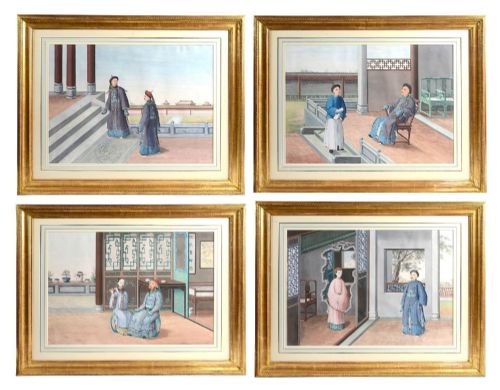
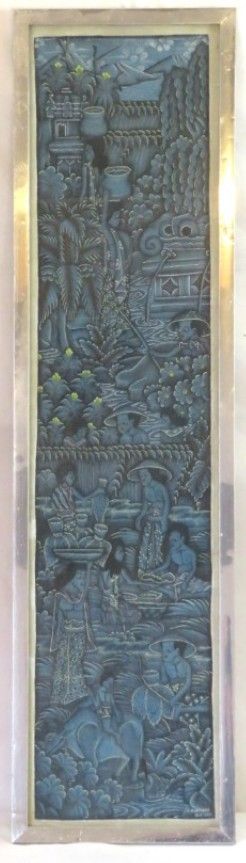
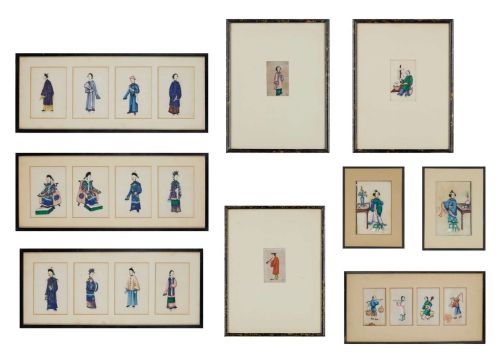
These works encompass wall art, paintings, framed artwork and textiles originating from diverse traditions across Asia and the Middle East. Buyers searching for oriental art framed encounter everything from delicate pith paper paintings to bold woodblock prints.
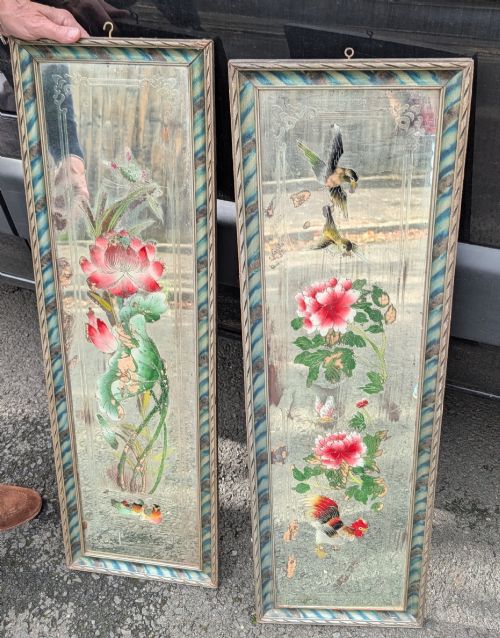
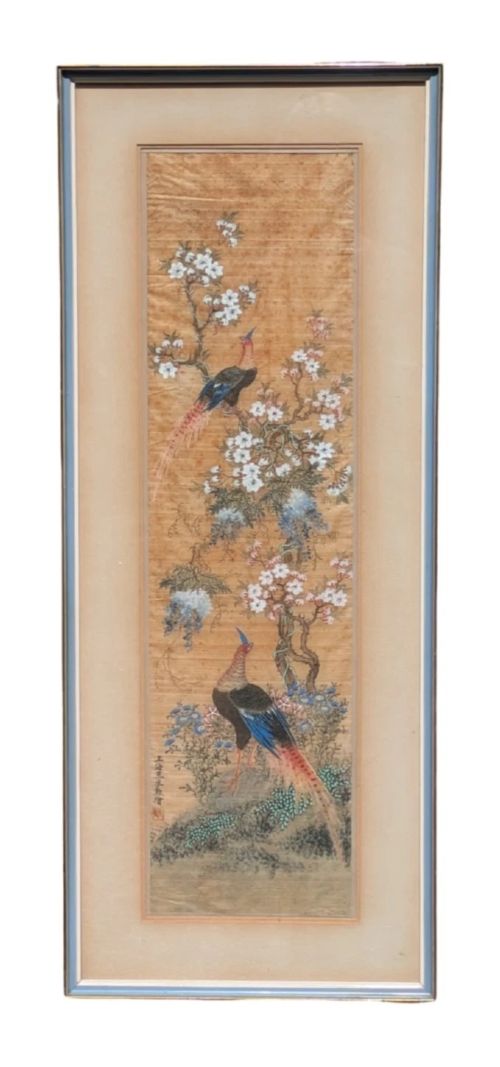
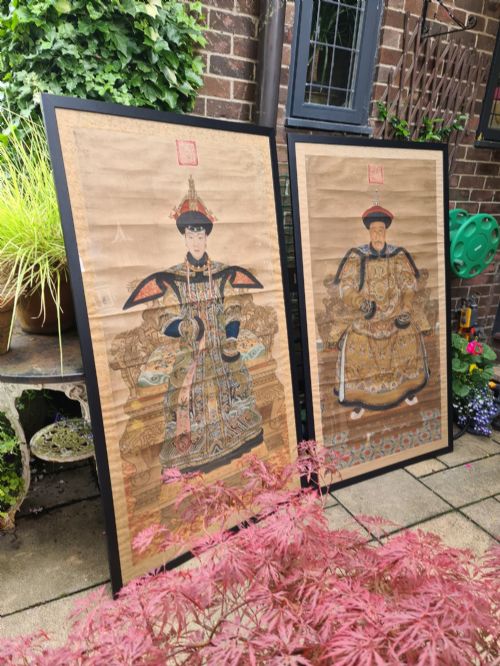
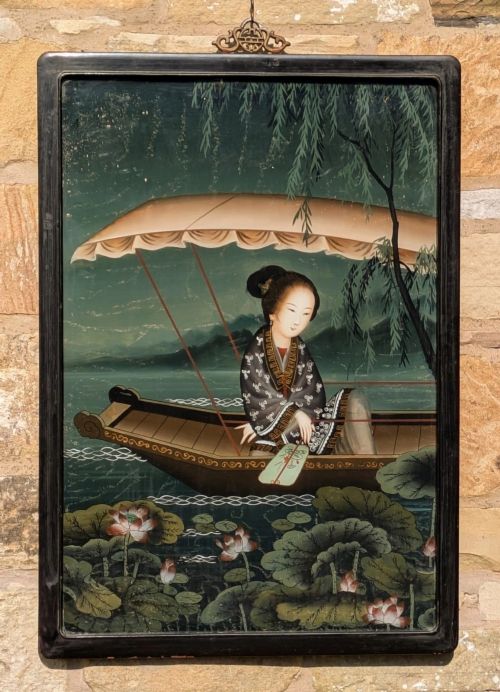
The selection ranges from eighteenth-century ancestor portraits and reverse glass paintings to twentieth-century silk panels and Japanese woodblock prints. Many examples retain their original frames, preserving the integrity of the piece.
Origins span China, Japan, Bali, the Ottoman Empire and India, reflecting distinct regional aesthetics and craftsmanship. Dating primarily from the nineteenth century onward, these pieces offer a direct window into traditional techniques.
Materials and construction
Artisans employed a variety of fragile supports, including silk, cotton fabric, pith paper, and glass for reverse paintings. Pigments, gouache, ink and water colour were applied with immense precision.
Frames utilise carved wood, red lacquer inset with mother of pearl and abalone, or stone, protecting the delicate works beneath glass.
Oriental Art Framed Retail Price Guide 2026
Typical asking prices for oriental art framed among the pieces listed under this phrase on Sellingantiques today, from the lower quarter to the upper quarter. They describe what is for sale here now, not the wider market.
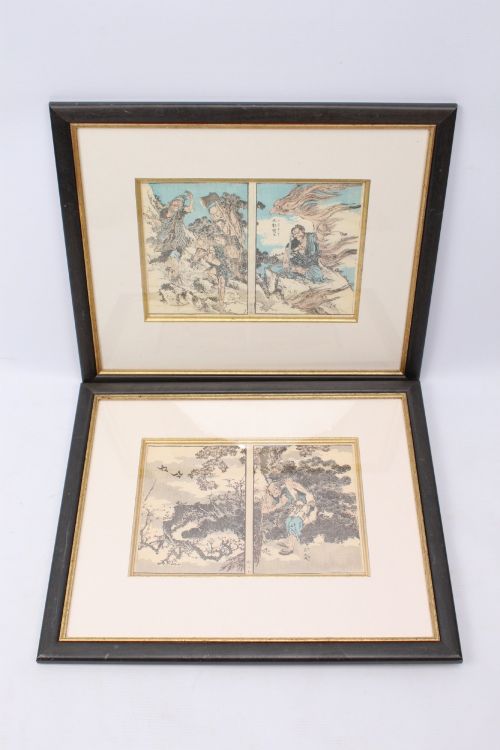
The selection includes Japanese woodblock prints, Chinese ancestor scrolls, and Ottoman embroidered fragments.
Evaluating quality and execution
The sophistication of the brushwork or needle precision dictates the standing of a piece, with master carvers and painters achieving remarkable detail in facial expressions and botanical forms. Finer works display superior pigment preservation and harmonious colour blending.
Original framing elevates an object, particularly when the lacquer, mother-of-pearl inlay or carved wood complements the artwork without replacement or intrusion. Matching pairs naturally command greater attention due to their symmetry and scarce survival.
Katsukawa Shunshō·Kitagawa Utamaro·Warwick Goble·Frederick Goodall
The Oriental Art Framed Glossary
- Pith paper
- A delicate material derived from the pith of the tetrapanax papyrifer plant, commonly used in nineteenth-century Chinese watercolour painting. It has a velvet-like texture that absorbs pigment intensely.
- Reverse painting on glass
- An image painted directly onto the back of a glass panel so that the finished work is viewed through the front. This technique gives the colours a remarkable depth and glossy finish.
- Woodblock print
- A relief printing technique where an image is carved into a wooden block, inked, and transferred to paper. This method allowed for multiple impressions of intricate Japanese ukiyo-e designs.
- Shan Shui
- Traditional Chinese landscape painting style featuring natural scenery such as mountains, rivers and waterfalls. These compositions often include small figures to indicate scale.
- Ancestor portrait
- A formal painting commissioned to honour deceased family members in Chinese tradition. They were created with strict adherence to posture and dress.
Oriental Art Framed: Frequently Asked Questions
How do I hang antique silk paintings?
Silk and paper works require protection from direct sunlight to prevent the pigments and fabric from fading over time. Maintain a stable indoor humidity level to safeguard the fragile organic materials.
Ensure pieces are glazed properly with glass or acrylic that blocks ultraviolet light. Secure them safely using appropriate wall fixings suited to the weight of the original frames.
What is pith paper art?
Pith paintings are created on a delicate, spongy substrate derived from plant pith rather than traditional wood pulp. Artists used gouache and water colour to depict local trades, flora, and fauna.
Because the material is exceptionally fragile, these works are almost invariably found framed beneath glass. They offer a vivid record of nineteenth-century life.
How are woodblock prints dated?
Dating woodblock prints involves examining the publisher marks, censor seals, and paper quality. Stylistic shifts in clothing and hairstyles also provide clues to the era of creation.
Editions from periods like the Edo era or early twentieth century carry distinct signatures and publisher stamps. Reference catalogues help verify the active dates of the printmakers.
Are original frames important?
Original frames enhance the historical context of oriental art framed pieces by matching the period of the artwork. Lacquered frames with mother-of-pearl inlay are specific to certain nineteenth-century workshops.
Retaining the original housing preserves the integrity and provenance of the object. Even minor signs of age on the frame often confirm its authenticity.