





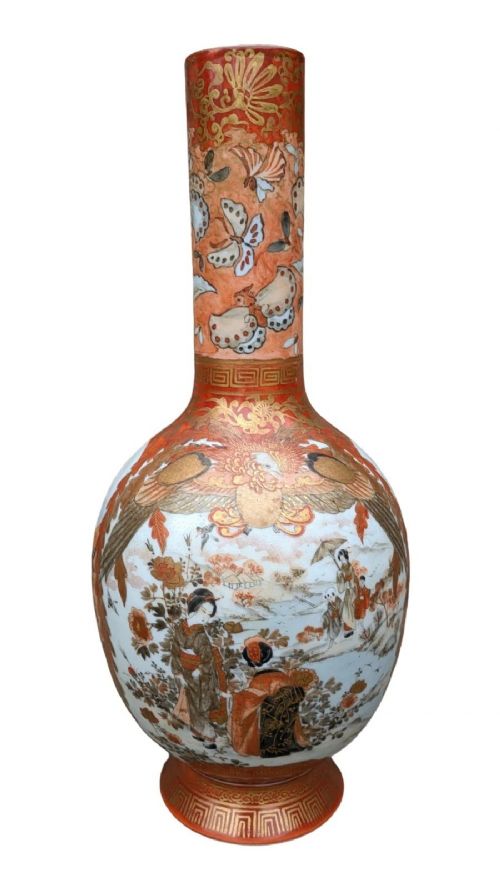


Orange Porcelain Jar
When you search for an orange porcelain jar, you enter a world of hand painted Imari, Kutani and Satsuma wares spanning the nineteenth and early twentieth centuries.
Orange Porcelain Jar
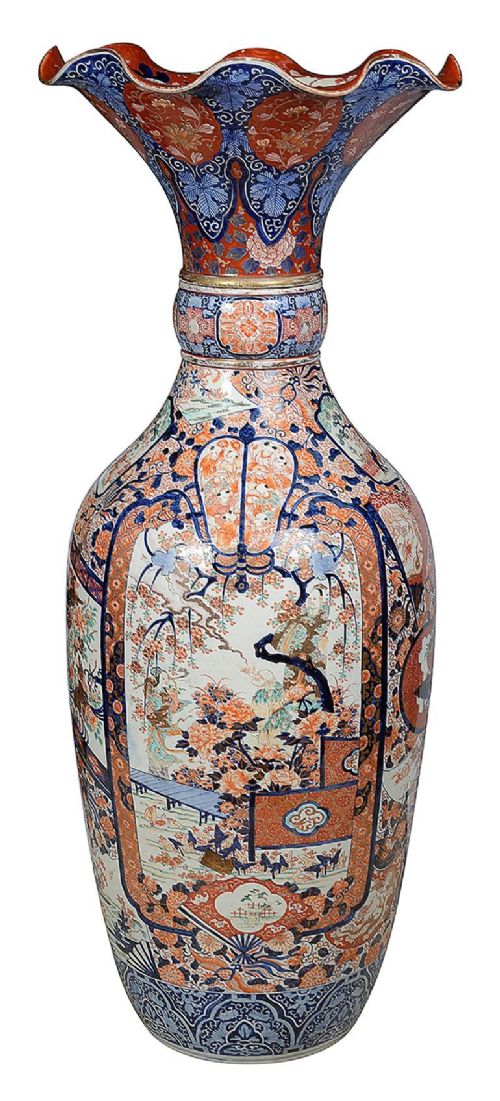
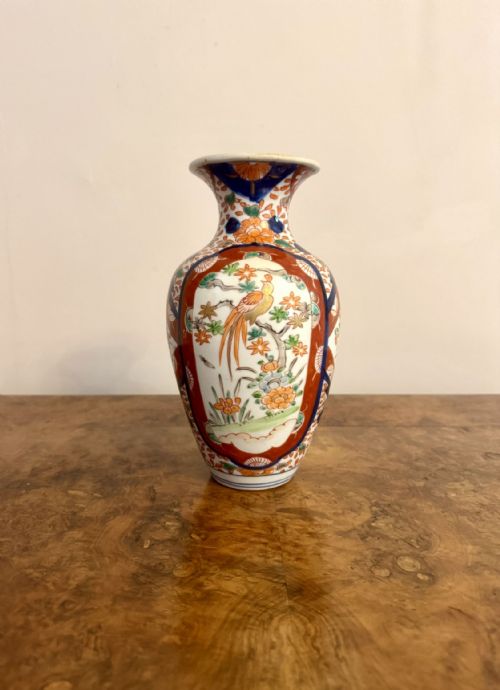
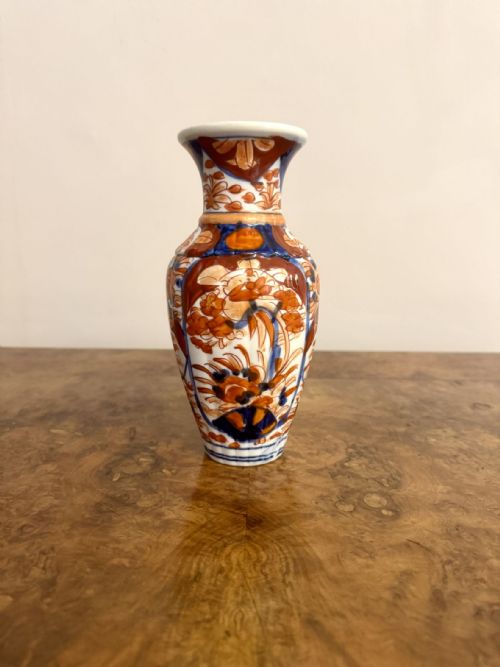
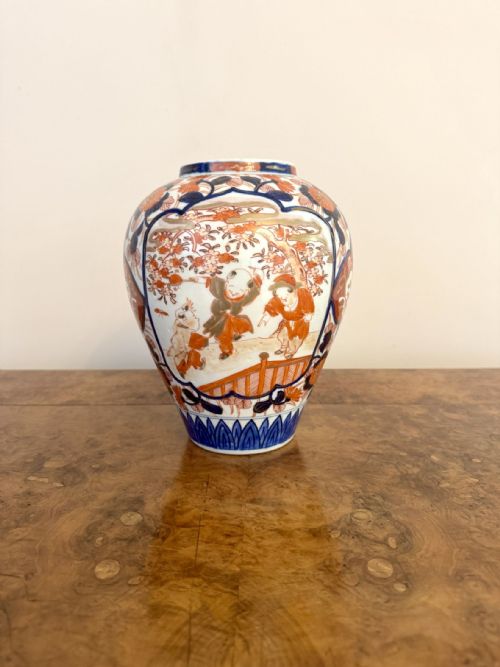
An orange porcelain jar on this page typically points to nineteenth century Japanese Imari and Kutani lidded vessels, alongside later European Art Deco powder bowls and biscuit barrels. The selection centres heavily upon large pairs of Imari lidded vases and covered ginger jars originating from the Meiji period.
Buyers also encounter smaller spill vases, double gourde vessels and ceramic powder bowls from the Edwardian and Art Deco eras. These pieces bridge decorative display and practical storage, utilising robust porcelain bodies built for daily use.
How they were made
The makers formed these vessels from hard paste porcelain and ceramic, applying vibrant glazes alongside hand painted enamel pigments. Artisans often incorporated gold leaf and meticulous gilding to highlight intricate patterns across the ceramic surface.
Firing techniques achieved durable finishes, whilst brass fittings occasionally supplemented lidded jars and table lamps. Hand painting ensured that individual pieces received distinct decorative motifs rather than purely mechanical replication.
Orange Porcelain Jar Retail Price Guide 2026
Typical asking prices for orange porcelain jar among the pieces listed under this phrase on Sellingantiques today, from the lower quarter to the upper quarter. They describe what is for sale here now, not the wider market.
Several items double as powder bowls or novelty biscuit barrels, proving that Victorians stored their sweet treats inside remarkably ornate porcelain vessels.
What varies in quality
Quality rests upon the crispness of the hand painted enamel work and the precision of the gilding applied to the porcelain body. Superior examples display balanced composition and richly detailed palettes that retain their vibrancy across large surfaces.
The condition of the glaze and the structural integrity of lids and covers also dictate the standing of a piece. Larger lidded vases and koro demand greater technical skill from the potter, separating standard production from finer workshop output.
The Orange Porcelain Jar Glossary
- Imari
- A style of Japanese porcelain decorated in underglaze blue and overglaze iron red, gold and black. This tradition originated in Arita and dominated nineteenth century export wares.
- Kutani
- A style of Japanese coloured porcelain known for bold pictorial designs and rich enamel palettes. These pieces frequently incorporate dominant orange and red tones alongside gold detailing.
- Meiji Period
- The era in Japanese history spanning from 1868 to 1912, corresponding with significant export production to the West. Works from this period show high levels of decorative ornamentation.
- Ginger Jar
- A ceramic vessel originally used for storing spices, featuring a wide body and a fitted lid. Later nineteenth and twentieth century examples served decorative and display purposes.
- Gilding
- The application of gold leaf or gold powder to the surface of porcelain or ceramic objects. This technique accentuates specific decorative panels and highlights rims or handles.
Orange Porcelain Jar: Frequently Asked Questions
What are these orange porcelain jars used for?
These vessels served various functions ranging from decorative display in nineteenth century interiors to practical storage in domestic spaces. Covered jars held dry goods or spices, whilst powder bowls accommodated dressing table accessories.
Today, buyers utilise these pieces as focal points in room schemes or repurpose lidded vases and ginger jars for ornamental displays. Their robust porcelain construction allows them to sit comfortably on side tables, cabinets and mantelpieces.
How do I identify a Meiji period piece?
Meiji period items generally date between 1868 and 1912, aligning with the opening of Japanese trade to Western markets. The listings here show these pieces frequently take the form of Imari or Kutani lidded vases and covered jars.
Examining the hand painted enamel work and the integration of gold leaf helps confirm the period. The distinctive orange and red iron pigments characteristic of Imari wares provide a strong visual marker for these dates.
Are these jars waterproof?
Most of these ceramic and porcelain pieces were designed for dry storage or purely decorative display rather than holding water. Using them as floral vases requires caution, as nineteenth century glazes and enamels may not tolerate prolonged exposure to moisture.
If you choose to use a vase for cut flowers, placing a small glass liner inside protects the interior glaze. This preserves the historical surface from mineral deposits and moisture damage.
How do I care for antique porcelain?
Antique porcelain requires gentle handling and regular dusting with a soft, dry cloth to prevent dirt accumulation. Avoid harsh chemical cleaners or abrasive scourers that can strip away delicate enamel painting and gold leaf gilding.
Positioning pieces away from direct sunlight and areas of high temperature fluctuation protects the glaze from thermal shock. Keeping lids secure prevents accidental chips to the rims of jars and vases.