

Orange Imari Porcelain
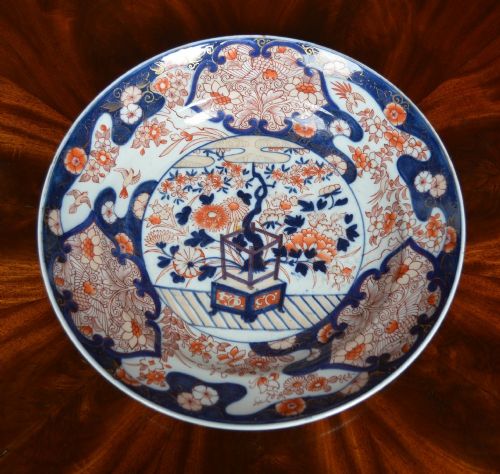
Orange imari porcelain brings together bold palettes and intricate forms from Japanese and English kilns, offering collectors vibrant decorative vessels and tablewares.
Orange Imari Porcelain
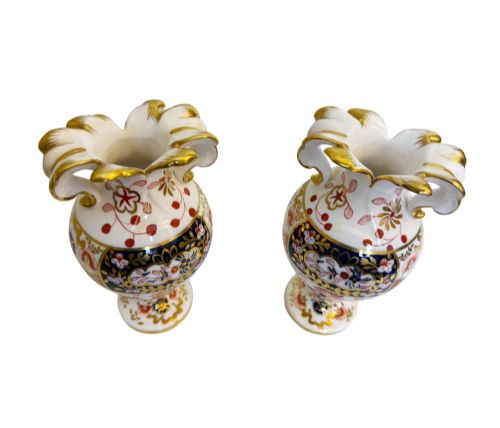
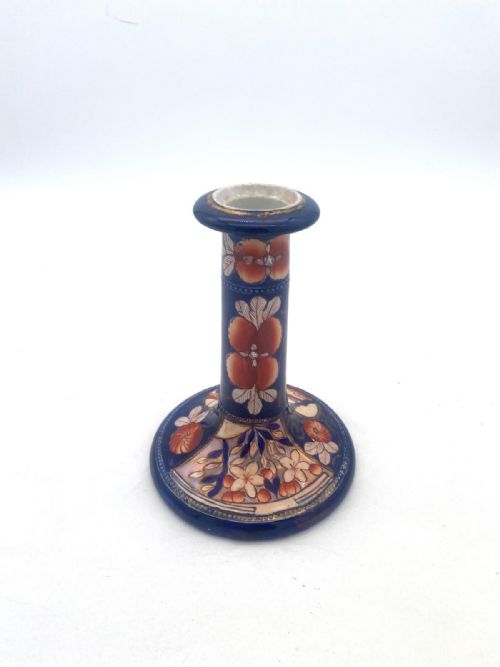
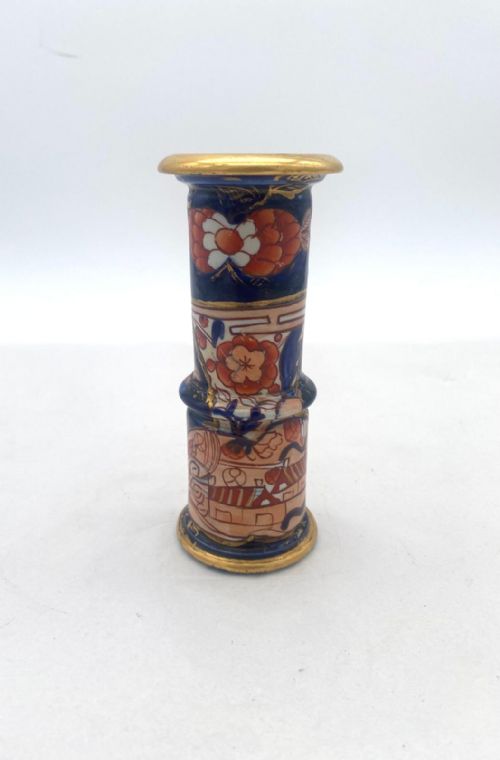
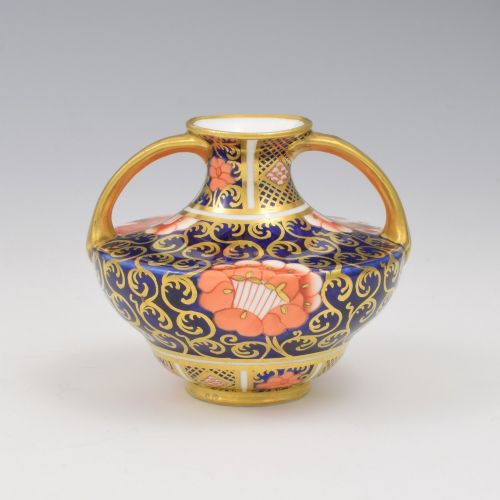
When searching for orange imari porcelain, collectors encounter pieces spanning from the eighteenth century through the early twentieth century. Japanese imports dominate the selection, alongside English interpretations produced by factories adapting the distinctive aesthetic.
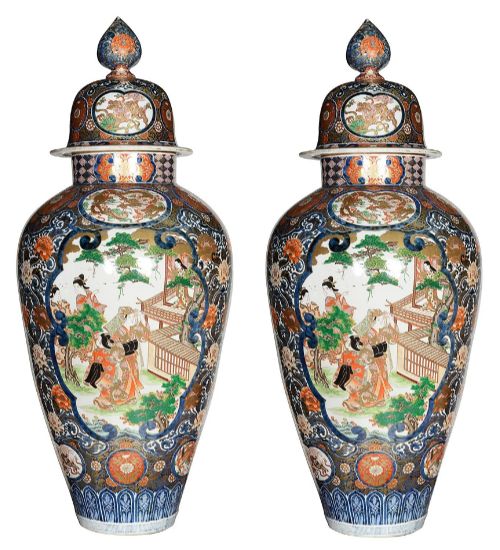
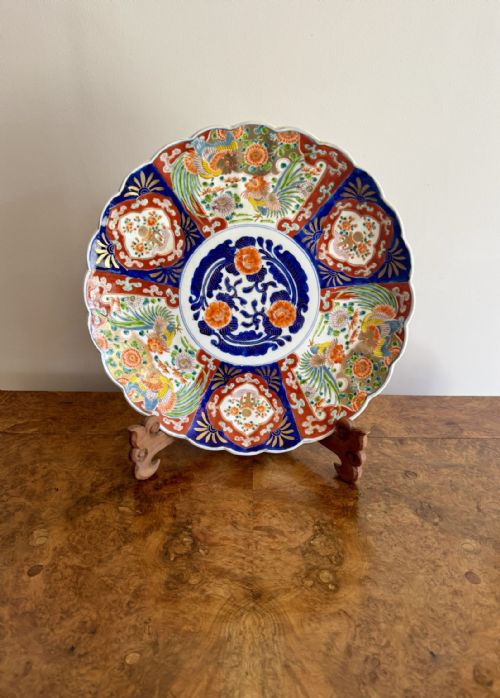
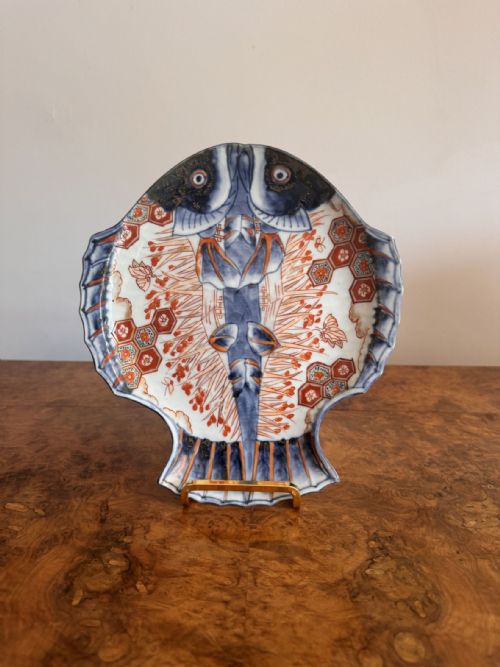
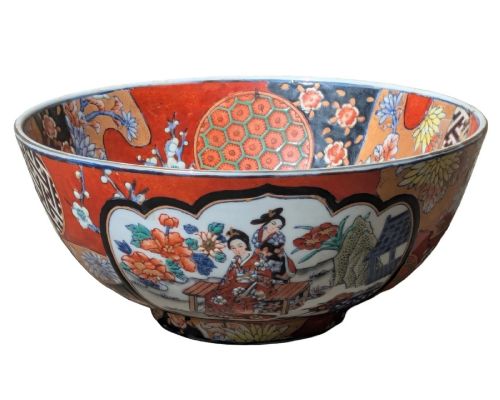
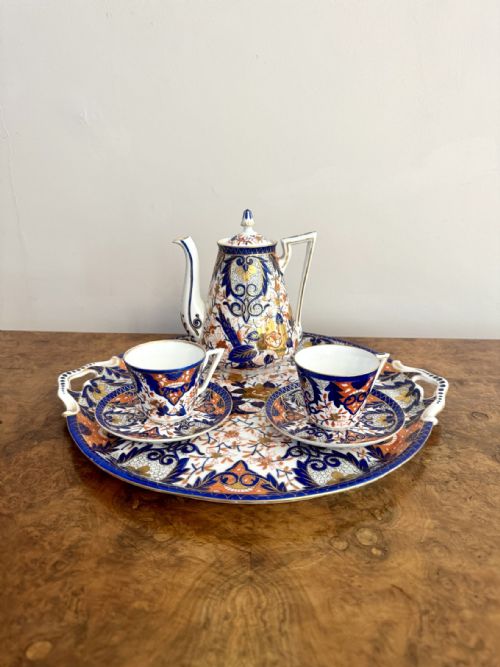
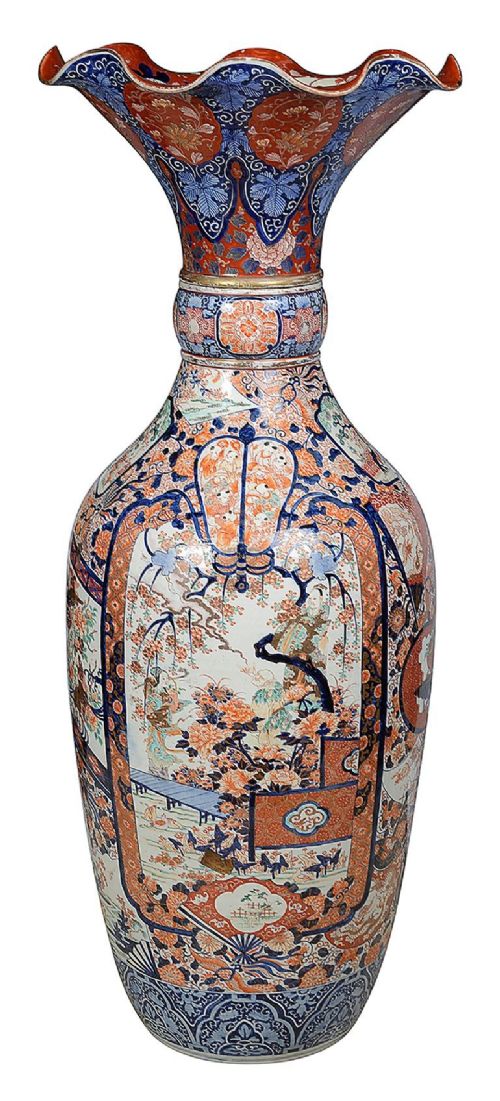
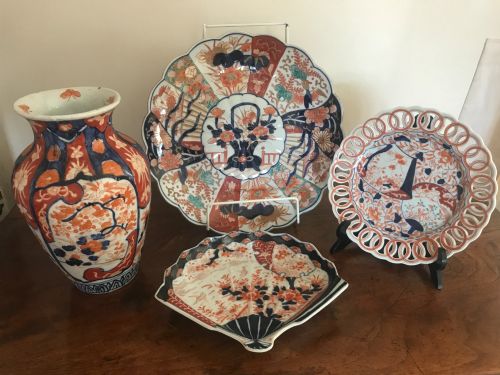
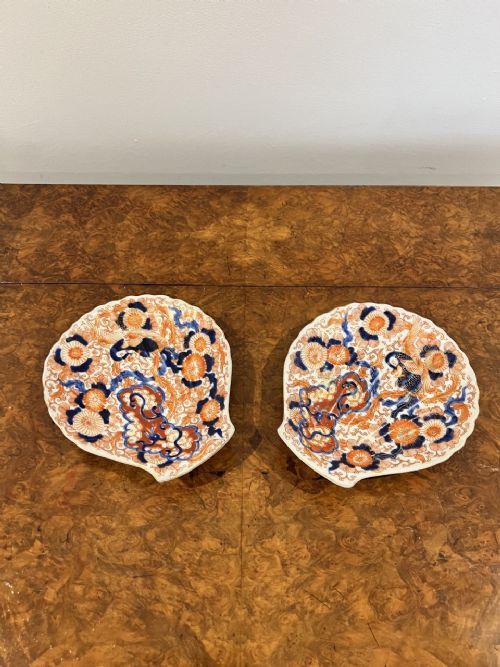
The objects take varied forms, ranging from large floor vases, jardinieres and wall plates to coffee sets, tea services and small decorative bowls. Many pieces display traditional scalloped edges, fish shapes or twin-handled configurations.
Dating ranges from the Georgian and Victorian eras up to the Meiji period and the early twentieth century. Japanese examples often align with the Meiji period, while English potteries produced analogous patterns on ironstone, bone china and porcelain.
Materials and manufacture
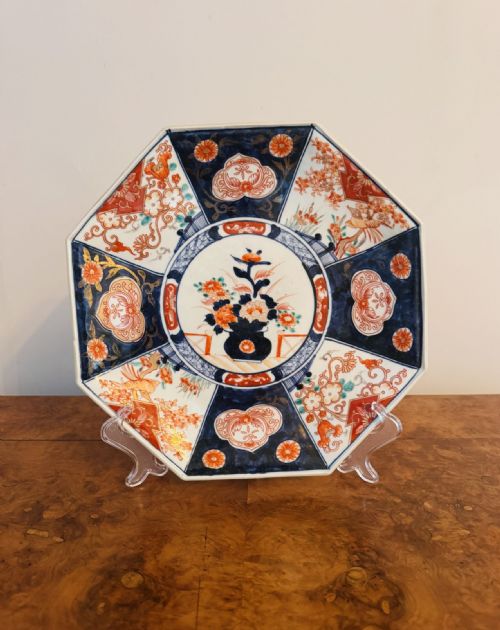
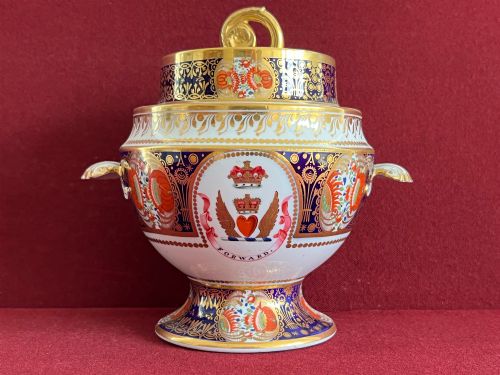
Potters shaped these objects using porcelain, bone china, ironstone and ceramic bodies. Cobalt blue underglaze combined with iron-red enamel and gold leaf to create the characteristic palette across plates, vases and tureens.
Kiln firing fixed the underglaze cobalt before artisans applied the overglaze enamels and gilding. Subsequent lower-temperature firings bonded the decorative pigments to the glaze.
Watch for fish-shaped plates swimming into the collection alongside traditional round bowls.
Assessing quality in orange imari pieces
The crispness of the hand-painted detailing distinguishes superior examples from standard production. Finely executed brushwork on intricate floral and geometric motifs indicates higher craftsmanship.
Preservation of the overglaze enamel and gold leaf determines visual impact. Pieces retaining vibrant red and gold tones without significant rubbing show better survival through use and time.
Spode·Masons Ironstone·Royal Crown Derby·John Davenport of Longport·Chamberlain Worcester
The Orange Imari Porcelain Glossary
- Imari
- A style of ceramic decoration originating in Japan, characterised by a palette of underglaze blue, iron-red enamel and gilt highlights. European potteries subsequently copied and adapted these motifs.
- Ironstone
- A type of heavy durable earthenware patented in the nineteenth century. It provided a robust alternative to porcelain for dinner services and jugs.
- Meiji Period
- The era of Japanese history spanning from 1868 to 1912. Many decorative export wares date from this period.
- Comport
- A decorative footed dish or bowl used for serving fruit or sweets on a dining table.
- Jardinieres
- Large ornamental pots designed to hold potted plants or floral displays.
Orange Imari Porcelain: Frequently Asked Questions
What is orange imari porcelain?
Orange imari porcelain refers to ceramics decorated in the traditional Japanese imari palette, prominent for its iron-red or orange tones combined with cobalt blue and gold leaf. The style encompasses both original Japanese export wares and English adaptations made during the eighteenth, nineteenth and early twentieth centuries.
These items include decorative plates, bowls, vases, and complete tea or dinner services. The aesthetic bridges Eastern and Western ceramic traditions through distinctive decorative motifs.
How do I date orange imari pieces?
Dating relies on examining the ceramic body, glaze characteristics, and factory marks where present. Japanese pieces from the Meiji period often display specific surface qualities, while English makers stamped or painted factory ciphers on ironstone and porcelain.
Context also comes from object forms and stylistic traits associated with Georgian, Victorian, or Edwardian manufacturing periods. Comparing pattern numbers helps narrow the production window for documented English potteries.
Where were these ceramics made?
The tradition began in Japan, specifically around the port of Arita, where artisans produced wares for export. European potteries in England later adopted the style, with factories in Stoke-on-Trent and Worcester producing their own versions.
English interpretations utilised local materials like ironstone and bone china while closely imitating the Japanese aesthetic. Both origins appear frequently within the available selection.
How should I display them?
Displaying these pieces safely involves placing larger vases, jardinieres, and floor pieces on stable surfaces away from high-traffic areas. Plates and bowls work well on sturdy plate stands within cabinets or on open shelving.
Protecting the overglaze enamel and gold leaf from abrasive cleaning and direct sunlight preserves the vibrant colours over time. Gentle dusting with a soft cloth maintains the glazed surface.