






Openwork Carved Wood Mirror
An openwork carved wood mirror brings depth and texture to a room, offering intricate frames of gilt, pine, or padauk.
Openwork Carved Wood Mirror
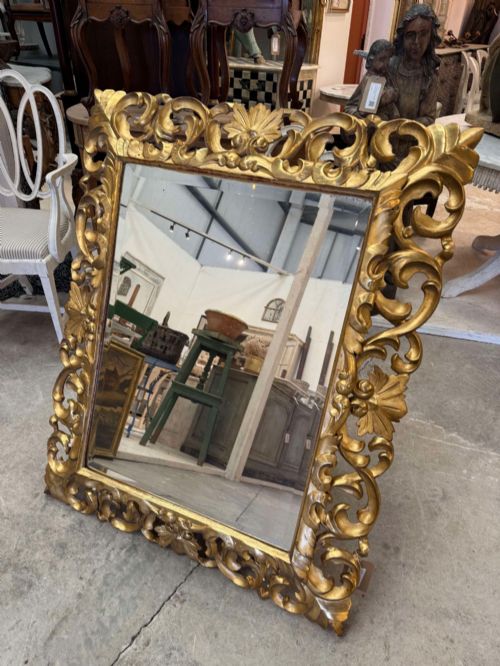
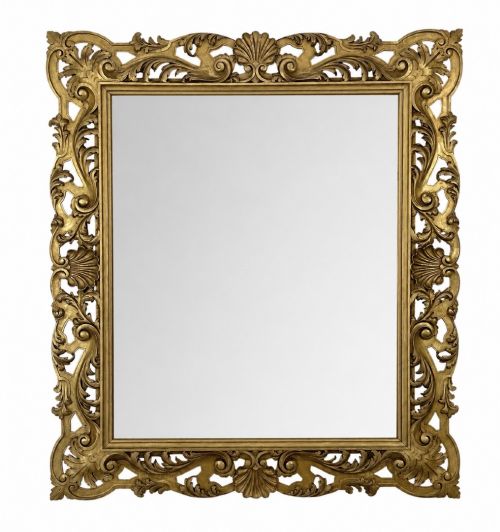
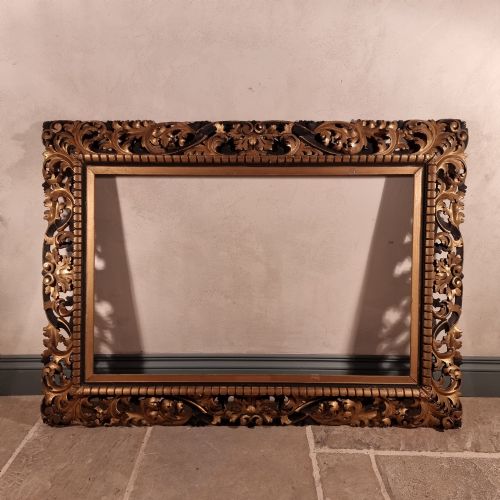
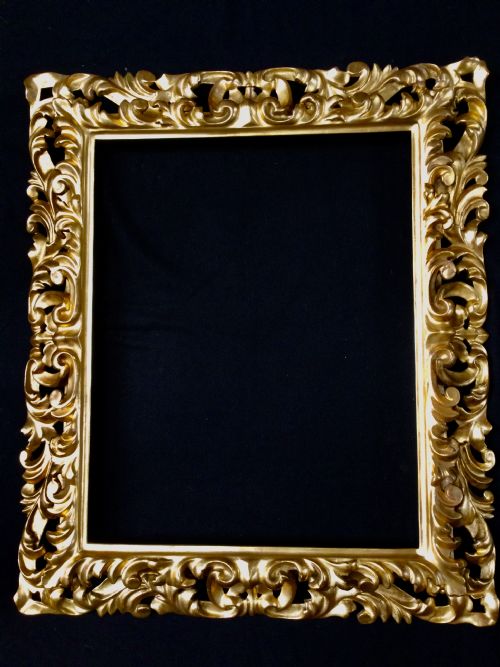
An openwork carved wood mirror displays intricate open fretwork and piercing across frames of giltwood, pine, padauk, or hardwood. These pieces serve primarily as wall mirrors or overmantles, bringing dramatic presence to an interior space.
The selections available span several distinct periods, most notably the nineteenth century alongside examples from nineteen hundred, nineteen ten, nineteen twenty, and the seventeenth century.
Stylistic influences range widely across regional traditions, encompassing Florentine, Florentine Rococo, French Rococo Revival, Spanish Regional, Victorian Revival, French Chateau, Anglo-Indian, and Spanish Baroque designs.
How they were made
Artisans carved structural frameworks from solid woods including pine, padauk, and assorted hardwoods, frequently applying layers of gesso to smooth surfaces before gilding.
Giltwood and gold leaf finishes were meticulously applied to create luminous surfaces that contrast with the deep recesses of the openwork carving.
Mirror glass and specialist mirror plates were then fitted into these elaborate picture frame and wall mirror structures.
Openwork Carved Wood Mirror Retail Price Guide 2026
Typical asking prices for openwork carved wood mirror among the pieces listed under this phrase on Sellingantiques today, from the lower quarter to the upper quarter. They describe what is for sale here now, not the wider market.
Padauk wood makes an appearance, proving that nineteenth-century carvers loved a timber heavy enough to test an entire wall.
What varies in quality
Depth and precision of the chisel work distinguish superior examples, where undercut foliage and piercing remain sharp rather than softened by excessive layers of gesso and repair.
The choice of primary wood impacts character, with dense padauk and carefully selected pine holding crisp architectural details differently than standard softer timbers.
Cohesion of style dictates visual success, seen clearly in how authentically a Florentine or Spanish Baroque frame executes its intended regional vocabulary.
The Openwork Carved Wood Mirror Glossary
- Openwork
- Carving that has been pierced right through the material to create a pattern of solid areas and open spaces. This technique lightens heavy wooden frames and creates complex shadows.
- Giltwood
- Timber that has been coated with gold leaf or metal leaf over a preparation layer. It provides the brilliant reflective surfaces seen on many traditional wall mirrors.
- Gesso
- A plaster mixture applied to wood frames to create a smooth surface for gilding. It allows for crisp secondary carving before the gold leaf is laid down.
- Padauk
- A dense tropical hardwood known for its strength and rich natural colour. It provides a robust foundation for intricate nineteenth-century carving.
- Overmantle
- A large mirror designed specifically to hang above a fireplace mantelpiece. These pieces often feature extended horizontal proportions.
Openwork Carved Wood Mirror: Frequently Asked Questions
Where should I hang a carved wood mirror?
These pieces suit prominent wall spaces where their intricate frames can catch the light, such as above a fireplace or in a hallway.
Ensure the wall fixings can securely support the weight of solid timber and glass constructions.
How do I identify a Florentine frame?
Florentine frames typically feature elaborate scrolling foliage and deep relief work finished in gold leaf or giltwood. They often draw inspiration from Renaissance and Rococo traditions.
Look for the characteristic pierced openwork and rich surface textures associated with Italian workshops.
What is an Anglo-Indian mirror?
An Anglo-Indian mirror combines traditional British furniture forms with intricate indigenous carving techniques from the Indian subcontinent. These pieces frequently utilise dense hardwoods like padauk.
The resulting aesthetic blends colonial room layouts with hyper-detailed botanical and geometric woodwork.
How do I care for giltwood frames?
Keep giltwood surfaces away from direct sunlight and damp environments to protect the underlying gesso and gold leaf. Dust gently with a soft, dry cloth without using liquid cleaners.
Avoid abrasive materials that might wear away the thin metallic leaf over time.