





Open Salt Cellars Spoons
These open salt cellars spoons are small silver tableware items designed for dining tables, bringing period character and traditional craftsmanship to any collection.
Open Salt Cellars Spoons
Open salt cellars spoons are small tableware items meant for holding and serving table salt during formal dining. When you search open salt cellars spoons, you encounter various forms from the eighteenth century onwards, including Victorian and Edwardian examples.
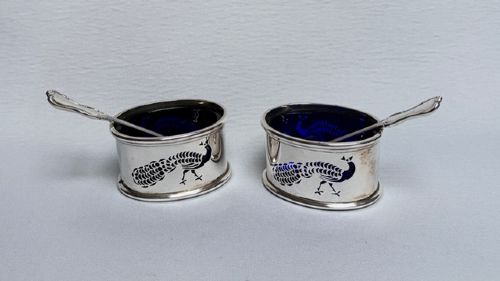
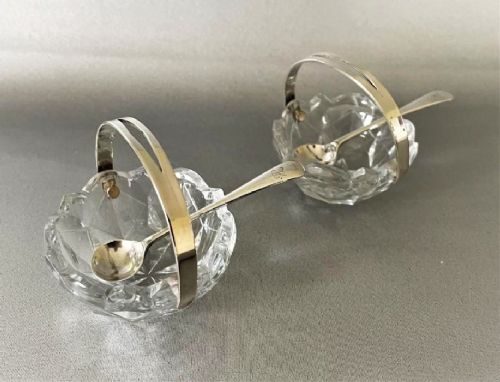
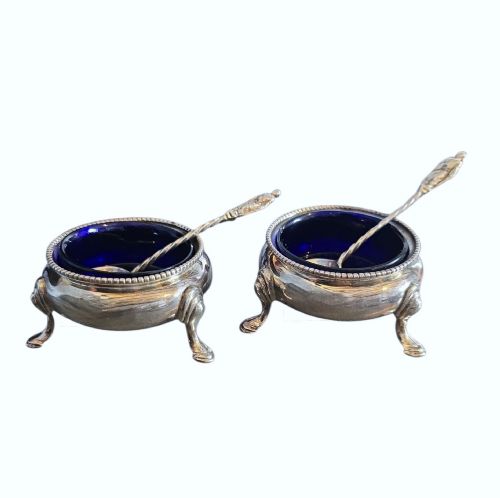
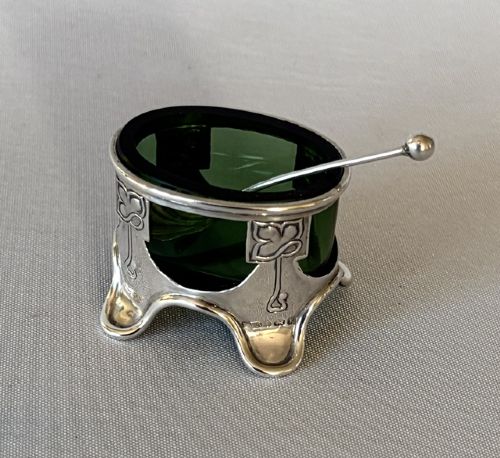
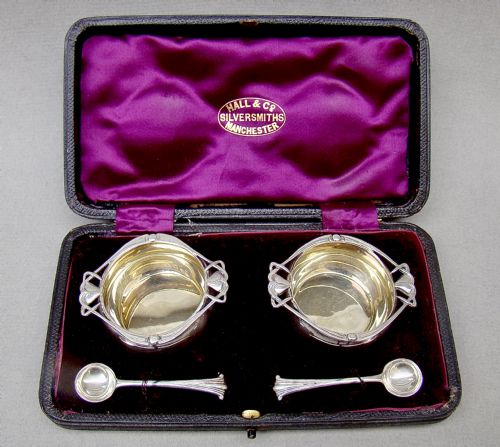
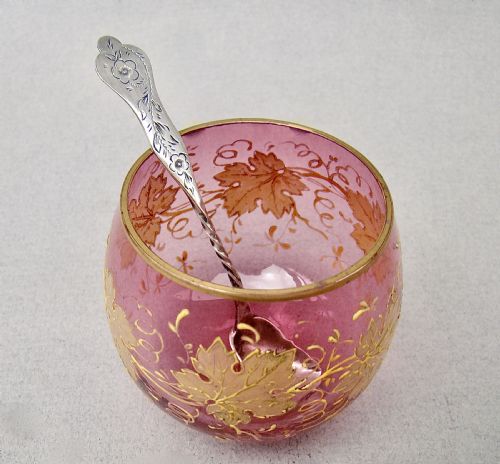
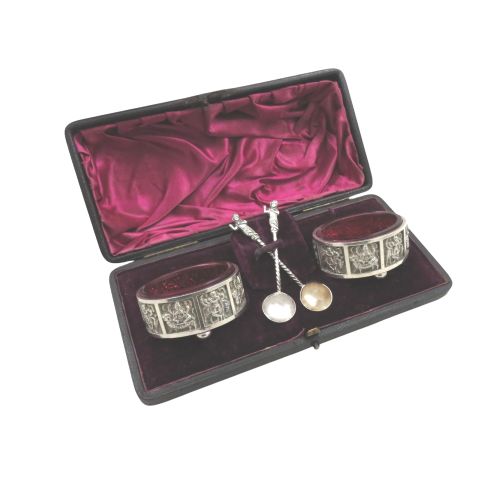
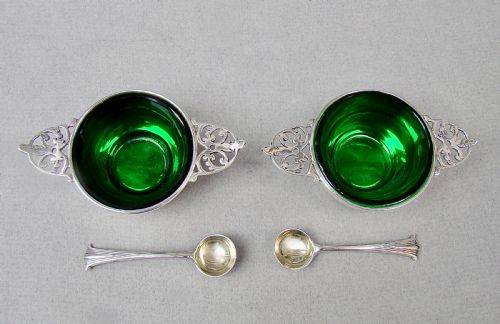
The most common versions on this page are cased pairs and sets of sterling silver salt cellars accompanied by their matching spoons. These often include fitted glass liners in cobalt or cranberry hues.
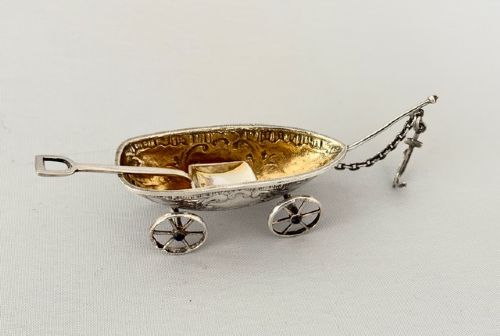
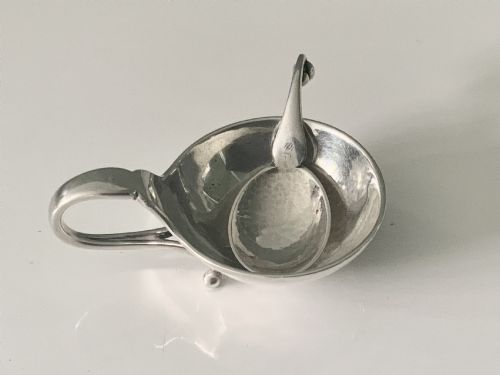
Originating mostly from British workshops, these table accessories range from traditional cauldron and boat shapes to novelty animal designs like swans and birds.
Materials and Technique
Silversmiths utilised sterling silver and solid silver for the bowls and spoons, employing techniques such as casting, hammering, and lobing to shape the metal. Many pieces display intricate chased or engraved ornamentation.
Contrasting colours appear through the integration of cobalt glass and cranberry glass liners, held securely within the pierced or solid silver frameworks.
Open Salt Cellars Spoons Retail Price Guide 2026
Typical asking prices for open salt cellars spoons among the pieces listed under this phrase on Sellingantiques today, from the lower quarter to the upper quarter. They describe what is for sale here now, not the wider market.
Materials appearing across these entries include sterling silver, cobalt glass, cranberry glass, leather, velvet, and silk.
Assessing Quality and Distinction
Quality rests upon the crispness of the silversmith's chasing and the presence of original matching spoons and intact glass liners. Maker marks and clear hallmarks also elevate a piece.
The distinction between standard domestic wares and superior examples often lies in uncommon forms, such as figural animal shapes or novelty quaich designs, alongside original fitted presentation cases.
Josiah Williams & Co·John Edmonstone·Vale Brothers and Sermon
The Open Salt Cellars Spoons Glossary
- Sterling silver
- A silver alloy containing 92.5 percent pure silver by mass, standard for British tableware since the medieval period.
- Salt cellar
- A small open dish placed on the dining table to hold salt before the invention of free-flowing table shakers.
- Cobalt glass
- A deep blue glass coloured with cobalt oxide, frequently used for liners in Victorian and Edwardian open salts.
- Cruet set
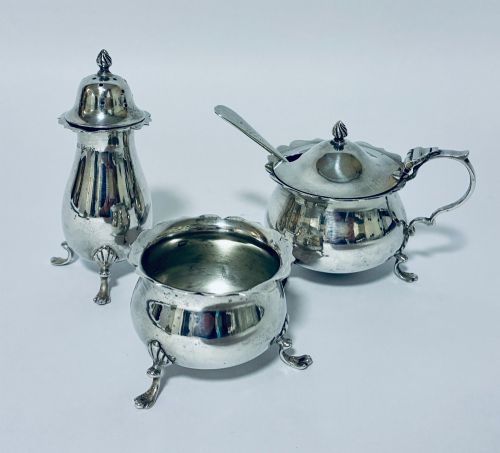
- A matched group of small containers holding condiments such as salt, pepper, mustard, vinegar, and oil for the dining table.
- Quaich
- A traditional Scottish two-handled drinking vessel adapted occasionally by silversmiths into novelty open salt cellars.
Open Salt Cellars Spoons: Frequently Asked Questions
How were open salt cellars used at the dining table?
Guests used the small spoons accompanying each cellar to transfer loose salt from the open vessel onto the side of their plate. This method allowed diners to season individual portions during formal meals.
Such vessels sat permanently upon the table or within larger cruet sets alongside mustard pots and pepper shakers.
Do these sets normally include glass liners?
Many silver salt cellars house removable glass liners, particularly cobalt blue or cranberry glass inserts. These liners protected the silver metal from corrosive salt over prolonged use.
Finding a set with its original matching glass liners intact adds significantly to the historical completeness of the piece.
How can I tell Victorian salts from Edwardian examples?
Victorian salt cellars often display heavier ornamentation such as floral chasing, figural animals, or traditional cauldron shapes typical of the nineteenth century. Hallmarks stamped inside the silver provide exact assay dates for verification.
Edwardian pieces tend to reflect lighter Aesthetic Movement or early twentieth-century revival styles with cleaner structural lines.
Are cased sets intended for display or storage?
Cased sets featuring velvet or silk interiors were originally retailed as luxury gifts or presentation pieces. The fitted boxes kept the delicate silver spoons and glass components secure when not in active use.
Today, these fitted presentation boxes make the salt sets particularly convenient for safe storage and display.