
Open Oak Display Shelves
Open oak display shelves combine utility with the warm grain of natural timber, offering straightforward storage for books and ornaments.
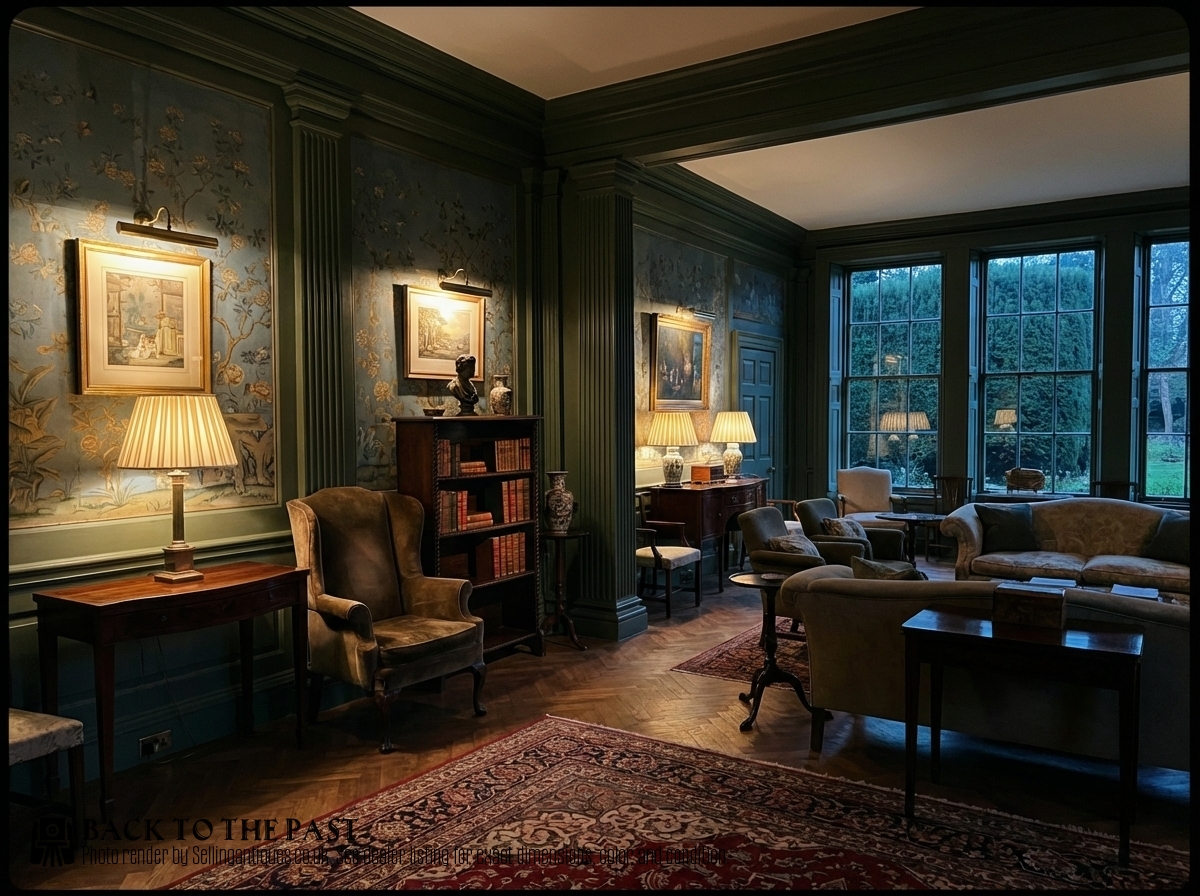
Open Oak Display Shelves
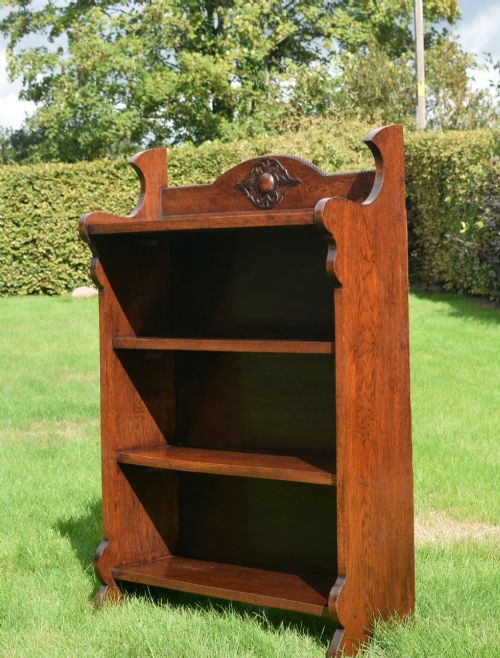
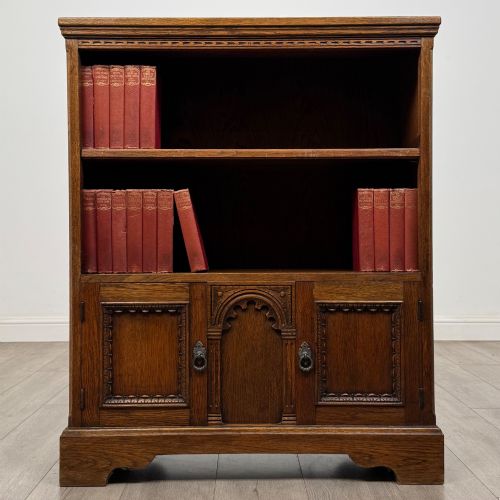
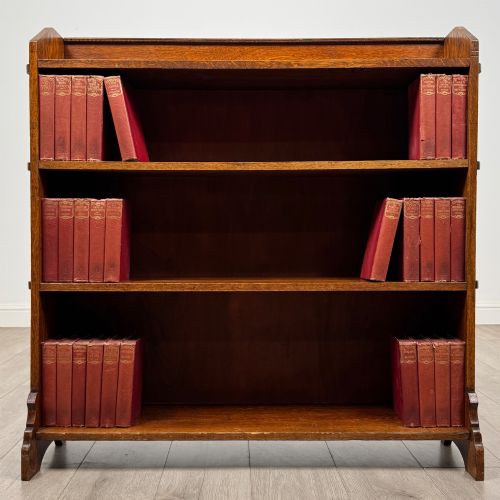
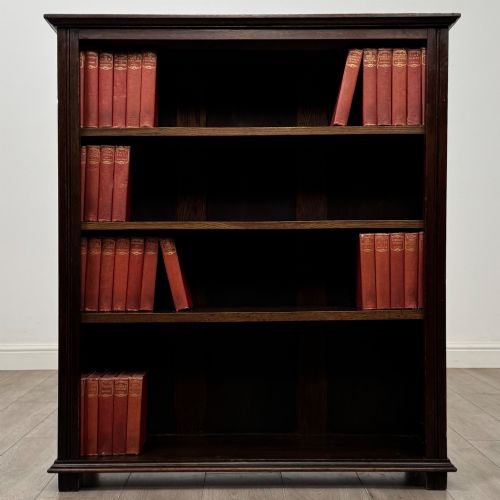
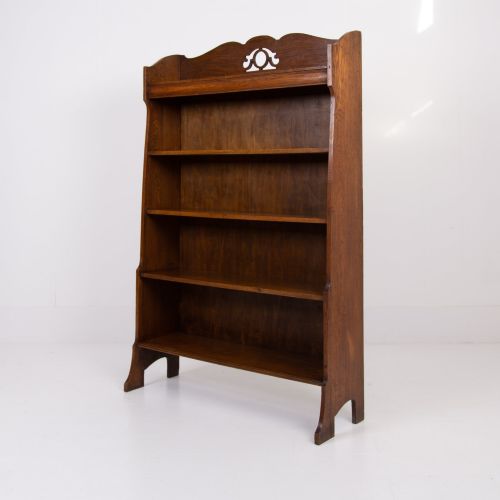
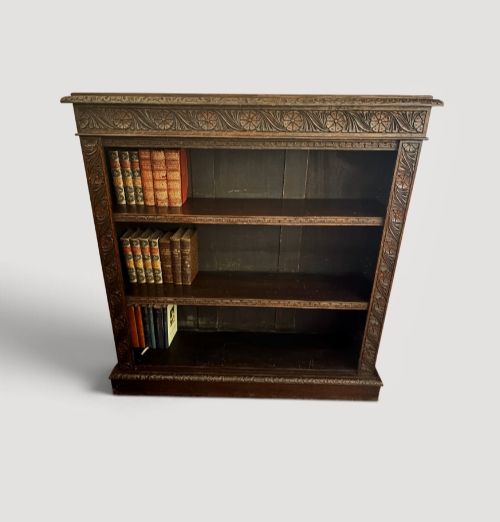
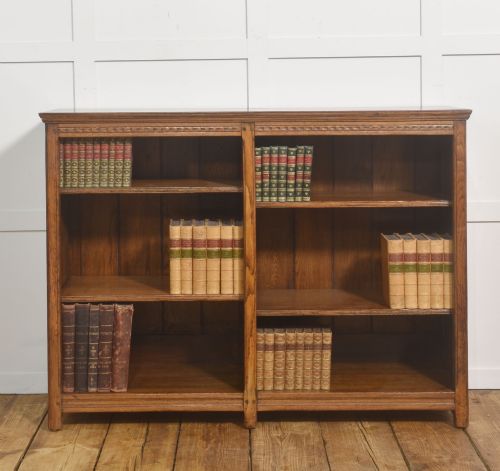
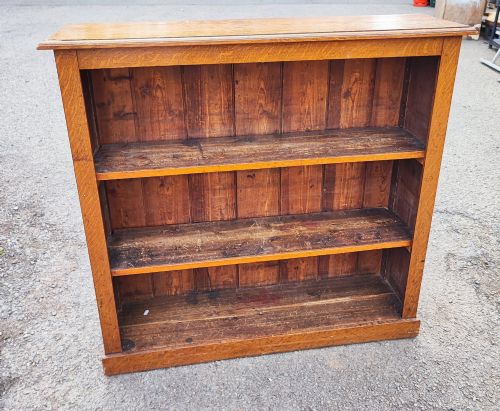
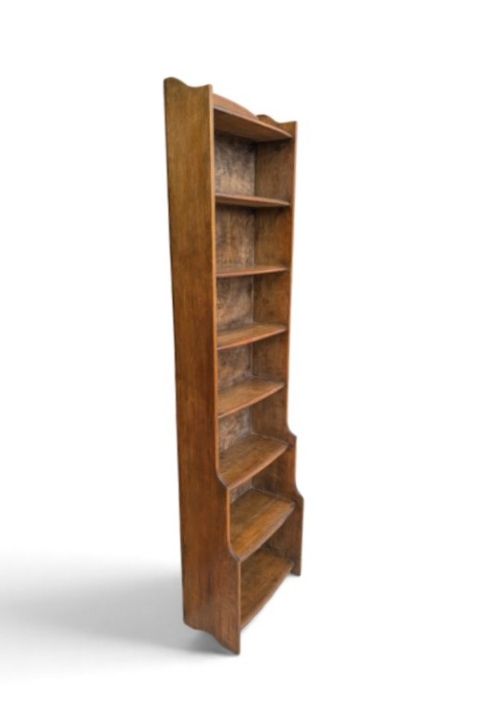
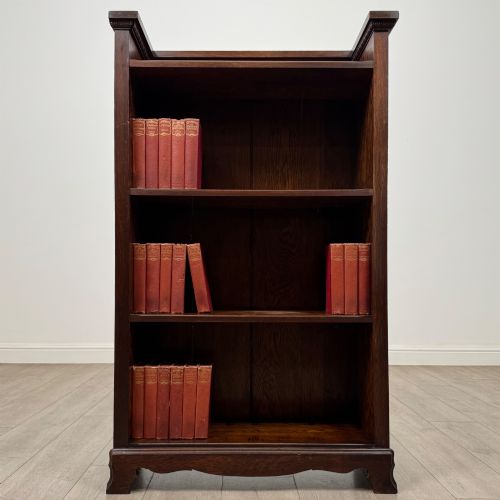
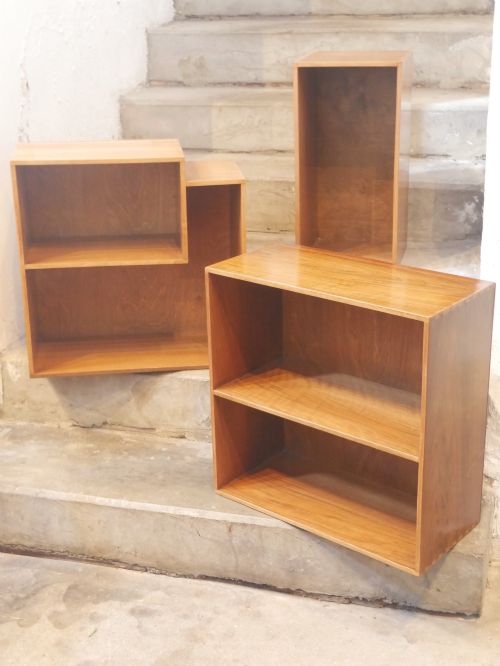
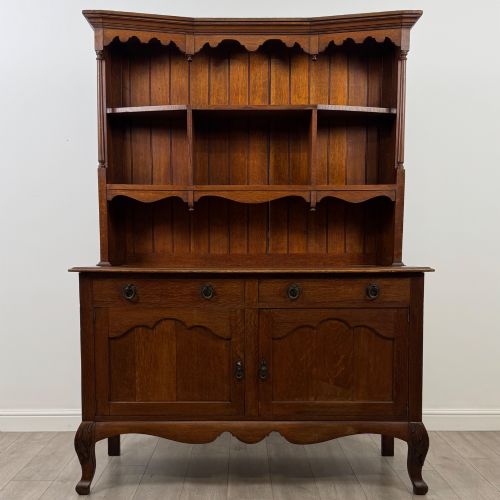
Open oak display shelves bring together utility and craftsmanship, appearing predominantly in Edwardian and Victorian iterations across these records. Buyers searching for open oak display shelves typically encounter versatile bookcases, compact shelving units, and occasionally Welsh dressers or corner shelves. These pieces range from small library cabinets to tall structures featuring adjustable shelves.
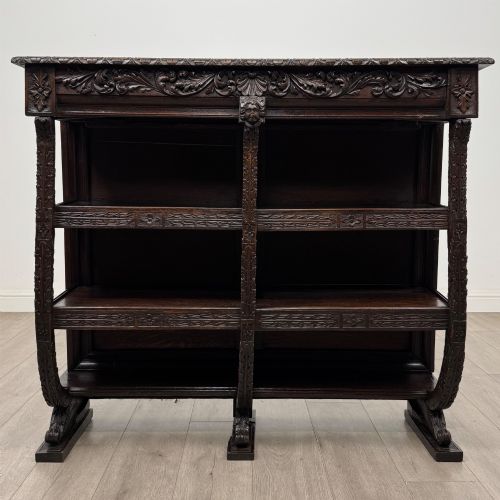
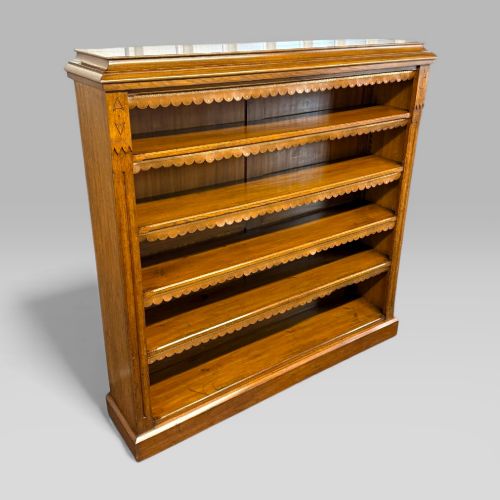
The aesthetic vocabulary spans simple Edwardian designs through to elaborate Aesthetic Movement and Arts and Crafts examples. Pieces from the nineteenth century often incorporate deep carving, whereas later twentieth-century items lean towards clean, unadorned surfaces.
Materials and Construction
Carpenters utilised solid oak alongside supplementary materials such as brass fittings, walnut, mahogany, and occasional plywood or wood veneer panels. Surface finishes highlight the natural grain, varying from pale golden tones to darker, carved Victorian hues.
Construction techniques include jointed shelving systems, sometimes adjustable, paired with structural supports in metal or wood. Certain items integrate fabric linings or leather tops to enhance the functional surface.
Listed items span the Victorian, Edwardian, Art Deco, and Arts and Crafts periods.
Determinants of Quality
Depth of hand-carved detail and the selection of figured timber distinguish finer examples from standard utility pieces. Heavier mouldings and balanced proportions indicate deliberate design attention during manufacture.
The integration of adjustable shelving mechanisms and robust joinery separates enduring library furniture from lighter, decorative domestic shelving.
Heals·Liberty & Co.
The Open Oak Display Shelves Glossary
- Oak
- A hard, durable timber with a prominent grain pattern. It serves as the primary structural material for the majority of these listings.
- Adjustable shelves
- Movable horizontal boards supported by pegs or ratchets. This system permits flexible interior storage heights.
- Golden oak
- A warm, light-brown finish applied to oak timber. It gained popularity during the late nineteenth and early twentieth centuries.
- Waterfall bookcase
- A shelving unit featuring stepped, receding tiers. This form creates a distinctive cascading profile.
- Aesthetic Movement
- A late nineteenth-century design style emphasising visual beauty. Pieces often display simplified forms alongside decorative hardware.
Open Oak Display Shelves: Frequently Asked Questions
How do I date an oak bookcase?
Examine the hardware, joinery methods, and overall styling to determine the manufacturing era. Edwardian pieces often display lighter golden tones, whereas Victorian items frequently feature darker timber and heavier carving.
Secondary materials like plywood or specific brass screws can also indicate a twentieth-century origin rather than a nineteenth-century one.
Are the shelves usually adjustable?
Many examples incorporate movable shelves supported by wooden bearers or metal tracks. This adaptability allowed owners to accommodate books of varying heights.
Fixed shelving remains common in simpler domestic units and smaller wall-mounted displays.
Where were these shelves used?
These units served primarily in domestic libraries, studies, and living rooms for holding books and displaying decorative objects. Larger pieces functioned within formal halls or dining spaces.
Compact variations suited smaller bedrooms and narrow corridors.
How do Arts and Crafts shelves differ?
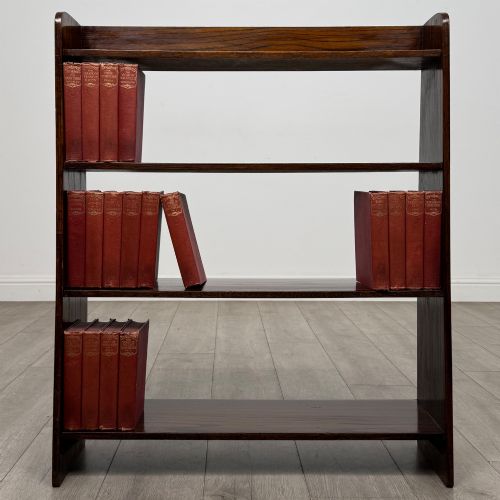
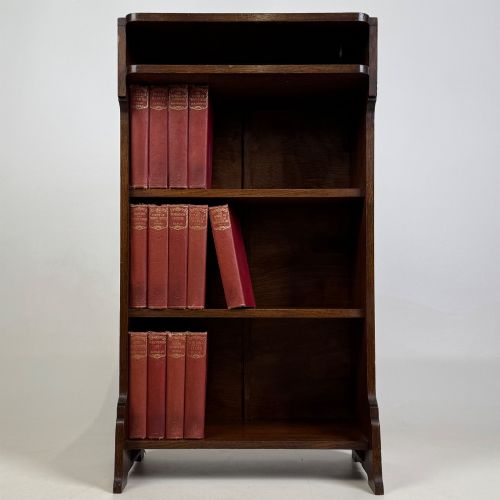
Arts and Crafts pieces emphasise straightforward construction and visible joinery over applied ornamentation. They often showcase plain oak surfaces that highlight the natural grain.
Designers of this movement rejected excessive industrial decoration in favour of honest craftsmanship.