
Open Front Library Shelving
Open front library shelving organises a room with accessible compartments for regular reading.
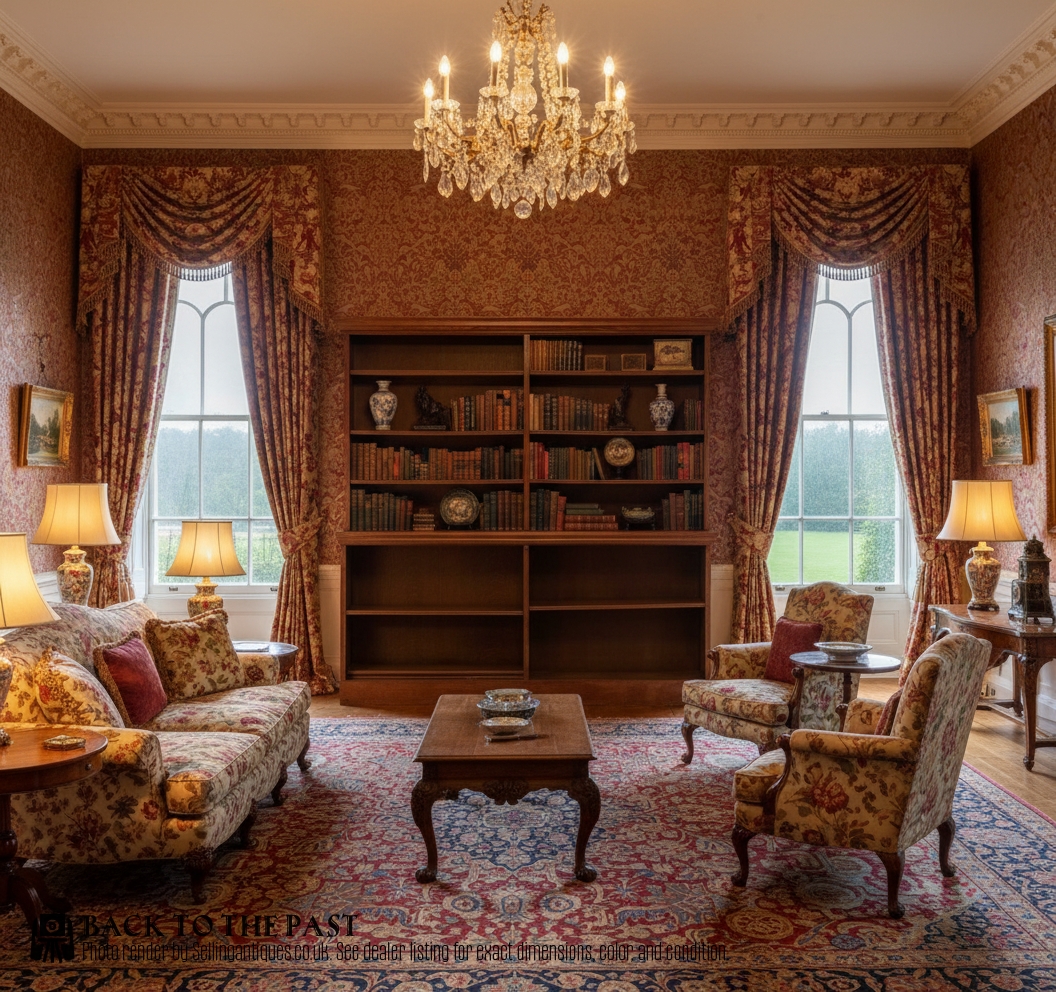
Open Front Library Shelving
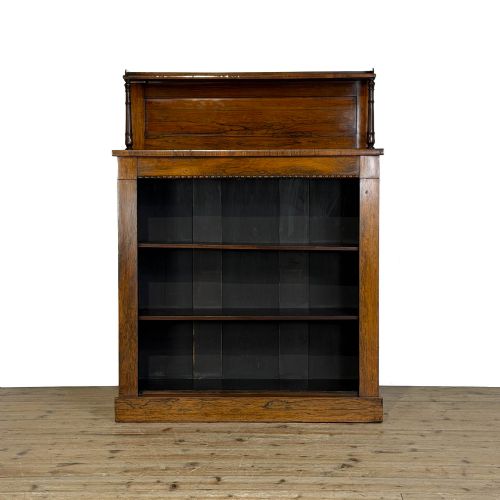
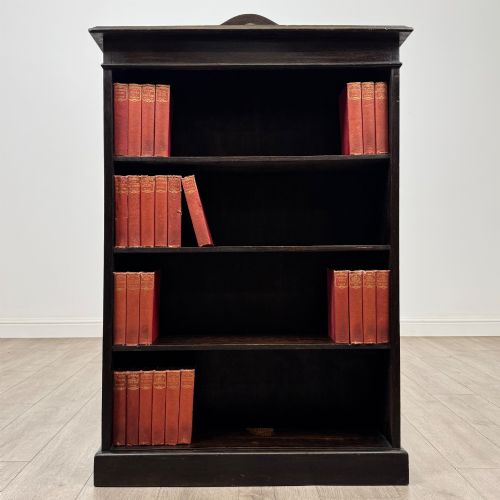
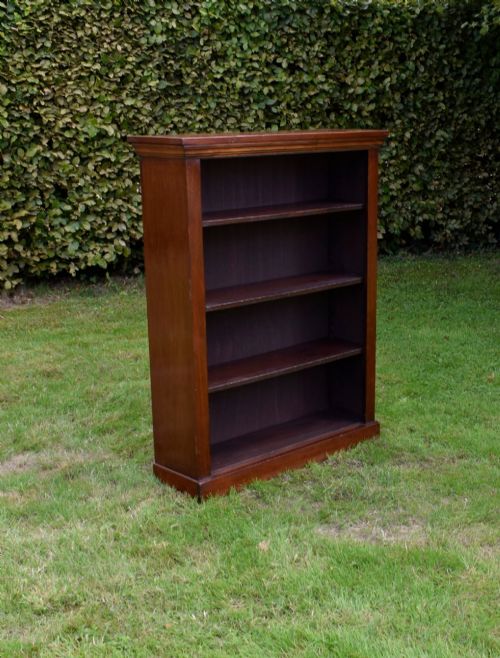
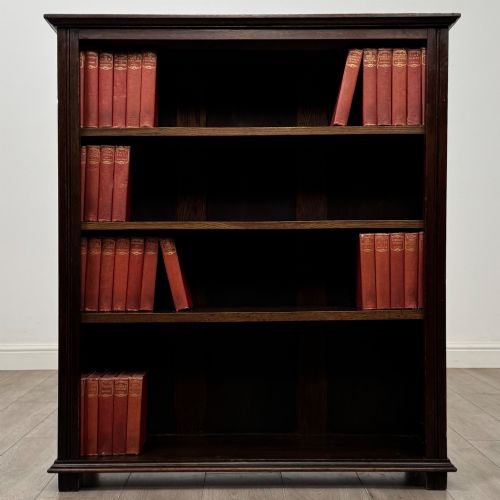
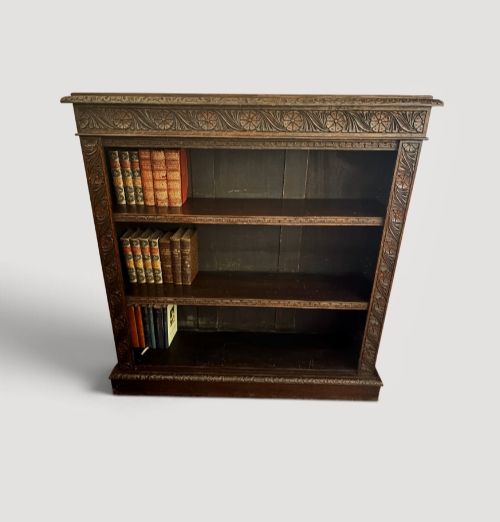
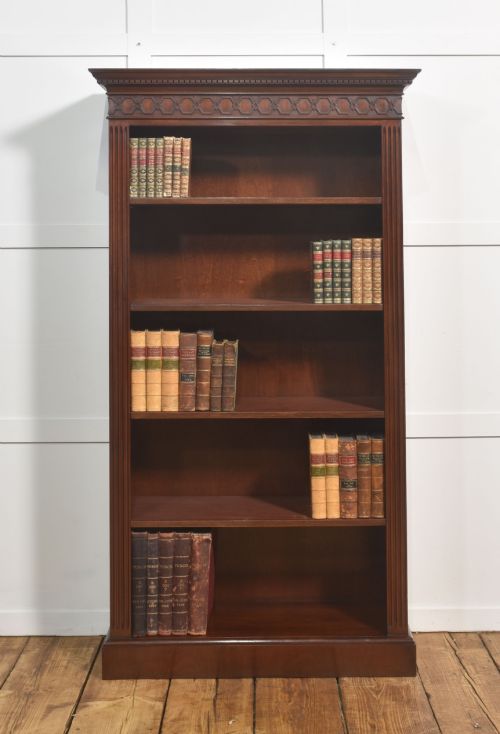
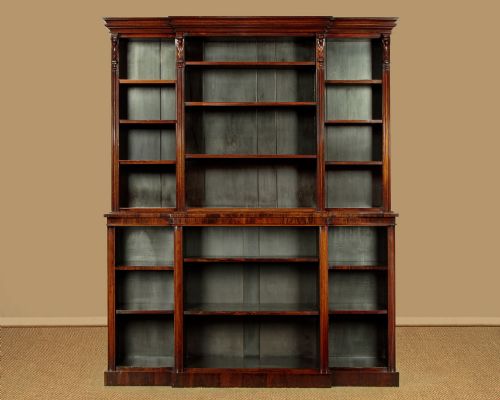
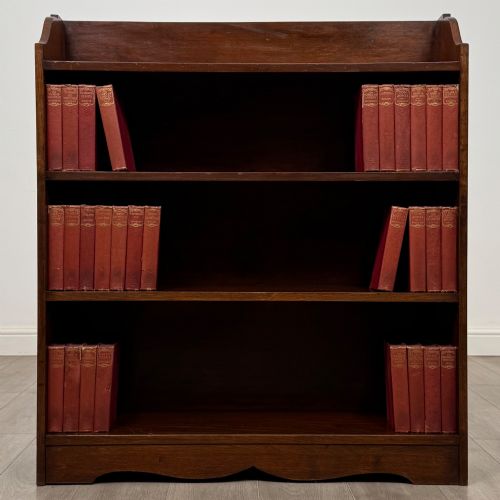
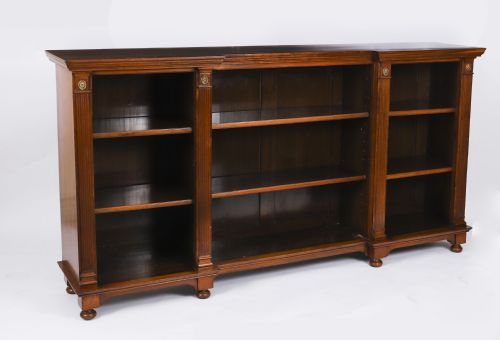
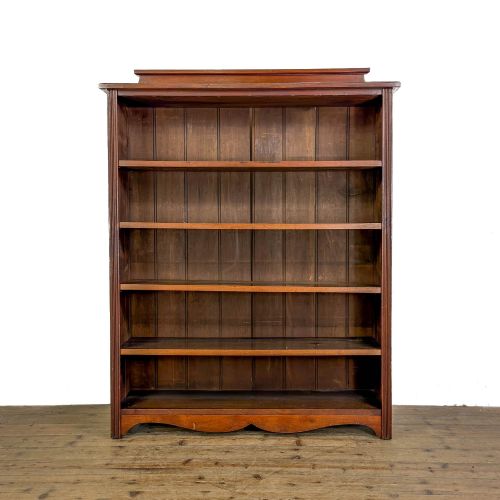
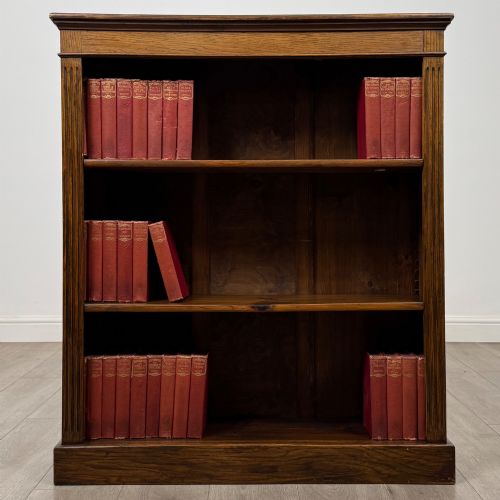
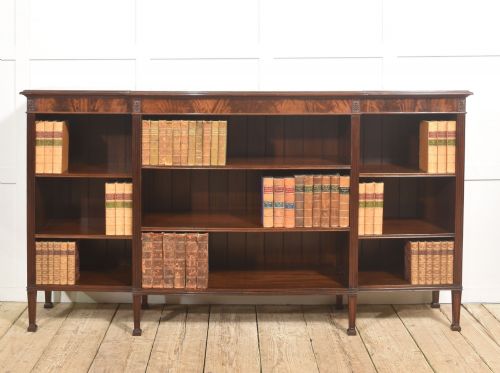
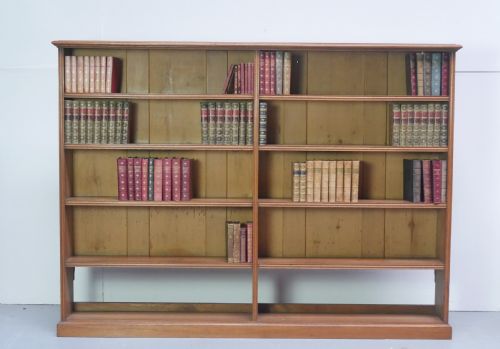
Open front library shelving provides accessible storage for books without the barrier of glazed or solid doors. When buyers search for open front library shelving, they encounter bookcases and bookshelves spanning the nineteenth century through the early twentieth century, including Victorian and Edwardian examples. The most common forms on this page are mahogany and oak bookcases that range from standard freestanding units to large breakfront configurations.
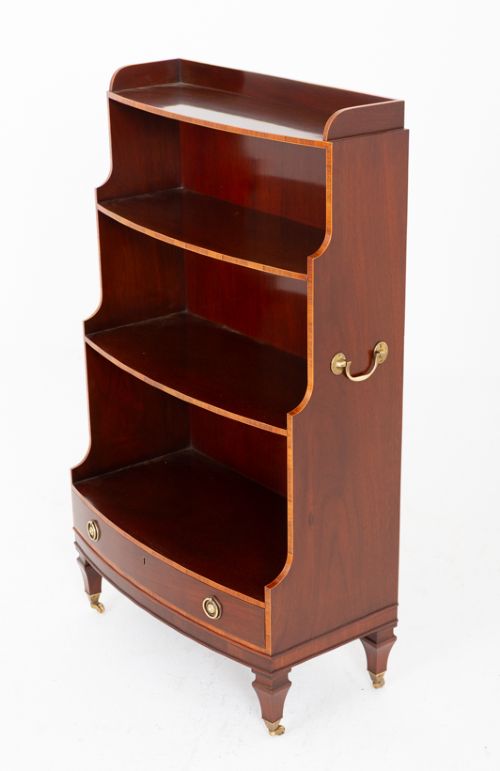
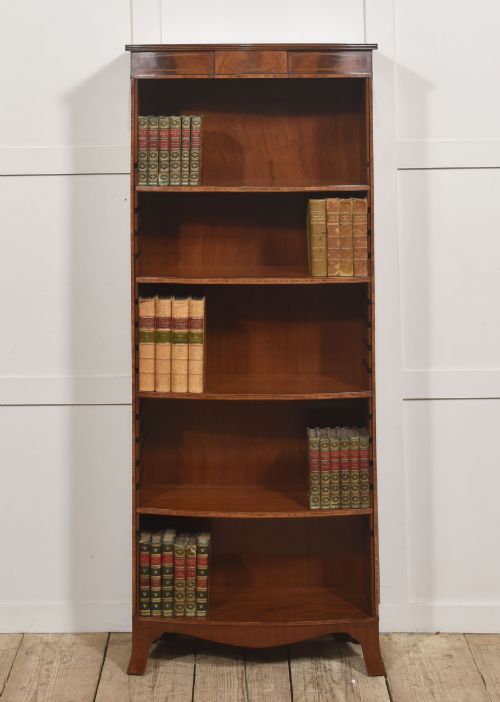
The pieces emerge from diverse design traditions, featuring Regency, William IV, Renaissance Revival, and French Provincial styles. Many items incorporate adjustable shelves, which accommodate volumes of varying heights. Alongside standard upright cases, the selection includes waterfall bookcases, low library bases, and symmetrical pairs.
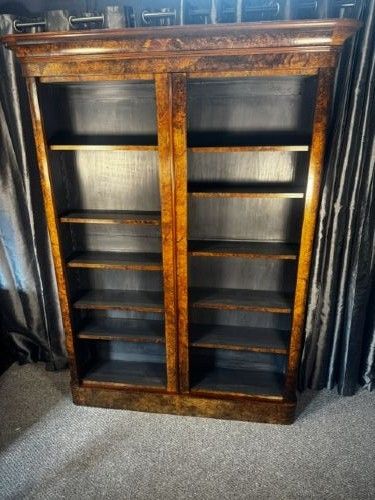
Origins span British workshops as well as continental European makers. Walnut, rosewood, and burr walnut appear alongside the primary hardwoods of mahogany and oak. These pieces served working libraries, studies, and drawing rooms, designed to keep working volumes close to hand.
Materials and construction
Makers utilised solid timbers and figured veneers, selecting mahogany, oak, walnut, rosewood, and burr walnut for their structural strength and visual grain. Flame mahogany and birdseye maple provide decorative surfaces on breakfront and cabinet forms. Pine frequently appears as a secondary timber for internal framing and carcass backs.
Joinery relies on traditional methods to support heavy collections of books over time. Shelves rest on adjustable brass pins, wooden ratchets, or traditional bearer strips. Decorative elements include carved oak motifs, inlaid stringing, or ormolu mounts applied to walnut and mahogany structures.
Sir Charles Barry designed a birdseye maple bookcase for Kiddington Hall, proving that even architects needed a proper shelf for a novel.
Factors of quality
The hierarchy of quality rests upon the selection of timber and the ambition of the original design. Breakfront proportions, figured veneers such as burr walnut or flame mahogany, and fine cabinetmaker details like ormolu mounts distinguish grander pieces from utilitarian library storage.
Proportion and execution define the lasting appeal of a bookcase. Crisp carving on oak examples, harmonious inlay on Edwardian mahogany pieces, and robust adjustable shelving mechanisms separate standard domestic furniture from bespoke commissions.
Sir Charles Barry
The Open Front Library Shelving Glossary
- Breakfront
- A piece of furniture where the central section projects forward from the flanking wings. This architectural arrangement creates depth and visual rhythm in large library bookcases.
- Adjustable shelves
- Shelving that can be repositioned at different heights using internal slots, pegs, or racks. This mechanism allows the case to adapt to changing book collections.
- Ormolu
- Gilded bronze mounts applied as decorative ornaments to furniture surfaces. They appear on select nineteenth-century walnut and exotic wood pieces.
- Waterfall bookcase
- A set of open shelves where each tier steps back progressively from the one below. This stepped profile creates a distinctive cascading silhouette.
- Inlay
- The technique of embedding contrasting strips or pieces of wood into the primary surface to form decorative patterns. Edwardian and Sheraton revival pieces frequently display this work.
Open Front Library Shelving: Frequently Asked Questions
How do I date an open bookcase?
Dating relies on timber selection, construction methods, and stylistic details. Victorian and nineteenth-century pieces often feature dense mahogany, heavy oak carvings, or walnut veneers.
Edwardian and early twentieth-century examples tend to show lighter mahogany with delicate inlay or simpler oak frames. Adjustable shelf mechanisms also shift from wooden racks to brass pins over the course of the nineteenth century.
Are the shelves adjustable on these bookcases?
Many of the bookcases listed feature adjustable shelves designed to hold volumes of various heights. Makers achieved this using traditional wooden bearer strips, side ratchets, or metal peg systems.
Buyers should inspect the specific details of each listing to confirm the shelving mechanism used. This adjustability made nineteenth-century library furniture practical for growing collections.
Where should I place a large library bookcase?
Large breakfront and tall library bookcases require stable wall space with consistent ambient temperature and humidity to protect antique wood. Placing them away from direct sunlight preserves the finish of mahogany, rosewood, and walnut veneers.
Rooms with adequate floor clearance allow the proportions of breakfront or paired oak bookcases to anchor the interior. Ensure the wall permits safe anchoring for taller freestanding pieces.