
Open Faced Watch
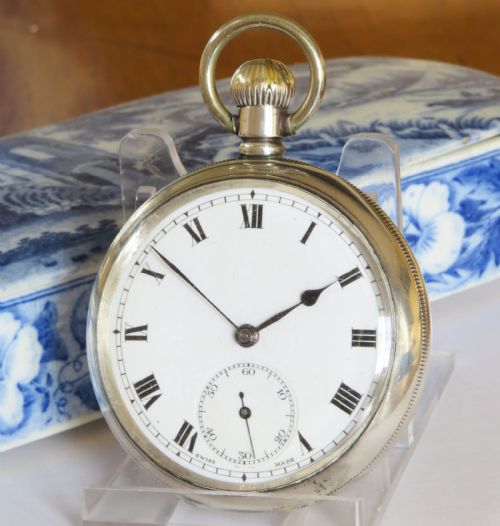
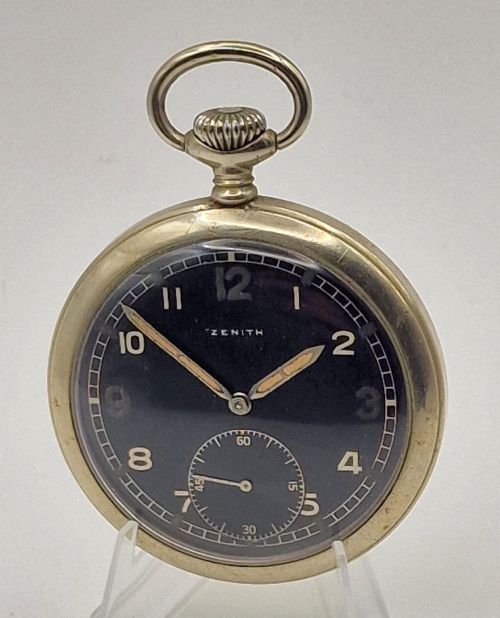
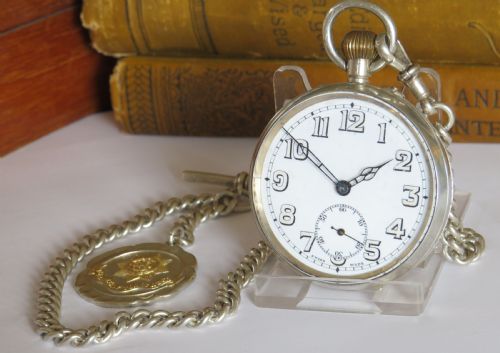
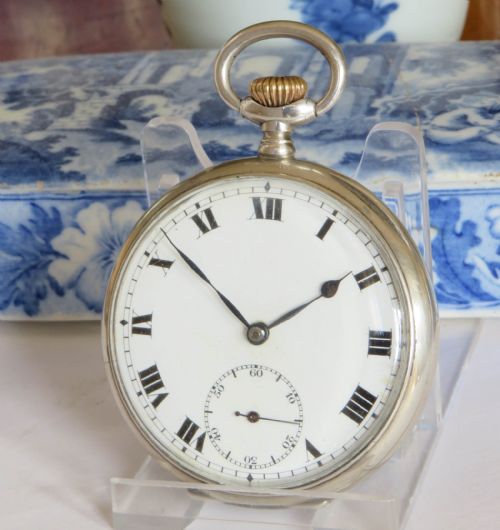
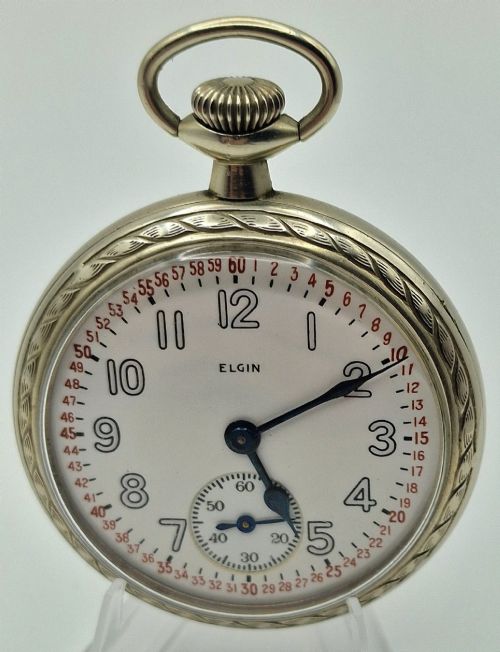
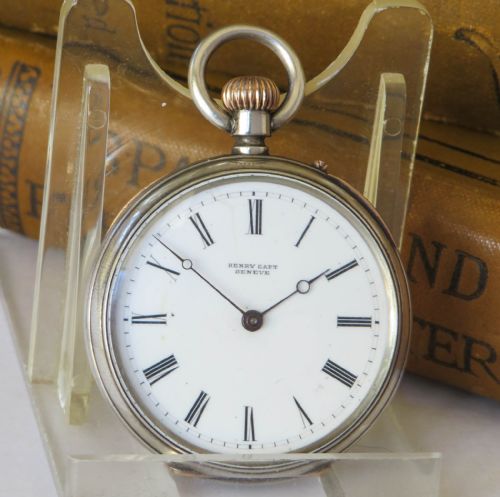
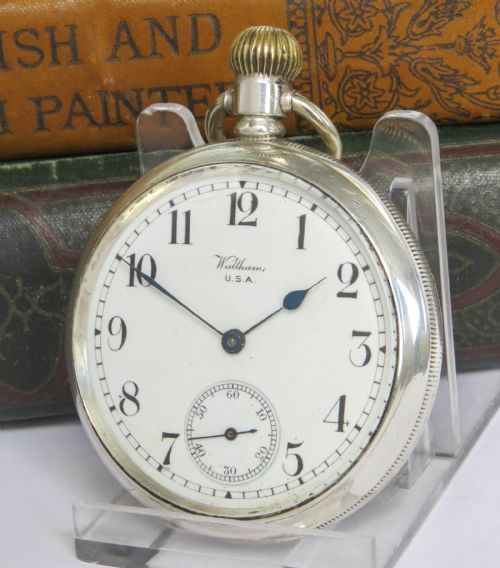
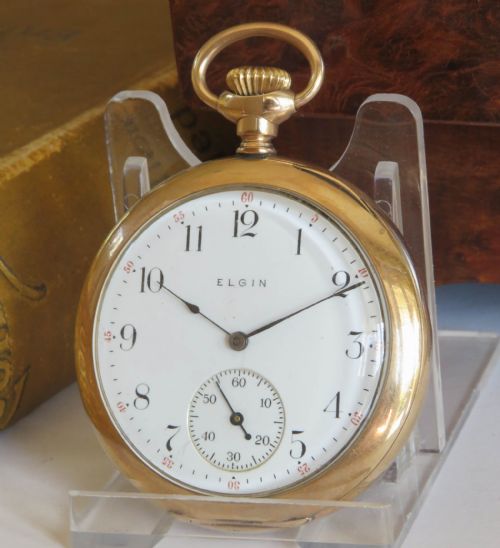
An open faced watch is a portable timepiece without a hinged front cover, offering an immediate view of the dial.
Open Faced Watch
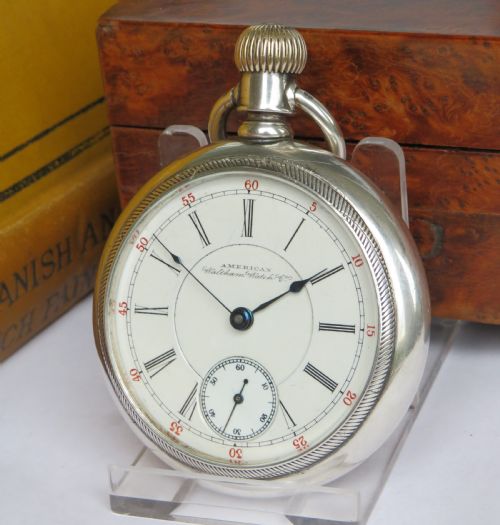
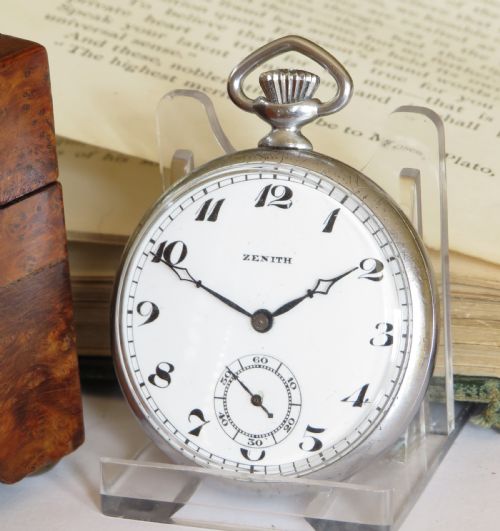
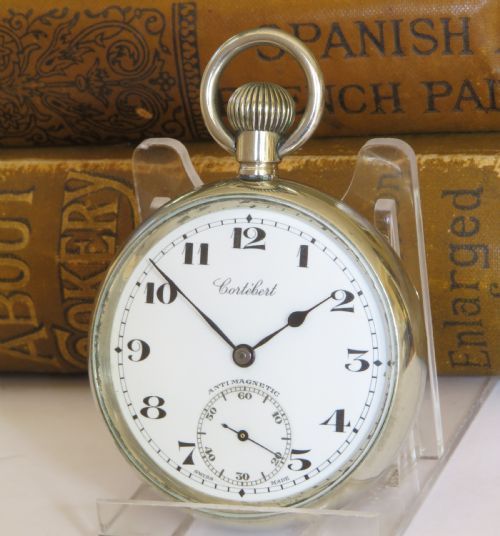
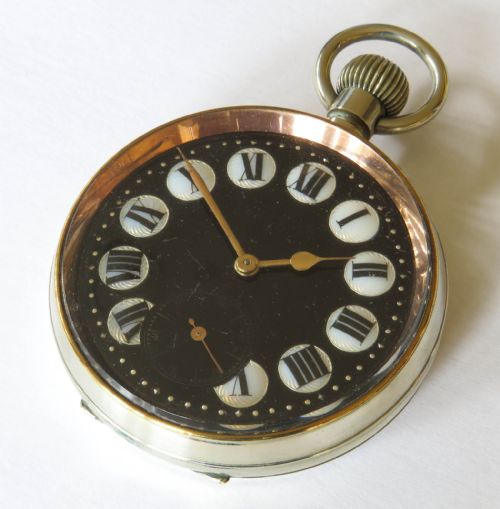
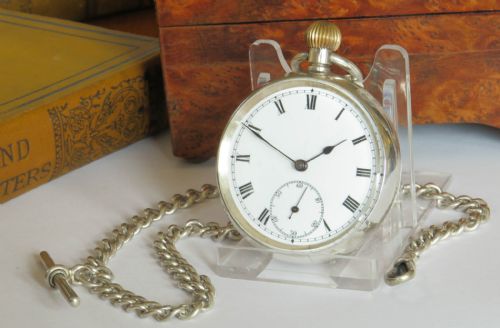
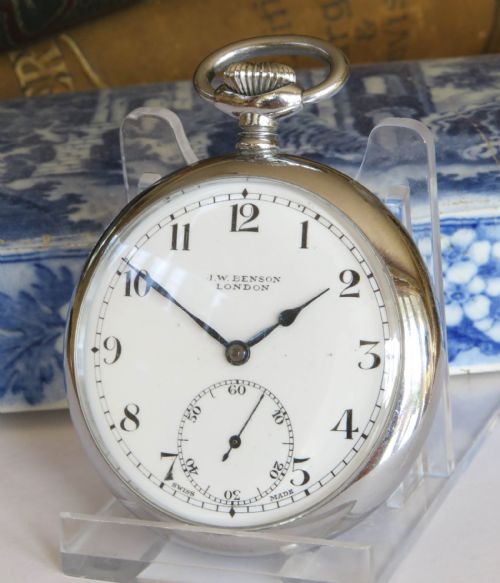
An open faced watch strips away the protective metal lid found on hunter cases, displaying the dial and hands directly behind glass. This design prioritises speed and legibility, making these timepieces the standard choice for railways, military operations, and everyday carrying.
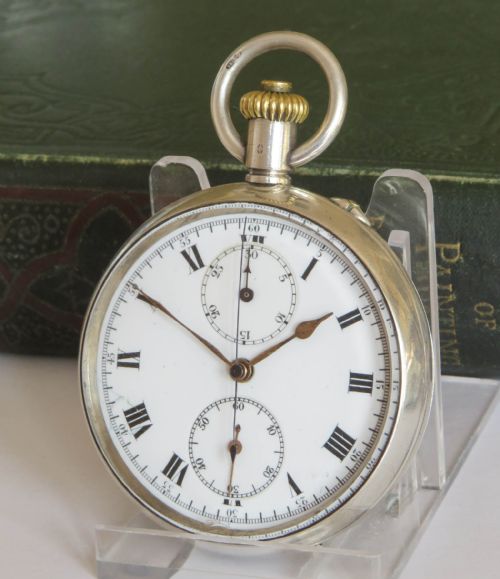
The selection here spans from Victorian fusee models and Edwardian silver pieces to Art Deco designs and World War II military issues. Railway editions and military stopwatches appear frequently alongside standard pocket watches.
Makers range from domestic watchmakers in London and Nottingham to Swiss firms like Zenith, Omega, and Longines, as well as American manufacturers such as Waltham and Elgin.
How They Were Made
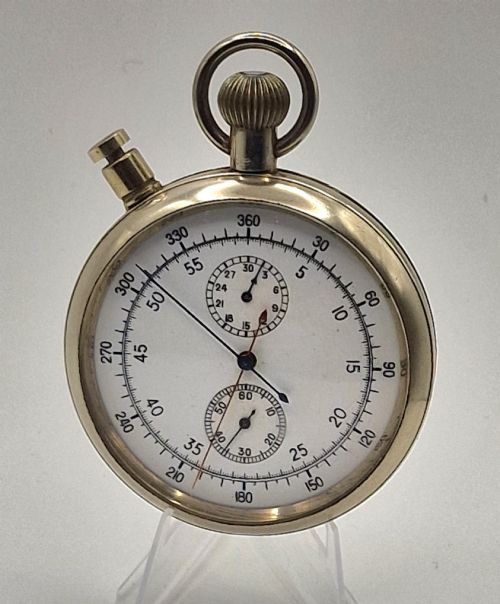
Cases utilise metals such as silver, brass, nickel, gunmetal, steel, and gold plate to house the delicate internal mechanisms. Glass protects the enamel dials, while some specialised items incorporate chronographs and stopwatch functions.
Movements rely on traditional mechanical engineering, seen in early fusee calibres and later precision Swiss and American mechanisms. Dials feature enamel surfaces marked with clear numerals, often paired with subsidiary seconds dials or railway timetabling scales.
Materials found across the inventory include silver, gold plate, nickel, brass, steel, gunmetal, enamel, and glass.
What Varies In Quality
The distinction between standard commercial pocket watches and top-tier examples lies in the complexity of the movement and the standard of execution. High-grade items include chronographs, deck watches, and specialised railway or military issues built for exact timekeeping.
Material choice and case finishing also separate tiers, moving from basic nickel and brass to solid silver housings with intricate enamel work and high-jewel movements signed by notable makers.
Tavannes·Zenith·Terminus·Elgin·Henry Capt·Waltham·Cortebert·Vertex·J W Benson·Kendal & Dent·Omega·Longines·Allion of Versailles·Revue·Buren·Helvetia·Nero Lemania·Thomas Russell & Son·New York Standard
The Open Faced Watch Glossary
- Open faced watch
- A pocket watch lacking a protective front metal cover over the glass dial. This allows instant reading of the time without opening a case.
- Fusee
- A conical pulley mechanism used in older watches to maintain even force on the gear train as the mainspring unwinds. This mechanical arrangement improves accuracy in Victorian pieces.
- Chronograph
- A watch with a function to measure elapsed time, often featuring a central sweep seconds hand. These are found on military and timing models.
- Goliath
- An oversized pocket watch, significantly larger than standard specimens. They were frequently mounted in travel cases or desks.
- Enamel
- A glassy substance fused to a metal dial base by firing at high heat. It provides a durable, bright white surface for painted numerals.
Open Faced Watch: Frequently Asked Questions
What is an open faced watch?
An open faced watch is a pocket timepiece that does not have a hinged metal cover over the glass face. The dial remains completely visible at all times.
This style grew popular for everyday use, railways, and military service where quick time checks were essential.
How do I wind a pocket watch?
Most pocket watches on this page wind via the crown at the top, while older Victorian fusee models often require a key applied to the back or dial. Turning the mechanism tightens the internal mainspring.
Care should be taken not to overwind the watch, stopping as soon as resistance is felt.
Were these watches used in the military?
Yes, many open faced watches served with military forces during World War I and World War II. Air Ministry and ground units issued robust pieces to coordinate operations.
These military versions often feature utilitarian steel or nickel cases and clear, high-contrast dials.
What is a railway pocket watch?
Railway pocket watches were high-accuracy timepieces issued to or used by train crews. They needed to meet strict timing standards to ensure safe scheduling on the lines.
Commissions for specific railway companies often bear engravings or dial markings denoting their service.