



Old Wine Decanter
An old wine decanter brings the weight of the Georgian and Victorian table into the modern room, offering a tangible link to historic dining rituals.
Old Wine Decanter
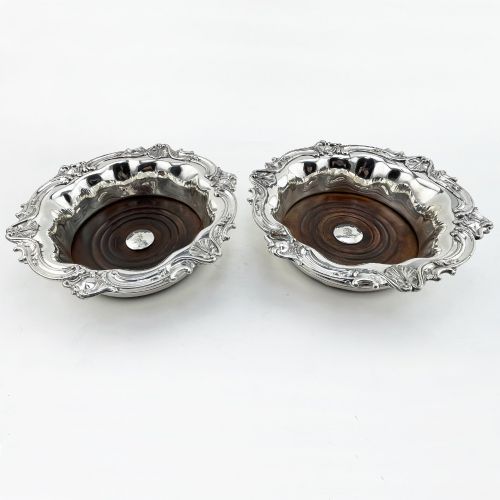
When you search for old wine decanter, you encounter vessels and supporting table pieces designed to serve and protect vintage wine during the eighteenth and nineteenth centuries. These items range from standalone glass carafes to silver plated coasters and complex bottle trolleys.
How they were made
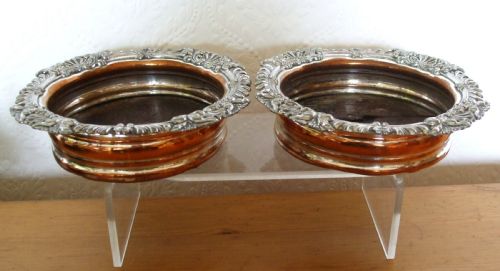
Makers utilised Old Sheffield Plate, a technique involving the fusion of a thin sheet of silver to a thicker copper core, creating durable tableware with a rich metallic sheen. This fused metal was shaped, pierced, and soldered to form the intricate galleries of wine coasters.
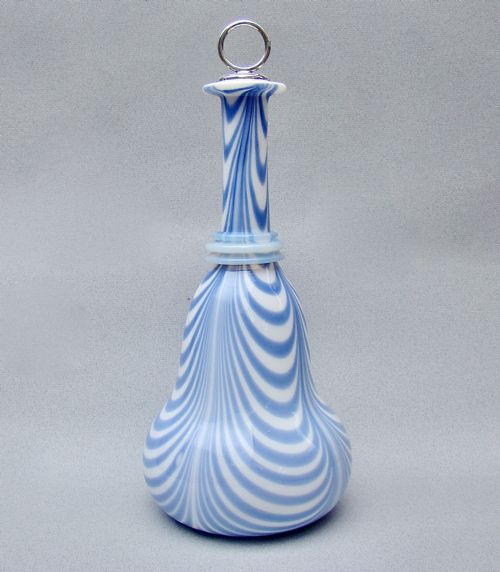
Glass elements, such as those found in Nailsea glass carafes, were hand-blown and shaped by skilled glassmakers during the nineteenth century. Wooden components, notably turned mahogany bases, were integrated into metal frames to provide a stable foundation for heavy glass bottles.
Traditional metalworking methods included hand-chasing, embossing, and applied wire borders, which added structural rigidity and decorative depth to the rims and bases of the coasters and trolleys.
Old Wine Decanter Retail Price Guide 2026
Typical asking prices for old wine decanter among the pieces listed under this phrase on Sellingantiques today, from the lower quarter to the upper quarter. They describe what is for sale here now, not the wider market.
Listings feature items spanning the Georgian, Regency, and Victorian periods, utilising silver plate, copper, mahogany, and glass.
What varies in quality
Quality in these pieces depends upon the crispness of the chased decoration and the proportion of the metalwork. Pieces produced by distinguished workshops demonstrate superior depth in the silver layer and cleaner execution of pierced galleries.
The integrity of the Old Sheffield Plate surface marks a significant distinction, as wear to the underlying copper core alters the visual balance of the object. Uniformity within matched pairs or sets of three and four also dictates desirability among collectors.
The integration of materials, such as the fit between turned wooden bases and metal collars, indicates the level of craftsmanship invested in the original production.
Matthew Boulton
The Old Wine Decanter Glossary
- Old Sheffield Plate
- An early form of silver plating created by fusing silver to a copper base before fabrication. This technique produces a distinctive warm glow that differs from later electroplated wares.
- Wine Coaster
- A small, portable tray designed to hold a wine bottle on the dining table. They often feature raised sides and a turned wood or metallic base.
- Wine Trolley
- A wheeled carriage designed to convey heavy wine bottles or decanters smoothly along the surface of a long dining table. They frequently incorporate multiple coaster sections.
- Nailsea Glass
- Glassware produced in the village of Nailsea known for distinctive patterns and coloration. Pieces integrated into metal frames showcase nineteenth-century decorative techniques.
- George III
- The period spanning the reign of George III from seventeen sixty to eighteen twenty, associated with refined neoclassical design. Items from this era display strict symmetry and classical motifs.
Old Wine Decanter: Frequently Asked Questions
What is an old wine decanter?
An old wine decanter is a historic vessel used for serving wine, often accompanied by silver plated or wooden coasters and trolleys designed to protect the dining table.
These pieces reflect the craftsmanship of the Georgian and Victorian eras, combining glass, copper, and silver materials into functional table accessories.
How were wine coasters used?
Wine coasters were placed on the dining table during the eighteenth and nineteenth centuries to hold bottles and prevent rings on polished wood surfaces. Guests passed the coasters along the table after the meal.
Sets of coasters and wheeled trolleys allowed multiple bottles to circulate smoothly among diners during formal gatherings.
How do I identify a Victorian piece?
Victorian items typically display heavier ornamentation and bolder proportions compared to their Georgian predecessors. The materials often include robust Old Sheffield Plate and distinct glass styles.
Examination of the manufacturing techniques, maker marks, and stylistic motifs helps determine whether a piece belongs to the Victorian era rather than the Regency period.
How do I care for Old Sheffield Plate?
Old Sheffield Plate requires gentle cleaning with non-abrasive silver care products to preserve the thin silver layer over the copper core. Excessive polishing can expose the underlying metal.
Keeping these items in stable environmental conditions prevents tarnish and protects any integrated wooden bases from moisture damage.