





Old Silver Platter
An old silver platter brings substantial weight and bright metallic sheen to a dining table, offering centuries of historic British craftsmanship.
Old Silver Platter
When you search for old silver platter, you find a collection of heavy serving vessels, trays, and meat domes from the eighteenth and nineteenth centuries. These items served formal dining rooms during the Georgian and Victorian eras, carrying heavy joints of meat and fine drinks.
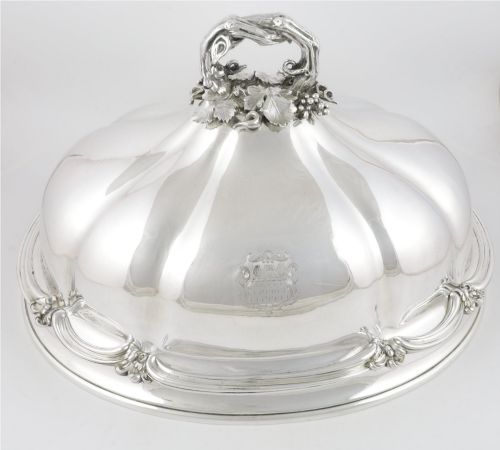
The objects on this page include substantial Old Sheffield Plate meat domes, serving trays, sauce tureens, and knife trays. Most items originate from the nineteenth century and the Georgian period, utilising traditional forms such as Rococo Revival and Regency styles.
How they were made
Maker's workshops fused a thin sheet of silver to a thicker copper base through heat and pressure, producing Old Sheffield Plate. Smiths then shaped these fused metal sheets into deep meat covers, heavy trays, and warming dishes.
Engraving, applied borders, and handles added decorative detail to plain surfaces. Artisans incorporated copper details beneath the silver layer, which occasionally shows through where years of polishing have worn the outer metal.
Old Silver Platter Retail Price Guide 2026
Typical asking prices for old silver platter among the pieces listed under this phrase on Sellingantiques today, from the lower quarter to the upper quarter. They describe what is for sale here now, not the wider market.
Listings span the Georgian, Regency, William IV, and Victorian periods, utilising copper, silver, and Old Sheffield Plate.
What varies in quality
The balance between the silver layer and the underlying copper base dictates the substance of each piece. Heavier gauge metal provides structural rigidity, keeping meat domes and large serving trays resistant to bending.
Design complexity and maker reputation separate standard utility items from distinguished presentation pieces. Pieces bearing documented maker marks or crests demonstrate higher levels of initial craftsmanship and decorative ambition.
Roberts Cadman·Henry Wilkinson·Matthew Boulton·Padley Parkin·Walker Knowles·J Dixon Sons·Cresswick
The Old Silver Platter Glossary
- Old Sheffield Plate
- A composite material made by fusing a sheet of silver to a copper core before rolling them together into plates. This technique preceded modern electroplating.
- Meat Dome
- A large domed cover used to keep roasted joints warm on the dining table. These substantial covers often feature cast handles and engraved crests.
- Mazarine
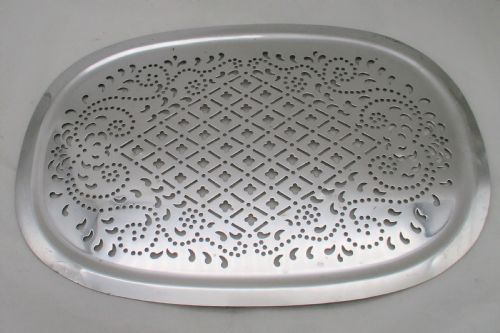
- A pierced ceramic or metal insert placed inside a dish to drain juices away from food. They appear alongside serving platters and meat dishes.
- Tureen
- A deep covered vessel used for serving soups, sauces, or vegetables. Georgian and nineteenth-century examples often sit on matching bases.
- Salver
- A flat metal tray used for serving drinks or presenting items. They typically stand upon small feet and feature decorated borders.
Old Silver Platter: Frequently Asked Questions
What is Old Sheffield Plate?
Old Sheffield Plate is an early composite material created by fusing sterling silver to a copper block before rolling the combined metals into sheets. This method differs significantly from later nineteenth-century electroplating.
The technique produces a durable metal where the silver and copper are permanently bonded together. Over generations of polishing, the underlying copper occasionally shows through at high points and edges.
How were meat domes used?
Meat domes covered large joints of meat, poultry, or game on the dining table to retain heat before carving. Servants lifted the heavy covers when guests were ready to eat.
These covers often paired with warming dishes or large platters. Their substantial size helped maintain food temperatures in large, drafty historic dining rooms.
How do I clean old silver plate?
Cleaning requires a soft cloth and a gentle silver polish formulated for plated items. Vigorous rubbing must be avoided to protect the thin silver layer over the copper base.
Harsh chemical dips strip away the natural dark patina that accumulates in recessed details over centuries. Preserving this contrast maintains the historic character of the piece.
Can I use these for serving food?
These items function well for modern serving if cleaned thoroughly with warm soapy water before use. Trays, salvers, and warming dishes remain practical for contemporary dining tables.
Acidic foods should not remain in contact with old silver plate for extended periods. Hand washing preserves the surface finish much better than automated dishwashers.