



Old Silver Cup
An old silver cup brings substance to a room, offering the satisfying weight of Old Sheffield Plate and silver plate from the Georgian and Victorian eras.
Old Silver Cup
An old silver cup encompasses various drinking vessels and ritual items found on this page, predominantly taking the form of church chalices, communion chalices, and loving cups. These pieces span the 18th century, 1800, and the 19th century, reflecting the craftsmanship of the Georgian, Regency, William IV, and Victorian periods.
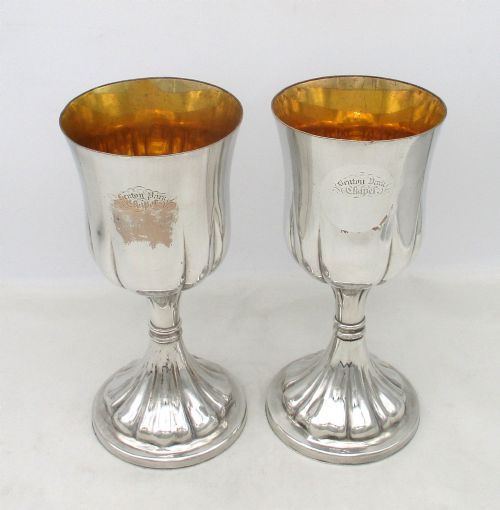
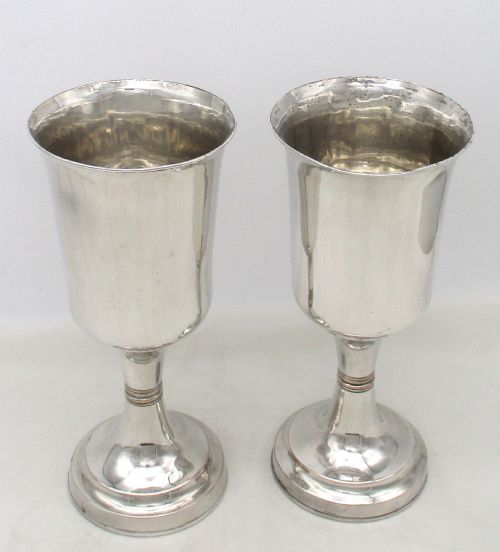
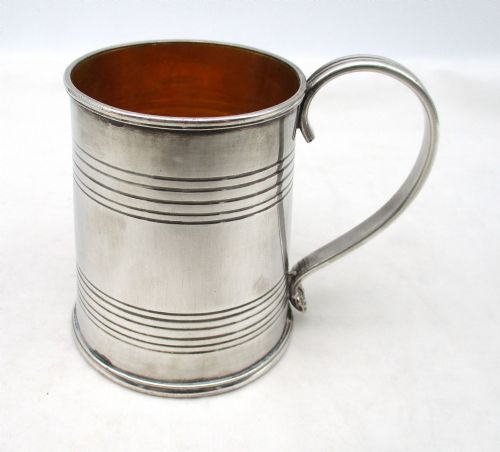
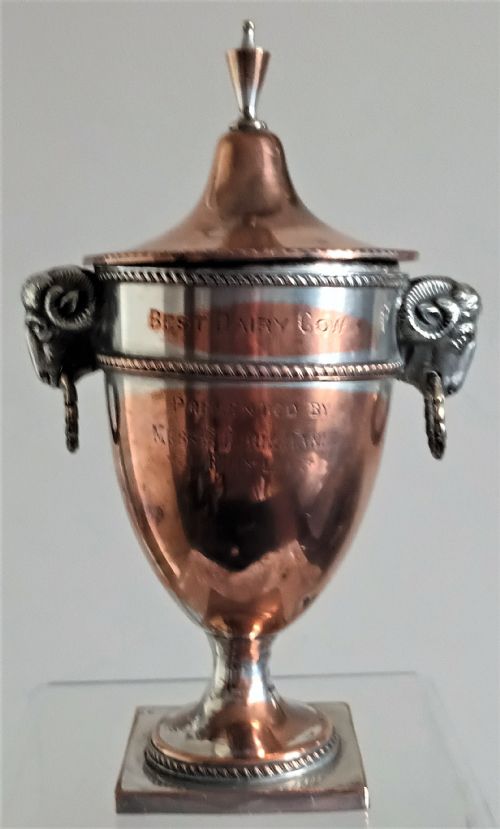
Buyers will most frequently encounter Old Sheffield Plate examples, ranging from tall pairs of church chalices dated to the 1830s and 1840s down to smaller domestic items such as a child's tankard or miniature chestnut urns. Goblets and tankards also feature regularly, showing the diverse domestic and ecclesiastical uses for these metal vessels.
The origins of these drinking vessels lie firmly in English manufacturing traditions, utilising durable base metals fused with precious silver. Whether selecting a large communion chalice or an 18th-century goblet, collectors acquire tangible pieces of historical silver-smithing history.
How they were made
The creation of these pieces relies heavily on Old Sheffield Plate, a technique involving the fusion of a silver sheet to a copper core. This method produces vessels with the appearance of solid silver while utilising base metals for structural strength.
Makers shaped the fused metal sheets into chalices, tankards, and urns through hammering, spinning, and soldering. Additional decoration often included gilding or gold gilt applied to interior surfaces of communion vessels.
Old Silver Cup Retail Price Guide 2026
Typical asking prices for old silver cup among the pieces listed under this phrase on Sellingantiques today, from the lower quarter to the upper quarter. They describe what is for sale here now, not the wider market.
A tiny child's tankard proves that even the smallest Georgian citizens required proper drinking vessels.
What varies in quality
Quality in these drinking vessels rests upon the crispness of form and the retention of the original fused silver layer over the copper base. Finer examples maintain clean proportions and legible contours across chalices and loving cups.
The sophistication of the handling distinguishes standard items from superior pieces, particularly in matched pairs where balance and symmetry matter. Domestic tankards and ecclesiastical chalices demonstrate different levels of decorative ambition.
The Old Silver Cup Glossary
- Old Sheffield Plate
- An early form of silver plating created by fusing a sheet of silver to a copper ingot. This composite material was then rolled into sheets for fabricating vessels.
- Chalice
- A large stemmed cup used for drinking, most commonly associated with ecclesiastical communion services. These vessels often feature deep bowls and knop stems.
- Loving Cup
- A large drinking vessel with two or more handles, designed to be passed among guests at banquets and gatherings. They appear frequently in silver and plated forms.
- Chestnut Urn
- A decorative vessel shaped like a classical urn, historically used at the dining table for serving chestnuts or dry goods. Miniature versions appear in the plate evidence.
- Gilding
- The application of a thin layer of gold or gold gilt to the interior or exterior surface of a metal object. This technique protects the underlying metal and adds a rich finish.
Old Silver Cup: Frequently Asked Questions
What is Old Sheffield Plate?
Old Sheffield Plate is a fused composite material made by heating a sheet of silver and a copper block together until they bond. The combined metal is then rolled into sheets and worked into vessels.
This technique predates modern electroplating and produces items with genuine silver surfaces over durable copper bases.
How were communion chalices used?
Communion chalices served during ecclesiastical services to hold sacramental wine for the congregation. Their large bowls and sturdy stems made them practical for ritual sharing.
Many surviving examples feature gilt interiors to protect the metal from the acidity of the wine.
How do I date an old cup?
Dating relies on stylistic markers from periods like the Georgian and Victorian eras, alongside manufacturing traits such as Old Sheffield Plate construction. Estimated dates around the 18th and 19th centuries provide a baseline for age.
Proportions and decorative motifs help narrow the decade of production.
Can I use these cups daily?
While these vessels were originally made for functional drinking or ritual use, modern owners often display them as decorative antiques. Care must be taken with Old Sheffield Plate to preserve the thin silver layer.
Gentle cleaning avoids wearing through the historical plating.