


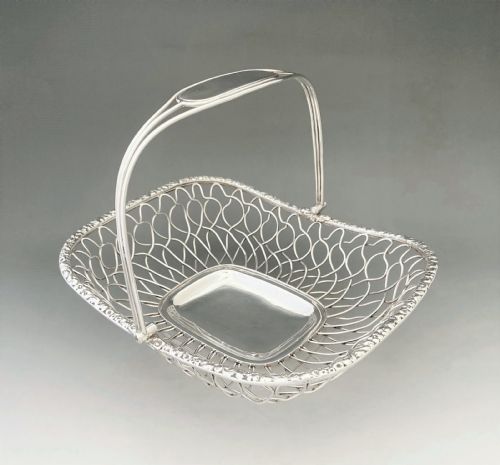


Old Silver Centerpiece
An old silver centerpiece brings architectural height and gleaming presence to the middle of a dining table.
Old Silver Centerpiece
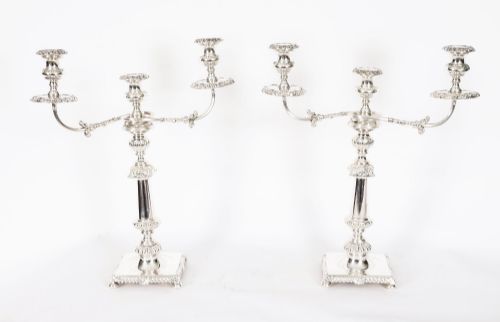
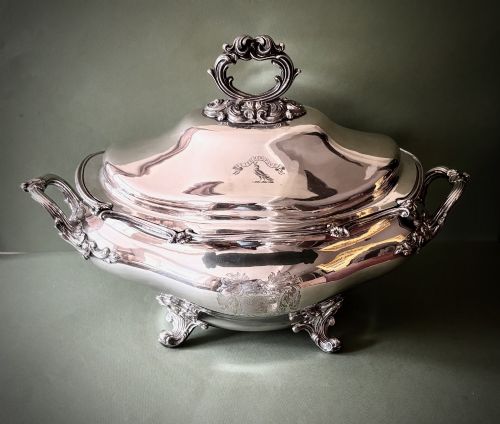
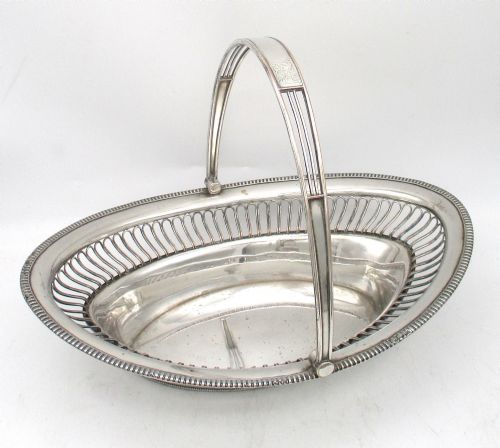
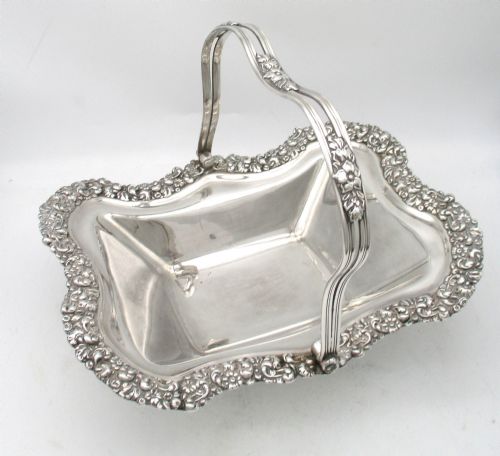
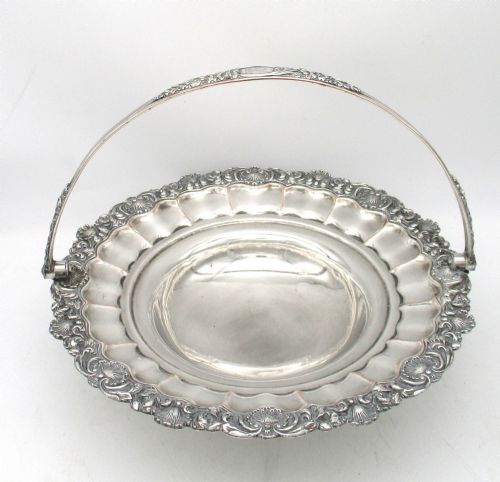
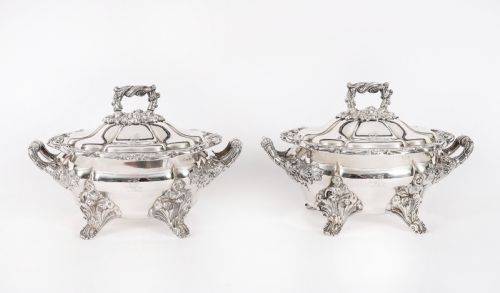
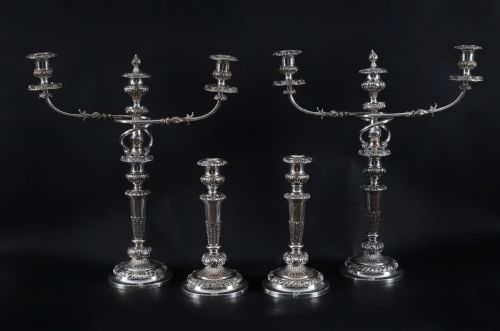
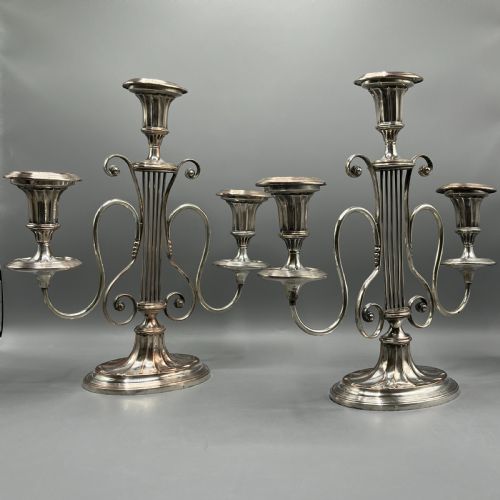
When you search for an old silver centerpiece, you encounter grand table vessels designed to anchor a formal dining table. These pieces take several forms, including multi-piece candelabra suites, lidded tureens, wine coolers, and intricate wirework baskets.
The selections span the Georgian, Regency, and nineteenth-century periods, with specific items dating back to eighteen hundred and the eighteenth century. You are most likely to meet Old Sheffield Plate constructions, which frequently incorporate cut glass elements or detailed lyre and campana shapes.
How they were made
The construction of these pieces relies heavily on Old Sheffield Plate, a method where a layer of silver is fused to a copper core. This technique allows the warm reddish hue of copper to occasionally show through where handling has worn the outer silver layer over generations.
Makers also utilised silver wire to produce delicate wirework baskets alongside heavy cast components for candelabra and wine coolers. Cut glass inserts add a brilliant transparent contrast to the metallic frames of epergnes and bowls.
Old Silver Centerpiece Retail Price Guide 2026
Typical asking prices for old silver centerpiece among the pieces listed under this phrase on Sellingantiques today, from the lower quarter to the upper quarter. They describe what is for sale here now, not the wider market.
Some baskets feature delicate wirework so fine they resemble woven wicker rather than heavy metal.
What varies in quality
The quality of an old silver centerpiece rests upon the crispness of its chased decoration and the proportion of its overall form. Pieces featuring substantial cast mounts and well-preserved plating demonstrate superior workshop execution.
The integrity of the underlying copper fusion and the presence of original components, such as matching cut glass liners or coordinated branch units in candelabra, distinguish finer examples from simpler utilitarian items.
Blagden Hodgson And Co
The Old Silver Centerpiece Glossary
- Old Sheffield Plate
- An early form of plated metal created by fusing a sheet of silver to a copper ingot before rolling them together into sheets. This technique predates modern electroplating.
- Candelabra
- A branched candlestick holder designed to support multiple lights above the central table surface. These often form part of larger matched dining suites.
- Tureen
- A deep covered vessel originally used for serving soups, stews, or sauces at the dining table. Many examples feature decorative handles and matching lids.
- Wirework
- Metalwork constructed from intertwined or soldered silver wires to create open, airy basket designs. This technique requires considerable manual dexterity.
- Wine Cooler
- A vessel designed to chill bottles at the table, frequently executed in a sturdy campana or urn shape. They often feature robust handles for lifting.
Old Silver Centerpiece: Frequently Asked Questions
What is an old silver centerpiece used for?
These large vessels and candelabra served as the focal point of formal dining tables during the Georgian and Regency periods. They held fruit, flowers, or food while displaying the wealth and taste of the host.
Today, they function well as decorative dining room statements or as focal points on sideboards and large tables.
How do I identify Old Sheffield Plate?
Old Sheffield Plate can often be identified by examining edges and worn spots where the underlying copper shows through the silver layer. The fusion of the two metals creates a distinct physical sandwich effect rather than the uniform coating seen in later electroplated wares.
Weight and construction style also offer clues, as these pieces utilise heavier copper bases combined with fused silver sheets.
How do I clean an old silver centerpiece?
Gentle cleaning with a soft cloth and a specialised silver polish helps maintain the shine without removing the thin layer of fused silver. Harsh abrasives must be avoided to protect the underlying copper core from exposure.
Professional care is recommended for pieces with delicate wirework or fragile cut glass inserts to prevent accidental damage during maintenance.
What periods do these centerpieces come from?
The available pieces originate primarily from the Georgian and Regency eras, spanning the eighteenth and early nineteenth centuries. Dates frequently cluster around eighteen hundred and the surrounding decades.
Stylistic markers such as campana shapes and wirework construction help align individual items with these specific historical periods.