



Old Sheffield Plate Cup
An old sheffield plate cup brings genuine Georgian and Victorian craftsmanship to the table, offering fused silver and copper forms that collectors prize.
Old Sheffield Plate Cup
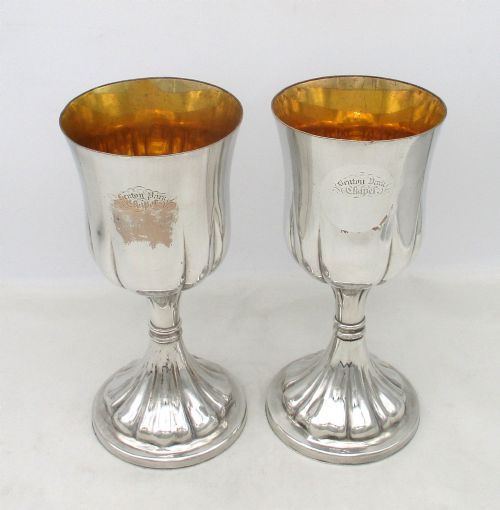
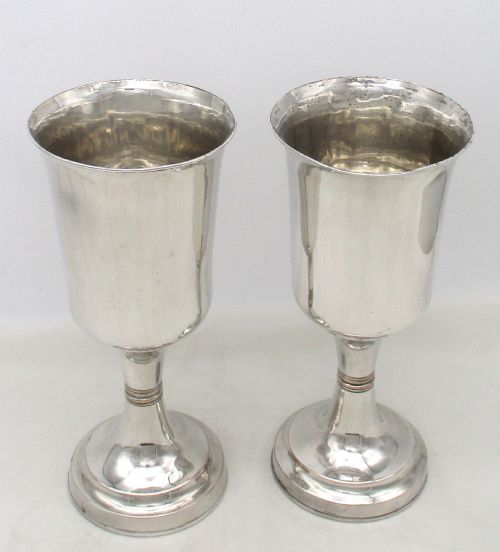
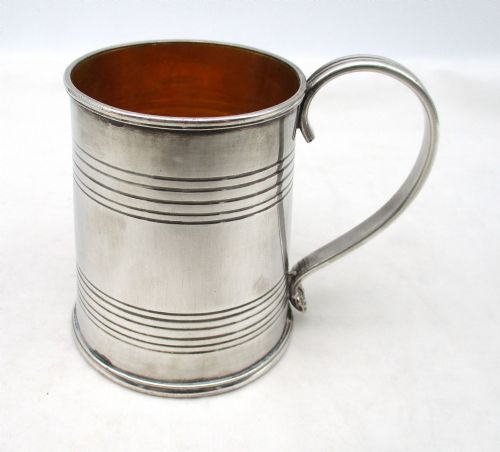
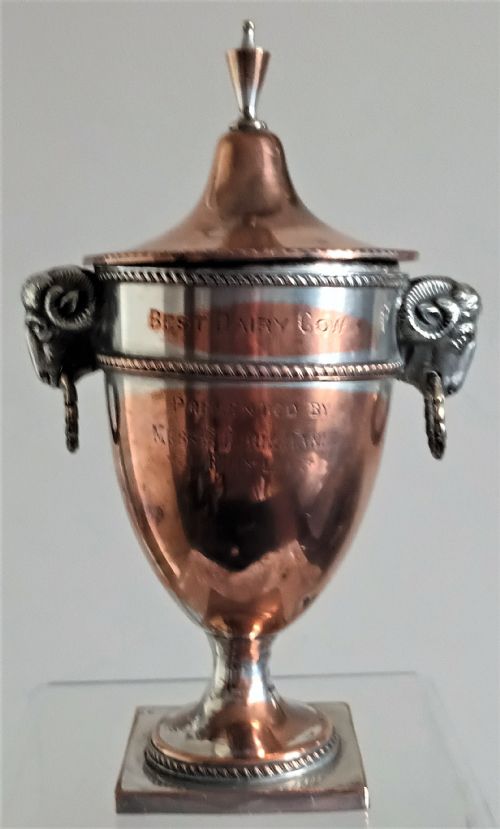
An old sheffield plate cup encompasses a variety of drinking vessels and ecclesiastical forms produced across the eighteenth and nineteenth centuries. The selections on this page feature chalices, loving cups, tankards, goblets, and miniature chestnut urns from Georgian, Regency, William IV, and Victorian periods.
Buyers are most likely to encounter nineteenth-century church chalices and communion vessels alongside domestic tankards and loving cups. These items date from around eighteen hundred to the eighteen-forties, representing both ecclesiastical use and secular dining.
The objects originate from English workshops and reflect the distinct stylistic shifts from Georgian restraint to Victorian ornamentation. Each piece demonstrates the dual metal structure characteristic of the era before electroplating superseded fused metal techniques.
How they were made
Makers produced an old sheffield plate cup by fusing a thin sheet of silver to a thicker copper ingot under intense heat. This sandwich of metals was then rolled into sheets before being shaped into chalices, tankards, and urns.
Craftsmen often applied gold gilt or gold gilding to the interior surfaces of communion vessels and chalices for both ceremonial presentation and protection against tarnishing from acidic contents. Skilled silversmiths finished the edges with applied silver wire to conceal the exposed copper seams.
Old Sheffield Plate Cup Retail Price Guide 2026
Typical asking prices for old sheffield plate cup among the pieces listed under this phrase on Sellingantiques today, from the lower quarter to the upper quarter. They describe what is for sale here now, not the wider market.
Some nineteenth-century makers fashioned diminutive child's tankards, shrinking massive tavern drinking vessels down to tiny proportions for reasons lost to time.
What varies in quality
The standard of an old sheffield plate cup depends on the crispness of the original chasing and engraving, and how well the fused silver layer survives on projecting high points. Pieces that retain minimal copper bleed through the silver surface demonstrate superior initial plating thickness and careful handling.
Proportion and form separate standard production items from finer presentation pieces and matching pairs. The integrity of applied wire borders and the survival of interior gold gilt further distinguish the finer examples in this category.
The Old Sheffield Plate Cup Glossary
- Old Sheffield Plate
- A composite material made by fusing silver and copper together through heating and rolling. This technique preceded modern electroplating.
- Gilt
- A thin layer of gold applied to the interior or exterior surface of a metal object. It provided a luxurious finish and prevented metallic tastes in drinking vessels.
- Chalice
- A large cup or goblet used for drinking, specifically in a religious or communion context. Many examples in this medium served nineteenth-century churches.
- Loving Cup
- A large drinking vessel typically provided with two or more handles, designed to be passed among guests. These pieces frequently mark celebratory occasions.
- Tankard
- A tall drinking vessel featuring a single handle and often a cylindrical body. They appear in both domestic and diminutive child-sized proportions.
Old Sheffield Plate Cup: Frequently Asked Questions
What is old sheffield plate?
Old sheffield plate is a fused combination of copper and silver created before the invention of electroplating. Workers heated and rolled the metals together to form sheets for manufacturing holloware.
This method produces a material where the underlying copper occasionally shows through at points of heavy wear or sharp edges, revealing the sandwich construction.
How do I clean these cups?
Cleaning requires extreme caution because aggressive polishing wears away the thin fused silver layer to reveal the copper beneath. Gentle washing with mild soap and warm water is usually sufficient.
Avoid standard abrasive silver dips and harsh commercial pastes that strip the remaining silver surface and damage any applied gold gilt.
Were these used for drinking?
Many items functioned as everyday or ceremonial drinking vessels, including loving cups and tankards designed for secular use. Other forms served specific ecclesiastical purposes as communion chalices and goblets.
Miniature chestnut urns and smaller child-sized tankards served decorative or commemorative roles rather than active daily dining functions.
How do I date these pieces?
Dating relies on stylistic shifts visible in the form, ranging from Georgian simplicity to Victorian elaboration. Periods such as Regency and William IV introduce specific decorative motifs.
Inscribed dates and maker marks, where present, help anchor the piece to a specific decade within the eighteenth or nineteenth centuries.