



Old Portrait Print
An old portrait print carries centuries of presence into a room, offering striking historical likenesses captured through traditional printmaking methods.
Old Portrait Print
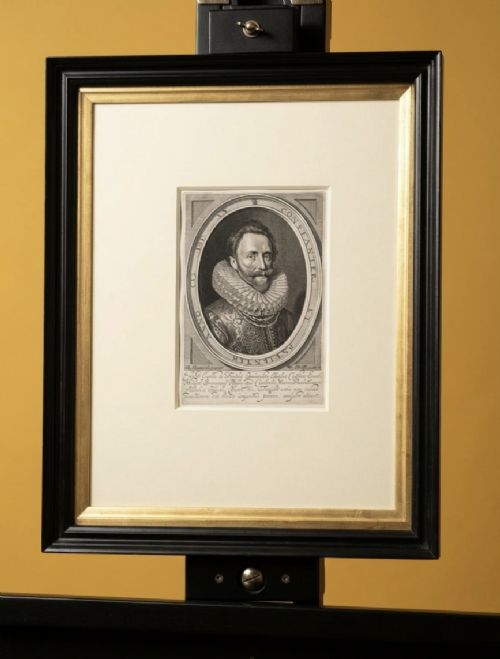
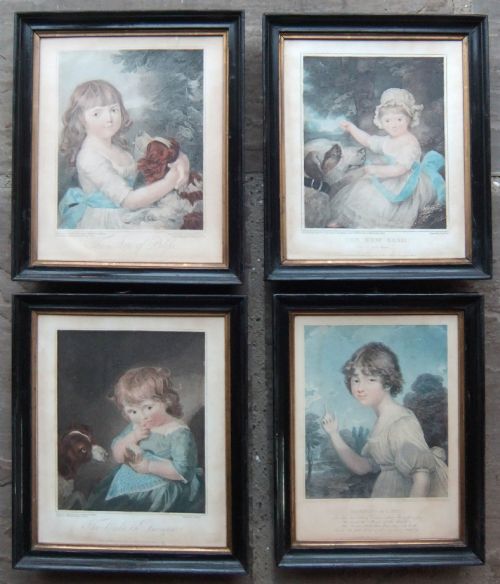
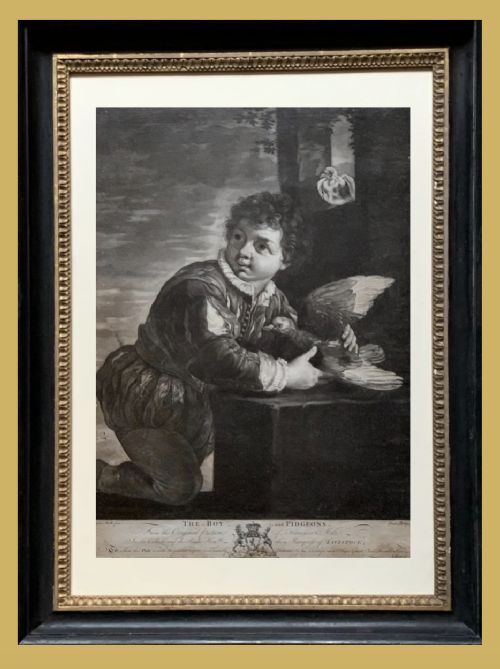
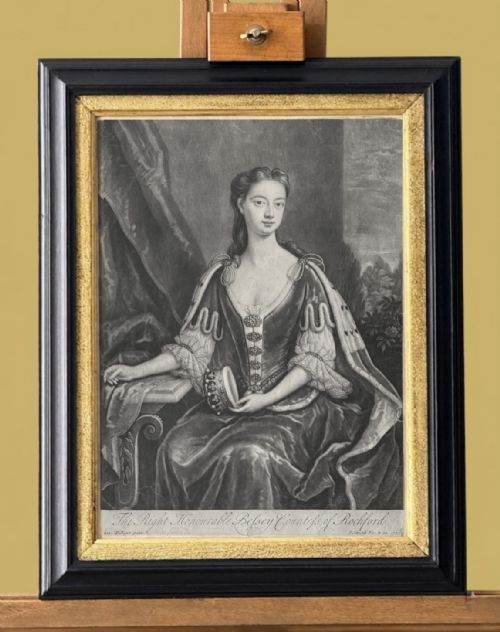
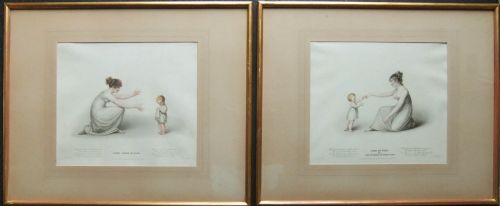
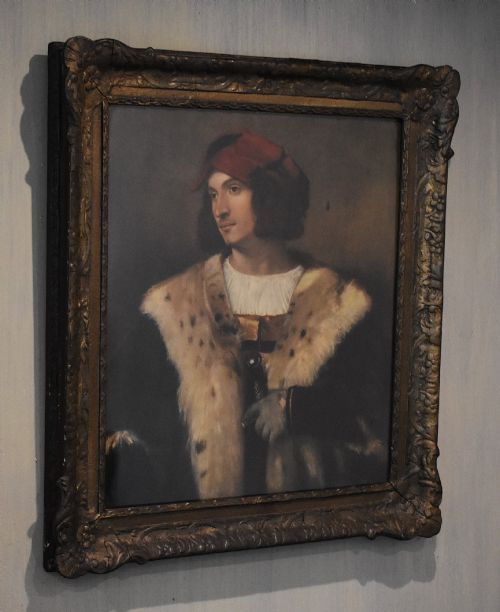
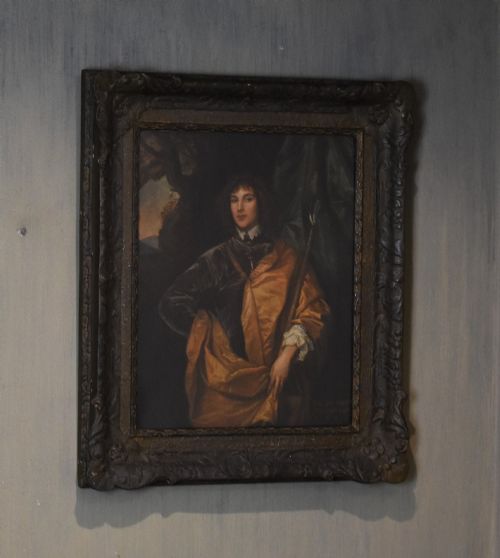
When you search for an old portrait print, you encounter a diverse array of framed works spanning the Georgian, Victorian, and Edwardian periods. These pieces include mezzotints, engravings, lithographs, and drawings that depict notable figures, noble subjects, athletes, and anonymous sitters alike.
The selections available here range from eighteenth-century mezzotints after Old Masters to nineteenth-century lithographs and decorative prints. Common formats involve framed wall art housed behind glass in wooden or gilt frames, capturing historic likenesses with enduring visual appeal.
How they were made
Makers utilised traditional techniques such as mezzotint, engraving, and lithography applied to paper sheets using dark inks. These graphic methods allowed workshops to reproduce detailed portraits after celebrated painters with remarkable fidelity.
Framing materials typically comprise wood, gilt wood, and gold leaf, occasionally paired with dome-fronted glass to protect the delicate paper surface underneath. The physical construction combines traditional print output with bespoke period framing.
Old Portrait Print Retail Price Guide 2026
Typical asking prices for old portrait print among the pieces listed under this phrase on Sellingantiques today, from the lower quarter to the upper quarter. They describe what is for sale here now, not the wider market.
Among the historical figures and noble sitters, the selection includes a celebrated bull bitch named Lucy.
What varies in quality
Quality rests primarily in the crispness of the impression on the paper and the fidelity of the printmaker's plate to the original source painting. Early impressions preserve subtle tonal gradations and fine lines that later strikes lose.
The integrity and age of the surrounding frame, whether gilded wood or simple timber, contribute significantly to the overall character and preservation of the work.
John Boydell·John Smith·Adam Buck·Robert Sayer
The Old Portrait Print Glossary
- Mezzotint
- A printmaking process where the copper plate is textured to hold ink, producing rich dark tones and smooth gradations. This tonal method was widely utilised for eighteenth-century portraiture.
- Lithograph
- A planographic printing process based on the repulsion of oil and water on a limestone or metal slab. It became common for nineteenth-century portrait prints.
- Gilt Wood
- Timber coated with a thin layer of gold leaf or metallic paint. It provides a reflective, ornate border suitable for formal historic portraits.
Old Portrait Print: Frequently Asked Questions
What periods do these portrait prints come from?
The listings span several centuries, encompassing eighteenth-century mezzotints, nineteenth-century engravings and lithographs, and twentieth-century reproductions.
Each era employed distinct printing technologies and framing styles that reflect the aesthetic preferences of the time.
How should I hang an old portrait print?
These framed pieces suit traditional domestic spaces, particularly studies, hallways, and living rooms with classic decor. Hang them at eye level away from direct sunlight to protect the paper and ink.
Ensure the wall fixings match the weight of the wooden or gilt frames.
Are these portraits original works?
The collection includes period printed reproductions, engravings, and mezzotints after master painters, alongside original drawings from the nineteenth century.
Printmaking techniques allowed workshops to distribute likenesses of famous sitters widely across Britain.
What framing styles appear in this selection?
Frames vary from simple wooden mouldings to ornate gilt wood, gold leaf finishes, and dome-fronted glass enclosures.
These surrounds often complement the historic period of the print they house.