

Old Portrait Painting
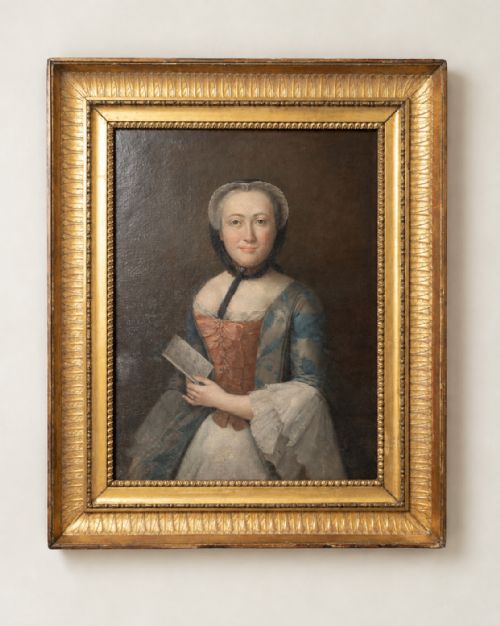
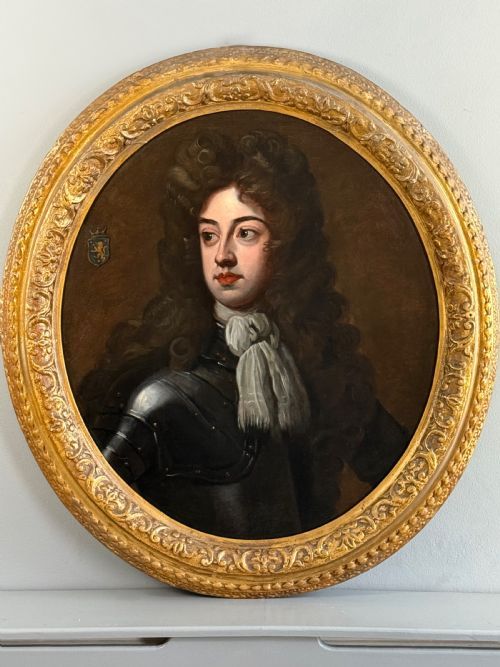
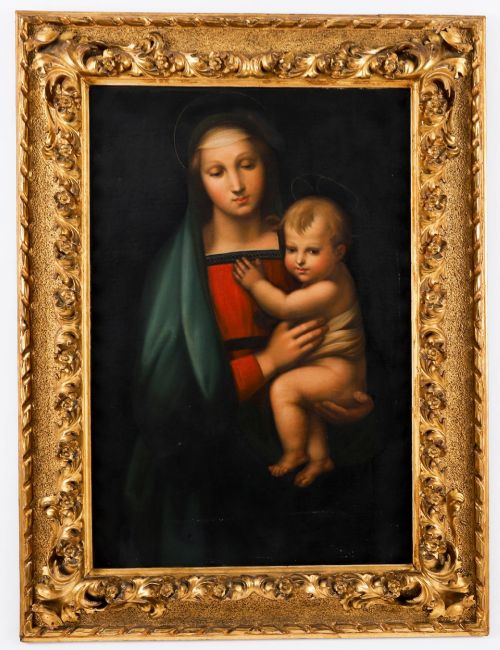
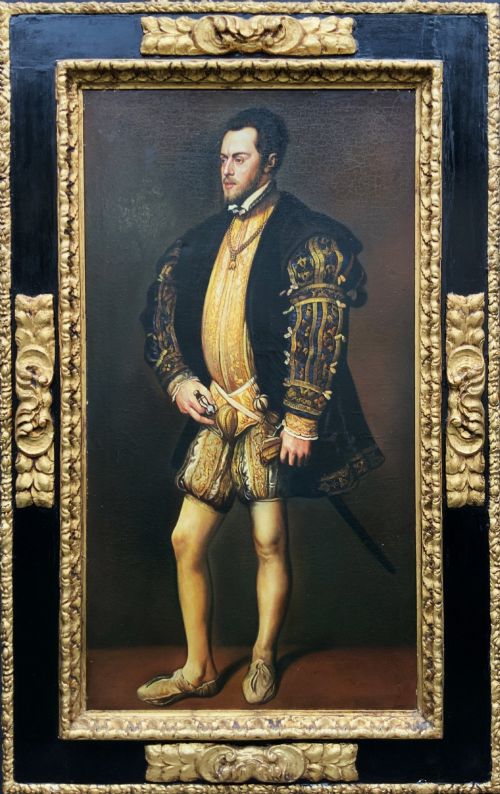
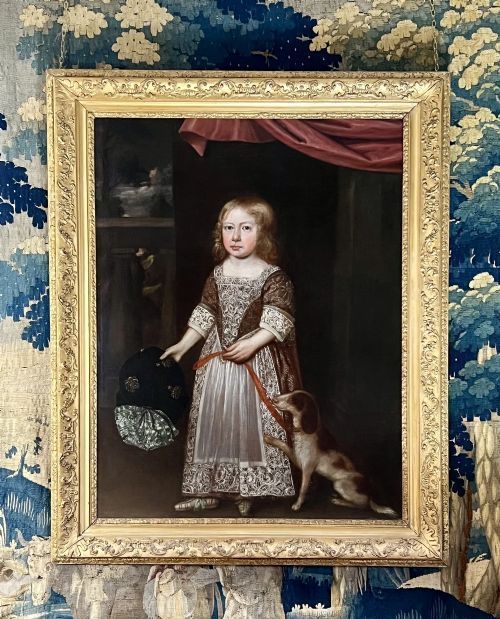
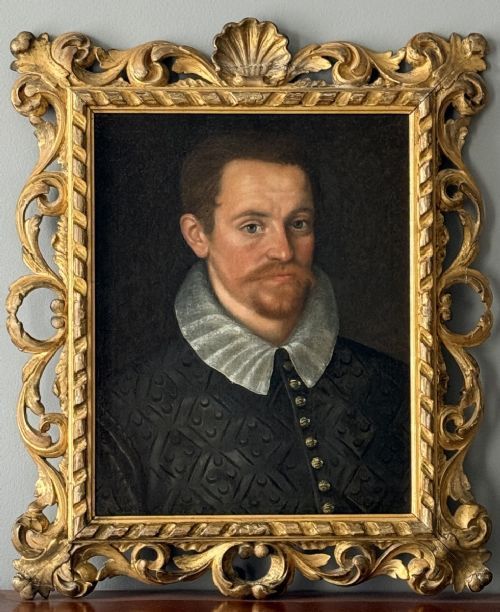
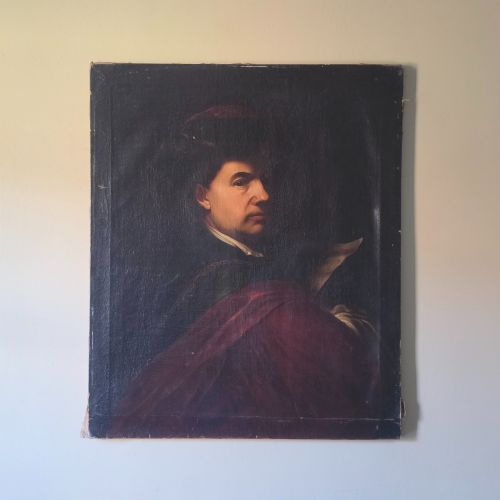
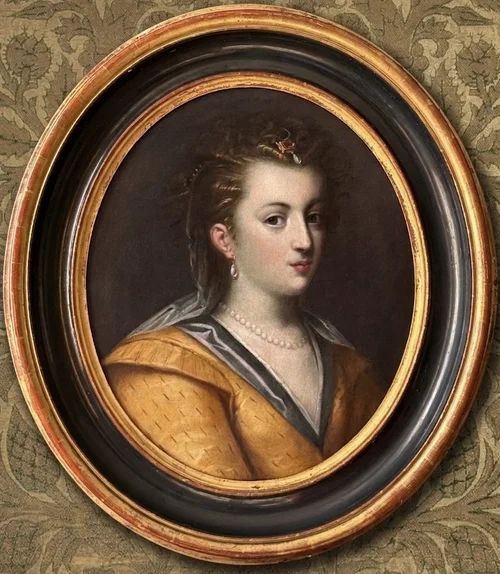
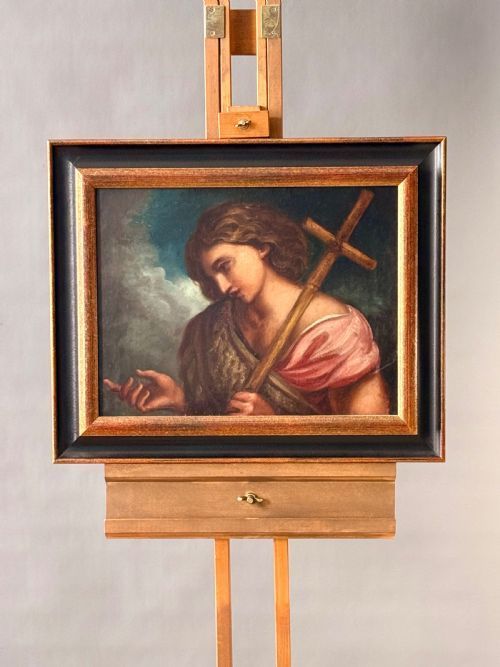
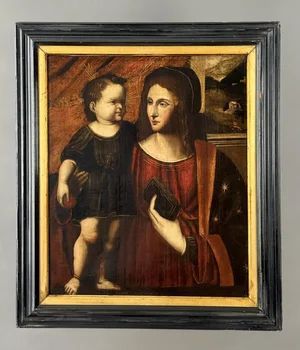
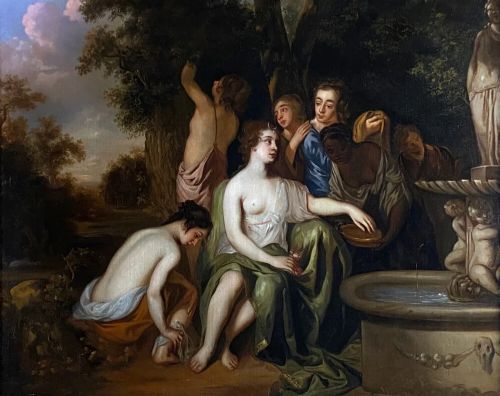
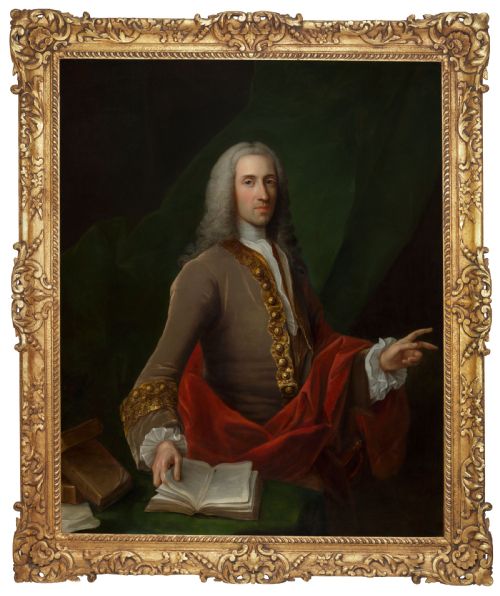
An old portrait painting brings the gaze of centuries past into a room, capturing sitters in oil on canvas from European schools spanning the sixteenth to the nineteenth century.
Old Portrait Painting
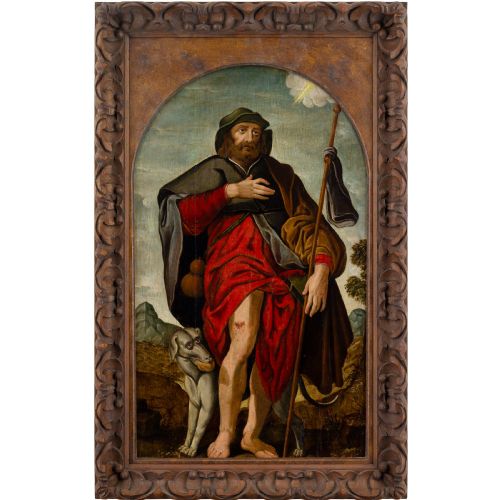
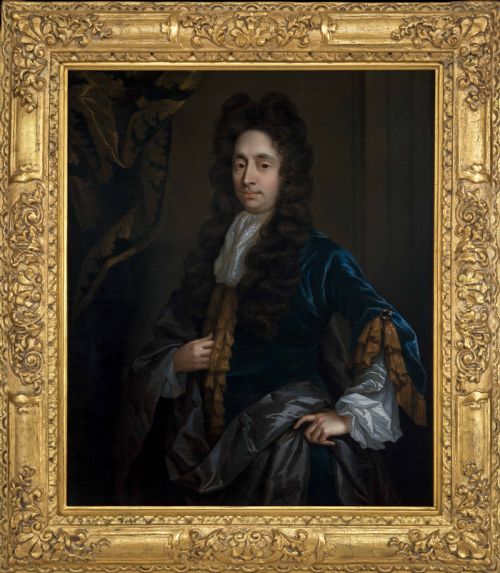
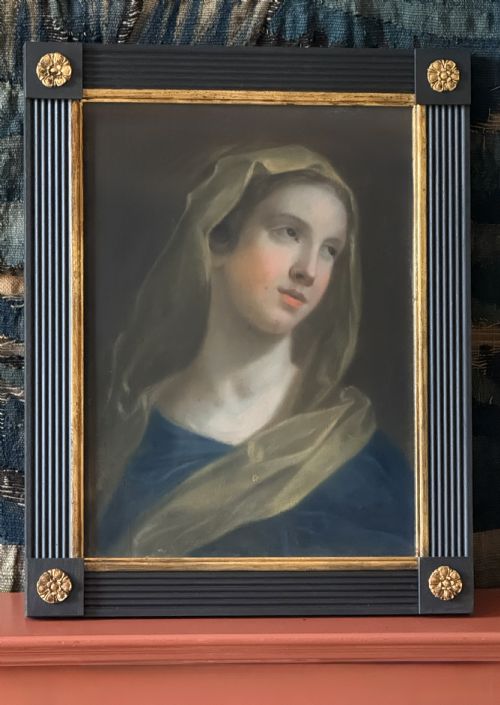
An old portrait painting depicts historical figures, nobility, clergymen, and anonymous sitters rendered in oil paint upon canvas or wood panels. These works emerge from European artistic traditions including the Dutch Golden Age, Italian Renaissance, and Spanish Baroque periods.
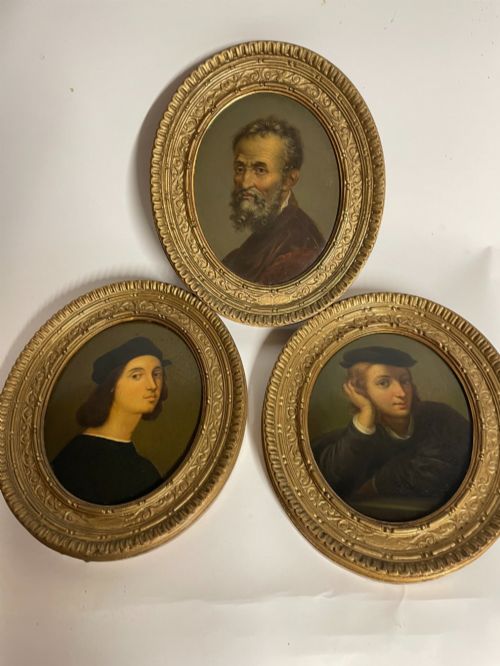
Buyers encounter seventeenth and eighteenth-century canvases alongside nineteenth-century copies and later interpretations of earlier styles. The subjects range from formal court commissions to contemplative religious figures and domestic studies.
Framing typically involves period woodwork, including carved giltwood and gesso frames that complement the depth and pigment of the oils.
How they were made
These works rely principally on oil paint applied to woven canvas stretched over wooden frames, or occasionally upon rigid wooden panels. Artists built up compositions using layered pigments, glazes, and binders to achieve rich tonal variation and depth.
Frames are constructed from timber, frequently embellished with carved gesso and finished in gold leaf or giltwood to house and protect the canvas.
Old Portrait Painting Retail Price Guide 2026
Typical asking prices for old portrait painting among the pieces listed under this phrase on Sellingantiques today, from the lower quarter to the upper quarter. They describe what is for sale here now, not the wider market.
Several solemn seventeenth-century noblemen stare out across the centuries while sharing wall space with racing pigeons.
What varies in quality
Quality rests in the anatomical precision of the hands and face, the handling of drapery and fabric textures such as ruffs and satin, and the structural integrity of the original canvas and ground layers. Masterful works display confident brushwork and subtle modulation of light, whereas provincial or studio pieces may exhibit stiffer execution.
The survival of the original surface condition, minimal disruption from historic overpainting, and the authenticity of the accompanying period frame influence the standing of an individual canvas within the surviving corpus.
Studio M Canals·Lavinia Fontana·Raphael·Sir Godfrey Kneller·Cornelis Van Der Voort·Bernardino Luini·Sir Peter Lely·Joshua Reynolds·Jeremiah Davison·Benedetto Luti·Pietro Fachetti·Toussaint Gelton·Rembrandt·Pieter Borseler·Henri and Charles Beaubrun·Adriana Verelst·David Teniers The Younger·Sir Anthony Van Dyck·Frans Hals·James Maubert·Nicolaes Maes·Benvenuto Tisi
The Old Portrait Painting Glossary
- Pentimento
- A visible trace of earlier painting beneath the completed layer, showing where the artist changed their mind during the composition. These alterations emerge as thin lines or altered contours over time.
- Giltwood
- Wood that has been coated with thin gold leaf or powder over a preparation base. This finish provides the decorative border typical of period frames.
- Ground layer
- The initial preparation coat applied to canvas or wood before painting begins. It creates a stable, uniform surface for the application of oil pigments.
- Glaze
- A thin, transparent or translucent layer of oil paint applied over a dry underlayer. This technique modifies the colour and luminosity of the underlying passages.
Old Portrait Painting: Frequently Asked Questions
How do I identify the period of an old portrait painting?
Dating relies primarily on the sitter's costume, hair styling, and ruff collars, which followed strict historical fashions of the sixteenth, seventeenth, and eighteenth centuries. Technical analysis of the canvas weave, pigments, and stretcher frames further assists in confirming the era of execution.
Secondary clues include the construction methods of the accompanying giltwood frame and any inscriptions, wax seals, or labels remaining on the reverse of the stretcher bars.
What is the difference between an original master and a school piece?
An original work is attributed directly to a named artist whose hand and specific brushwork define the execution. School or circle pieces are produced by contemporary followers, pupils, or workshops working in the manner of the master.
While workshop and follower paintings carry different attribution standings, they often share the same period materials and high technical competence found in primary masterworks.
How were these paintings displayed originally?
Historical portraits were commissioned by aristocracy and wealthy merchants to hang in the long galleries, drawing rooms, and libraries of grand country houses and town residences. They served to record lineage, status, and familial alliances across generations.
The heavy giltwood frames were selected to project authority and to harmonize with the interior architectural wood panelling and furnishings of the period.
How should I care for an oil painting on canvas?
Preservation requires stable room temperatures and moderate relative humidity to prevent the canvas from slackening or the wooden stretcher from warping. Direct sunlight should be avoided to protect organic oil pigments and varnishes from fading.
Dusting should be performed gently with a dry, soft brush, avoiding any moisture, cleaning solvents, or abrasive cloths that might disturb the delicate glaze layers.