





Old Metal Vessel
An old metal vessel brings tactile history to a room, offering genuine eighteenth and nineteenth century craftsmanship in copper, silver plate, and iron.
Old Metal Vessel
When you search for an old metal vessel, you enter a domain of utilitarian and display objects spanning the eighteenth and nineteenth centuries. These pieces encompass Georgian and Victorian eras, bringing domestic and ceremonial utility into a modern interior.
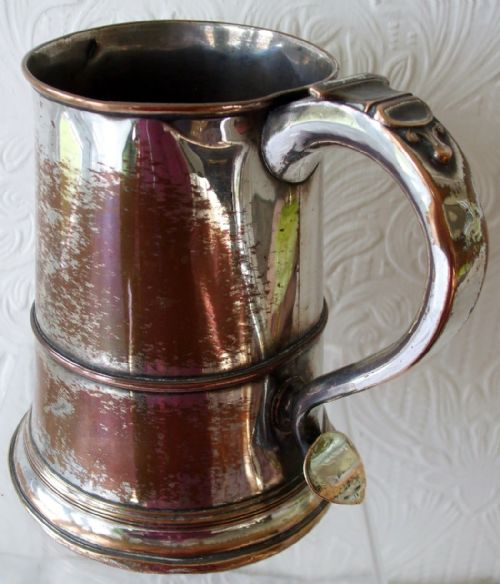
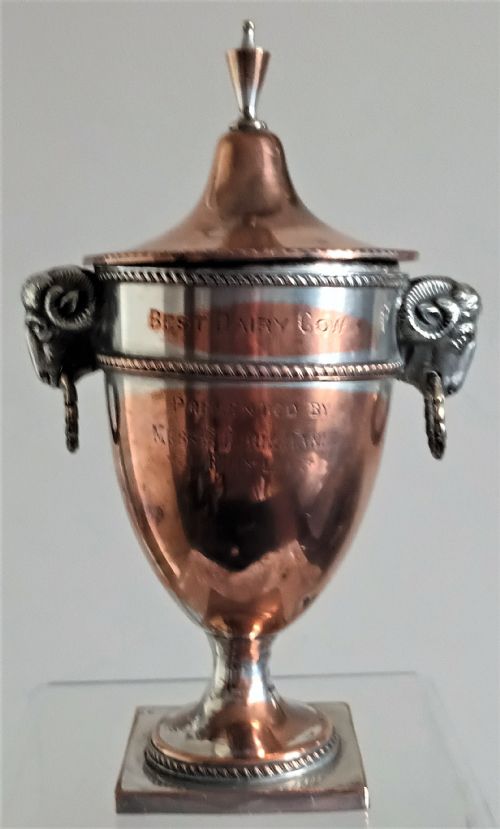
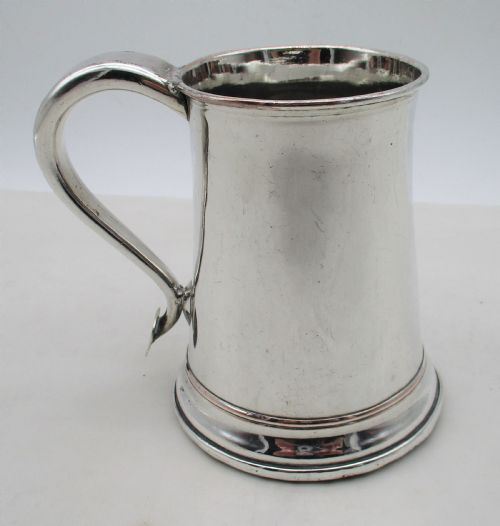
The selections available here are most likely to meet you in the form of Old Sheffield Plate tankards, loving cups, and mugs. Alongside these plated forms, you will encounter rustic country oak buckets banded in wrought iron and miniature chestnut urns.
Originating predominantly from English workshops, these items serve as tangible links to past dining, drinking, and household management. Each form carries the distinct design idioms of the Regency and Georgian periods without unnecessary ornamentation.
How they were made
Makers utilised Old Sheffield Plate, fusing a layer of silver to a copper core to achieve the lustre of solid metal with structural durability. This fusion technique defines the sheen and edge wear of the tankards and chalices.
Cooperage and smithing intersect in pieces like the well buckets, where seasoned oak staves are held together by hand-formed wrought iron bands and fitted with sturdy carrying handles.
Silversmithing methods of hammering, soldering, and turning shaped the teapots, miniature urns, and communion chalices into cohesive vessels designed for daily service or ritual use.
Old Metal Vessel Retail Price Guide 2026
Typical asking prices for old metal vessel among the pieces listed under this phrase on Sellingantiques today, from the lower quarter to the upper quarter. They describe what is for sale here now, not the wider market.
A miniature chestnut urn proves that Georgian hosts took their roasted nuts seriously enough to commission small silver-plated architecture for them.
What varies in quality
The integrity of the plated surface dictates visual success, where the harmonious integration of silver over copper remains visible at high-wear edges. Pieces displaying balanced proportion in handles and bases command greater aesthetic balance.
Maker marks and crispness of form separate standard utilitarian items from finer Georgian presentation pieces. The weight of the metal and the precision of the joining work reveal the original maker's hand.
Richard Morton
The Old Metal Vessel Glossary
- Old Sheffield Plate
- A composite material made by fusing silver to a copper ingot, developed in the eighteenth century. This predates modern electroplating and displays a characteristic warm glow.
- Loving Cup
- A large drinking vessel equipped with two or more handles, traditionally passed among guests at banquets. These often appear in heavy silver plate.
- Communion Chalice
- A stemmed cup used during religious services for sacramental wine. These ecclesiastical pieces often feature noble proportions and sturdy pedestals.
- Chestnut Urn
- A decorative vessel designed to hold roasted chestnuts at the Georgian dining table. Miniature versions showcase fine turning and plating.
- Wrought Iron
- Iron worked by hand while hot using a hammer and anvil, resulting in a fibrous texture. It frequently forms the structural bands on wooden buckets.
Old Metal Vessel: Frequently Asked Questions
What is Old Sheffield Plate?
Old Sheffield Plate is an early composite material created by fusing a thin sheet of silver to a thick copper base through heat and pressure. This technique produces durable items that age gracefully as the underlying copper occasionally shows through at the points of friction.
Items made this way carry a softer hue than later electroplated wares, making them instantly recognisable to the experienced eye.
How were tankards used?
Tankards served as everyday drinking vessels for ale, beer, or cider in domestic households and taverns alike throughout the Georgian and Victorian eras. Their sturdy handles and generous capacities made them practical for daily dining.
Larger quart-sized examples were often passed around communal tables during meals or gatherings.
How do I clean metal vessels?
Silver-plated vessels require gentle maintenance using non-abrasive cloths and mild polishes designed specifically for plated antiques. Aggressive scrubbing will wear away the thin silver layer.
Wooden buckets with iron bands simply need a dry dusting and occasional treatment with suitable wax to preserve the oak staves.
How do I date a piece?
Dating relies on stylistic clues, manufacturing techniques, and any legible maker marks stamped into the metal. Georgian pieces typically exhibit simpler, classical proportions compared to ornate Victorian designs.
The presence of Old Sheffield Plate rather than nineteenth-century electroplate narrows the window to the period before the mid-nineteenth century.