

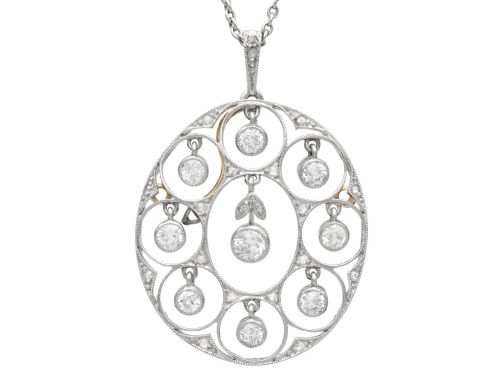
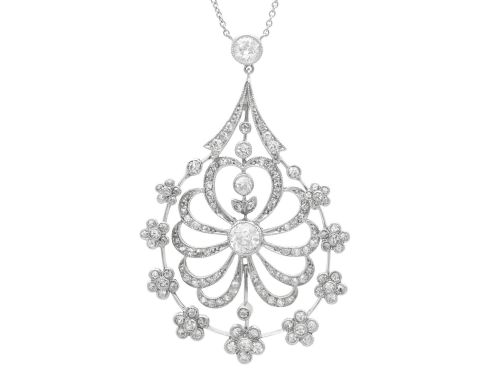
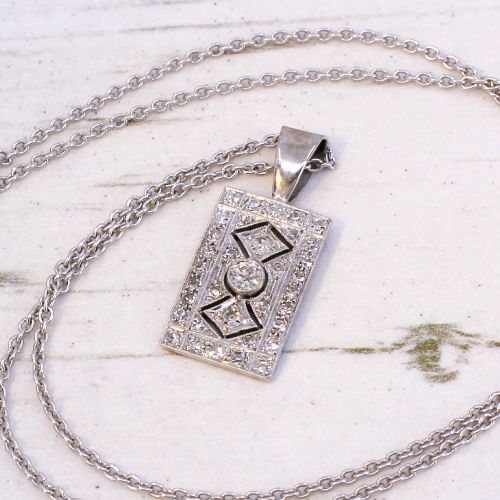
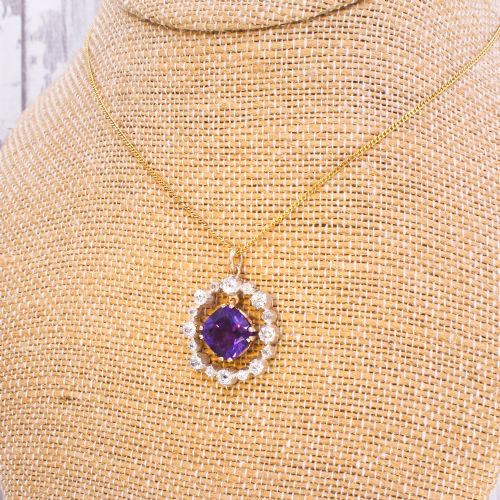


Old Cut Pendant
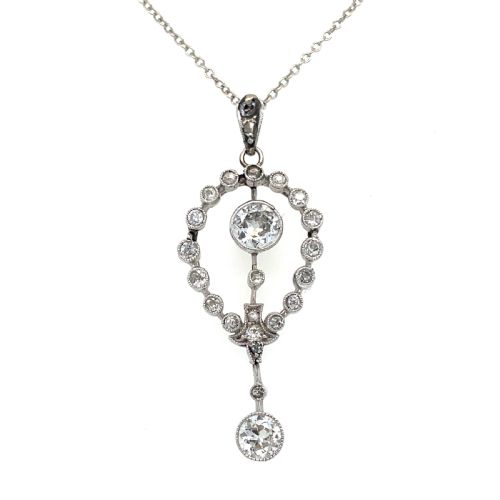
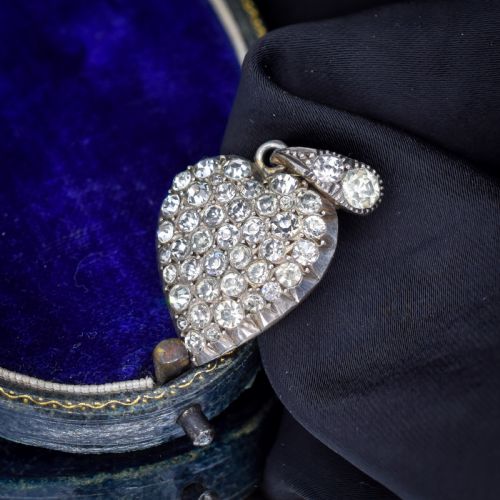
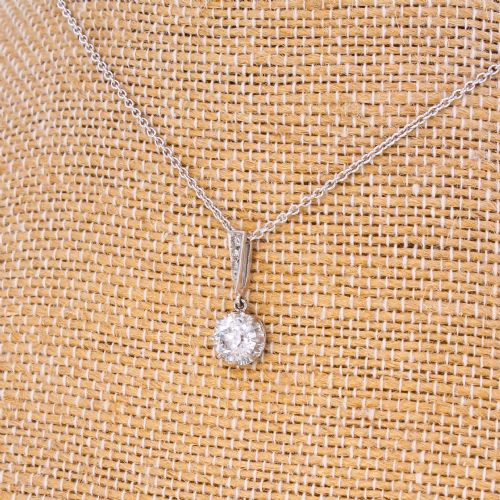
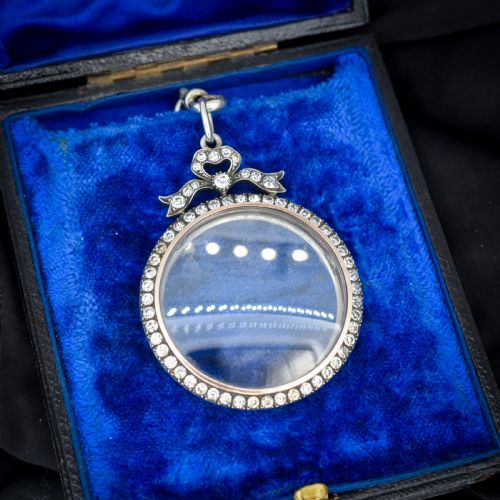
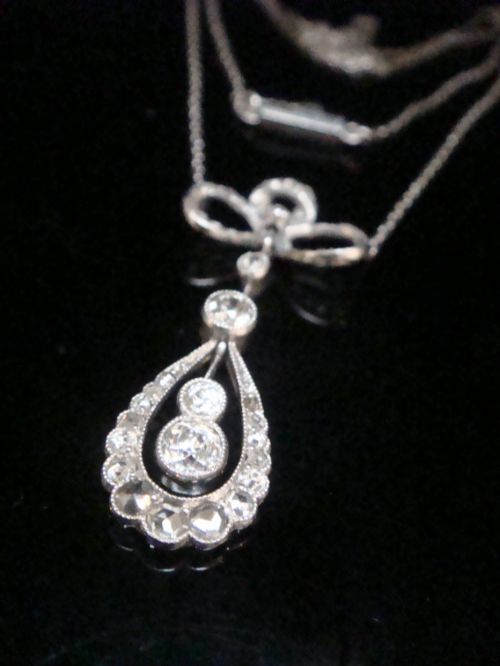
An old cut pendant brings together hand-faceted stones and precious metals from the Victorian, Edwardian, and Art Deco periods.
Old Cut Pendant
When you search for an old cut pendant, you encounter pieces that showcase hand-faceted diamonds set in platinum, silver, and gold. These items originate predominantly from the Victorian, Edwardian, and Art Deco eras, spanning from the late nineteenth century into the mid-twentieth century.
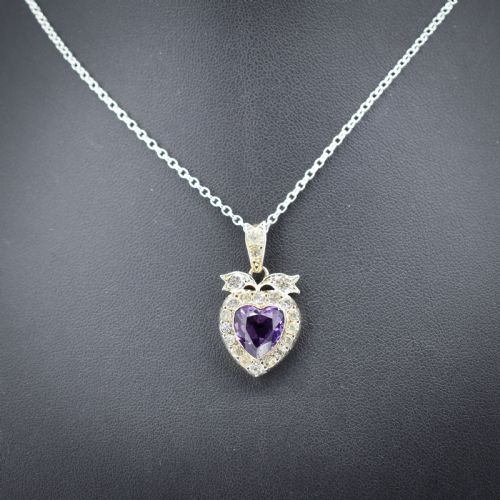
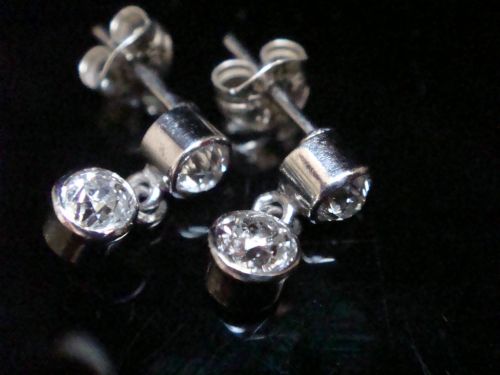
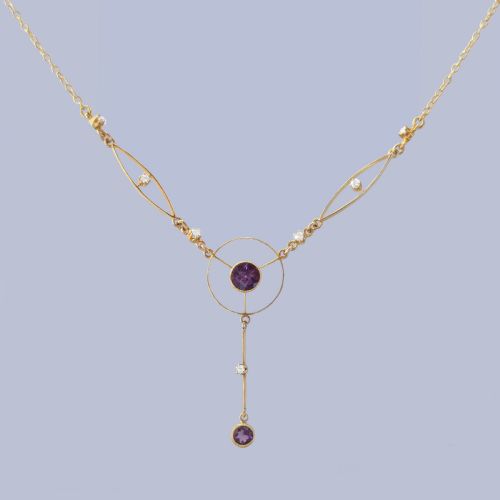
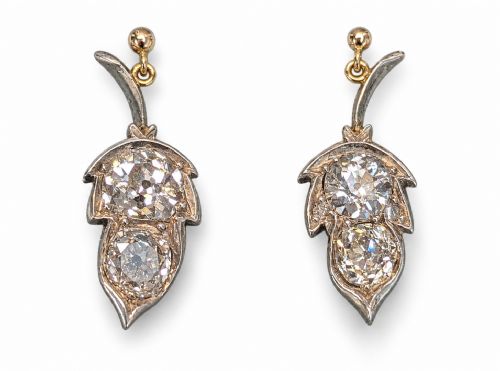
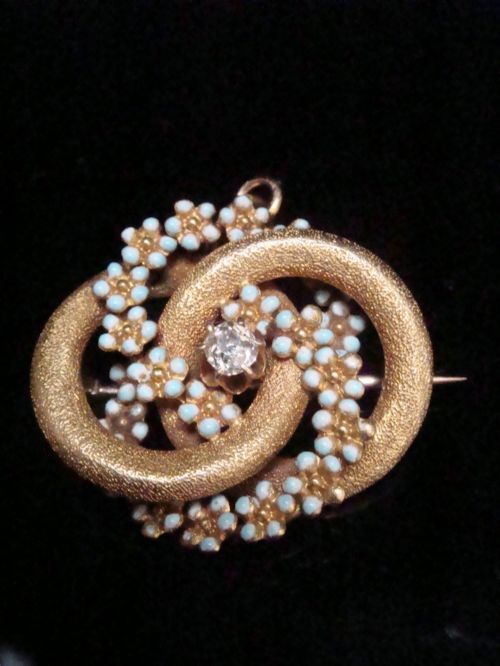
The selections on this page include diamond pendants, drop earrings, lockets, and lavalier necklaces alongside amethyst and sapphire pieces. Edwardian platinum and white gold designs alongside Victorian yellow gold mountings appear frequently among the listings.
Makers and designers produced floral motifs, starbursts, bows, and hearts during these periods. Many items also function as both brooches and pendants, offering versatility in how they are worn.
Materials and construction
Jews and goldsmiths utilised platinum, 18ct gold, and silver-topped gold to mount diamonds and coloured stones. Silver was frequently placed over gold in earlier Victorian and Edwardian items to keep the metalwork bright against the stones.
Gems were cut by hand rather than by machine, resulting in softer facet patterns and open culets that catch candle or low light distinctively. Metalwork often incorporates fine millegrain edges, pierced gallery work, and delicate articulation.
Old Cut Pendant Retail Price Guide 2026
Typical asking prices for old cut pendant among the pieces listed under this phrase on Sellingantiques today, from the lower quarter to the upper quarter. They describe what is for sale here now, not the wider market.
Listings span from the 1880s Victorian era through Edwardian platinum work to 1930s Art Deco designs, using diamonds, amethysts, sapphires, and paste glass.
Quality variations
Quality in these jewels rests on the proportion and symmetry of the hand-cut stones, which possess individual facets reflecting human rather than mechanical precision. The integration of the setting into the design also determines the calibre of the piece.
Superior examples maintain original settings without replacement stones or structural alterations to the metalwork. The crispness of hand-engraving and the integrity of articulating joints further separate standard production from finer workshop output.
The Old Cut Pendant Glossary
- Old cut
- A diamond facet style cut by hand before modern machine precision methods were standardised, typically featuring a smaller table and a higher crown. These stones display deep, warm brilliance under ambient light.
- Millegrain
- A decorative technique involving a line of tiny, raised metal beads along the edge of a setting. This detail softens the transition between metal and stone in Edwardian and Art Deco pieces.
- Lavalier
- A pendant necklace featuring a central drop suspended from a chain, popular during the Edwardian era. These pieces often incorporate pearls or coloured gemstones alongside diamonds.
- Culet
- The small flat facet at the bottom of a gemstone where the pavilion facets meet. Hand-cut stones frequently show a visible open culet when viewed from the top.
- Silver-topped gold
- A manufacturing method where a thin layer of silver is soldered to a gold backing. This allowed jewellers to use white metal on the front while retaining the strength of gold underneath.
Old Cut Pendant: Frequently Asked Questions
How do I care for an antique pendant?
Clean antique jewellery gently using warm soapy water and a soft brush, avoiding harsh chemical dips that can damage foil backs or pearls. Store each piece separately in a lined box to prevent metal scratching and stone abrasion.
Because settings from the Victorian and Edwardian periods can be delicate, remove pendants before swimming, sleeping, or engaging in heavy physical work. Periodic inspection by a specialist ensures the claws holding the old cut stones remain secure.
Are old cut diamonds different from modern ones?
Old cut diamonds feature smaller tables, higher crowns, and deeper pavilions shaped by hand rather than by automated laser technology. This results in a distinctive pattern of light return that appears softer and more blocky than a modern brilliant cut.
Each stone is unique to the cutter who shaped it, meaning no two old cut pendants are identical. Their facet arrangements were optimised for candlelight and gaslight rather than modern electrical illumination.
What periods do these pendants come from?
The pieces available span from the late nineteenth century through the Victorian and Edwardian eras into the 1920s and 1930s Art Deco period. Each era brings distinct metal choices, such as yellow gold for Victorian items and platinum or white gold for later pieces.
Design motifs shifted over these decades from sentimental hearts and starbursts to geometric frames and flowing garlands. Recognising these stylistic markers helps determine the manufacturing era of the jewellery.
Can I wear a pendant as a brooch?
Many Victorian and Edwardian items were manufactured with integrated folding bails and pin mechanisms allowing dual use as pendants or brooches. This versatility was common in high-period jewellery.
When wearing the piece as a pendant, ensure the pin mechanism on the reverse is securely locked flat against the mounting. When worn as a brooch, check that the safety clasp functions correctly to prevent loss.