

Old Art Painting
When you search for old art painting, you enter a world of centuries-old portraiture, religious iconography and landscape oils that bring centuries of history directly into a modern room.
Old Art Painting
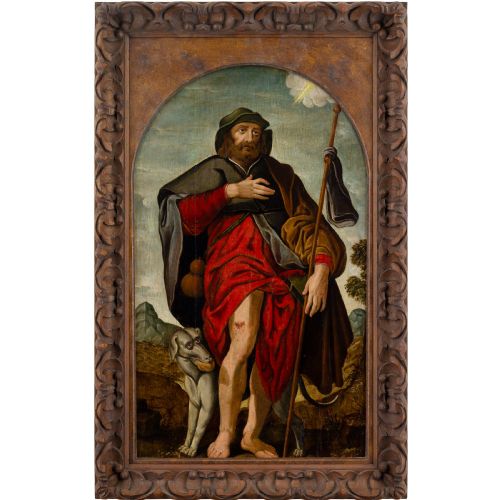
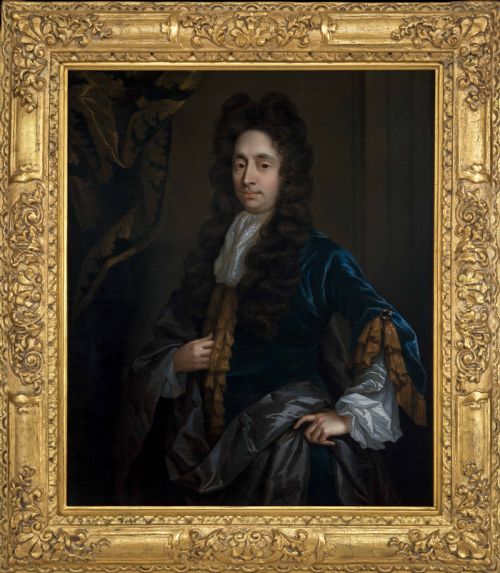
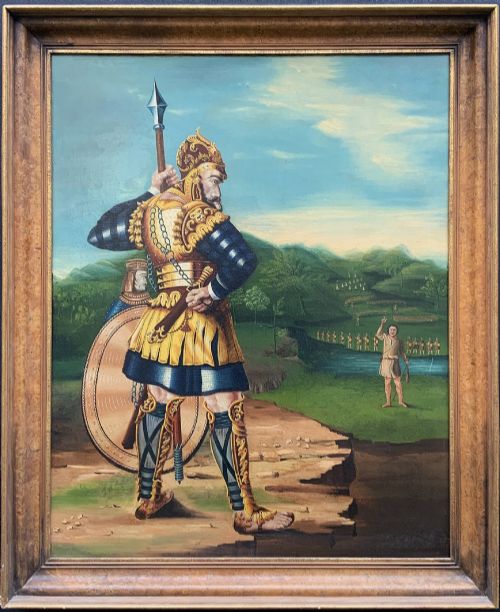
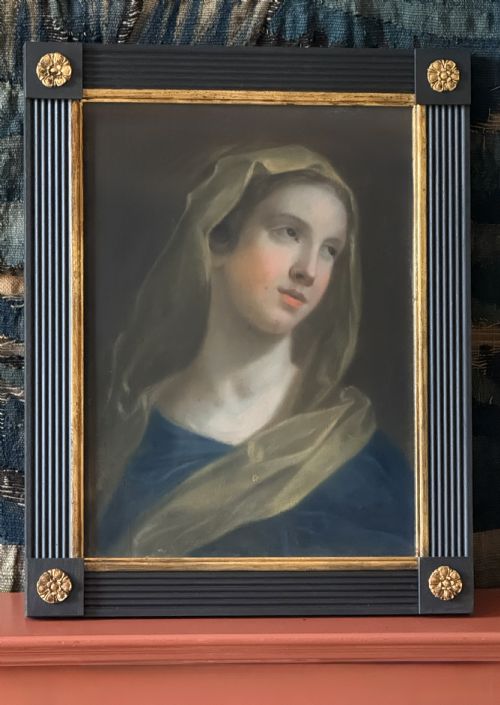
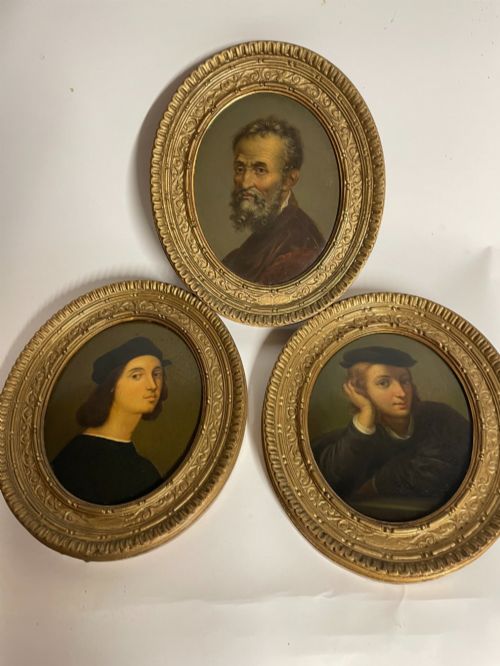
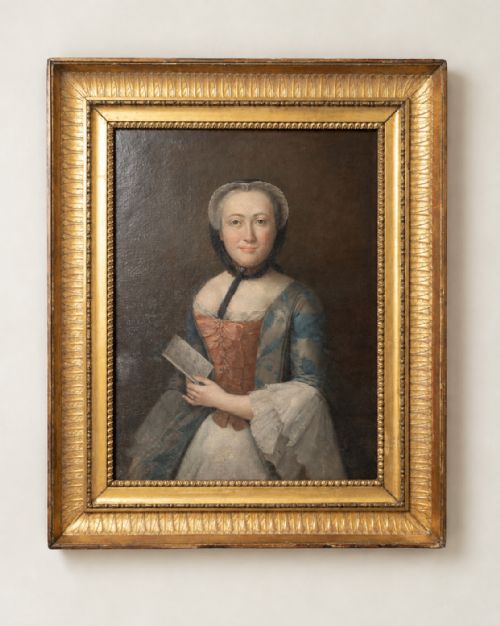
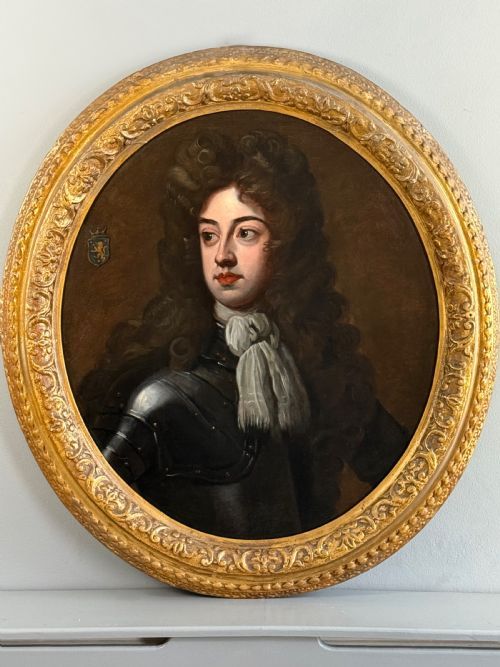
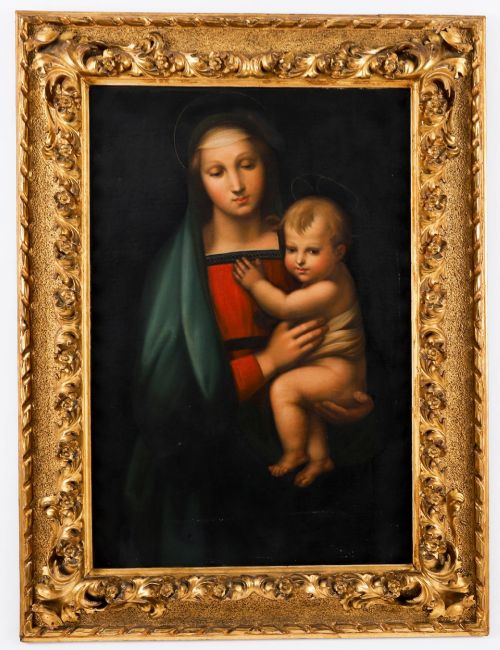
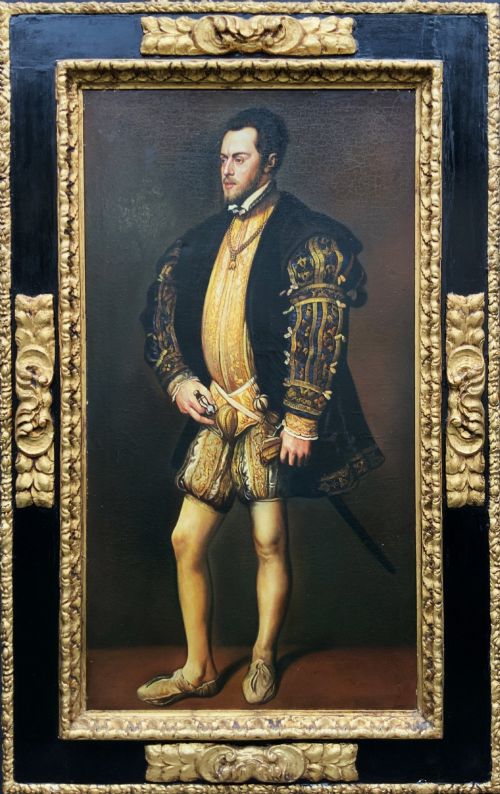
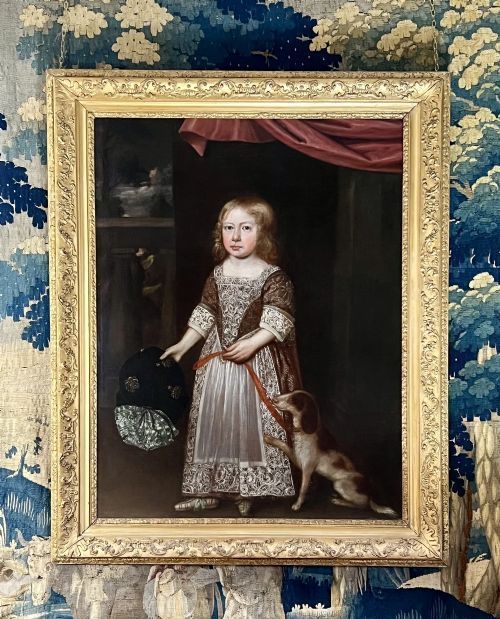
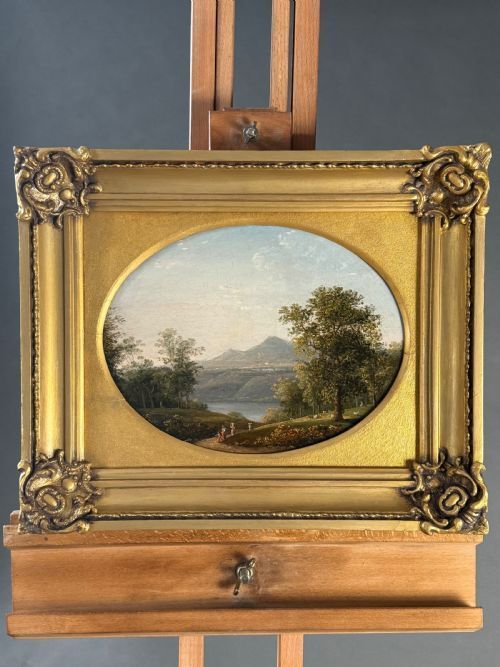
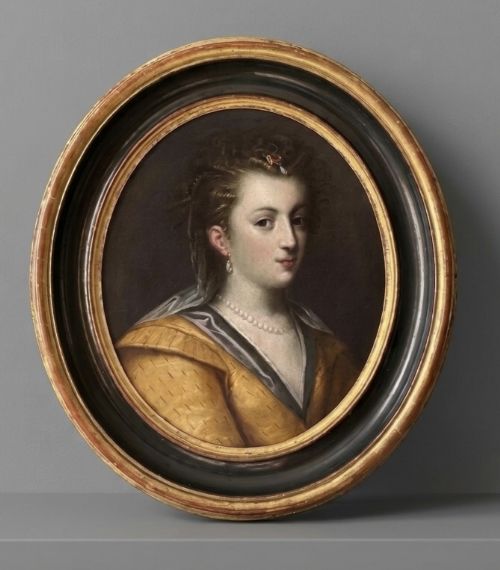
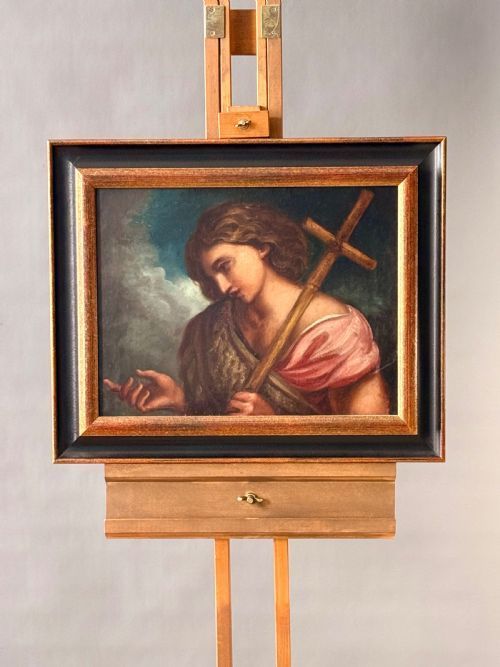
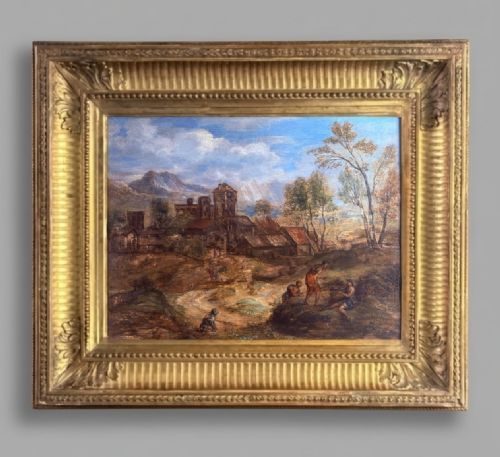
When you search for old art painting, you encounter centuries of figurative work, classical portraiture and religious scenes spanning from the sixteenth century through to the Edwardian period and the early twentieth century. The selections here range from expansive biblical narratives and grand tour landscapes to intimate panel portraits and naïve depictions.
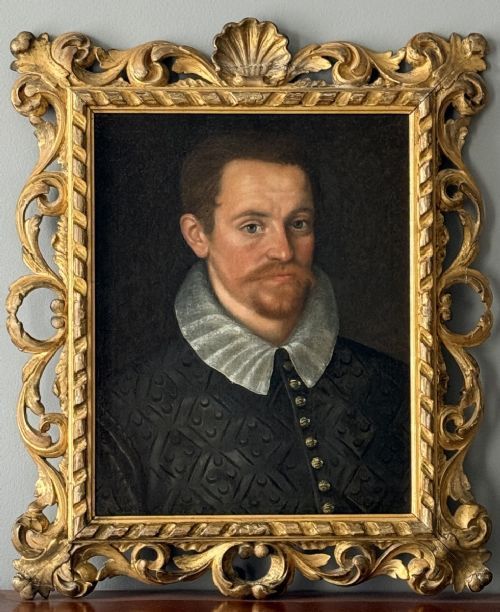
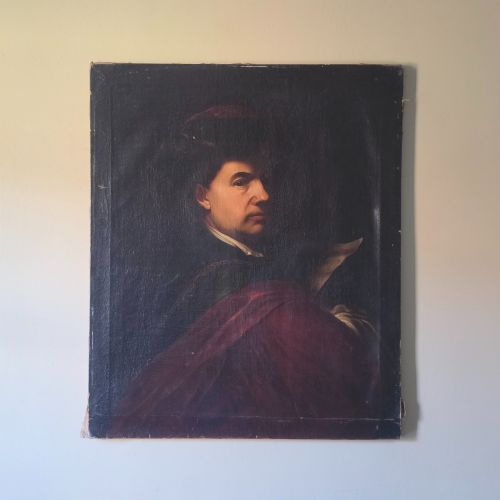
You are most likely to meet seventeenth and eighteenth-century European school portraits on canvas and wood panel, alongside Italian and Dutch works portraying noblemen, judges, and religious figures. These historic canvases carry the distinct brushwork and tonal depth of periods shaped by Baroque and Renaissance traditions.
Alongside major school oils, the selection incorporates regional watercolours, maritime scenes and nineteenth-century framed paintings. Each piece reflects the aesthetic priorities and material availability of its specific century, from dark embroidered doublets on early Stuart gentlemen to sunlit river barges.
Materials and Technique
Painters of these periods typically applied oil paint onto woven canvas stretched over wooden frames or directly onto prepared wood panels, utilising natural pigments bound in oils such as linseed. Pine subframes and stretchers provide the structural support behind many of these historic canvases.
Subtle shifts in tone were achieved through layered glazes and opaque pigments, while certain works display pentimenti where the artist altered compositions during the painting process. Giltwood frames frequently house these pieces, adding decorative borders that complement the dark palettes characteristic of old master works.
Old Art Painting Retail Price Guide 2026
Typical asking prices for old art painting among the pieces listed under this phrase on Sellingantiques today, from the lower quarter to the upper quarter. They describe what is for sale here now, not the wider market.
Listings feature works spanning from the sixteenth century to the mid-twentieth century, utilising oil paint, canvas, pine, iron, and giltwood.
Quality Variations
The integrity of the original paint surface and the stability of the panel or canvas foundation determine the enduring physical quality of the work. Early pieces that retain their original unlined canvas and uncompromised pigment layers hold a greater historical coherence.
Benedetto Luti·Sir Godfrey Kneller·Jacob Philipp Hackert·Mary Beale·Joshua Reynolds
The Old Art Painting Glossary
- Oil on Canvas
- Pigment mixed with drying oil applied to a woven fabric support. This combination allowed artists to create rich textures and blend colours seamlessly across large surfaces.
- Wood Panel
- A rigid wooden board used as a painting support before canvas became dominant. These panels provide a smooth ground that preserves fine details in early portraits and landscapes.
- Giltwood
- Wood carved and coated with a thin layer of gold leaf or gold paint. This material is standard for traditional picture frames enclosing historic oil paintings.
- Pentimento
- An alteration in a painting evidenced by visible traces of previous work below the top layer. This occurrence shows the artist changing their mind during the creative process.
- School
- A group of artists working in a particular region, period or under a specific master's influence. This term helps categorise anonymous historical works sharing stylistic traits.
Old Art Painting: Frequently Asked Questions
How do I care for an old oil painting?
Keep the canvas away from direct sunlight and extreme fluctuations in temperature or humidity. Avoid touching the painted surface, as natural oils from skin can damage fragile historic pigments.
Dust the frame gently with a soft, dry brush and consult a professional conservator if the canvas requires cleaning or structural repair.
What is the difference between oil on canvas and wood panel?
Canvas offers a flexible, textured surface that accommodates large-scale compositions and absorbs environmental shifts without cracking. Wood panels provide a rigid, perfectly flat base favoured by early painters for precise detail work.
Both supports require stable indoor climates to prevent warping in the wood or tension stress in the canvas fibres.
How can I tell which century a painting comes from?
Clothing styles, hairstyles, and ruff collars offer immediate clues to the sitter's era, matching historical periods such as the seventeenth-century doublet or eighteenth-century attire. Canvas preparation, stretcher construction, and frame types further anchor the piece in its chronological context.
Pigmented grounds and stylistic indicators like Baroque chiaroscuro or Renaissance composition also point toward specific decades of origin.
How do I hang a heavy framed oil painting safely?
Use heavy-duty picture hooks rated for the combined weight of the painting and its giltwood frame, anchored securely into wall studs where possible. Ensure the hanging wire or D-rings on the reverse are robust and properly fastened to the structural frame.
Position the work at eye level on an interior wall away from heat sources like radiators to protect the historic materials.