
Oil Study on Canvas
An oil study on canvas captures the direct, unvarnished process of a painter working through light, form, and composition before a final gallery piece.
Oil Study on Canvas
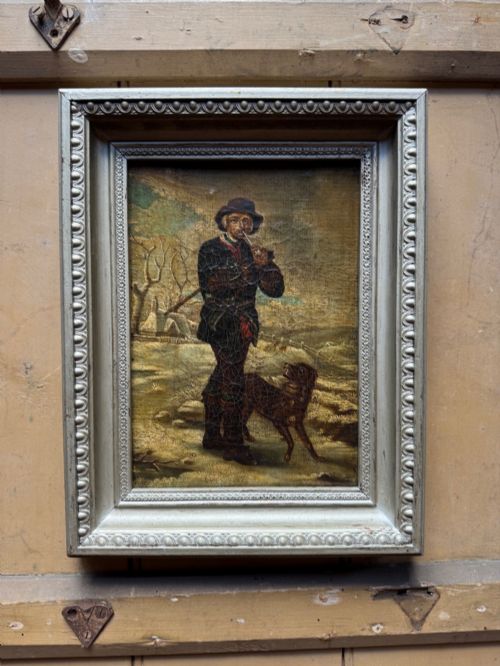
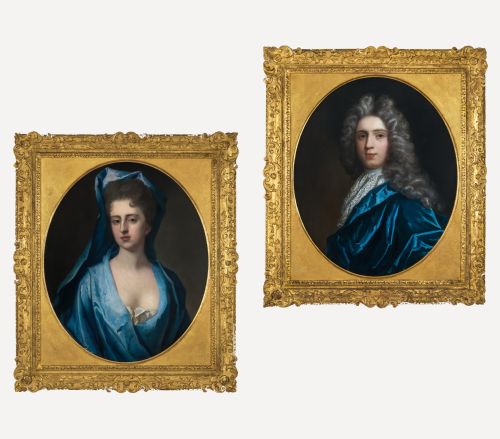
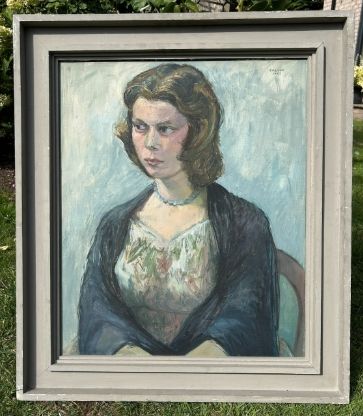
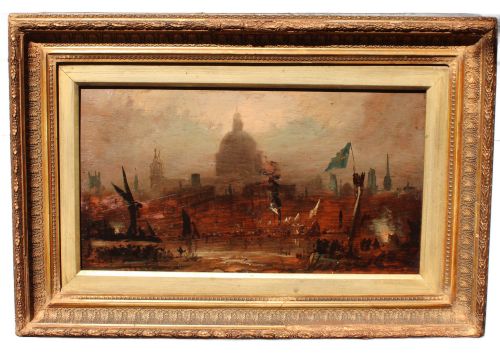
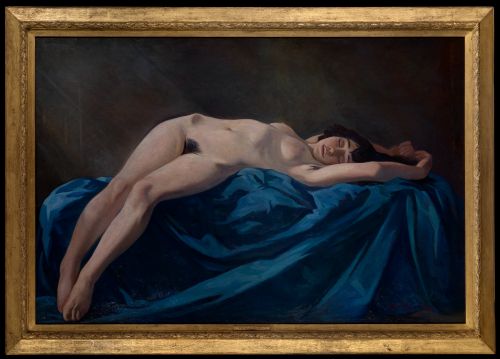
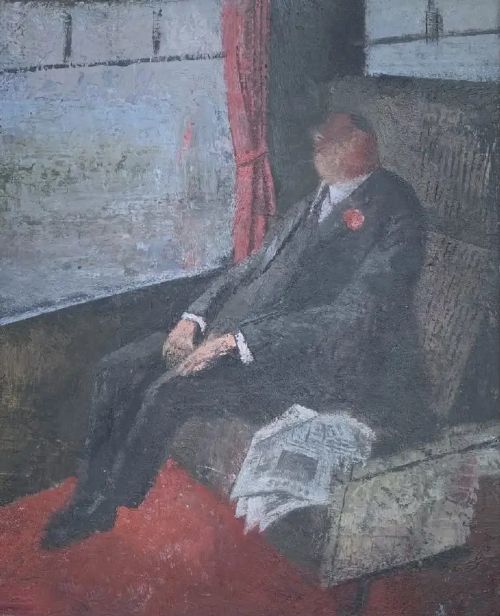
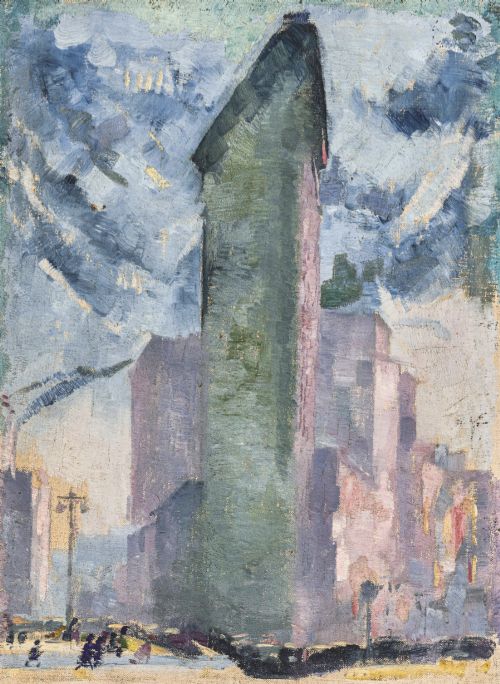
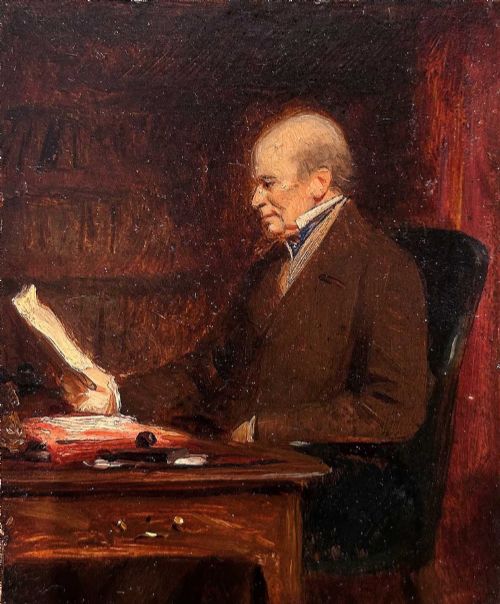
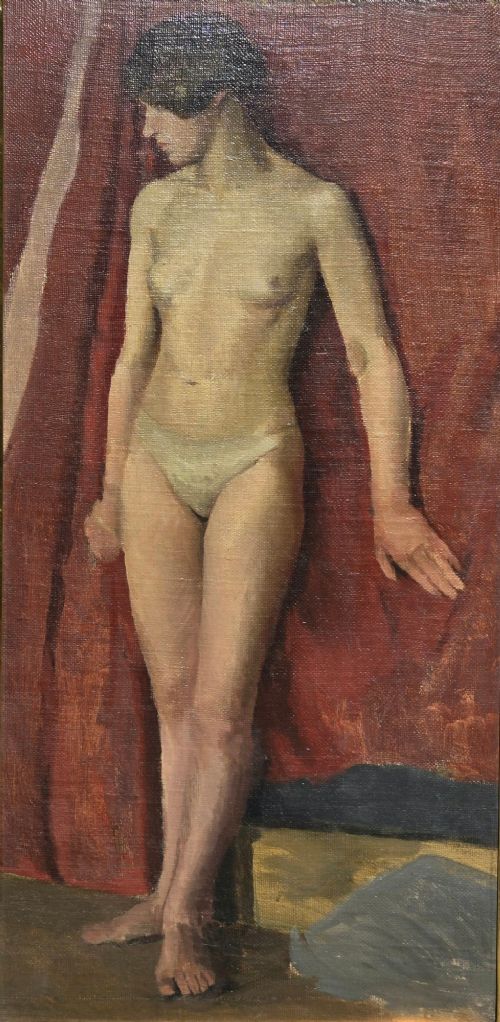
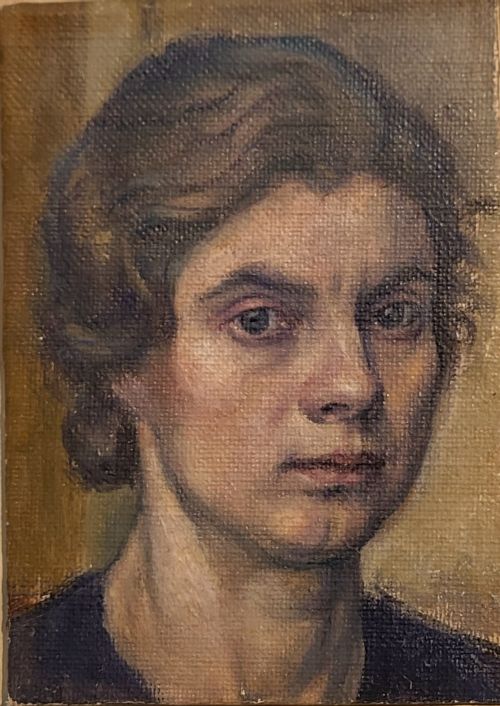
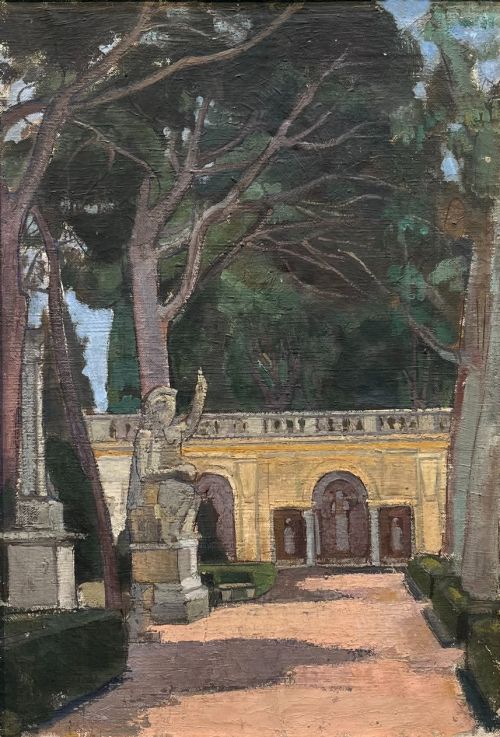
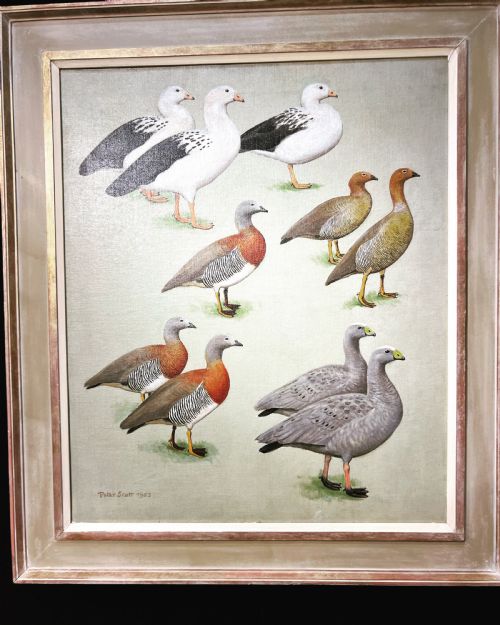
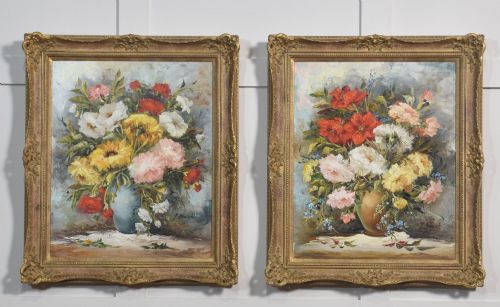
When you search for an oil study on canvas, you are looking at preparatory works, plein-air sketches, and finished compositions created across multiple centuries from the seventeenth to the mid-twentieth. These pieces range from rapid landscape and cloud observations to detailed figural portraits, floral still lifes, and animal studies.
The versions you are most likely to meet on this page span the nineteenth and early twentieth centuries, including British and European school works, floral arrangements, and coastal or marine sketches. Many capture fleeting moments of light or serve as compositional tests for larger paintings.
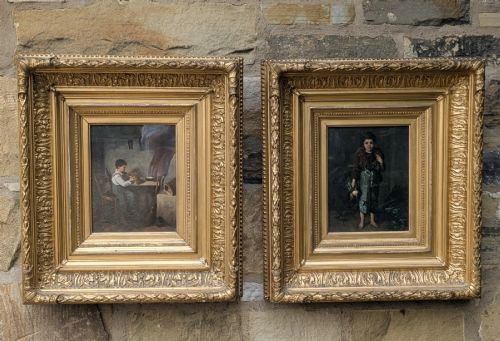
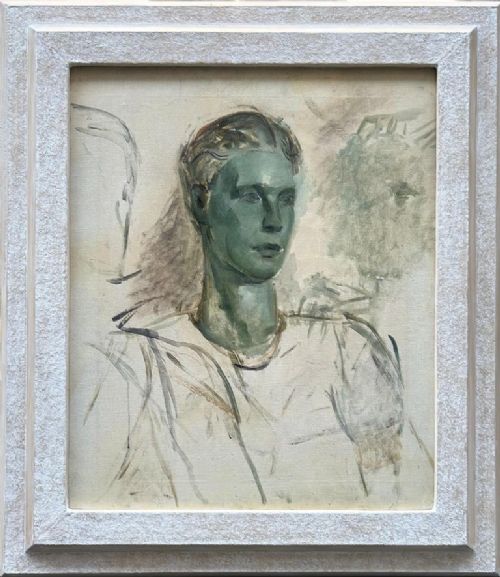
The selection moves from intimate floral and landscape studies to formal portraits and narrative scenes. Each piece records the immediate hand of the artist, often retaining visible brushwork and underdrawing that larger exhibition canvases conceal.
How They Were Made
These works rely fundamentally on oil paint applied to woven canvas supports, occasionally mounted to board or stretcher frames. Artists manipulated pigment using bristle brushes and palette knives to build texture, depth, and luminosity.
Many historical pieces incorporate gesso grounds applied to wood or canvas to seal the support before painting. Frames of gilt wood, parcel gilt, or oak frequently accompany the canvas, reflecting the period mounting styles of the nineteenth and early twentieth centuries.
At least one anonymous Victorian artist turned their attention downward to immortalise a very shaggy Newfoundland dog.
What Varies in Quality
Quality in these works rests upon the surety of the brushwork and the precision with which the artist captures light and atmosphere. A superior study demonstrates economy of stroke and confident tonal control, whereas weaker examples appear laboured or heavy-handed.
The integrity of the canvas support, the stability of the pigment layer, and the retention of the original surface texture strongly influence the standing of a piece. Works that preserve their untouched painterly character without excessive restoration command greater regard.
Michael Dahl·Thomas Murray·Eric Robertson·Alfred Wolmark·Sir Peter Markham Scott·Ernest Payne·William Watt Milne·William Thomas Wood·Honore Cavaroc·Alexandre-Louis Martin·Septimus Scott·James Clark·Constant Troyon
The Oil Study on Canvas Glossary
- Plein air
- Painting executed outdoors to capture natural light and direct observations of landscape or weather. This method prioritises speed and spontaneity.
- En grisaille
- Painting executed entirely in shades of grey or neutral monochrome. This technique often serves as a tonal study or mimics sculptural relief.
- Impasto
- Paint applied thickly to a canvas, standing out in relief from the surface. This technique emphasises the physical texture of the paint and the movement of the brush.
- Provenance
- The documented history of ownership of an artwork from its creation to the present. Clear records support authenticity and historical attribution.
- Carton
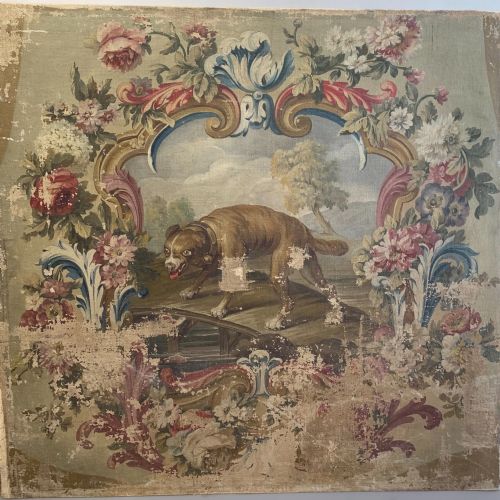
- A full-scale preparatory design or drawing made for a tapestry, fresco, or large painting. These works guide the final execution of a complex composition.
Oil Study on Canvas: Frequently Asked Questions
What is an oil study?
An oil study is a preliminary painting created to explore composition, lighting, or subject matter before embarking on a larger finished work. Artists often painted them directly from life to capture fleeting atmospheric effects.
Unlike polished gallery pieces, these studies preserve the raw, immediate process of the artist's hand and thought.
How do I date a canvas?
Dating relies on examining the weave of the canvas, the composition of the stretcher frames, and the preparation grounds used beneath the paint. Stylistic markers and historical signatures also offer reliable chronological clues.
Comparative analysis with documented works from the same period helps narrow down the decade of creation.
How should I frame an old canvas?
Historical canvases are best housed in frames appropriate to their period, such as nineteenth-century gilt wood or simple moulded timber moulding. The frame should protect the tacking edges while complementing the tonal palette of the painting.
Avoid modern synthetic mouldings that clash with the historic character of the artwork.
Are these works finished paintings?
Some pieces function as complete standalone artworks, while others remain rapid sketches intended solely for the artist's reference. Both categories were collected historically for their vigour and immediacy.
Collectors often prize the unfinished quality of a study for revealing the direct working method behind a master's output.